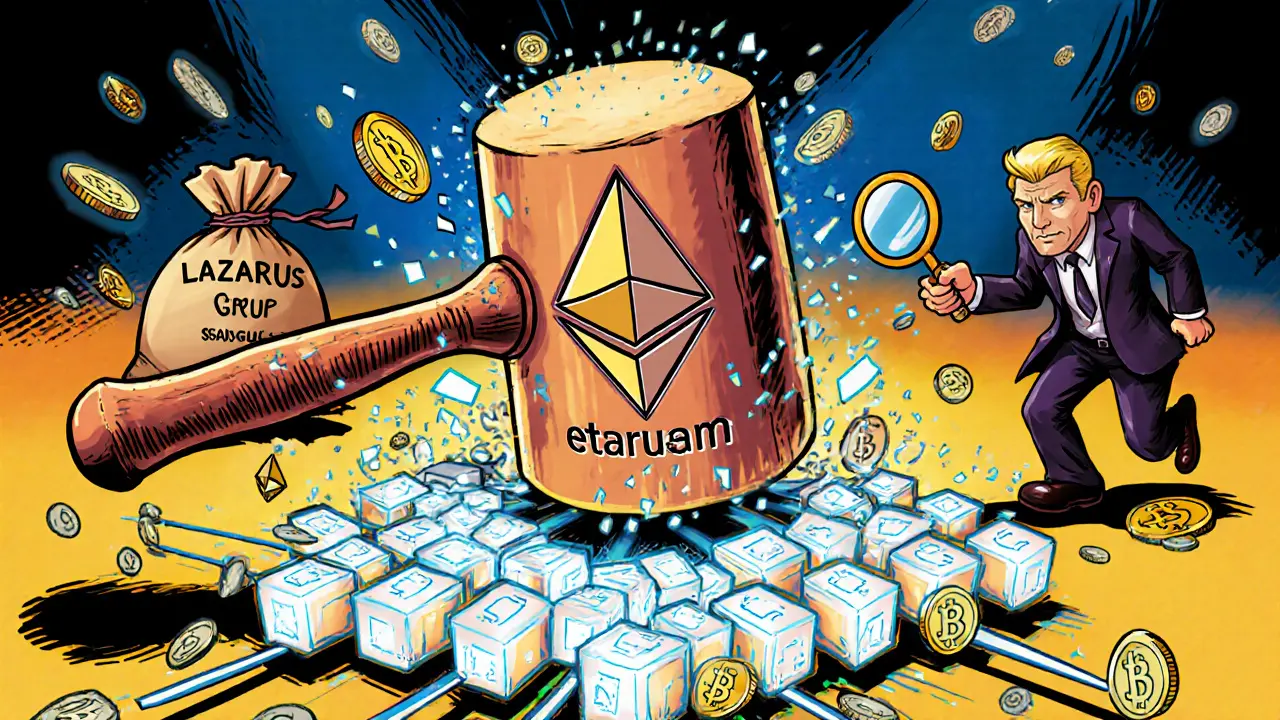
The U.S. sanctioned Tornado Cash in 2022 for laundering billions in crypto, including funds from North Korean hackers. This landmark case raised legal questions about regulating decentralized code-and changed crypto privacy forever.
When you use cryptocurrency privacy, the ability to obscure transaction details like sender, receiver, and amount on a blockchain. Also known as financial anonymity, it's what keeps your spending habits, income, and holdings out of the hands of advertisers, regulators, and hackers. Most people think Bitcoin is private because it’s digital—but that’s a myth. Every Bitcoin transaction is public, permanent, and traceable. If someone links your wallet to your identity, they can see every coin you’ve ever bought, sold, or sent. That’s not freedom—it’s a digital ledger anyone can read.
That’s where Monero, a privacy-focused cryptocurrency that hides sender, receiver, and transaction amount by default. Also known as XMR, it’s built to be untraceable from the ground up. Then there’s Zcash, a coin that lets users choose between transparent and shielded transactions, using zero-knowledge proofs to verify payments without revealing details. Also known as ZEC, it’s used by institutions that need compliance without exposing data. These aren’t just niche projects—they’re the only real tools that give you control over who sees your financial activity. But privacy isn’t just about the coin you use. It’s also about how you interact with exchanges. Platforms like CRXzone and FEX hide behind vague security claims, making it easy for your identity to leak through KYC forms, IP logs, or data breaches. Even if you use Monero, linking it to a regulated exchange like Kraken or Coinbase can undo all your privacy efforts.
Real cryptocurrency privacy means using mixers, avoiding reused addresses, and choosing wallets that don’t require email or phone verification. It means knowing which airdrops are scams—like the fake AFEN Marketplace offer—and which are real, like the SPAT Meta Spatial drop that requires a specific wallet and task list. It means understanding that even DeFi protocols like Wagmi on zkSync Era can track your activity if you don’t use privacy layers. And it means recognizing that governments like China are banning crypto not because it’s dangerous, but because they can’t monitor it. Privacy coins aren’t for criminals—they’re for people who don’t want their rent payments, grocery buys, or crypto gains turned into marketing data.
Below, you’ll find real reviews, deep dives, and scam alerts that cut through the noise. No fluff. No hype. Just what actually works to keep your crypto—your money—your business.
The U.S. sanctioned Tornado Cash in 2022 for laundering billions in crypto, including funds from North Korean hackers. This landmark case raised legal questions about regulating decentralized code-and changed crypto privacy forever.