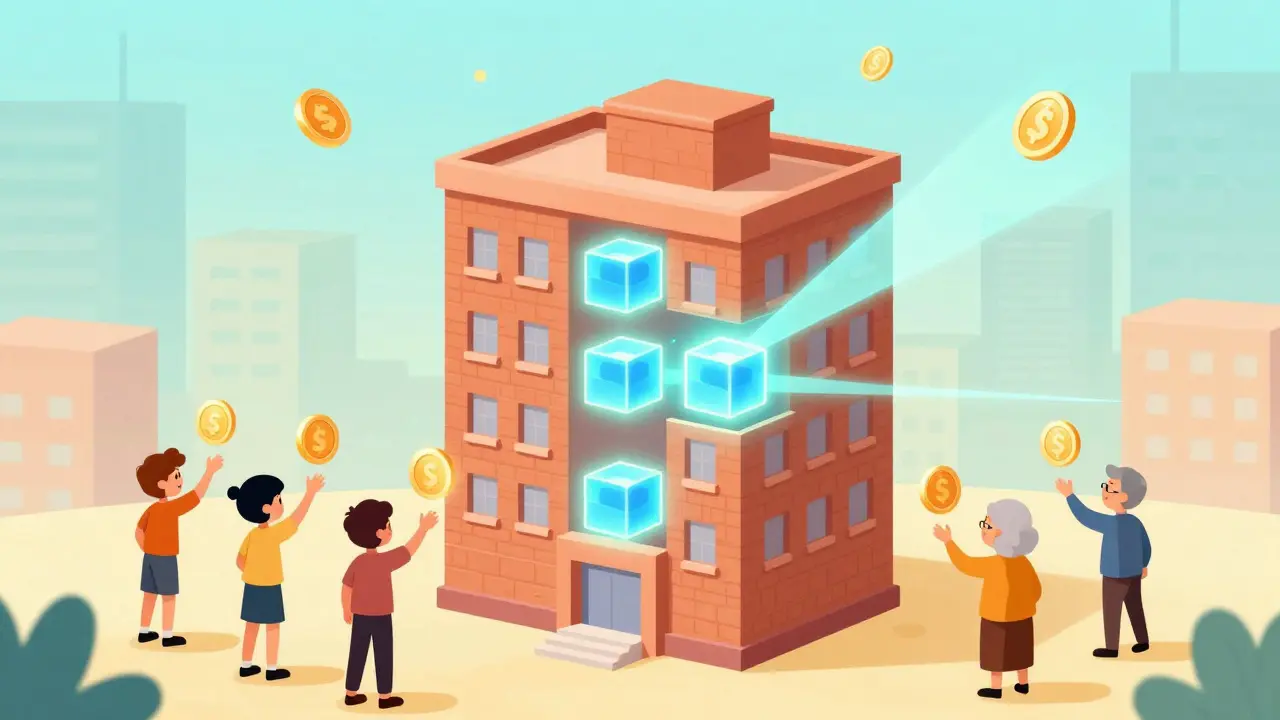
Discover how real estate tokenization boosts liquidity, cuts costs, and lowers investment barriers. Learn about the tech, risks, and practical steps to start.

When working with smart contracts, self‑executing code that runs automatically when predefined conditions are met on a blockchain. Also known as self‑executing contracts, they eliminate middlemen, cut transaction friction, and guarantee that outcomes happen exactly as written.
The foundation for any smart contract is the blockchain, a distributed ledger where each block links to the previous one using cryptographic hashes, creating an immutable record of all activity. Because every node validates new entries through consensus mechanisms—whether proof‑of‑work, proof‑of‑stake, or newer hybrids—a contract can’t be altered once deployed. This immutability gives developers confidence that the logic they code will enforce the same rules forever, without a single point of failure.
Most developers choose Ethereum, the first platform to support Turing‑complete smart contracts via the Solidity language for its robust tooling and massive developer community. Ethereum introduced token standards like ERC‑20 for fungible assets and ERC‑721/1155 for NFTs, making it simple to create and trade digital goods. The platform’s upgrade roadmap, including roll‑ups and sharding, aims to boost throughput while preserving the security guarantees that smart contracts rely on.
In the realm of decentralized finance, or DeFi, smart contracts replace banks and brokers by automating lending, borrowing, swapping, and yield‑farming operations. A user can lock collateral in a contract, trigger a loan, or earn interest without ever signing a paper or waiting for approval. Because the contract enforces every rule—interest rates, liquidation thresholds, reward distribution—it removes trust risk and opens financial services to anyone with an internet connection.
Airdrops showcase another practical side of smart contracts. Project teams encode eligibility criteria—wallet holdings, transaction history, or staking status—directly into a contract, then let users claim tokens with a single click. This automation cuts down manual verification, reduces fraud, and provides a transparent audit trail. Our guide on the ZKSwap V3 airdrop, for instance, walks you through reading the contract’s parameters and executing the claim safely.
Security, however, remains a top concern. Since a contract’s code is immutable, any bug becomes permanent unless the developers deploy an upgradeable proxy or a migration plan. Audits from reputable firms, formal verification tools, and community testing help catch vulnerabilities early. Understanding how smart contracts prevent double‑spending—by requiring multiple block confirmations and leveraging consensus—adds another layer of confidence for traders and developers alike.
Below you’ll find a hand‑picked collection of articles that dive deeper into these topics. From a technical guide on blockchain immutability to real‑world use cases like cross‑border remittances, utility token case studies, and exchange reviews, the posts cover both theory and actionable steps. Whether you’re just curious about how a smart contract works or you’re ready to build your own DeFi product, the insights here will give you a solid foundation before you explore the detailed guides.
Discover how real estate tokenization boosts liquidity, cuts costs, and lowers investment barriers. Learn about the tech, risks, and practical steps to start.

Discover how smart contracts automate property sales, cutting costs by 50% and closing times by 30%. Learn about benefits, challenges, and future trends like tokenization.

Discover how tokenized real estate lowers entry barriers, boosts liquidity, and cuts costs using blockchain. Learn key benefits, risks, and steps to start investing in digital property assets today.

Explore how blockchain and AI are transforming healthcare in 2026, from patient-owned medical records and secure drug supply chains to the rise of Decentralized Science.
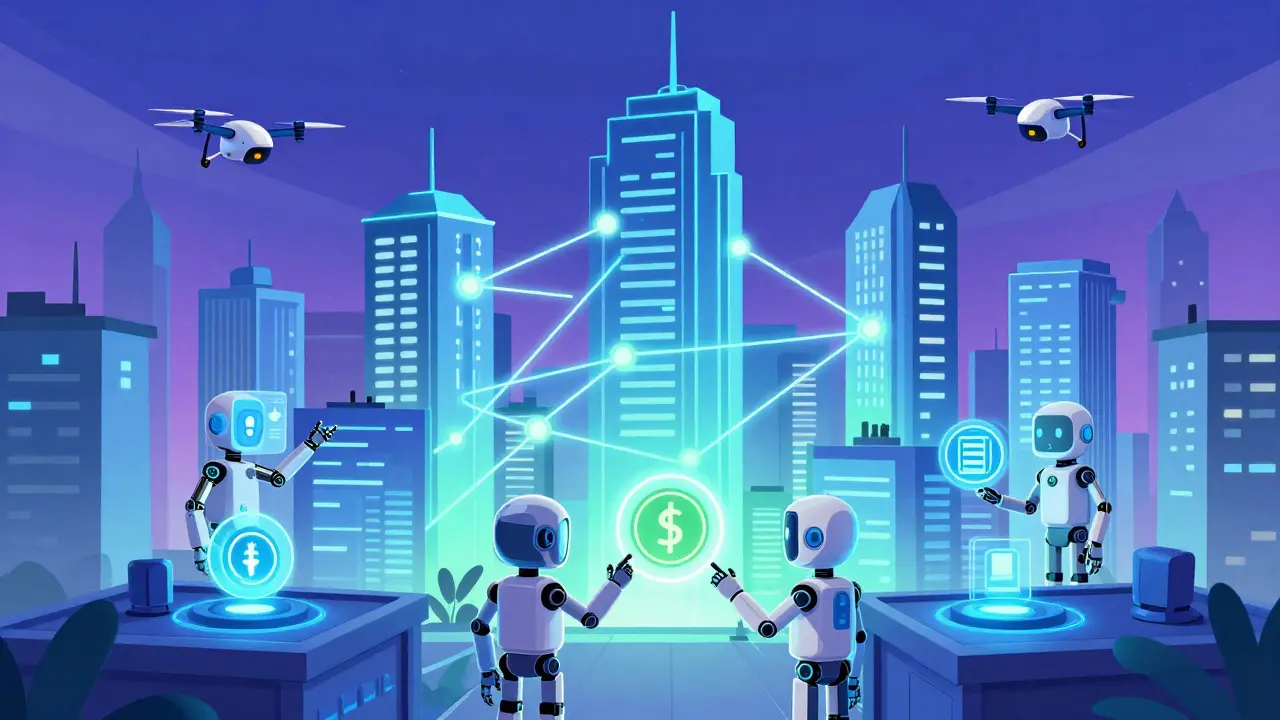
Smart contracts are evolving into AI-powered, cross-chain systems that power DeFi, digital identity, and IoT networks. By 2026, they're replacing intermediaries in finance, healthcare, and supply chains - making trust automatic, not assumed.

Decentralized oracles secure billions in DeFi by using multiple data sources and consensus, while centralized oracles risk total failure with a single point of failure. Learn which one your smart contracts really need.
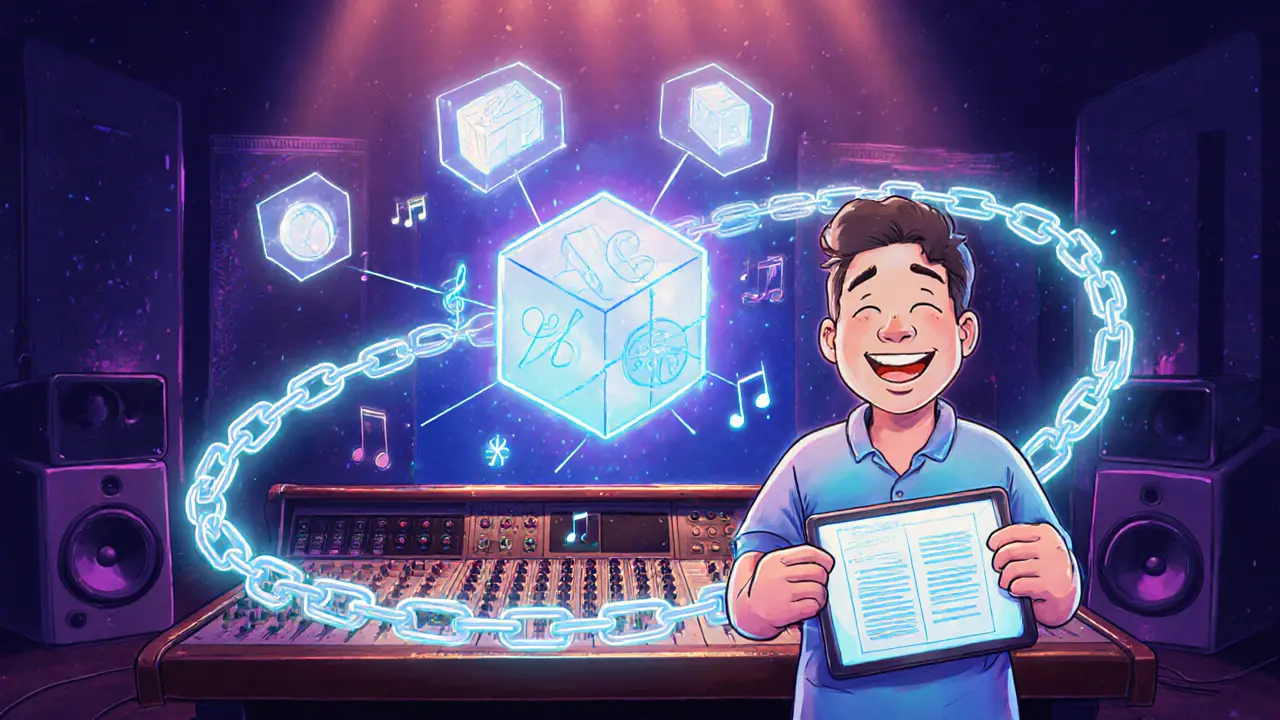
Explore how blockchain reshapes music rights, from smart contracts and instant royalties to NFTs, while covering real‑world pilots, challenges, and future trends.