Explore the PorkSwap (PSWAP) airdrop details, tokenomics, and current market status. Learn why PSWAP has zero trading volume and what this means for DeFi investors.
When working with DeFi, a blockchain‑based financial layer that removes banks and brokers. Also known as Decentralized Finance, it lets users lend, borrow, trade, and earn without a middleman. The space is built on several key pillars. First, decentralized exchanges, or DEXes, provide on‑chain swap services where anyone can trade tokens directly from their wallet. Second, liquidity provision, the act of supplying assets to a pool so trades can happen smoothly, comes in flavors like single‑sided and dual‑sided models. Third, crypto airdrops, free token distributions that reward community participation and project engagement, add an extra incentive layer. Together these elements create a self‑sustaining financial ecosystem.
DeFi isn’t just hype; it’s a set of concrete tools that anyone with an internet connection can use. A DEX such as the Solana‑based Meteora DAMM v2 applies a dynamic fee model, meaning the cost to trade shifts with market depth, which helps protect traders during volatile swings. On Arbitrum, platforms like Camelot and Ramses showcase how tokenomics—supply schedules, fee rebates, and governance tokens—can directly shape user incentives and protocol security. Understanding the difference between single‑sided and dual‑sided liquidity helps you pick the right risk‑return profile: single‑sided pools reduce impermanent loss, while dual‑sided pools often deliver higher yields but require balanced capital. Meanwhile, airdrop programs like the ROSX (Roseon Finance) drop illustrate how project teams use token grants to bootstrap user bases and generate on‑chain activity.
Below you’ll find deep‑dive reviews of emerging DEXes, side‑by‑side liquidity comparisons, and step‑by‑step airdrop guides. Each article breaks down the technical specs, fee structures, and real‑world performance so you can decide which tool fits your trading style. Whether you’re hunting the next high‑yield pool, testing a new Solana swap, or preparing for a token giveaway, the posts here give you the context and actionable steps you need to navigate the DeFi landscape with confidence.
Explore the PorkSwap (PSWAP) airdrop details, tokenomics, and current market status. Learn why PSWAP has zero trading volume and what this means for DeFi investors.

Explore Juice Finance (JUICE), a cross-margin DeFi protocol on Blast L2 offering 3x leverage for yield farming. Learn how it works, tokenomics, and how to distinguish it from Solana meme coins.

Discover what Overnight DAI+ is, how its daily rebase mechanism generates 8-12% APY, and the risks involved in this yield-bearing stablecoin on Optimism and Arbitrum.

Discover what Metaverse Index (MVI) is, how its unique weighting works, and whether it's a viable DeFi investment in 2026. Learn about Index Coop, tokenomics, and current market conditions.

Explore the LaunchZone (LZ) NFT Unit Farm airdrop details. Learn about the $LZ token, potential participation strategies, and risks associated with this emerging DeFi opportunity.

A detailed 2026 review of WOOFi crypto exchange. We analyze its cross-chain capabilities, low fees, sPMM technology, and compare it to Uniswap to help you decide if it's right for your DeFi trading.
A detailed review of HyperSwap v2, analyzing its cross-chain performance, fees, security risks, and comparison with other DEXs like Uniswap and THORChain.
Aster crypto exchange review: We analyze the multi-chain DEX, ASTER tokenomics, and compare it to Hyperliquid. Find out if Aster's pro-tools and yield-collateral features are worth the risk.
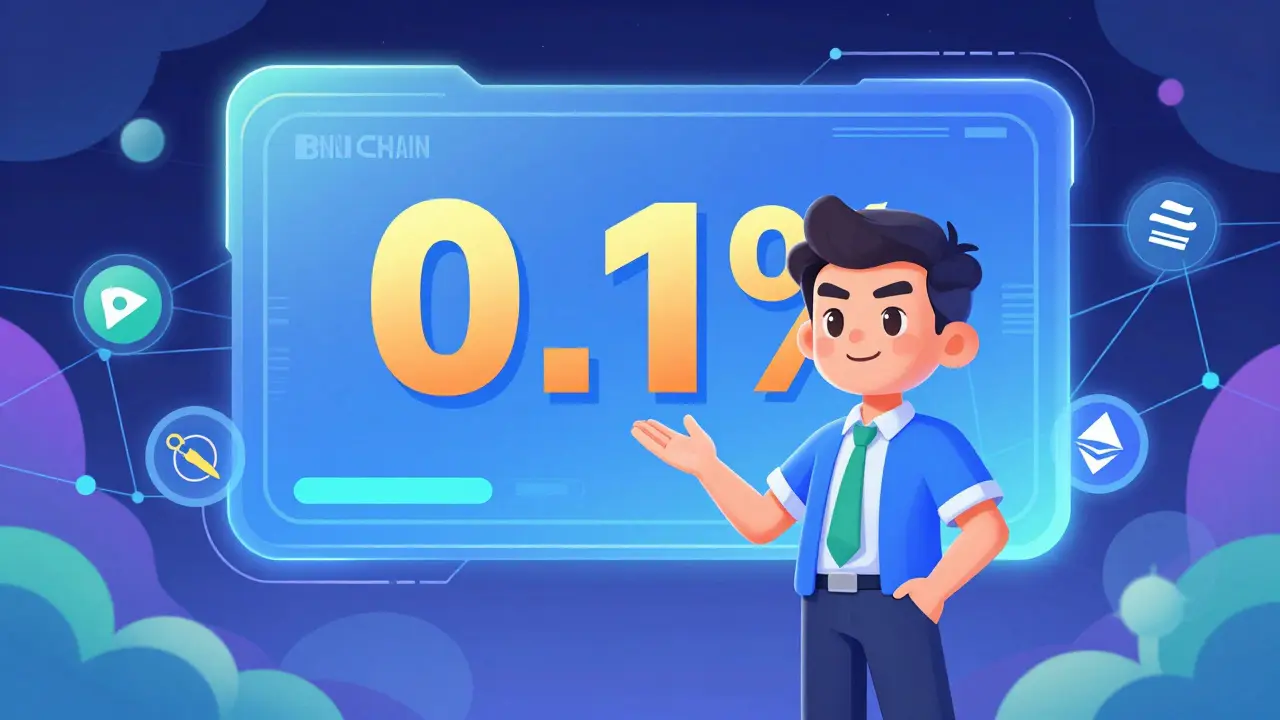
A detailed review of Biswap V3 in 2026, analyzing its 0.1% trading fees, multichain support, and BSW tokenomics. We weigh the benefits of low costs against the risks of an anonymous team and high token emissions.
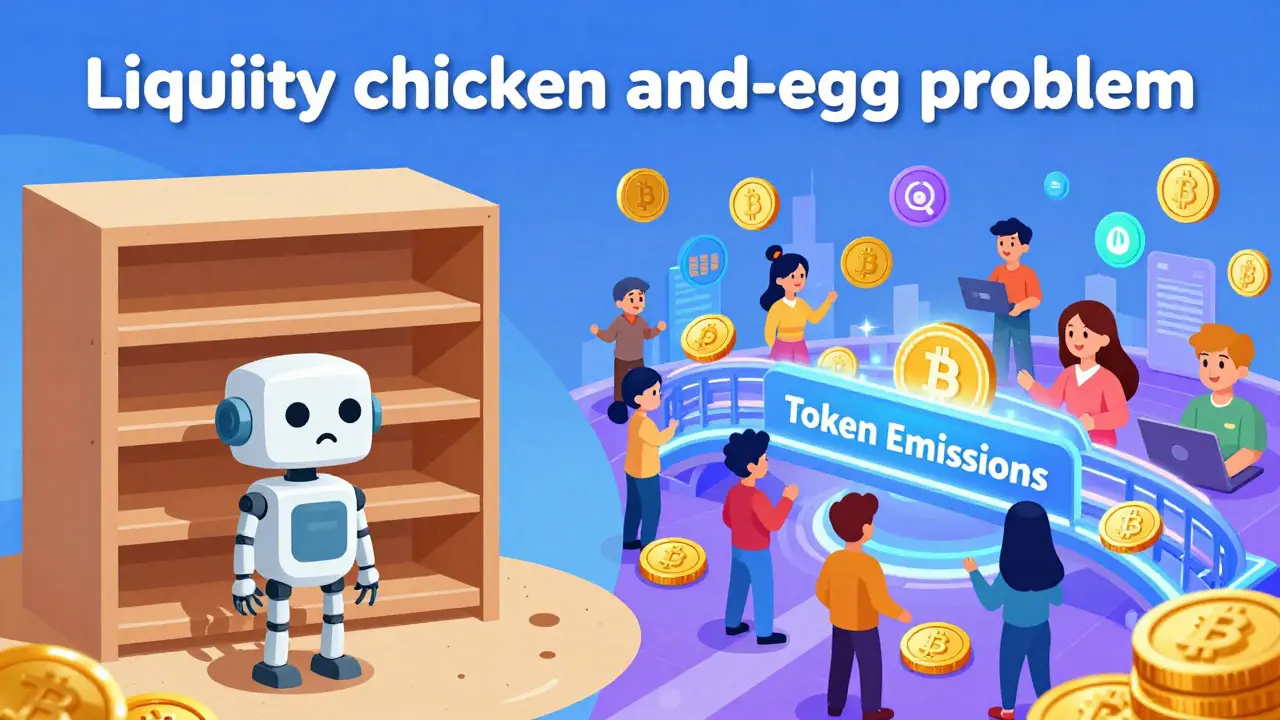
Explore how liquidity mining token emissions work in 2026 DeFi. Learn about impermanent loss, veTokenomics, and how to spot sustainable yields vs. dangerous death spirals.
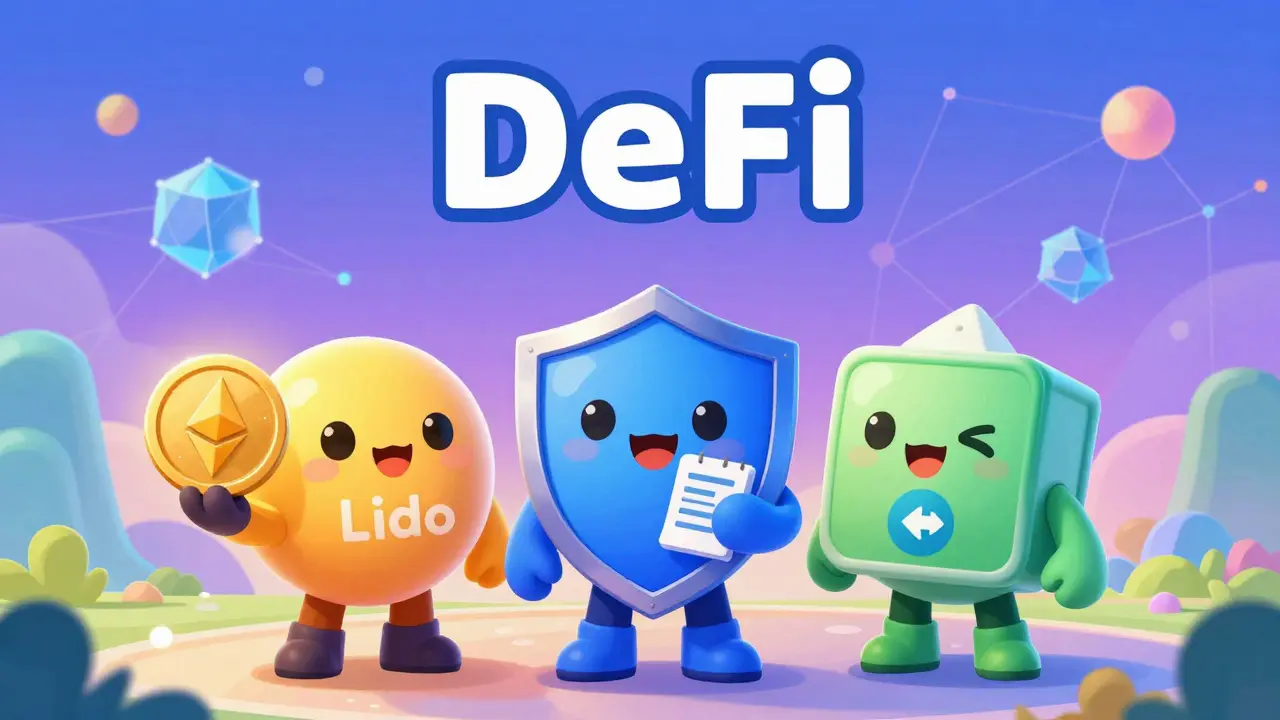
Explore the top DeFi platforms in 2026, including Lido, Aave, and Uniswap. Compare features, risks, and TVL to choose the right decentralized finance ecosystem for your goals.
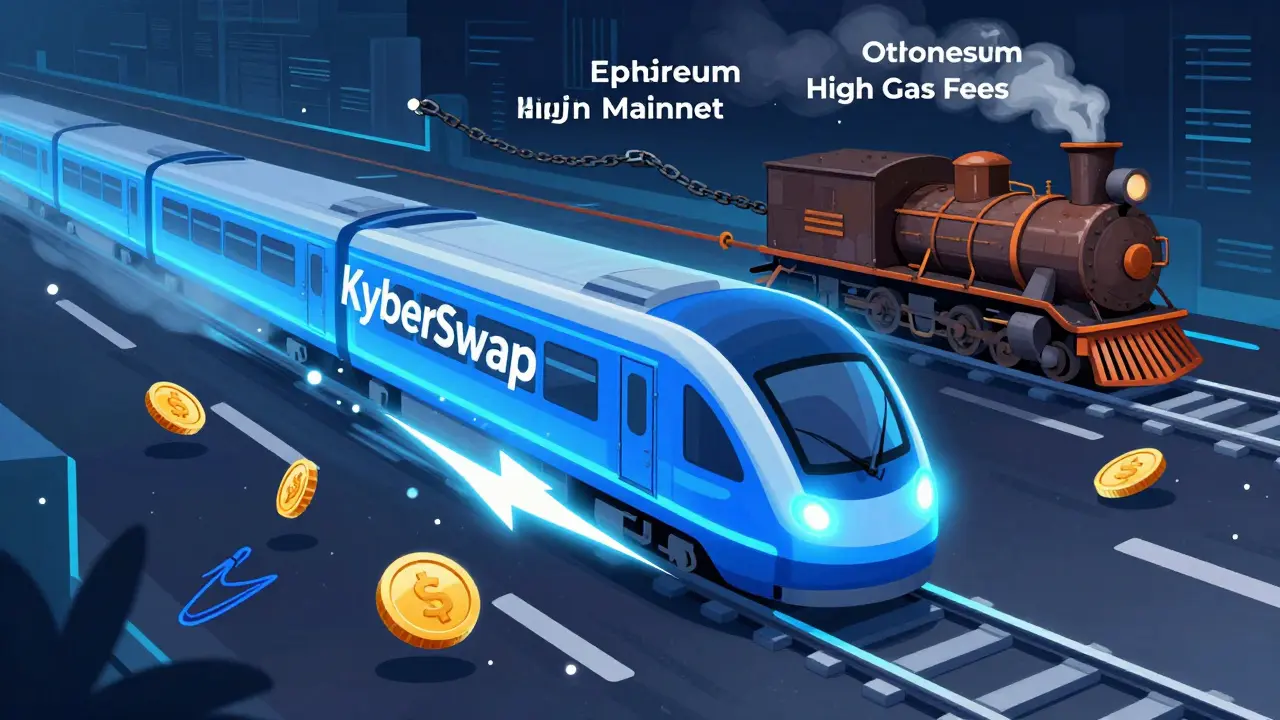
A detailed review of KyberSwap Elastic on Optimism. We analyze its auto-compounding liquidity, dynamic fees, and how it compares to Uniswap for traders and providers.