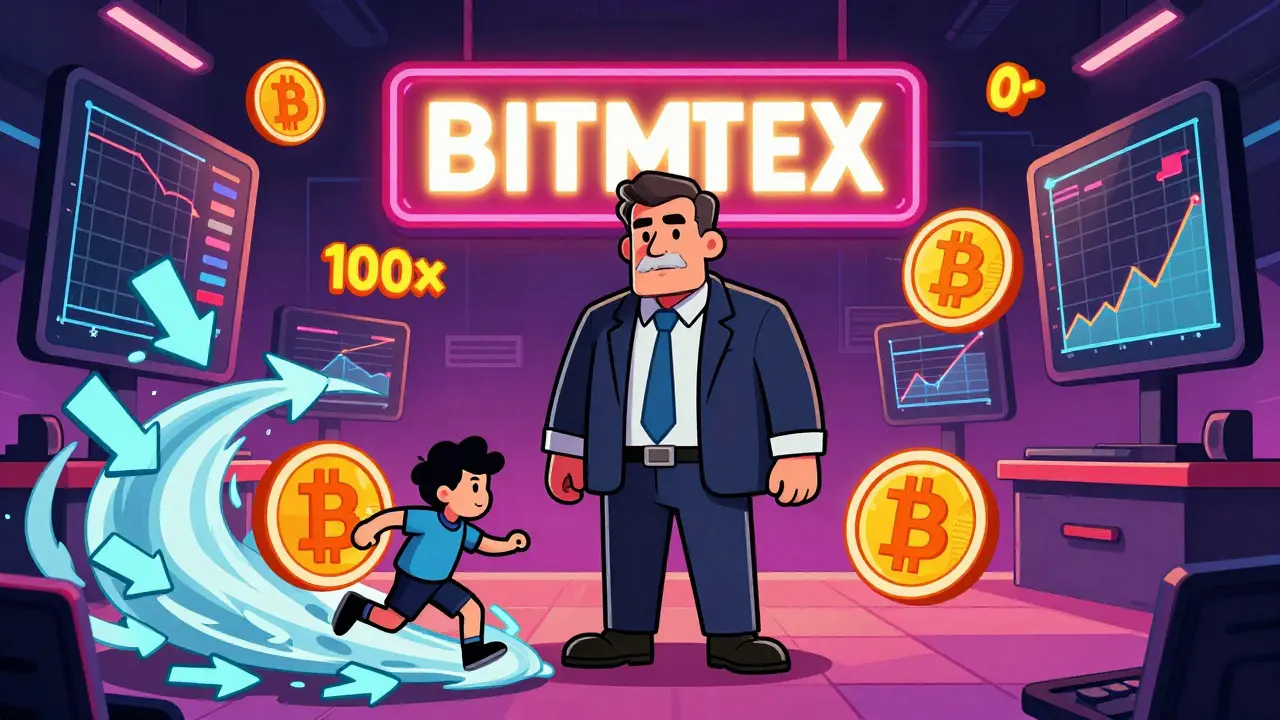
BitMEX is a top-tier crypto derivatives exchange offering 100x leverage, deep liquidity, and institutional-grade tools. Perfect for experienced traders, but too complex for beginners. Learn its pros, cons, and whether it's right for you in 2025.
When working with crypto derivatives, financial contracts that derive value from underlying cryptocurrencies. Also known as digital futures and options, they let traders speculate, hedge, or manage exposure without owning the base asset.
Futures are agreements to buy or sell a crypto at a set price on a future date. Options grant the right, but not the obligation, to execute a trade at a predetermined strike. Perpetual swaps blend futures mechanics with an open‑ended timeline, using funding rates to keep prices close to spot markets. These three sub‑products crypto derivatives encompass leverage, margin requirements, and risk management tools that shape trader behavior. In practice, a trader might open a leveraged futures position on Bitpanda Broker, rely on the dynamic fee model of Meteora DAMM v2 for liquidity, or use a dual‑sided pool on a Solana DEX to reduce slippage. Understanding how exchanges enforce margin calls, calculate funding fees, and protect against double‑spending attacks is crucial; the security measures described in reviews of Paro Exchange or Camelot DEX illustrate the real‑world impact of these mechanisms.
The appeal of crypto derivatives lies in their ability to amplify market exposure while preserving capital. Margin trading lets you control a larger position with a fraction of the total value, but it also raises the stakes—liquidation thresholds and funding rates become daily concerns. Perpetual swaps, popular on platforms like Binance or KuCoin, often offer near‑zero expiry, meaning traders can hold positions indefinitely, adjusting exposure as market sentiment shifts. Options provide a strategic layer: buying a call can cap upside risk, while selling a put can generate income in sideways markets. Each instrument interacts with on‑chain metrics—volume, open interest, and liquidation data—offering analysts a deeper view of market health beyond spot price alone.
When you scan our post collection, you’ll see practical guides on exchange fees, liquidity models, and security protocols—all essential knowledge for navigating derivatives. Whether you’re eyeing a stablecoin‑based futures contract, a DeFi synthetic asset on a DEX, or a traditional centralized futures product, the articles below break down fees, risk controls, and real‑world use cases. Dive in to learn how to assess swap funding, pick the right margin level, and avoid common pitfalls like over‑leverage or hidden fee structures.
Ready to see how these concepts play out across real platforms? Browse the curated list of guides and reviews that walk you through everything from exchange security to liquidity strategies—your roadmap to mastering crypto derivatives starts here.
BitMEX is a top-tier crypto derivatives exchange offering 100x leverage, deep liquidity, and institutional-grade tools. Perfect for experienced traders, but too complex for beginners. Learn its pros, cons, and whether it's right for you in 2025.
A deep dive into Bitnomial, the first CFTC‑regulated U.S. crypto derivatives exchange, covering licenses, product suite, margin collateral, tech, and who should trade there.