SOHO19 Crypto District

Proof of Work: How It Secures Crypto Networks

When talking about proof of work, a consensus method that requires participants to solve complex puzzles to add blocks. Also known as PoW, it powers Bitcoin and many other blockchains. The core idea is simple: miners compete, the winner gets to write the next block and earn rewards. Mining, the process of using computational power to solve those puzzles is the engine behind PoW, turning raw electricity into network security.

Why Mining and Block Rewards Matter

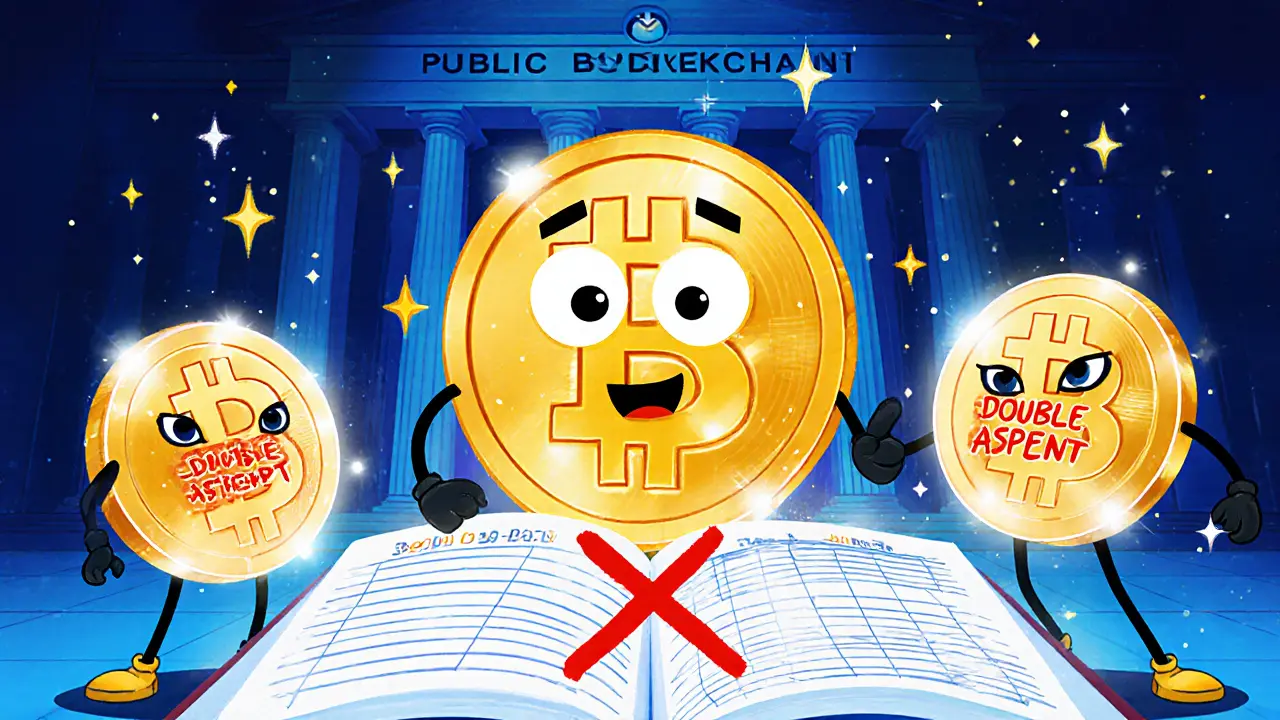
Bitcoin, the first and most prominent PoW blockchain illustrates the model perfectly. Every time a miner finds a valid hash, the network issues a block reward, a fresh batch of BTC, plus any transaction fees collected. This reward system creates a direct financial incentive, ensuring participants keep the network alive. Over time, the reward halves – the famous Bitcoin halving – which tightens supply and often triggers market cycles. Meanwhile, the heavy hashing work makes it practically impossible for anyone to rewrite history, stopping double‑spending attacks before they happen.

The security of PoW goes beyond rewards. It ties into the broader blockchain consensus, the set of rules that all nodes follow to agree on the state of the ledger. By requiring massive computational effort, the consensus becomes resistant to tampering: an attacker would need more than 50% of the network’s total hash power, a feat that’s economically prohibitive for large networks like Bitcoin. This relationship—proof of work → mining → consensus—forms the backbone of decentralized trust. It also influences transaction fees; as block space fills up, fees rise, further rewarding miners and reinforcing security.

Understanding these pieces helps you see why PoW remains a cornerstone of crypto infrastructure, even as new models emerge. Below you’ll find deep dives into airdrops, exchange reviews, and practical guides that all intersect with proof of work concepts, giving you actionable insights for trading, investing, and building on secure blockchain foundations.

How Bitcoin Prevents Double-Spending: A Simple Guide
  • 13 Mar 2025
  • Elara Crowthorne
  • 19

How Bitcoin Prevents Double-Spending: A Simple Guide

Learn how Bitcoin uses blockchain, proof‑of‑work, and transaction confirmations to stop double‑spending, and see why its security beats traditional payment systems.

View More
Proof of Stake vs Proof of Work: Which Resists 51% Attacks Better?
  • 2 Dec 2024
  • Elara Crowthorne
  • 16

Proof of Stake vs Proof of Work: Which Resists 51% Attacks Better?

Explore how Proof of Work and Proof of Stake defend against 51% attacks, compare costs, real‑world cases, and future hybrid solutions.

View More

Popular Categories

  • Cryptocurrency Guides (35)
  • Cryptocurrency (29)
  • Cryptocurrency Trading (14)
  • DeFi (8)
  • Blockchain (7)

Latest News

Key Benefits of Wrapped Assets in DeFi (2025 Guide)

Key Benefits of Wrapped Assets in DeFi (2025 Guide)

23/Oct/2025
Stop-Loss vs Trailing Stop: Which Order Protects Your Trades Better?

Stop-Loss vs Trailing Stop: Which Order Protects Your Trades Better?

24/Sep/2025
Thailand Crypto Tax 2025: 15% Withholding vs 5‑Year Exemption

Thailand Crypto Tax 2025: 15% Withholding vs 5‑Year Exemption

22/Oct/2025
Crypto Gift and Inheritance Reporting: 2025 Compliance Checklist

Crypto Gift and Inheritance Reporting: 2025 Compliance Checklist

23/Feb/2025
SedraCoin (SDR) Explained: How the Crypto Works, Supply & Ecosystem

SedraCoin (SDR) Explained: How the Crypto Works, Supply & Ecosystem

13/Jan/2025

Popular Tags

cryptocurrency blockchain Bitcoin crypto exchange review ERC-20 DeFi crypto exchange Binance Smart Chain AI blockchain trading fees crypto airdrop guide how to claim airdrop DYOR token cryptocurrency research tokenized Bitcoin meme coin crypto airdrop 2025 Proof of Stake Proof of Work cryptocurrency exchange security
SOHO19 Crypto District

About

Cryptocurrency Guides, Blockchain

Menu

  • About Us
  • Terms of Service
  • Privacy Policy
  • CCPA
  • Contact Us
© 2025. All rights reserved.