
Discover how Ethereum's sharding implementation evolved from 64 separate chains to Danksharding. Learn why the pivot to Layer-2 scaling improves security and lowers fees.

When working with Blockchain, a distributed ledger that records transactions in linked, tamper‑evident blocks. Also known as distributed ledger technology, it powers everything from crypto coins to supply‑chain tracking. This intro will walk you through the main ideas that tie the articles below together.
One of the core strengths of Immutability, the guarantee that once data is written it cannot be altered without network consensus is that it makes fraud extremely costly. Cryptographic hashing ties each new block to the previous one, creating a chain where changing a single record would break the whole structure. Blockchain therefore encompasses immutability, which in turn enables transparent audits, reliable provenance, and trust‑less verification across industries.
Another pillar is the consensus method that decides which blocks get added. Proof of Stake, a protocol where validators lock up tokens to earn the right to propose new blocks improves security against 51% attacks by making it economically prohibitive to control the majority of staking power. In contrast, Proof of Work requires massive computation, which drives energy use and hardware arms races. Understanding how these mechanisms compare helps you gauge risk, cost, and scalability for any project.
Beyond pure security, Digital Ownership, the ability to claim, transfer, and monetize assets via tokens and smart contracts reshapes how creators and consumers interact. NFTs, for example, embed ownership rights directly on the ledger, letting artists receive royalties instantly whenever their work changes hands. This concept also extends to music rights, where smart contracts can split streaming revenue among contributors without a middleman. When Blockchain enables digital ownership, it opens up new business models in gaming, art, and media.
All of these ideas—immutability, consensus, tokenized ownership—interlock to form a versatile ecosystem. Whether you’re curious about how a blockchain keeps data permanent, how staking protects a network, or how a musician can claim royalties automatically, the guides below break each topic down into plain steps and real‑world examples. Dive in to see the technical details, practical use cases, and future trends that matter right now.
Below you’ll find in‑depth articles that explore each of these areas, from a technical deep‑dive on immutability to real‑world pilots for music rights management. Keep reading to discover actionable insights and start applying blockchain concepts to your own projects.
Discover how Ethereum's sharding implementation evolved from 64 separate chains to Danksharding. Learn why the pivot to Layer-2 scaling improves security and lowers fees.

Discover how real estate tokenization boosts liquidity, cuts costs, and lowers investment barriers. Learn about the tech, risks, and practical steps to start.
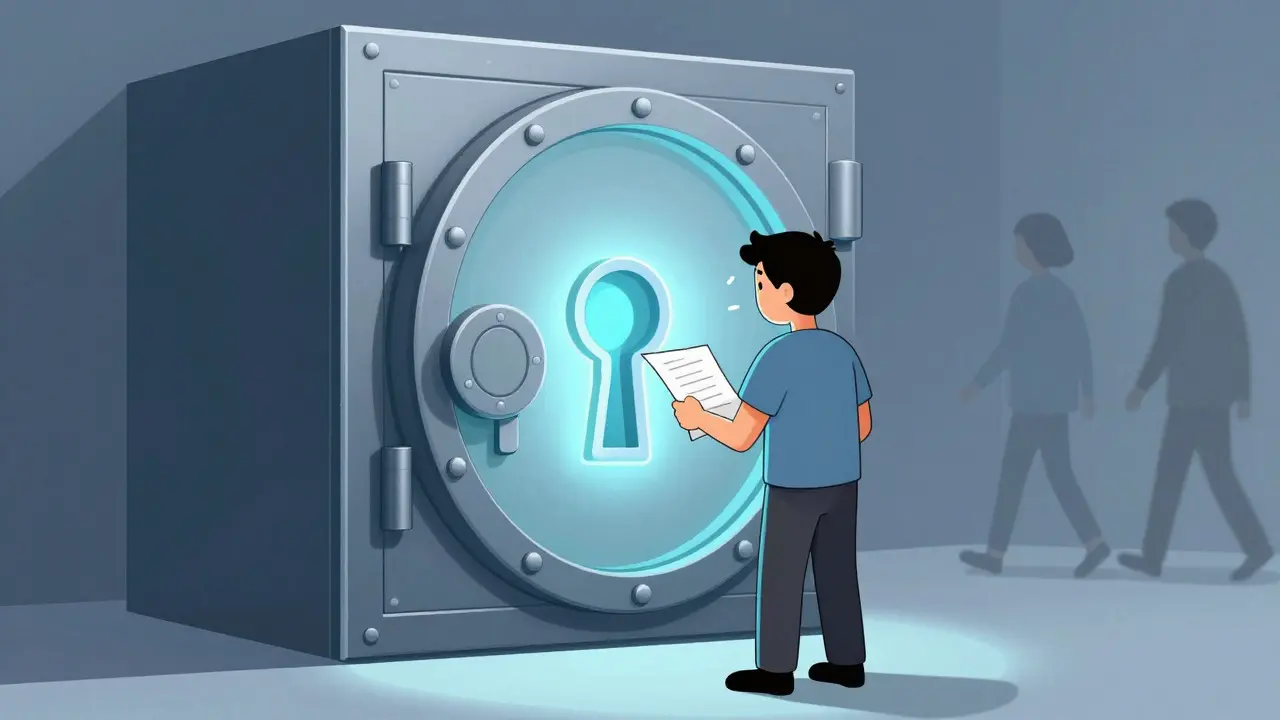
Discover how social recovery with account abstraction eliminates the fear of lost seed phrases. Learn how ERC-4337 enables secure, human-friendly wallet recovery.
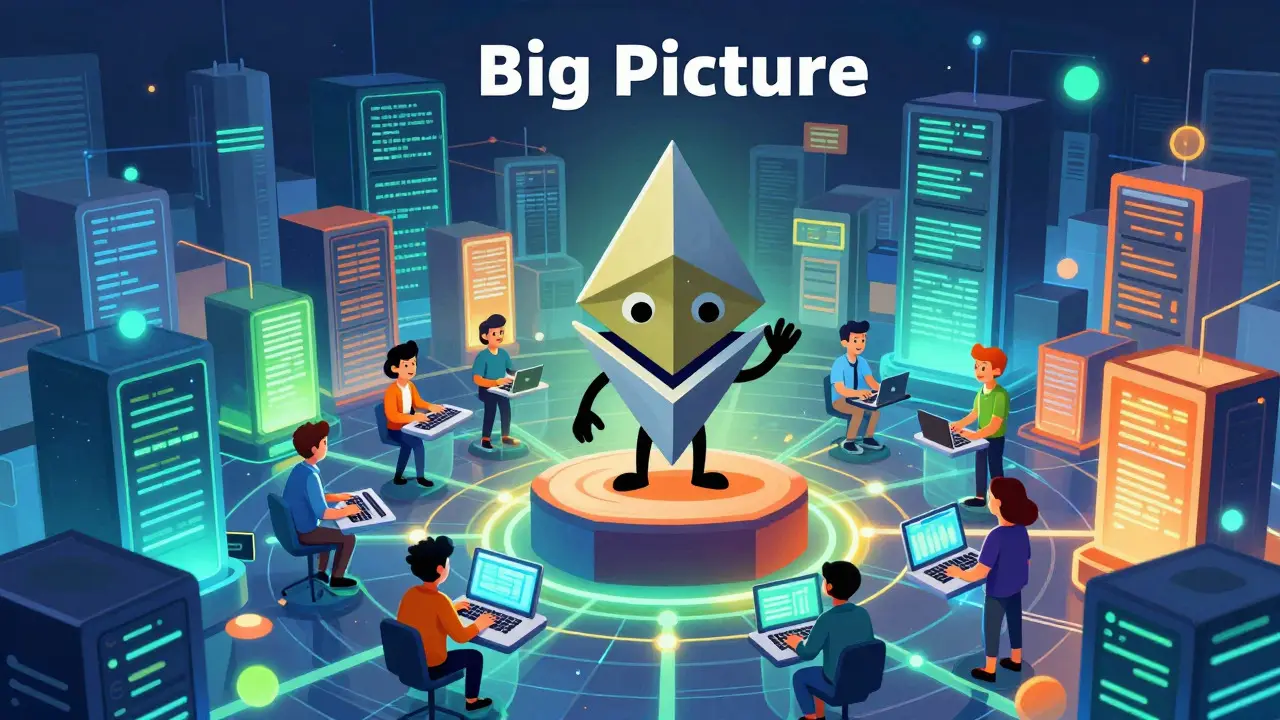
Analyze the latest trends in crypto developer activity. We break down data from Ethereum, BNB Chain, and Cosmos to show which ecosystems are truly growing and why.

Understand how ICO vesting schedules work, including cliff periods, linear releases, and their impact on token price. Learn what to look for in team allocations and smart contract execution.
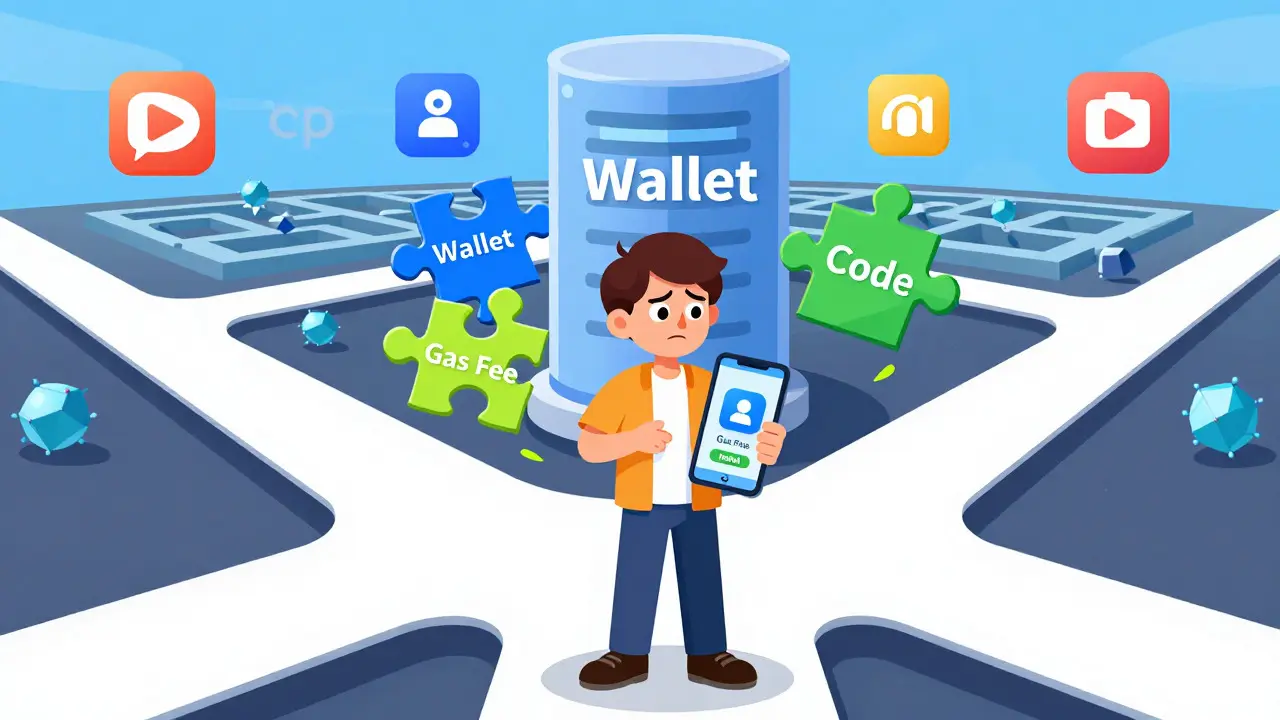
Learn how to find and use dApps safely in 2026. Discover top directories, essential wallet setup, step-by-step usage guides, and security tips for navigating decentralized applications.

Discover how smart contracts automate property sales, cutting costs by 50% and closing times by 30%. Learn about benefits, challenges, and future trends like tokenization.

Explore how blockchain technology transforms medical records by enhancing security, interoperability, and patient control. Learn about real-world benefits, challenges like HIPAA compliance, and future trends in healthcare data management.
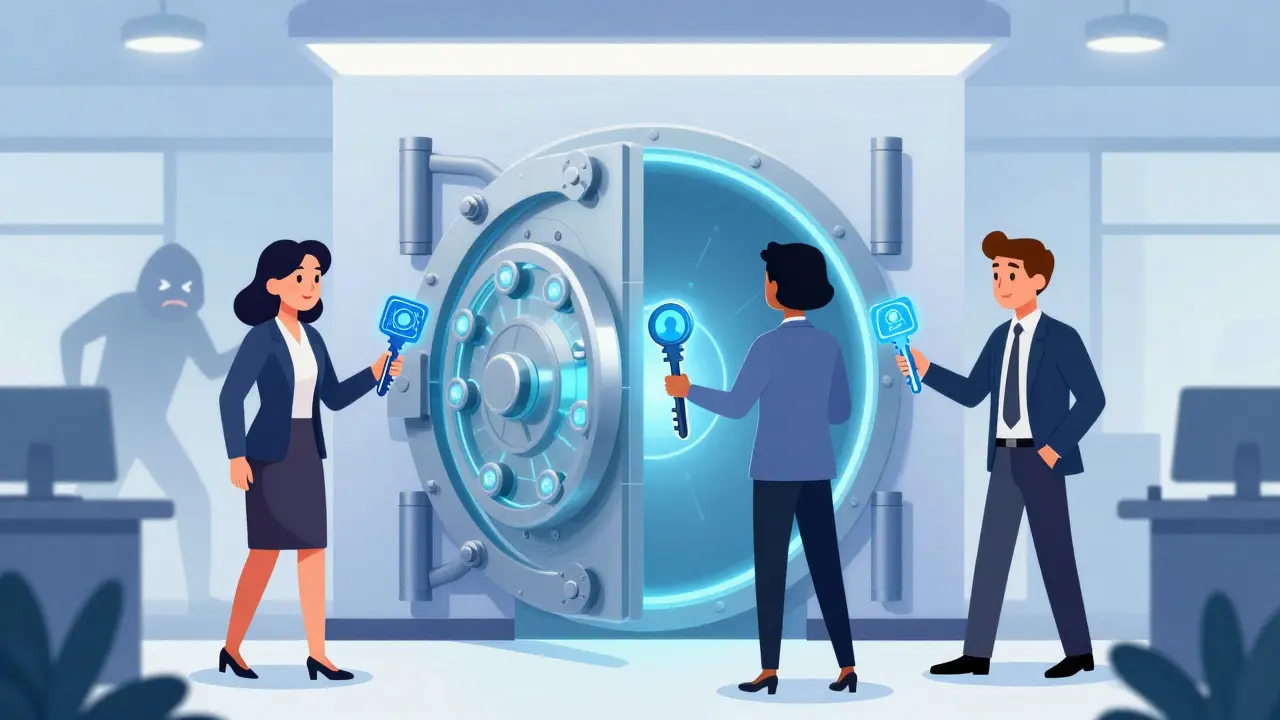
Discover how multisig wallets secure business crypto assets. Learn about 2-of-3 vs 3-of-5 setups, compliance benefits, and real-world use cases for treasuries and payroll.

Discover how tokenized real estate lowers entry barriers, boosts liquidity, and cuts costs using blockchain. Learn key benefits, risks, and steps to start investing in digital property assets today.

Explore the major challenges in the creator economy, including platform dependency and monetization issues, and discover how blockchain technology offers solutions for ownership and stability.
Explore how blockchain is revolutionizing government digital identity. Learn about DIDs, verifiable credentials, and real-world cases like Estonia and eIDAS 2.0.