- 8 Apr 2026
- Elara Crowthorne
- 14
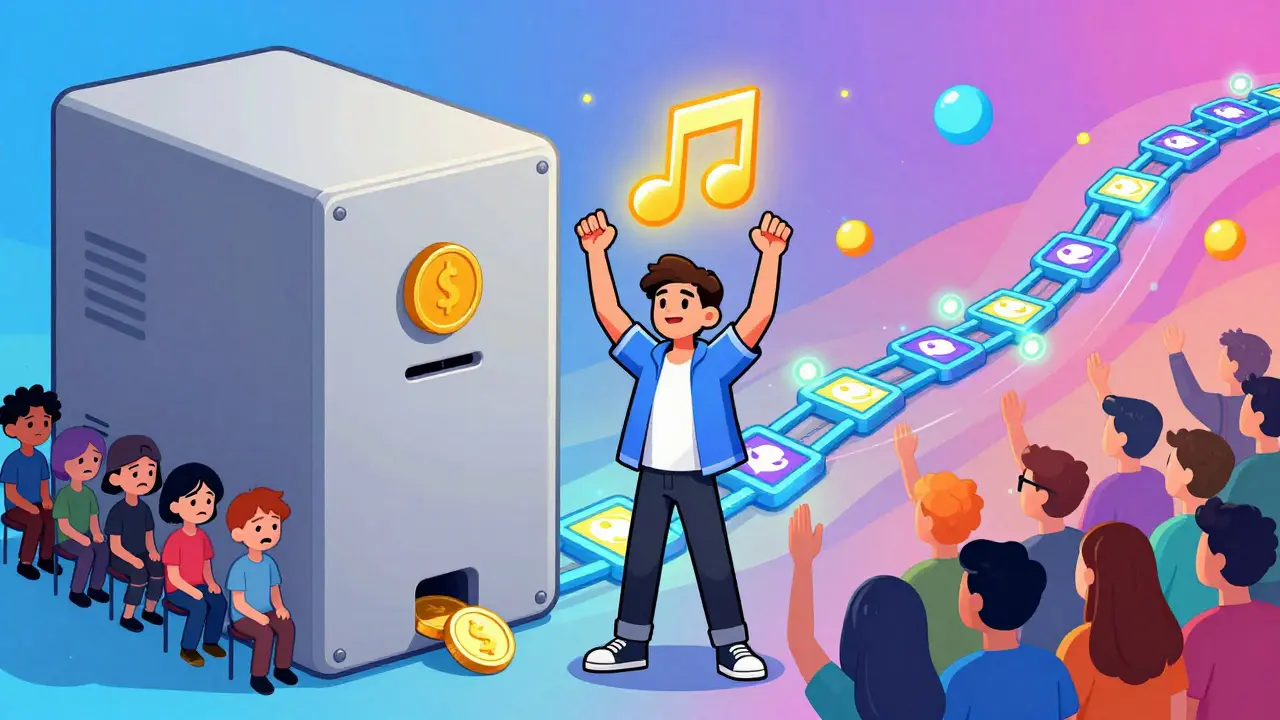
Forget the idea that NFTs are just overpriced JPEGs of monkeys. For musicians, the real game isn't about digital art; it's about owning the pipes that deliver the music and the money. While the early hype was driven by speculators, a new wave of music nft success stories shows that when artists focus on community and real utility, they can make more from a few hundred superfans than they ever did from millions of Spotify streams.
The math is simple but shocking. Traditional streaming often leaves artists with pennies per play, while labels take a massive cut. By using blockchain, creators can capture 80% to 95% of their revenue. But how do they actually do it without alienating their fans? Let's look at the strategies that actually worked and the platforms making it possible.
The Blueprint for a Successful Music NFT Drop
The projects that survived the 2022-2023 market correction all had one thing in common: they didn't treat the NFT as a one-time payday. According to research from the University of Southern California's Blockchain Center, artists who earned over $50,000 from these ventures spent nearly 40% more time managing their communities than they did on marketing. If you just "drop and leave," your token value will likely crash.
Success usually follows a specific pattern. It starts with a small, dedicated group of collectors, followed by "utility"-which is just a fancy word for perks. These perks could be anything from a lifetime backstage pass to a percentage of the song's future royalties. When the token provides a bridge to a real-world experience, the value stays stable.
Case Studies: Who Got It Right?
One of the most influential examples is 3LAU. Instead of just selling a file, he focused on utility-driven experiences. At one point, 73% of his revenue came from the perks attached to the NFTs rather than the initial sale. For instance, some collectors received custom songs tailored specifically for them, turning a digital asset into a lifelong emotional connection.
Then there's the legendary Nas, who used Royal a platform allowing fans to purchase fractional ownership of music royalties to change the game. He sold 10,000 NFTs that gave fans a share in the royalties of his track 'Montero'. This turned listeners into investors, giving them a financial stake in the song's success. It’s a complete flip of the traditional music industry power dynamic.
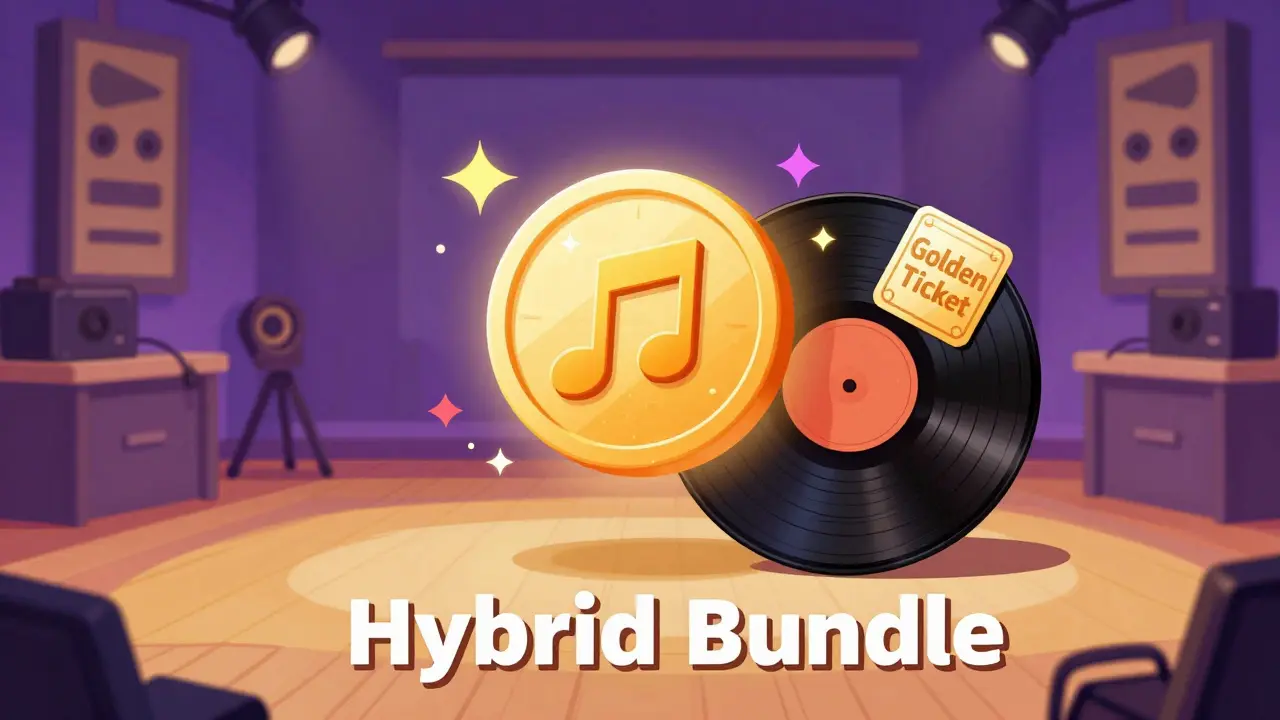
Kings of Leon took a hybrid approach with their album 'When You See Yourself'. They didn't just stay digital; they bundled the NFTs with limited edition vinyl and "Golden Tickets" for concert perks. This mix of physical and digital goods led to retention rates 3.2 times higher than projects that were 100% digital. It proves that fans still love things they can actually touch.
Where to Launch: Choosing Your Platform
Not all marketplaces are created equal. Depending on whether you want to sell a rare collectible, a royalty share, or a ticket, your choice of platform changes everything. Most projects rely on the Ethereum the primary blockchain network for smart contracts and NFTs network, though many are moving to Polygon a layer-2 scaling solution for Ethereum that reduces gas fees to avoid the dreaded high transaction costs.
| Platform | Best For... | Key Feature | Artist Revenue Share |
|---|---|---|---|
| Sound.xyz | Superfans & Drops | Token-gated experiences | ~95% |
| Royal | Royalty Sharing | Fractional ownership | Variable |
| OpenSea | General Reach | Massive user base | Market-based |
The Technical Side: Making it Work
If you're an artist looking to get started, you can't just upload an MP3 and hope for the best. You need a strategy for storage and distribution. Most professional drops use IPFS the InterPlanetary File System, a peer-to-peer network for storing and sharing data to ensure the audio files aren't just sitting on a central server that could go offline.
You'll also need a digital wallet, typically MetaMask a software cryptocurrency wallet used to interact with the Ethereum blockchain, to manage your funds and mint your tokens. The technical setup usually takes 8 to 12 weeks of prep. This includes auditing your Smart Contracts self-executing contracts with the terms of the agreement directly written into code to make sure no one can steal your funds or glitch the minting process.

Common Pitfalls and Why Some Projects Fail
For every success story, there's a cautionary tale. Many artists fell into the "cash-out" trap. For example, EDM producer Blanke raised $450,000 in 2022 but failed to deliver on the utility promises. When only 3 out of 12 promised features were released, the token price plummeted by 97%. This is the fastest way to kill your reputation with your fanbase.
Another common mistake is ignoring the "gas fee" volatility. In the peak of the craze, sending a transaction on Ethereum could cost $150. If a fan has to pay $100 in fees to buy a $20 NFT, they're going to leave. This is why the shift toward layer-2 solutions like Polygon is so critical-it makes the entry point affordable for regular people, not just crypto whales.
What's Next for Music and Blockchain?
We are moving away from the "collectible" phase and into the "experience" phase. We're seeing the rise of "experience tokens"-NFTs that act as a dynamic key. Imagine a ticket that evolves based on how many of the artist's songs you've listened to, or an NFT that grants you voting rights on which city the artist should visit next on tour.
The integration of AI is also playing a role. Projects like Holly Herndon's PROTO are exploring AI-generated personalized music NFTs, where the art and the audio evolve. With giants like Spotify and Apple Music starting to experiment with NFT integration, the bridge between the "crypto world" and the "music world" is finally being built.
Do I need to be a tech expert to launch a music NFT?
No, but you do need basic knowledge of digital wallets and how blockchain works. Most artists use platforms like Sound.xyz or Royal, which handle the complex coding for you. However, spending a few weeks learning about smart contracts and IPFS is highly recommended to avoid costly mistakes.
Is it legal to sell royalties through NFTs?
It's a gray area. The SEC has suggested that if an NFT promises a profit share, it might be classified as a security. This means platforms like Royal have to be very careful with how they structure their offerings to comply with financial regulations. Always consult a legal expert if you're offering financial returns to fans.
How do music NFTs actually make more money than Spotify?
Streaming services pay fractions of a cent per play and often take a huge cut for labels and distributors. NFTs allow artists to sell directly to their top 1% of fans at a premium price. Selling 100 NFTs for $100 each earns an artist $10,000 instantly, whereas getting that same amount from streaming would require millions of plays.
What happens if the NFT marketplace goes out of business?
If the music is stored on a decentralized system like IPFS, the file still exists on the network even if the website disappears. The token remains in your digital wallet. However, the "utility" (like a backstage pass) depends on the artist's willingness to honor the token, regardless of which platform it was bought on.
What is the best way to build a community for an NFT drop?
Discord is the gold standard. Successful artists maintain active servers with weekly AMAs, exclusive sneak peeks of tracks, and dedicated support channels. The goal is to make the collectors feel like "insiders" rather than just customers.

14 Comments
This is a solid breakdown of the current Web3 landscape for creators! The shift toward Layer-2 solutions like Polygon is absolutely critical for onboarding non-crypto natives because nobody wants to burn $100 on gas just to support an indie artist. If you're looking at the technical stack, definitely check out how IPFS prevents link rot, which is a massive pain point for early NFT projects. Keep pushing the boundaries on utility-driven assets!
it is just typical optimism ignoring the fact that the liquidity in these niche markets is practically non existent and most of these success stories are just survivorship bias where one person makes a killing and ten thousand others lose their shirts because the underlying asset has zero intrinsic value and the community management mentioned is basically just a full time job of babysitting speculators who will dump the moment the hype cycle peaks
Typical corporate talk. Most of these platforms are just new ways for middlemen to skim off the top while pretending to be decentralized. I've seen a dozen 'revolutionary' platforms pop up and disappear in a week. The only thing that actually works is if the artist has a real following already, otherwise you're just selling air to other suckers!
The 'utility' argument is so quaint 🙄. Imagine thinking that a digital token for a backstage pass is a paradigm shift and not just a glorified coupon. It's all very pedestrian really. 💅
Oh wow, another way for artists to work 40% harder just to manage a Discord server instead of actually writing music. Truly a dream come true for everyone involved!
The SEC is merely the tip of the iceberg. This entire digital ledger system is a trap designed to monitor every single transaction of the populace under the guise of artist empowerment. Do not trust the smart contracts as they are governed by entities with agendas that supersede national sovereignty. Wake up.
Bro this is the future!! 🚀 Just imagine owning a piece of your fav song and making money while u sleep 💸 those gas fees on eth are bad but polygon is the way 💎🙌 let's gooo!
totally agree with the vibe here 🎵 blockchain is just a tool to help the real ones get paid 🙌✨
just keep in mind that for most small artists the technical hurdle is still pretty high even with these platforms so maybe take it slow and just try a few limited drops first to see if the fans are actually into it
It's interesting to think about how the definition of ownership is evolving in the digital age, moving from a simple act of consumption to a form of shared stewardship between the creator and the listener. If we can move past the greed and the speculative bubbles, there is a beautiful philosophical possibility here where art becomes a living bridge of mutual support and spiritual connection rather than just another commodity on a shelf.
Focus on the community first. Tech is secondary.
it feels nice to see artists finally getting some power back from the big labels who have exploited people for decades
I concur with the points made regarding the efficiency of fractional ownership, especially as it pertains to the democratization of music investments!!! It is a most welcome development for the industry!!!
I really appreciate how the post highlights the importance of physical goods alongside digital tokens because as someone who still loves the feel of a vinyl record in their hands, the hybrid approach seems much more sustainable and inclusive for fans who aren't necessarily tech-savvy or interested in the volatility of crypto markets but still want to support the artists they love in a meaningful way.