

- 6 Aug 2026
- Elara Crowthorne
- 0
Imagine buying a house without waiting weeks for lawyers to check paperwork, without paying hefty fees to escrow agents, and without worrying that the seller might double-spend your money. That is the promise of smart contracts in property sales. These are not just digital versions of paper agreements; they are self-executing codes living on a blockchain that automatically transfer ownership once payment is verified.
The real estate industry has been slow to change. It relies heavily on intermediaries-agents, notaries, title companies-who add layers of cost and time to every transaction. According to recent data, while smart contracts can cut transaction costs by up to 50% and reduce closing times by 30%, only a small fraction of deals actually use this technology. In fact, 83% of property deals still fail to implement these tools, highlighting a massive gap between potential efficiency and current practice. This article breaks down how smart contracts work for property sales, why they matter, and what you need to know before jumping in.
How Smart Contracts Work in Real Estate
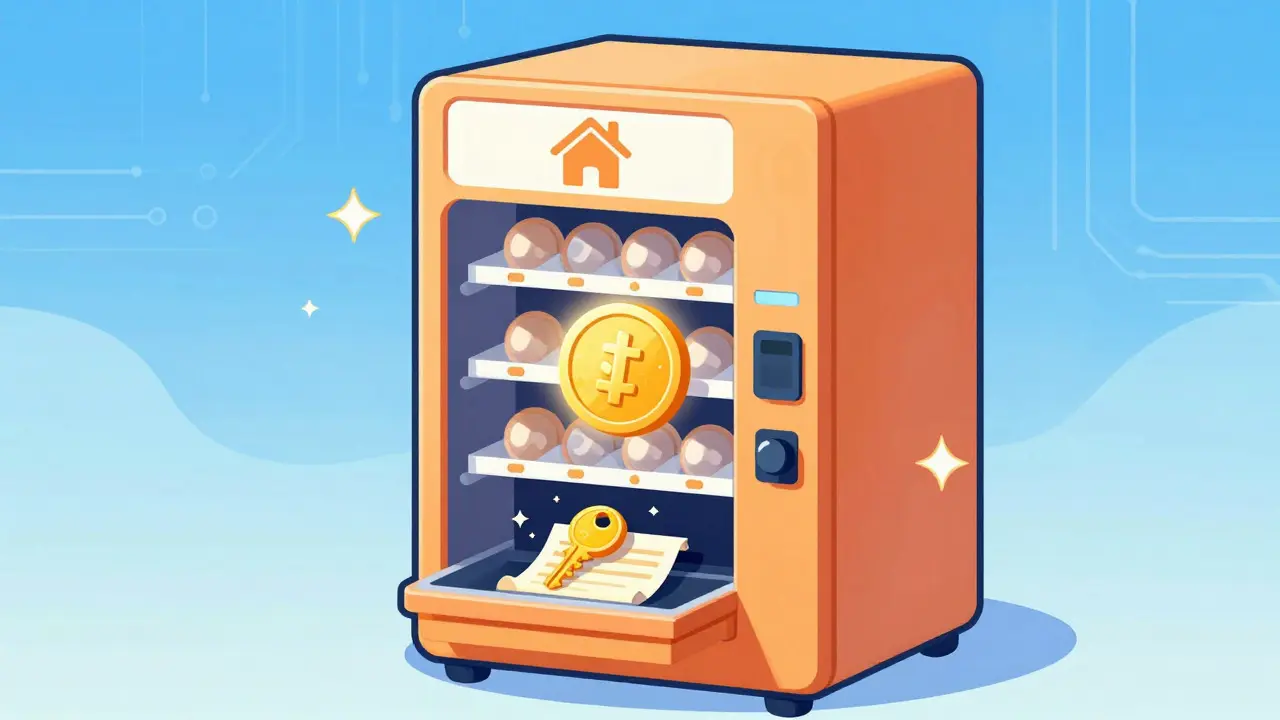
To understand smart contracts, you first need to grasp their basic structure. A smart contract is a computer program stored on a blockchain that automatically executes actions when specific conditions are met. Think of it like a vending machine. You put in money (condition), and if the machine has the item, it dispenses it (action). No cashier is needed.
In property sales, this process involves several key components:
- Digital Identity: The property gets a unique digital record on the blockchain, storing verified details like location, size, and legal description.
- Contract Parameters: Terms such as purchase price, payment schedules, and contingencies are written into code.
- Multi-Party Authentication: Digital signatures allow buyers, sellers, and lenders to verify each step securely.
- Automated Execution: When the buyer sends the funds, the contract checks if all conditions are met. If yes, it instantly updates the property title in the digital ledger.
This automation removes the need for manual intervention. Once deployed, the contract cannot be altered, ensuring transparency and immutability. Every detail is encoded in the blockchain, accessible to all parties involved, which reduces misunderstandings and fraud.
Benefits Over Traditional Methods
Traditional property sales involve mountains of paperwork, lengthy approval processes, and numerous intermediaries. Each intermediary adds time, cost, and potential for error. Smart contracts address these pain points directly.
| Feature | Traditional Method | Smart Contract Method |
|---|---|---|
| Closing Time | 30-60 days | Minutes to hours |
| Transaction Costs | High (agent fees, escrow, legal) | Low (network gas fees only) |
| Transparency | Limited (private records) | Full (public blockchain ledger) |
| Error Risk | High (manual entry errors) | Low (automated execution) |
| Intermediaries | Many (lawyers, notaries, agents) | Few or none |
The most significant advantage is cost reduction. By removing intermediaries, smart contracts eliminate the fees associated with brokers, notaries, and legal advisors. Additionally, the automated nature of these contracts reduces the risk of human error. Since the code executes exactly as written, there is no ambiguity about who owns what after the transaction.
Transparency is another major benefit. In traditional deals, records are often siloed within different agencies. With blockchain, every transaction is recorded on a public ledger. Anyone can view the history of the property, including previous owners and any liens, creating an indisputable record of ownership.
Challenges and Limitations
Despite the clear benefits, smart contracts are not a silver bullet. Several challenges hinder widespread adoption.
Legal Recognition: One of the biggest hurdles is regulatory acceptance. In many jurisdictions, digital contracts lack full legal recognition. Courts may struggle to enforce smart contracts if disputes arise, especially if the code contains bugs or ambiguities. Until laws catch up with technology, many buyers and sellers remain hesitant.
Complexity and Learning Curve: Implementing smart contracts requires technical expertise. Real estate professionals need training in blockchain concepts and contract coding principles. For average users, understanding how to interact with a decentralized application (dApp) can be daunting. The irreversible nature of blockchain transactions also raises concerns; if you send money to the wrong address, it’s gone forever.
Handling Complex Scenarios: Smart contracts excel at straightforward transactions but struggle with complex legal scenarios requiring human judgment. For example, negotiating repairs after a home inspection or handling emotional disputes between family members in an inheritance sale is difficult to automate. Current systems often include fail-safes and error-handling mechanisms, but they cannot replace nuanced human decision-making entirely.
Implementation Steps for Buyers and Sellers
If you are considering using a smart contract for a property sale, here is a simplified guide to the process:
- Agree on Terms: Both parties must agree on the transaction terms, including price, payment schedule, and contingencies.
- Encode the Contract: A developer or specialized platform converts these terms into code. This step requires precision to avoid bugs.
- Deploy on Blockchain: The contract is deployed on a blockchain network like Ethereum or Polygon. This ensures transparency and immutability.
- Verify Conditions: The system verifies external conditions, such as property inspections or mortgage approvals, through oracles (trusted data feeds).
- Execute Transaction: The buyer transfers funds to the smart contract. Once verified, the contract automatically updates the property title.
Organizations implementing this technology need expertise in blockchain programming languages like Solidity and real estate law. For individuals, user-friendly platforms are emerging that abstract away the technical complexity, allowing non-tech users to participate.
Future Trends: Tokenization and Fractional Ownership
One of the most exciting developments in this space is real estate tokenization, which is the conversion of physical property rights into digital tokens on a blockchain. This allows for fractional ownership, where multiple people can own shares of a property.
Imagine buying 1% of a commercial building instead of purchasing the whole thing. Smart contracts handle the distribution of profits automatically based on share percentages. This democratizes real estate investment, opening markets to smaller investors who previously couldn’t afford high-value properties. It also increases liquidity, as tokens can be bought and sold on secondary markets much faster than traditional real estate.
Rental agreements are also benefiting from this automation. Smart contracts can handle automatic rent collection, security deposit management, and lease enforcement. If a tenant pays late, the contract can automatically apply penalties. If they leave early, the deposit is released according to predefined rules. This reduces administrative burdens for landlords and provides clarity for tenants.

Security Considerations
Security is paramount when dealing with high-value assets like real estate. Smart contracts employ multiple encryption layers and secure key management systems to protect against vulnerabilities. However, they are not immune to risks.
Code Audits: Regular security audits are essential to identify potential weaknesses in the contract’s code. Bugs in smart contracts have led to millions of dollars in losses in other sectors, so due diligence is critical.
Key Management: Users must safeguard their private keys. If you lose your key, you lose access to your assets. Hardware wallets and multi-signature wallets offer additional protection by requiring multiple approvals for transactions.
Oracle Reliability: Smart contracts rely on oracles to fetch external data, such as property values or inspection results. If an oracle provides incorrect data, the contract will execute incorrectly. Choosing reputable oracle providers is crucial.
Conclusion
Smart contracts are poised to revolutionize property sales by offering speed, cost savings, and transparency. While challenges like legal recognition and technical complexity remain, the trend toward automation is undeniable. As regulatory frameworks mature and user interfaces improve, we can expect wider adoption across the real estate industry. For now, early adopters stand to gain significant advantages, but caution and thorough research are advised.