SOHO19 Crypto District

Crypto Penalties: Fees, Fines, and Network Safeguards

When dealing with crypto penalties, the rules and costs that keep blockchain systems honest and regulators happy. Also known as crypto sanctions or crypto deterrents, they show up as extra fees, locked funds, or legal consequences that push participants toward safer behavior.

One of the biggest double-spending, an attempt to reuse the same cryptocurrency unit in two transactions is a direct threat to trust. Networks counter it with penalties like longer confirmation times or outright rejection, which effectively raise the cost of cheating. Transaction fees, the little amounts paid to miners or validators for processing a transaction act as a financial deterrent; when fees rise, malicious actors face higher expenses before they can try a double‑spend. Then there’s slashing, the loss of staked tokens for validators that break protocol rules on proof‑of‑stake chains. Slashing turns misbehavior into an immediate loss, reinforcing network security. Finally, regulatory compliance, the set of legal requirements like KYC, AML, and reporting standards brings government‑imposed penalties—fines, account freezes, or bans—for non‑compliant platforms and users.

These entities stitch together a web of incentives. Crypto penalties encompass transaction fees that fund miners, double‑spending safeguards that protect immutability, slashing that secures proof‑of‑stake consensus, and regulatory fines that push exchanges toward proper KYC. For example, an exchange that skips AML checks may face a hefty fine, which in turn forces it to tighten onboarding, reducing the risk of illicit transfers that could trigger network‑level penalties. At the protocol level, block rewards versus transaction fees debate (see our "Block Reward vs Transaction Fees" guide) shows how networks shift from rewarding miners to relying on fees, effectively turning fees into a penalty for low‑quality traffic. Meanwhile, a recent airdrop scam highlighted how careless token distributions can attract regulatory scrutiny, leading to penalties that scare off future airdrop projects.

Understanding these penalties helps you navigate the space smarter. If you’re eyeing a new DeFi token, check the slashing rules—high slashing rates might mean volatile rewards. When trading on a centralized exchange, look at their compliance record; a platform with past fines may have tighter security but also higher verification hurdles. And if you’re just sending crypto across borders, remember that transaction fees can double as a penalty for spam transactions, so batching or using layer‑2 solutions can save you money.

What You’ll Find Below

Below is a curated collection of articles that dive deeper into each of these penalty types. We cover how exchanges prevent double‑spending, the role of block rewards versus fees, real‑world examples of regulatory fines, and practical guides on avoiding airdrop scams. Use these resources to see how penalties shape the market, protect your assets, and influence the next wave of crypto innovation.

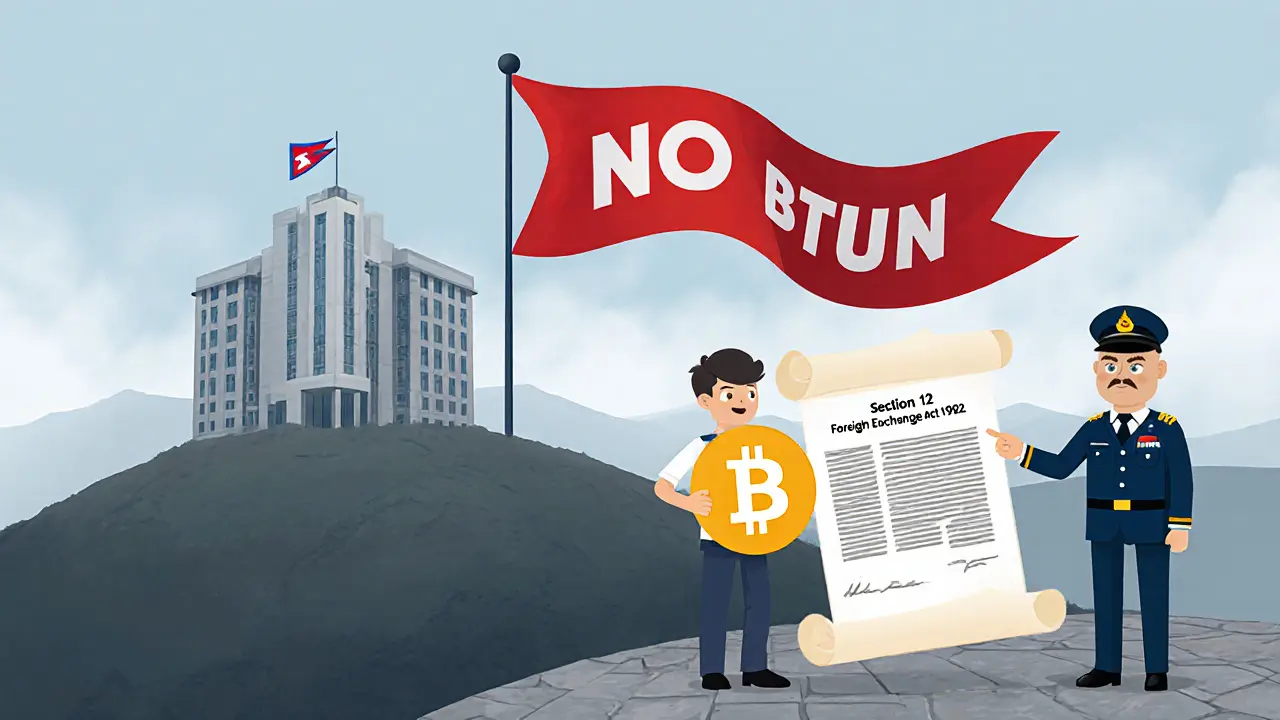
Understanding Nepal’s Cryptocurrency Ban Under the 1962 Foreign Exchange Act
  • 19 Oct 2025
  • Elara Crowthorne
  • 16

Understanding Nepal’s Cryptocurrency Ban Under the 1962 Foreign Exchange Act

A detailed look at Nepal's strict cryptocurrency ban, its legal basis under the 1962 Foreign Exchange Act, penalties, enforcement challenges, and future outlook.

View More

Popular Categories

  • Cryptocurrency Guides (159)
  • Cryptocurrency (56)
  • Cryptocurrency Trading (45)
  • Blockchain (33)
  • DeFi (32)

Latest News

Dogelon Mars (ELON) Airdrop Guide: How to Participate and Avoid Scams

Dogelon Mars (ELON) Airdrop Guide: How to Participate and Avoid Scams

23/May/2026
Bitcoin Adoption in Venezuela Amid Economic Crisis: How Crypto Became a Lifeline

Bitcoin Adoption in Venezuela Amid Economic Crisis: How Crypto Became a Lifeline

9/Feb/2026
What is Zeta (ZEX) Crypto Coin? A Practical Guide to Solana’s Derivatives Trading Token

What is Zeta (ZEX) Crypto Coin? A Practical Guide to Solana’s Derivatives Trading Token

14/Nov/2025
HM Treasury Crypto Policy and Regulations: What You Need to Know in 2026

HM Treasury Crypto Policy and Regulations: What You Need to Know in 2026

25/Jan/2026
Fraxswap (Polygon) Review: Is This DEX Worth Your Trade?

Fraxswap (Polygon) Review: Is This DEX Worth Your Trade?

27/Apr/2026

Popular Tags

cryptocurrency decentralized exchange crypto exchange Binance Smart Chain crypto exchange review blockchain crypto airdrop guide DeFi smart contracts CoinMarketCap airdrop Proof of Work blockchain gaming crypto exchange safety Bitcoin AI blockchain ERC-20 meme coin Proof of Stake blockchain security crypto derivatives
SOHO19 Crypto District

About

Cryptocurrency

Menu

  • About Us
  • Terms of Service
  • Privacy Policy
  • CCPA
  • Contact Us
© 2026. All rights reserved.