SOHO19 Crypto District

Cryptocurrency Sanctions: What They Are, Who Gets Hit, and How It Affects You

When the U.S. government targets a crypto tool like Tornado Cash, a decentralized privacy protocol that mixed cryptocurrency transactions. Also known as crypto mixer, it was sanctioned in 2022 for helping launder over $7 billion—including funds stolen by North Korean hackers. This wasn’t just a warning. It was a turning point. For the first time, a piece of open-source code was declared illegal. Not a company. Not a person. A smart contract. And it changed everything about how crypto users think about privacy, compliance, and risk.

Cryptocurrency sanctions don’t just target shady mixers. They ripple through exchanges, wallets, and even individual wallets that interact with blacklisted addresses. The OFAC, the U.S. Treasury’s Office of Foreign Assets Control, which maintains the list of sanctioned entities and addresses now includes hundreds of crypto addresses tied to ransomware gangs, darknet markets, and state-sponsored actors. If your wallet receives even a penny from one of those addresses—even if you didn’t know it—you could be flagged. Banks and exchanges scan every transaction. Some freeze accounts. Others report users to authorities. And while you might think, "I’m just a regular trader," the rules don’t care. They care about the path the money took.

The FinCEN, the Financial Crimes Enforcement Network, which enforces anti-money laundering rules for crypto businesses in the U.S. requires exchanges to register, track users, and report suspicious activity. That means if you’re using a platform that doesn’t follow these rules, you’re not just risking your funds—you could be pulled into an investigation. Countries like Nigeria, South Korea, and Turkey are following suit, building their own compliance frameworks. It’s not about stopping crypto. It’s about controlling it. And if you’re trading, staking, or holding tokens, you’re part of that system now.

What does this mean for you? If you’ve ever used a mixer, swapped coins on a non-KYC DEX, or received tokens from an unknown source, you need to know your exposure. You can’t avoid blockchain transparency. But you can avoid the traps. That’s why the posts here cover real cases: how Chivo Wallet failed because of regulatory blind spots, how Bifrost’s airdrop stayed legal by working with licensed exchanges, and why platforms like CRXzone and FEX are too risky to touch. You’ll see how VASP licensing in Nigeria forces businesses to prove they’re not laundering money—and how a single transaction with a blacklisted address can cost you everything. This isn’t theory. It’s practice. And if you want to trade safely, you need to understand the rules before you break them.

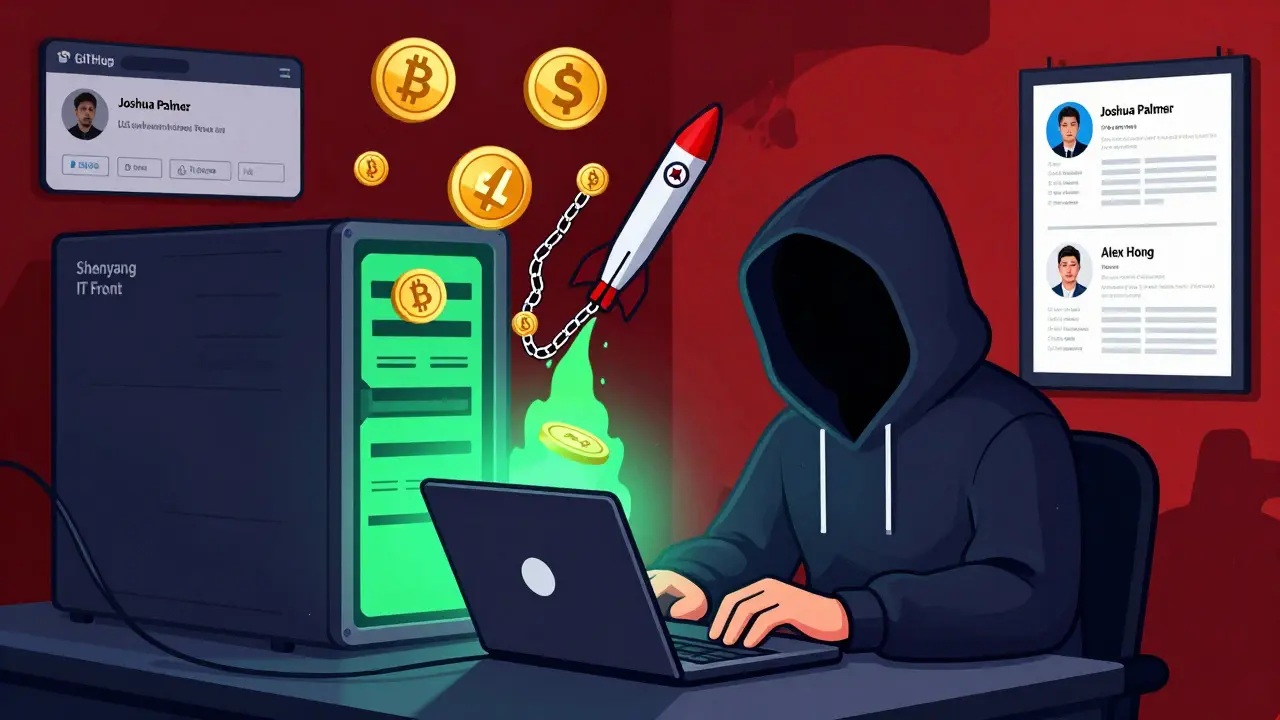
OFAC Sanctions on North Korean Crypto Networks: How the U.S. Is Targeting $2.1 Billion in Stolen Crypto
  • 9 Dec 2025
  • Elara Crowthorne
  • 25

OFAC Sanctions on North Korean Crypto Networks: How the U.S. Is Targeting $2.1 Billion in Stolen Crypto

OFAC has targeted North Korean crypto networks responsible for stealing over $2.1 billion in 2025, using fake IT workers and global laundering rings to fund weapons programs. Here's how the U.S. is fighting back.

View More

Popular Categories

  • Cryptocurrency Guides (68)
  • Cryptocurrency (48)
  • Cryptocurrency Trading (27)
  • DeFi (15)
  • Blockchain (14)

Latest News

What is Skrumble Network (SKM) Crypto Coin? A Realistic Look at the Decentralized Communication Project

What is Skrumble Network (SKM) Crypto Coin? A Realistic Look at the Decentralized Communication Project

29/Jan/2026
Paymium Crypto Exchange Review: Best for Regulated EUR Trading, Not Altcoins

Paymium Crypto Exchange Review: Best for Regulated EUR Trading, Not Altcoins

15/Dec/2025
Thailand Crypto Tax 2025: 15% Withholding vs 5‑Year Exemption

Thailand Crypto Tax 2025: 15% Withholding vs 5‑Year Exemption

22/Oct/2025
Crust Shadow (CSM) Airdrop Details, Eligibility, and Token Outlook

Crust Shadow (CSM) Airdrop Details, Eligibility, and Token Outlook

5/Mar/2025
Crypto Money Laundering Penalties: Up to 20 Years in Prison

Crypto Money Laundering Penalties: Up to 20 Years in Prison

20/Oct/2025

Popular Tags

cryptocurrency crypto exchange review crypto exchange blockchain DeFi CoinMarketCap airdrop decentralized exchange Bitcoin ERC-20 smart contracts crypto derivatives Binance Smart Chain AI blockchain Solana meme coin trading fees crypto airdrop guide how to claim airdrop DYOR token cryptocurrency research tokenized Bitcoin
SOHO19 Crypto District

About

Cryptocurrency

Menu

  • About Us
  • Terms of Service
  • Privacy Policy
  • CCPA
  • Contact Us
© 2026. All rights reserved.