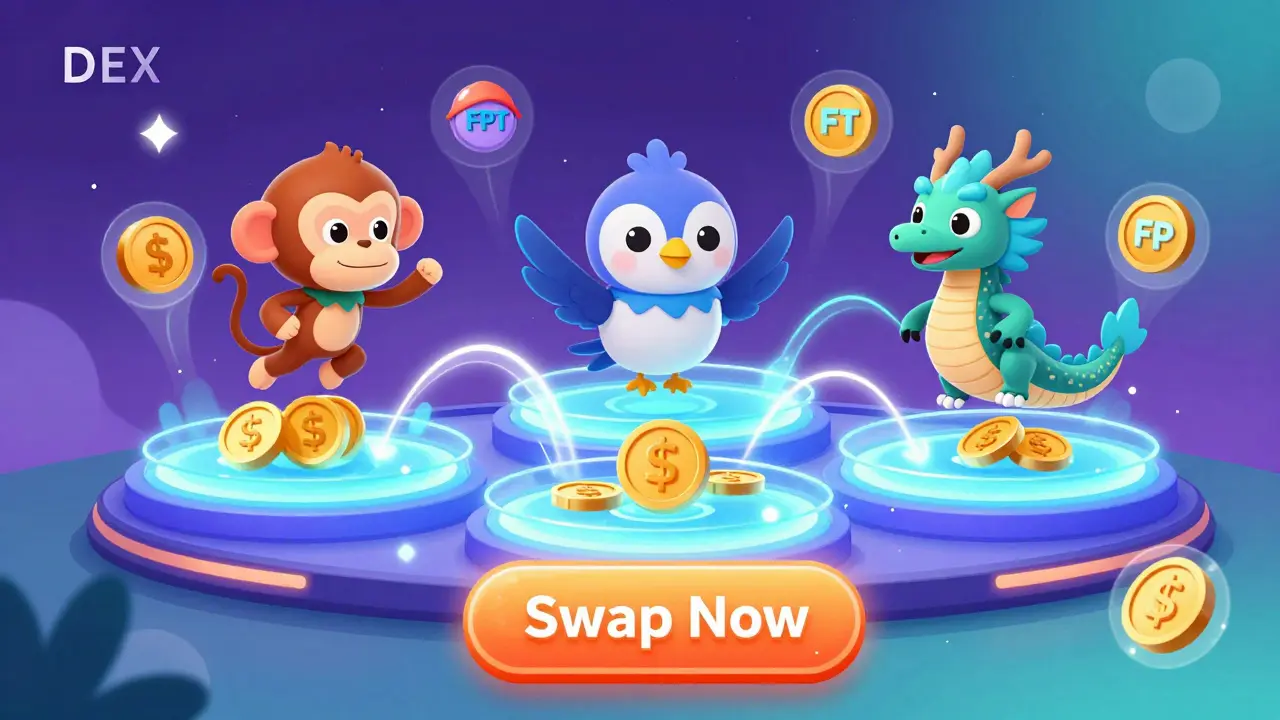
FlameSwap is a specialized NFT-focused DEX on the Sui Network, offering unique Proof of Time rewards and native NFT liquidity pools. Learn how it compares to Uniswap and PancakeSwap, its risks, and who should use it in 2025.
When you trade NFT exchange, a platform where unique digital assets like art, virtual land, and collectibles are bought and sold using cryptocurrency. Also known as NFT marketplace, it’s not just a store—it’s a live auction house, a gallery, and a trading floor all rolled into one. Unlike regular crypto exchanges that deal in coins like Bitcoin or Ethereum, an NFT exchange handles one-of-a-kind tokens backed by blockchain proof of ownership. You’re not buying a divisible asset—you’re buying a digital deed to something no one else has.
That’s why the right NFT trading, the act of buying and selling non-fungible tokens on a dedicated platform. Also known as digital asset trading, it requires more than just a wallet. You need liquidity, clear fees, and security that actually works. Platforms like OpenSea and Blur dominate because they let you list, bid, and swap NFTs fast—with real volume behind every trade. But not all NFT exchanges are built the same. Some charge high gas fees, others lock your assets in risky smart contracts, and a few are just fronts for scams. The best ones give you control: no KYC if you don’t want it, low trading fees, and real-time price data tied to actual sales—not fake hype.
And it’s not just about art. NFTs now include virtual real estate in Decentraland, wearable skins in The Sandbox, and even in-game items from play-to-earn titles like EpicHero 3D NFTs. Some exchanges specialize in gaming NFTs, others in generative art or music. The tools matter too—whether you’re using MetaMask, Coinbase Wallet, or a hardware device, your wallet needs to connect cleanly. And don’t forget the hidden costs: minting fees, withdrawal charges, and gas spikes during peak hours can eat into your profits faster than you think.
That’s why the crypto exchange, a platform where users trade cryptocurrencies and sometimes NFTs. Also known as digital asset platform, it’s often confused with an NFT exchange. isn’t always the answer. A standard crypto exchange like Kraken or Bybit lets you buy ETH or SOL, but won’t let you trade your Bored Ape for a CryptoPunk. You need a dedicated NFT exchange for that. And while some platforms like Blur and LooksRare focus on high-volume traders, others like Foundation or SuperRare cater to artists and collectors who care more about curation than speed.
What you’ll find below are real reviews of platforms that actually work in 2025. No fluff. No paid promotions. Just straight talk on which NFT exchanges have real buyers, which ones hide fees, and which ones you should avoid entirely. You’ll see how GMX and Position Exchange tie into NFT trading through token rewards, how some platforms let you earn by staking NFTs, and why some so-called "NFT marketplaces" are just empty shells. Whether you’re selling your first pixel art or flipping rare virtual land, this collection gives you the facts to trade smarter—and stay safe.
FlameSwap is a specialized NFT-focused DEX on the Sui Network, offering unique Proof of Time rewards and native NFT liquidity pools. Learn how it compares to Uniswap and PancakeSwap, its risks, and who should use it in 2025.