
- 30 Sep 2026
- Elara Crowthorne
- 0
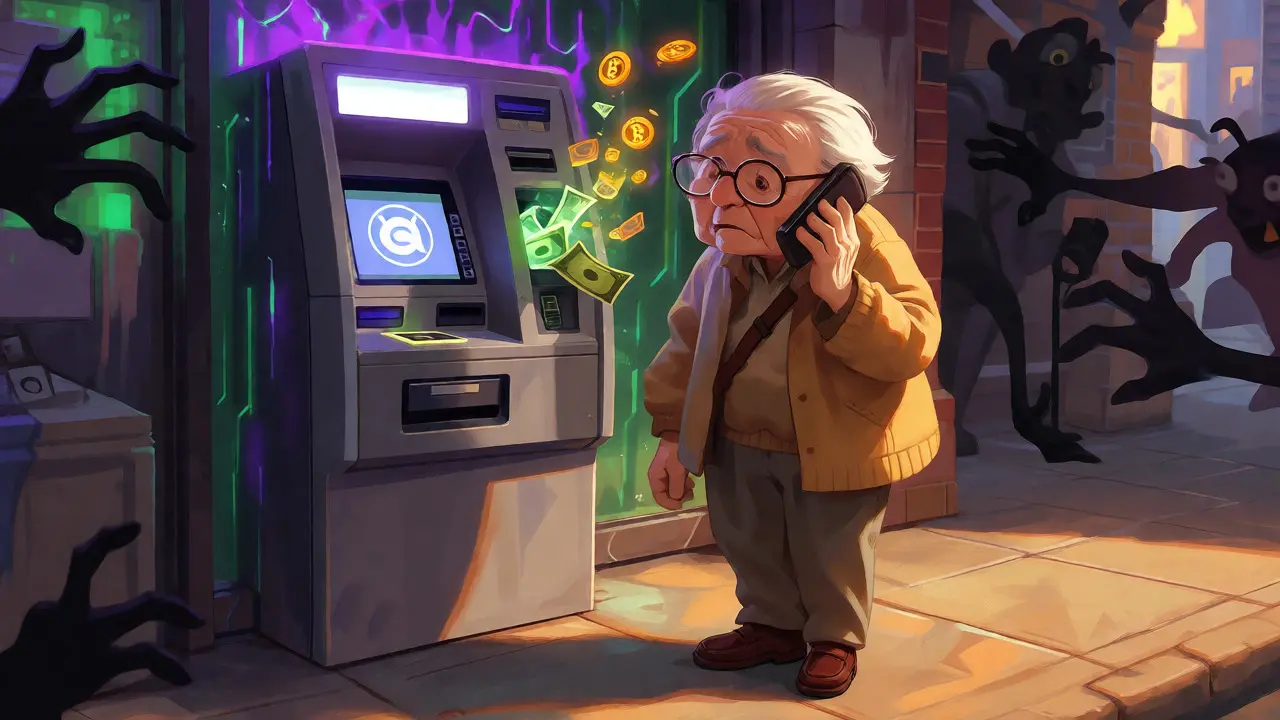
Imagine walking up to a machine that looks like a standard bank ATM, inserting your cash, and watching it turn into digital gold. For many, this convenience is the gateway to the world of Cryptocurrency a digital asset secured by cryptography. But for thousands of victims in 2024, that same machine was a trapdoor leading straight to financial ruin. The numbers are staggering: over 10,956 complaints filed with the FBI resulted in $246.7 million in losses. That’s not just a statistic; that’s real money gone forever, often from people who trusted the technology more than they trusted their instincts.
Why are these machines becoming such potent tools for scammers? It comes down to three dangerous features working together: anonymity, irreversibility, and accessibility. Unlike a credit card charge you can dispute or a wire transfer you might recall, sending crypto through an ATM is final. Once those coins hit the recipient's wallet, no bank can reverse the transaction. This permanence, combined with the fact that many operators operate in a regulatory gray area, creates a perfect storm for fraud.
The Scale of the Problem
If you think crypto scams are rare, look at the data. In 2024 alone, the FBI’s Internet Crime Complaint Center (IC3) documented nearly 11,000 incidents linked specifically to Cryptocurrency ATMs automated kiosks facilitating fiat-to-crypto exchanges. The total loss? Over $246 million. To put that in perspective, that’s enough to buy a small island nation’s annual budget. And it’s getting worse. Compared to previous years, complaints have surged, particularly among older demographics.
Who is falling for this? Surprisingly, it’s not just tech-savvy millennials trying out new investments. More than two-thirds of victims were over 60 years old. Scammers know this. They target seniors with classic tactics-romance scams, fake IRS demands, or "grandchild in trouble" emergencies-and then instruct them to go to the nearest crypto ATM to send the money. By the time the victim realizes they’ve been duped, the cash is already converted and sent to a wallet controlled by someone halfway across the globe.
Why Crypto ATMs Are Different From Bank ATMs
You might wonder why we don’t regulate these machines like traditional banks. Here’s the kicker: many crypto ATM operators aren’t treated as Money Services Businesses (MSBs) under strict federal oversight in every jurisdiction. While the U.S. Department of Treasury’s FinCEN issued warnings in 2025 about illicit actors exploiting these kiosks, enforcement remains fragmented. Traditional banks have layers of fraud detection, customer verification, and dispute resolution. Crypto ATMs? Often, they’re just vending machines for Bitcoin.
| Feature | Traditional Bank ATM | Crypto ATM |
|---|---|---|
| Fraud Reversibility | High (chargebacks possible) | None (transactions are immutable) |
| Regulatory Oversight | Strict federal & state laws | Varies widely; often minimal |
| Anonymity | Low (KYC required) | Moderate to High |
| Transaction Limit | Standard daily limits apply | Often higher or less monitored |
| Vulnerability to Social Engineering | Lower | Very High |
Technical Flaws and Security Risks
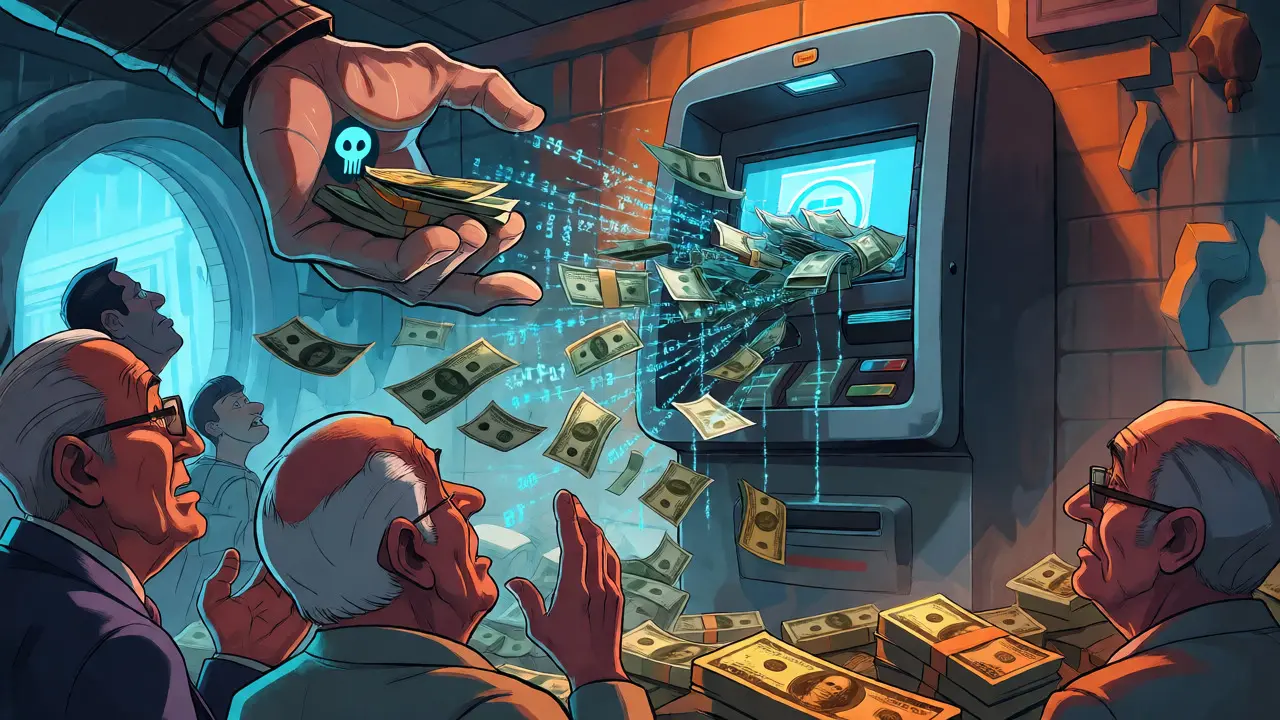
It’s not just human error; the machines themselves can be hacked. Security researchers from IOActive discovered critical vulnerabilities in popular models like the Lamassu Douro. One flaw allowed anyone with physical access to gain root control of the system by simply dropping a malicious file into a specific folder. Imagine if someone could rewrite the rules of how your bank ATM calculates change while you weren’t looking. That’s essentially what happened here. These technical gaps mean that even if you follow all the rules, the hardware itself might be compromised.
Moreover, the software updates on these machines aren’t always secure. If a hacker compromises the update server, they can push bad code to hundreds of machines overnight. This isn’t theoretical-it’s happened. The combination of poor security hygiene in some manufacturers’ firmware and the lack of rigorous testing means users are often beta testers for expensive hardware.
Regional Hotspots and Regulatory Pushback
Some states are taking action because the losses are too high to ignore. Arizona, for example, has become a battleground. With around 600 crypto ATMs statewide, residents lost $177 million to cryptocurrency fraud in 2024. Scottsdale police reported $5 million in losses in a single year. In response, Arizona passed new laws requiring stricter licenses for kiosk operators. New customers now face daily transaction caps ($2,000), and operators must provide clear warnings on-screen before any transaction goes through.
This trend is spreading. At least 40 states introduced legislation regarding digital assets in 2025, and 11 states have passed specific regulations targeting crypto ATMs. AARP has been vocal about this, noting bipartisan support for rules that balance innovation with consumer safety. The message from lawmakers is clear: if you want to make money off grandma’s retirement fund, you need to prove you’re not letting her get fleeced without a warning label.
How Scammers Use Crypto ATMs
Scammers love crypto ATMs because they bridge the gap between the messy physical world of cash and the clean, traceable-but-hard-to-reverse world of blockchain. Here’s how the typical scheme works:
- The Hook: You receive a call or text claiming urgent payment is needed (taxes, bail, computer virus).
- The Instruction: The scammer tells you to go to a nearby crypto ATM. They guide you step-by-step over the phone.
- The Transfer: You insert cash, scan a QR code provided by the scammer, and confirm the transaction.
- The Disappearance: The scammer hangs up or becomes unreachable. The crypto is already in their wallet.
Because the transaction is irreversible, there’s no one to call. No bank manager, no customer service rep who can say, “Sorry, we’ll refund that.” The money is gone. This simplicity is exactly why scammers prefer it over wire transfers, which take days to process and can sometimes be recalled.
Protecting Yourself from Crypto ATM Fraud
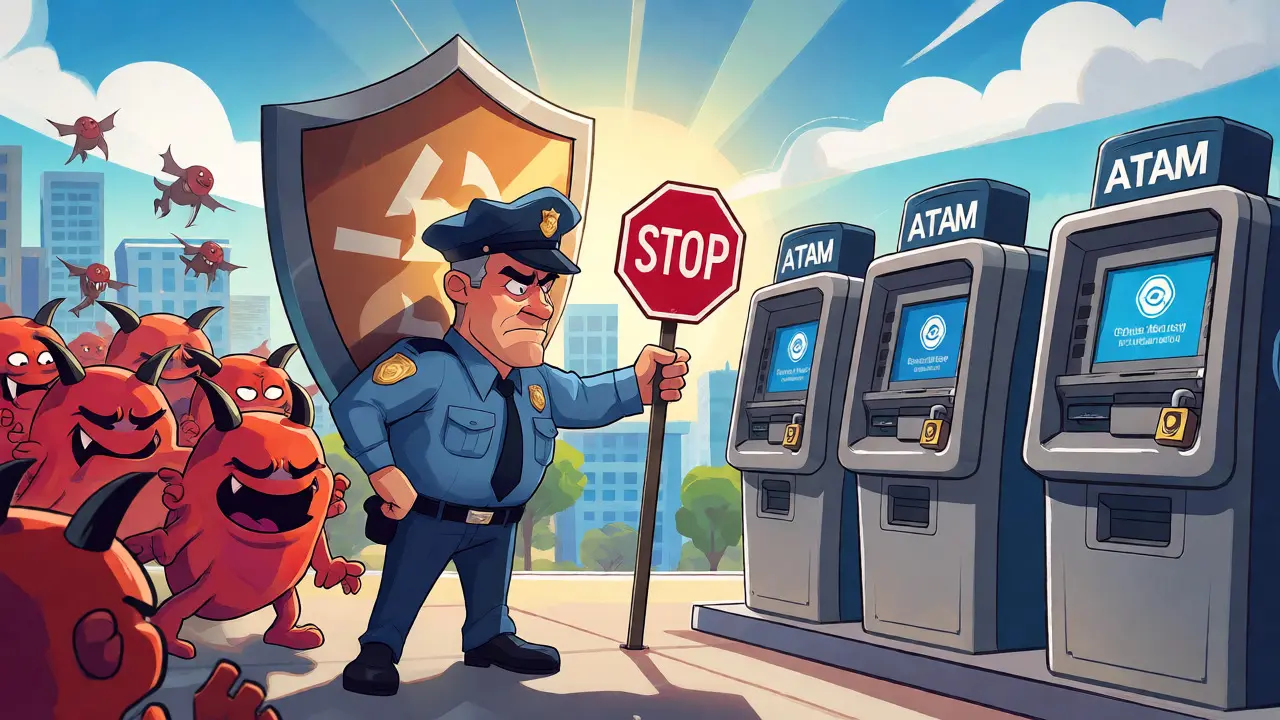
So, should you stop using crypto ATMs entirely? Not necessarily. But you do need to change how you use them. Here are practical steps to stay safe:
- Never send crypto based on a phone call. If someone calls you asking for crypto, hang up. Call back using a number you find independently.
- Read the screen warnings. Many modern ATMs now display mandatory alerts about irreversibility. Don’t just click “Next.” Read them.
- Check the operator’s license. Look for a visible license number on the machine. If it’s missing or hard to read, walk away.
- Be wary of fees. Crypto ATMs often charge high spreads (sometimes 10-15%). If the deal seems too good to be true, it probably is.
- Use established apps first. If you’re new to crypto, try buying small amounts through reputable exchanges like Coinbase or Kraken before using an ATM. These platforms offer better security and customer support.
For seniors, family involvement is crucial. Parents or grandparents shouldn’t navigate crypto transactions alone if they aren’t comfortable with the technology. A quick video call with a tech-savvy relative can save thousands of dollars.
The Future of Crypto Kiosks
Will crypto ATMs disappear? Unlikely. Their convenience is appealing, especially for unbanked populations or those who prefer cash. However, the current model is unsustainable given the fraud rates. We’re seeing a shift toward stricter compliance, similar to what happened with check-cashing stores decades ago. Expect more biometric verification, lower transaction limits, and clearer disclosure requirements.
The industry needs to innovate beyond just being a vending machine. Integrating stronger identity checks and real-time fraud monitoring could help restore trust. Until then, treat every crypto ATM interaction with the caution you’d give to handing cash to a stranger on the street.
Can I get my money back after a crypto ATM scam?
Generally, no. Cryptocurrency transactions are irreversible once confirmed on the blockchain. Unlike credit cards or bank wires, there is no central authority to reverse the transaction. Some states, like Arizona, have introduced refund mechanisms for specific fraud cases within a short window (e.g., 30 days), but recovery is rare and difficult.
Why are seniors targeted by crypto ATM scams?
Seniors are often targeted because they may be less familiar with cryptocurrency technology and more trusting of authoritative voices (like someone claiming to be from the IRS or a utility company). FBI data shows over two-thirds of victims are over 60. Scammers exploit this knowledge gap and the urgency they create.
Are crypto ATMs regulated like banks?
Not consistently. While FinCEN requires many operators to register as Money Services Businesses, enforcement varies by state. Many operators fail to perform adequate Know Your Customer (KYC) checks. Regulations are tightening, but they still lag behind traditional banking standards.
What are the most common signs of a crypto ATM scam?
Common signs include pressure to act immediately, instructions to pay via gift cards or crypto only, requests to keep the transaction secret, and callers who refuse to let you hang up or verify their identity independently. If someone insists you go to a specific location right now, it’s a red flag.
How much do crypto ATMs charge in fees?
Fees vary widely but are typically higher than online exchanges. Expect to pay between 5% and 15% in spread and transaction fees. Always check the exchange rate and fee structure on the screen before inserting cash.
