
- 15 Sep 2026
- Elara Crowthorne
- 0
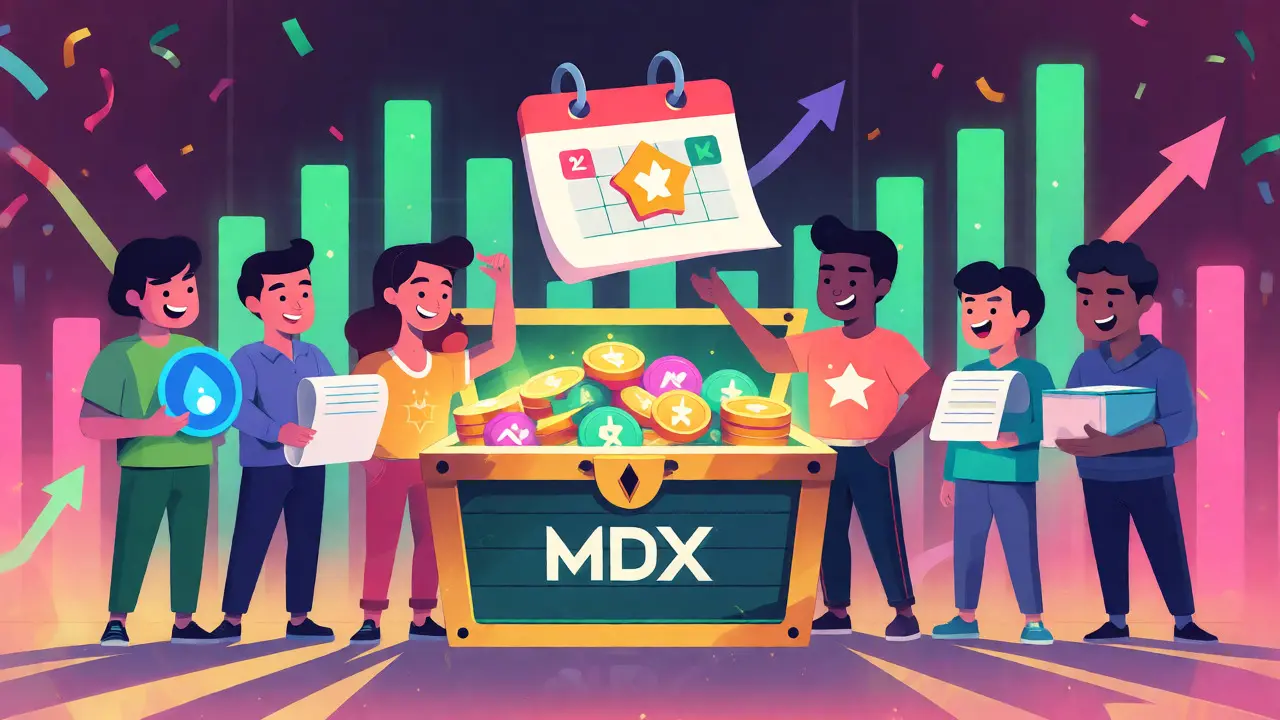
Ever checked your wallet and wondered if you’re missing out on free tokens? That’s the nagging feeling many MDEX users have when they hear about an airdrop. You might be holding assets, providing liquidity, or just swapping coins, but are you actually eligible for the latest distribution? The world of decentralized finance moves fast, and missing a snapshot date can mean leaving real money on the table. This guide breaks down exactly what you need to know about the MDEX airdrop, how to check your eligibility, and the steps to claim your rewards without falling into common traps.
What Is the MDEX Platform?
To understand the value of an airdrop, you first need to know where it comes from. MDEX, short for Mandala Exchange, is a decentralized exchange (DEX) protocol that facilitates cross-chain transactions using automated market making (AMM). Unlike traditional exchanges, MDEX operates without a central authority, allowing users to trade directly from their wallets. It launched in January 2021 and quickly gained traction by building on high-performance networks like the Huobi Ecological Chain (HECO) and BNB Smart Chain (BSC). The platform integrates three core components: a DEX for trading, an Initial Model Offering (IMO) for fundraising, and a Decentralized Autonomous Organization (DAO) for governance.
The native token, MDX, serves multiple purposes within this ecosystem. It’s used for governance voting, paying transaction fees, and most importantly, rewarding users through liquidity mining. Because MDEX aims to bridge the gap between different blockchains, its architecture supports seamless asset transfers across Ethereum, BSC, and HECO via the MDEX Bridge. This multi-chain approach lowers gas fees significantly-often averaging around $0.001 per swap on HECO-making it attractive for frequent traders who want to avoid the high costs associated with Ethereum mainnet.
Why Do Crypto Projects Run Airdrops?
Airdrops aren’t just charity; they’re strategic marketing tools. For a project like MDEX, distributing free tokens helps achieve several goals simultaneously. First, it decentralizes token ownership. If only early investors hold the supply, the community lacks true control. By spreading tokens to active users, MDEX ensures more people have a stake in the network’s success. Second, it boosts engagement. When users know they might receive tokens for swapping or staking, they’re more likely to use the platform regularly rather than sitting idle.
Additionally, airdrops help bootstrap liquidity. In decentralized exchanges, liquidity providers are essential because they ensure there are enough funds to facilitate trades. By offering MDX tokens as incentives, MDEX encourages users to deposit their assets into liquidity pools. This creates a healthier trading environment with lower slippage for everyone. Finally, it builds brand awareness. In a crowded market, getting your token into thousands of wallets puts your name in front of potential long-term users who might not have discovered the platform otherwise.
Eligibility Criteria for the MDX Airdrop
Not everyone gets free tokens. Eligibility usually depends on specific actions taken during a defined period. While exact criteria can change per campaign, typical requirements for MDEX-related distributions include:
- Liquidity Provision: Depositing assets into MDEX liquidity pools during the snapshot window. The amount and duration often determine the size of your reward.
- Trading Volume: Executing swaps on the MDEX DEX. Higher volume usually correlates with higher eligibility tiers.
- Staking MDX: Holding or staking existing MDX tokens in the DAO or other staking contracts.
- Community Participation: Sometimes, joining official Telegram groups, Twitter communities, or Discord servers counts toward eligibility.
It’s crucial to check the official announcement for each specific airdrop. Some campaigns target new users exclusively, while others reward loyal veterans. Always verify the snapshot date-the moment when the blockchain records who held what. If you moved your assets after the snapshot, you might miss out. Conversely, moving them before the snapshot could disqualify you if the rules require assets to remain in place.
How to Check Your Eligibility and Claim Rewards
Once an airdrop is announced, the claiming process is straightforward but requires attention to detail. Here’s a step-by-step approach to ensure you don’t lose your tokens.
- Visit the Official Website: Always navigate to the official MDEX site directly. Avoid clicking links from unsolicited emails or social media DMs to prevent phishing scams.
- Connect Your Wallet: Use a reputable Web3 wallet like MetaMask or Trust Wallet. Ensure you’re connected to the correct network (usually BSC or HECO) specified in the airdrop details.
- Check the Dashboard: Most projects provide a dedicated airdrop page where you can connect your wallet address to see if you qualify. The system will scan your past activity against the snapshot data.
- Claim Tokens: If eligible, click the “Claim” button. You’ll need to sign a transaction in your wallet. Note that you’ll pay a small gas fee for this action, though it’s typically negligible on BSC or HECO.
- Verify Receipt: After the transaction confirms, check your wallet balance to ensure the MDX tokens arrived. If they don’t appear immediately, add the token contract address manually to your wallet interface.
Common Pitfalls to Avoid
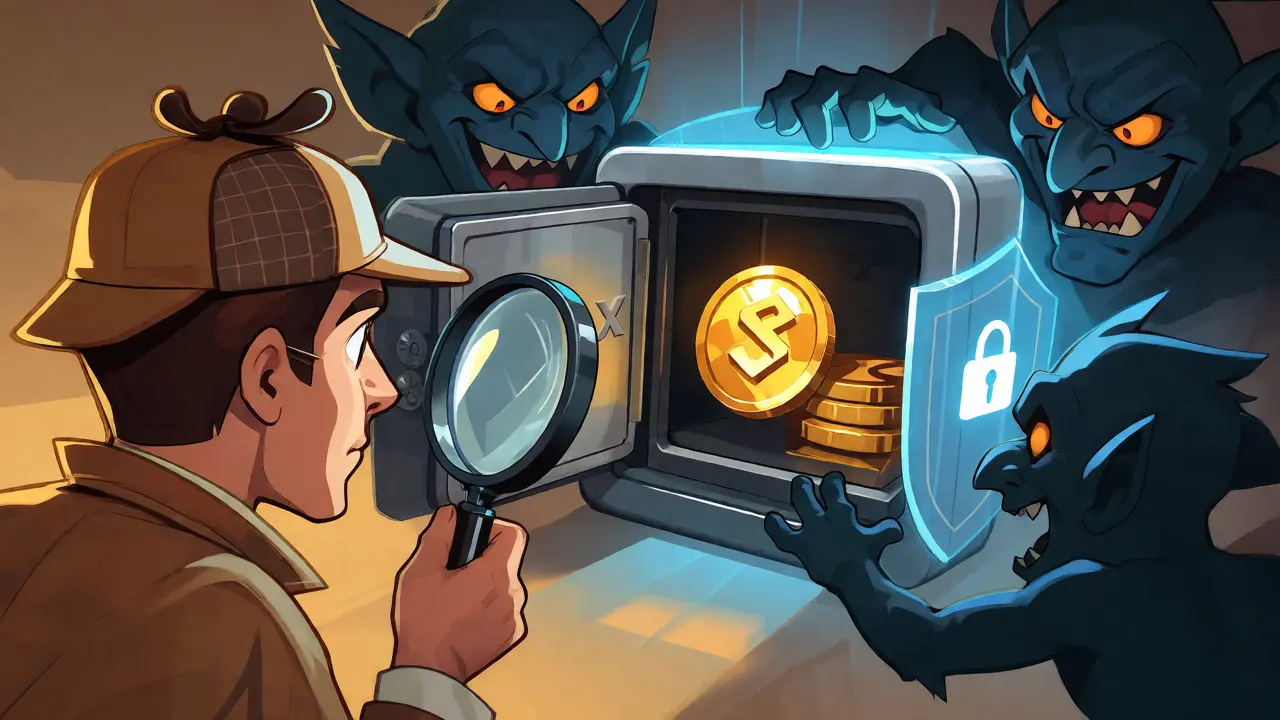
Even experienced crypto users make mistakes during airdrop seasons. One major issue is fake websites. Scammers create look-alike domains to steal your private key or approve malicious contracts. Always double-check the URL. Another trap is ignoring gas fees. While claiming is often cheap, failing to account for network congestion can lead to stuck transactions. Have some native coin (BNB for BSC, HT for HECO) ready in your wallet to cover these costs.
Also, beware of “claiming” scams where you’re asked to send tokens first to “verify” your wallet. Legitimate airdrops never ask you to send money to receive money. If a site asks for your seed phrase, run away. No legitimate service needs your full 12- or 24-word recovery phrase to distribute tokens. Keep that information offline and secure.
Understanding MDX Token Utility
So, why bother with the hassle of claiming? What can you actually do with MDX? Beyond speculation, the token has tangible utility within the ecosystem. As mentioned, it powers the DAO, giving holders voting rights on protocol upgrades, fee structures, and treasury management. This means your voice matters in shaping the future of the exchange.
Moreover, MDX is integral to the dual mining mechanism. Users who provide liquidity earn both trading fees and MDX emissions. This yield farming aspect allows users to compound their earnings by restaking rewards. Over time, consistent participation can turn small initial deposits into significant holdings, especially if the token appreciates due to increased platform usage. With current price predictions varying widely-from conservative estimates of $0.003 to bullish forecasts exceeding $0.26-holding MDX represents a bet on the growth of cross-chain DeFi infrastructure.
| Feature | MDEX (DEX) | Traditional CEX |
|---|---|---|
| Custody of Funds | User-controlled (Self-custody) | Exchange-controlled |
| Transaction Fees | ~$0.001 (HECO/BSC) | Varies (0.1% - 0.5%) |
| Airdrop Eligibility | Based on on-chain activity | Based on KYC/volume |
| Token Utility | Governance + Liquidity Mining | Fee discounts + Launchpad access |
| Privacy | Pseudonymous (Wallet-based) | KYC Required |
Future Outlook for MDX and Airdrops
The landscape of DeFi airdrops is evolving. Early airdrops were simple giveaways, but modern distributions are becoming more meritocratic. Projects now analyze user behavior deeply, rewarding quality interactions over raw volume. For MDEX, this means focusing on sustainable growth rather than just pumping numbers. As the platform continues to expand its cross-chain capabilities, expect future airdrops to potentially target users who actively participate in bridging assets between Ethereum, BSC, and HECO.
Staying informed is key. Follow official channels for announcements regarding upcoming snapshots. Set reminders for important dates. And remember, diversification is wise. Don’t put all your eggs in one basket waiting for a single airdrop. Use the opportunity to explore the broader DeFi ecosystem, learn about smart contracts, and understand the risks involved. The best airdrop strategy is one that aligns with your long-term investment goals, not just a quick flip.
Is the MDEX airdrop free to claim?
Yes, the tokens themselves are free. However, you must pay a small network gas fee to execute the claim transaction on the blockchain. On networks like BSC or HECO, this fee is typically very low, often less than a dollar.
Do I need to hold MDX tokens to be eligible for future airdrops?
Not necessarily. Eligibility criteria vary by campaign. Some airdrops reward new users who provide liquidity or trade, regardless of whether they already hold MDX. Others may specifically target existing holders. Always read the specific rules for each event.
What happens if I miss the snapshot date?
If you move your assets out of the qualifying wallet or protocol before the snapshot date, you generally become ineligible for that specific airdrop. The blockchain records the state of the network at that precise moment. Moving assets afterward won't reverse the record.
Can I sell my MDX tokens immediately after claiming?
Yes, unless the airdrop terms specify a vesting schedule or lock-up period. Most standard airdrops allow immediate trading. Check the official documentation to see if your specific batch of tokens has any restrictions.
How do I spot a fake MDEX airdrop scam?
Fake sites often ask for your private key or seed phrase. They might also request you to send a small amount of ETH or BNB to "activate" the claim. Legitimate claims only require a signature and gas fee payment, never a transfer of your own funds to the project team.