
- 23 Jun 2026
- Elara Crowthorne
- 0
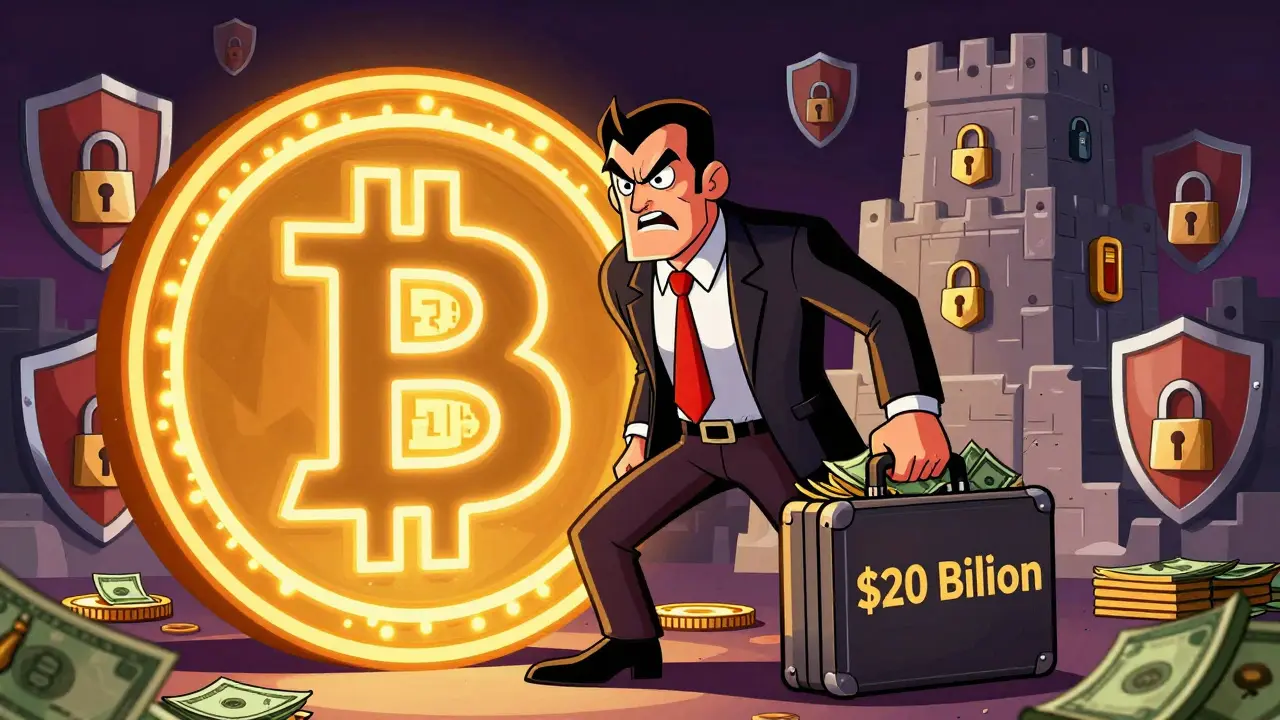
Imagine you have $20 billion in your bank account. You want to steal some Bitcoin. Not by hacking an exchange, but by breaking the entire Bitcoin network itself. You decide to execute a 51% attack. Is it possible? Technically, yes. Is it practical? Absolutely not. The sheer cost and complexity make it one of the most expensive cyberattacks in history.
Many people hear "51% attack" and panic. They think Bitcoin is fragile. In reality, the numbers tell a different story. As of mid-2026, attacking Bitcoin requires resources that only nation-states or trillion-dollar corporations could theoretically muster-and even then, the economic suicide involved makes it unlikely. Let’s break down exactly what this means, how much it costs, and why your Bitcoin is safer than you think.
What Actually Is a 51% Attack?
To understand the cost, you first need to understand the mechanism. Bitcoin runs on a system called Proof-of-Work (PoW). This is the engine that secures the network. Miners compete to solve complex mathematical puzzles. The winner gets to add the next block of transactions to the blockchain and earns a reward.
The rule is simple: the longest valid chain wins. If someone controls more than half of the total computing power (hashrate) on the network, they can outpace everyone else combined. They can create a secret, alternative version of the blockchain where they reverse their own transactions. For example, they could buy something with Bitcoin, receive the goods, and then secretly rewrite the ledger so the payment never happened. This is called double-spending.
However, they cannot create new Bitcoin out of thin air. They cannot access other people’s wallets directly. They can only manipulate their own recent transactions. This limitation alone reduces the incentive for many attackers.
The Two Ways to Attack: Buying vs. Renting
If you wanted to attack Bitcoin today, you’d face two main paths. Both are incredibly difficult, but they differ in upfront cost and logistics.
Method 1: Physical Hashrate Acquisition
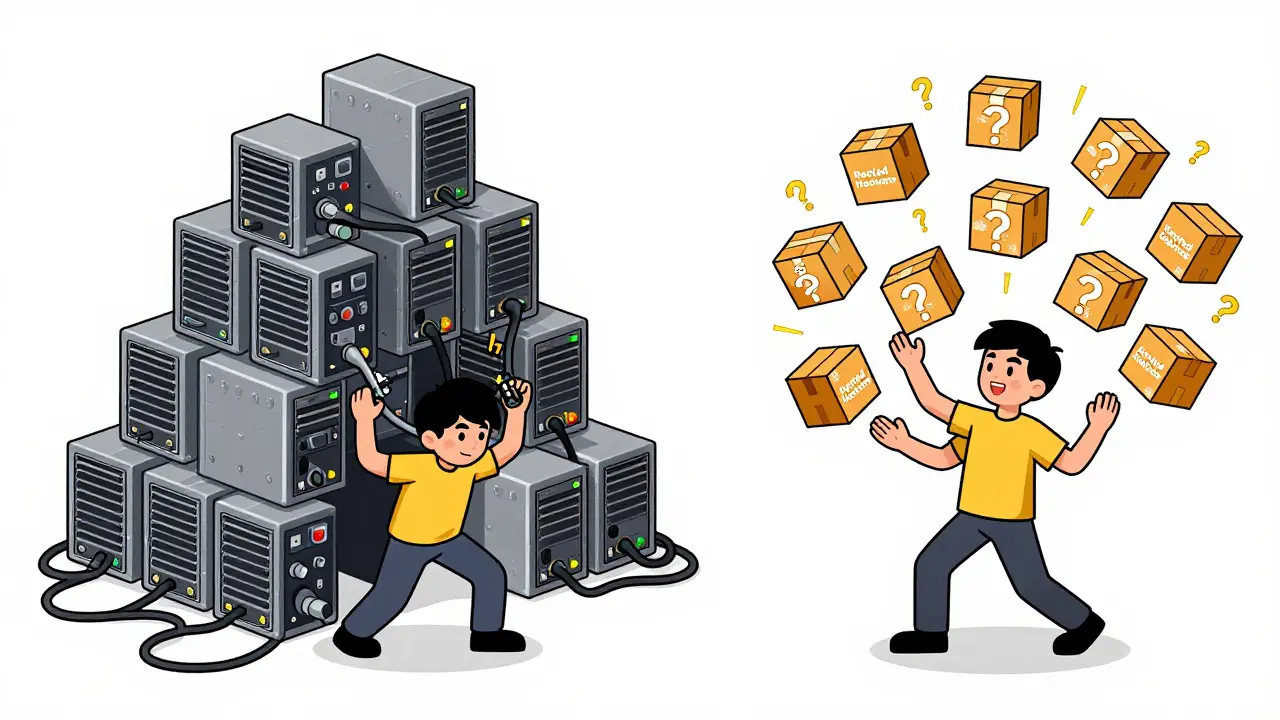
This is the brute-force method. You buy enough mining hardware to control over 50% of the network’s power. Currently, Bitcoin’s total network hashrate sits around 150 exahashes per second (EH/s). To guarantee a win, you’d need roughly 75 EH/s or more, depending on luck and timing. Most estimates assume you need to match the total network size to be safe, meaning ~150 EH/s.
Let’s look at the hardware. A top-tier miner like the Antminer S19 Pro produces about 110 terahashes per second (TH/s). To reach 150 EH/s, you would need approximately 1.36 million of these machines. That’s not just buying a few units; that’s buying every available unit on the market and then some.
- Hardware Cost: At current prices, acquiring 1.36 million ASIC miners would cost roughly $5.5 billion to $10 billion.
- Logistics: Where do you put them? You need massive industrial facilities with reliable power grids.
- Electricity: These machines consume millions of watts. Your daily electricity bill would run into tens of millions of dollars.
Firms like Braiins estimate the pure hardware acquisition cost alone hits around $5.5 billion. But that’s before you plug them in.
Method 2: Synthetic Hashrate Control
This method is cheaper in terms of hardware but harder in terms of execution. Instead of buying machines, you try to control the existing ones. You could hack major mining pools, bribe operators, or use legal pressure to force them to join your malicious chain. Alternatively, you could rent hashrate from various providers.
Renting hashrate sounds easy until you realize the scale. If you rent too much power suddenly, the network notices. Prices skyrocket. Mining pools will refuse service to avoid being associated with an attack. Furthermore, coordinating hundreds of independent mining operations across different countries is a logistical nightmare. Legal repercussions would be immediate and severe.
| Factor | Physical Acquisition | Synthetic/Rental Control |
|---|---|---|
| Upfront Cost | $5.5B - $20B+ | $1M - $100M+ (variable) |
| Detection Risk | High (hardware procurement) | Very High (sudden hashrate spikes) |
| Logistical Complexity | Extreme (power, space, cooling) | Extreme (coordination, trust) |
| Legal Consequence | Criminal charges, asset seizure | Treason-level charges, global sanctions |
The Economic Suicide: Opportunity Costs
Here is the part that really kills the idea of a 51% attack: opportunity cost. If you spent $10 billion building a mining farm capable of attacking Bitcoin, you wouldn’t be idle. You could mine honestly.
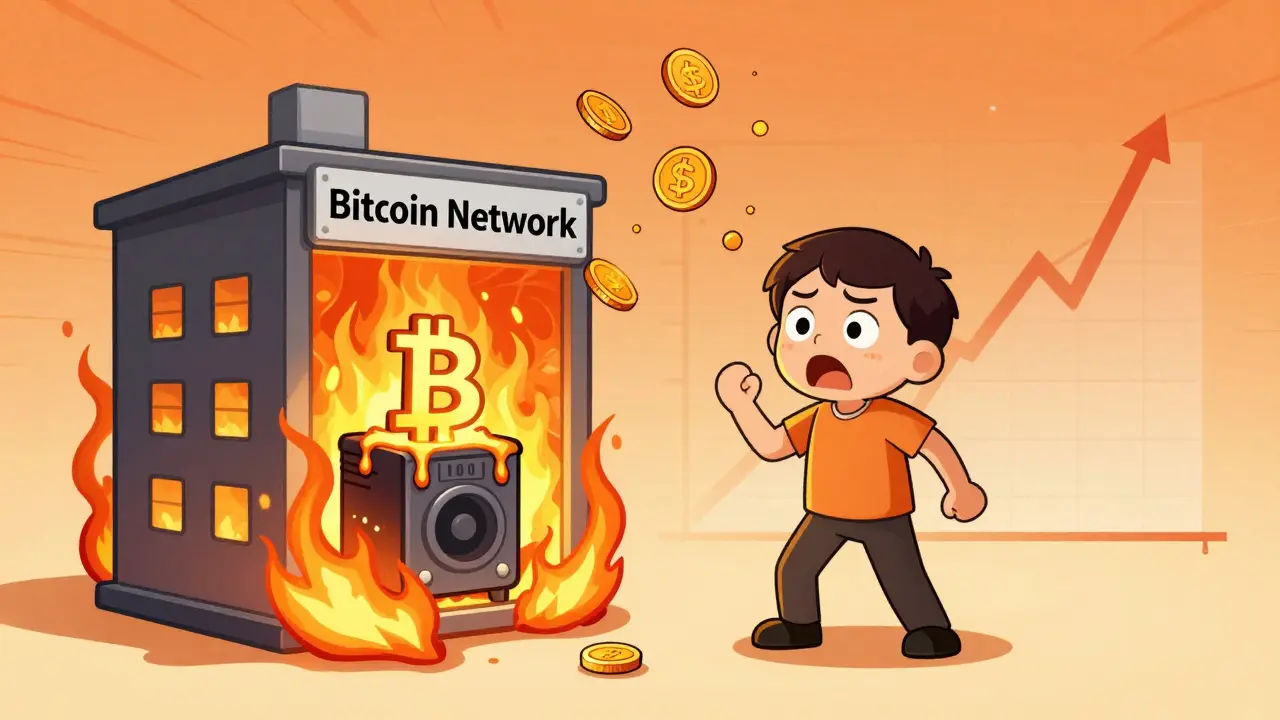
According to analysis by GoBitcoin.io, an attacker controlling the necessary hardware could earn approximately 918 BTC per day through legitimate mining. At current market prices, that is millions of dollars in daily revenue. By launching an attack, you shut off that income stream. Worse, once you attack, the value of Bitcoin likely crashes. Your $10 billion investment becomes worthless because the asset you were trying to exploit loses its value.
It’s like stealing the factory instead of selling the product. Why burn down the house when you’re already living in it?
Historical Precedent: It Happens to Smaller Coins
Is a 51% attack real? Yes. But not on Bitcoin. Smaller cryptocurrencies with lower hashrates are vulnerable. Bitcoin SV was attacked three times in 2021. Firo (formerly Zcoin) and Ethereum Classic have also suffered successful attacks. In these cases, attackers rented hashrate for relatively small sums-sometimes less than $100,000-and reversed transactions.
Why didn’t this happen to Bitcoin? Because the barrier to entry is simply too high. The MIT Digital Currency Initiative has modeled these attacks extensively. Their data shows that while altcoins are at risk, Bitcoin’s scale creates a natural moat. The cost to attack Bitcoin is orders of magnitude higher than the potential gain.
Who Could Actually Do It?
If a criminal syndicate can’t afford it, who can? Only state-level actors. A government with unlimited resources and no regard for international law might attempt it. However, even for a nation-state, the risks outweigh the rewards.
Attacking Bitcoin would signal hostility to the entire global financial system. Countries that hold Bitcoin reserves would retaliate. Corporations using Bitcoin for settlement would abandon it. The resulting economic chaos would hurt the attacker as much as the victim. Plus, Bitcoin’s code is open-source. If an attack succeeded, developers could fork the network, leaving the attacker holding a useless, isolated chain.
Future Outlook: Getting Stronger Every Day
Bitcoin’s security isn’t static. It grows. As more people adopt Bitcoin, more miners join the network. The hashrate increases. The cost of an attack rises. Ten years ago, a 51% attack might have cost $10 million. Today, it’s billions. In five years, it could be tens of billions.
Technological improvements in mining efficiency help honest miners stay profitable, which keeps them invested in the network’s success. Renewable energy adoption lowers operational costs for legitimate miners, making them more resilient against price shocks. All these factors strengthen Bitcoin’s defense.
So, should you worry about your Bitcoin being stolen via a 51% attack? No. Worry about losing your private keys. Worry about phishing scams. Those are real threats. A 51% attack on Bitcoin remains a theoretical nightmare that economics and physics keep firmly locked away.
How much does it cost to perform a 51% attack on Bitcoin in 2026?
Estimates range from $5.5 billion to over $20 billion, depending on whether you buy physical hardware or attempt to rent/control existing hashrate. The wide range accounts for hardware costs, electricity, and market dynamics during an attempted attack.
Can a 51% attack creator new Bitcoin?
No. A 51% attacker cannot create new coins out of thin air. They can only reverse their own recent transactions (double-spend) and prevent other transactions from being confirmed. They cannot drain other users' wallets directly.
Has Bitcoin ever been successfully 51% attacked?
No, Bitcoin has never been successfully 51% attacked due to its massive hashrate. However, smaller cryptocurrencies like Bitcoin SV, Firo, and Ethereum Classic have experienced such attacks.
Why don't criminals just rent hashrate to attack Bitcoin?
Renting enough hashrate to control 50%+ of the Bitcoin network is prohibitively expensive and easily detectable. Mining pools monitor for unusual rental activity, and sudden spikes in demand would alert the network, allowing defenders to react.
What happens if a 51% attack succeeds?
If successful, the attacker could reverse transactions, causing chaos in exchanges and merchant services. This would likely crash Bitcoin's price, destroying the value of the attacker's own mining investment and triggering severe legal and regulatory consequences globally.
