- 4 May 2026
- Elara Crowthorne
- 0
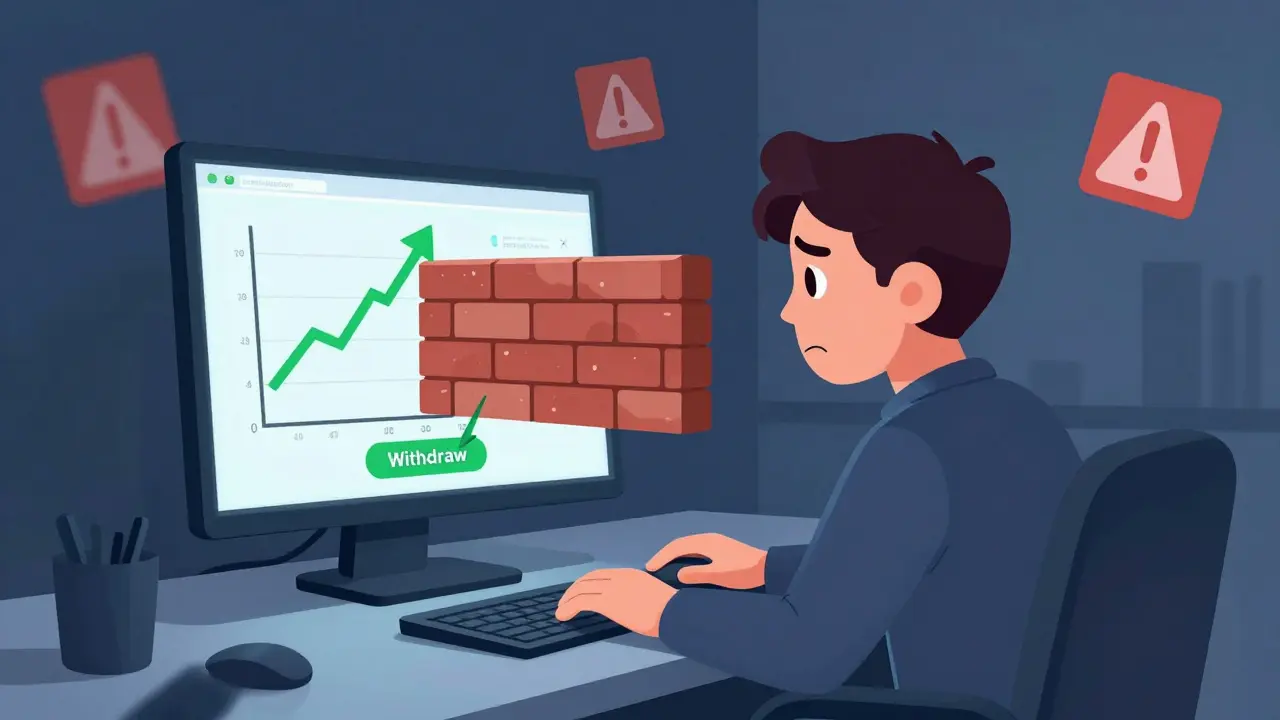
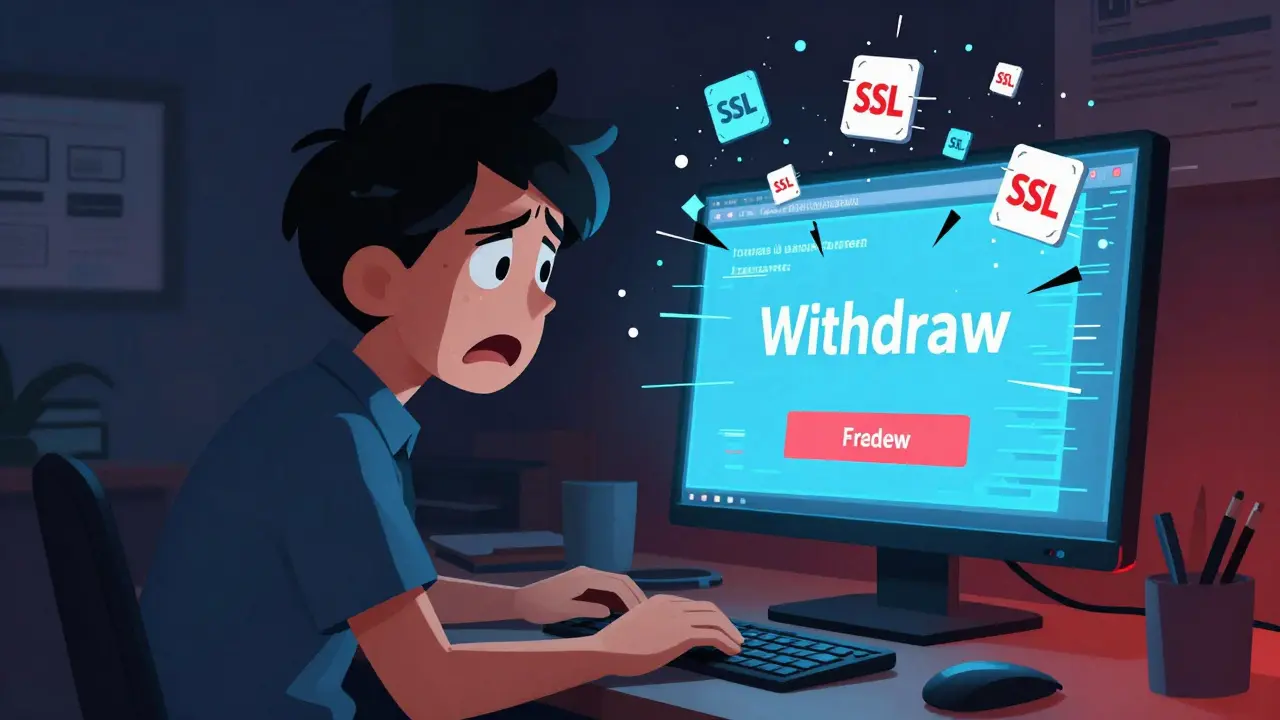
Imagine you’ve just made your first profit on a trade. You click "withdraw," and suddenly, the page freezes. The connection drops. When it comes back up, there’s an error message about SSL certificates that looks like gibberish to anyone who isn’t a server engineer. For many users looking at Bitexbook, this isn’t a hypothetical nightmare-it’s the reality of trying to access their funds.
If you are searching for a reliable place to store or trade your digital assets in 2026, you need more than just flashy marketing promises. You need transparency, security, and a track record. That is why I dug into the history, technical infrastructure, and user feedback surrounding Bitexbook. What I found raises serious red flags that every trader needs to understand before even thinking about depositing a single cent.
The Verdict: A Platform With Major Red Flags
Let’s cut through the noise right away. Based on available data from late 2023 through 2026, Bitexbook is not considered a safe or trusted platform by independent analysts. Major review aggregators like Traders Union have explicitly flagged it as unsafe after analyzing over 100 parameters. With an average rating of just 2.7 stars out of 5 on tracking sites like Knoji, and critical technical failures reported by monitoring services, the risk here outweighs any potential reward.
When we talk about crypto exchanges, trust is the currency. Without it, you’re gambling with your life savings. Bitexbook currently lacks the fundamental pillars of trust: regulatory compliance, transparent ownership, and stable technical infrastructure.
Technical Instability: The SSL Connection Crisis
The most alarming issue with Bitexbook isn’t just poor reviews; it’s basic functionality. In November 2023, monitoring service CryptoRunner documented a critical failure: Cloudflare could not establish a secure SSL connection to Bitexbook’s origin server. For those unfamiliar with web security, an SSL certificate is the digital lock that protects your data while it travels between your browser and the exchange’s servers.
Without a working SSL/TLS configuration, your login credentials, personal identification documents, and transaction details are sent in plain text. This means hackers can intercept them easily. Modern browsers flag these sites as "Not Secure," which should be enough to stop any cautious user in their tracks. If an exchange cannot maintain a basic secure connection, how can they possibly protect millions of dollars in cryptocurrency?
This technical deficiency suggests deeper problems. It implies either a lack of technical expertise within their development team or, worse, negligence regarding user security. In the world of finance, negligence is often synonymous with fraud.
Lack of Transparency and Regulatory Oversight
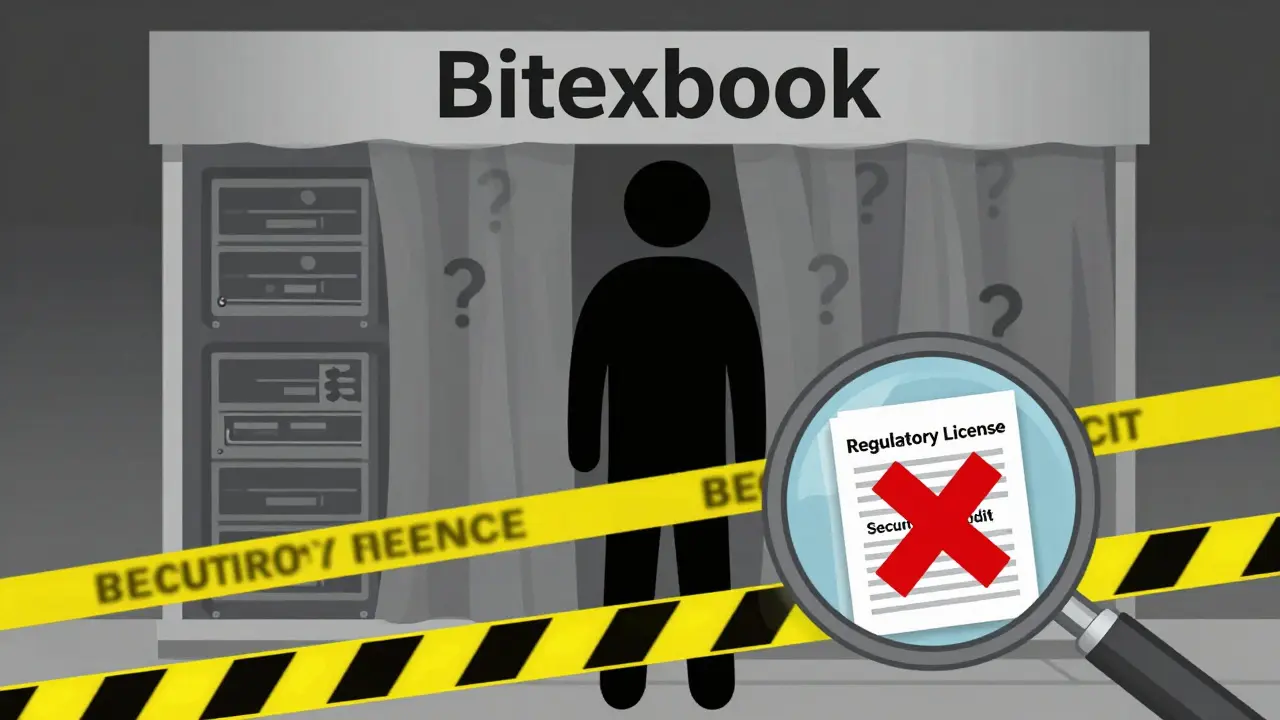
A legitimate financial institution operates in the light. They publish their registration details, list their founders, and comply with local laws. Bitexbook does none of this. Comprehensive searches reveal no clear information about when the company was founded, who owns it, or where it is legally registered.
Compare this to established giants like Coinbase or Kraken. These companies are publicly traded or heavily regulated entities that provide detailed proof of reserves and undergo regular third-party security audits. Bitexbook has no such documentation. There is no evidence of them undergoing any security audits or publishing transparency reports.
In the wake of high-profile collapses like FTX in 2022, regulatory scrutiny has tightened globally. Exchanges that operate in the shadows without licenses or clear jurisdictional ties are prime targets for shutdowns or scams. If you cannot find out who runs the platform, you have no recourse if things go wrong.
User Experience and Market Presence
Market presence tells a story about reliability. Established exchanges process billions in daily volume because people trust them. Binance, for example, handles over $40 billion in daily trading volume. Coinbase serves over 100 million verified users. Bitexbook? It’s barely visible.
Cryptowisser lists Bitexbook among "500+ other crypto exchanges" but provides no ranking or metrics. Why? Because the trading volume is negligible. Low liquidity is a killer for traders. It means you might not be able to sell your coins quickly, or worse, the spread (the difference between buy and sell prices) will be so wide that you lose money instantly upon entry.
User feedback is equally sparse. On Knoji, the platform has only nine ratings. Nine. For a global exchange, that is statistically insignificant. The few reviews that exist are vague. One Trustpilot review, written in Russian, claims the service is "reliable and profitable," but offers zero specific details. No mention of fast withdrawals, helpful support, or low fees. Just generic praise that feels planted rather than earned.
| Feature | Bitexbook | Coinbase / Binance |
|---|---|---|
| Regulatory Status | Unknown / Unverified | Heavily Regulated (SEC, FCA, etc.) |
| Security Audits | None Publicly Available | Regular Third-Party Audits |
| SSL/Connection Stability | Critical Errors Reported | High Availability & Encryption |
| User Reviews | 9 Ratings (2.7 Stars) | Millions of Verified Reviews |
| Liquidity | Negligible | Deep Liquidity Pools |
Why Do Unknown Exchanges Exist?
You might wonder, if Bitexbook is so risky, why does it still show up in search results? Unfortunately, the crypto space is rife with "clone" sites or low-effort platforms designed to capture quick deposits from inexperienced users. These platforms often use automated scripts to create websites that look professional but lack backend substance.
They rely on anonymity. By hiding their ownership and operating without licenses, they avoid legal accountability. Their goal is often short-term extraction-getting your deposit, delaying your withdrawal with excuses, and eventually shutting down the site when the heat gets too high. The SSL errors we saw earlier are common signs of such platforms struggling to maintain their facade or moving servers frequently to evade detection.
Safer Alternatives for Your Trading Needs
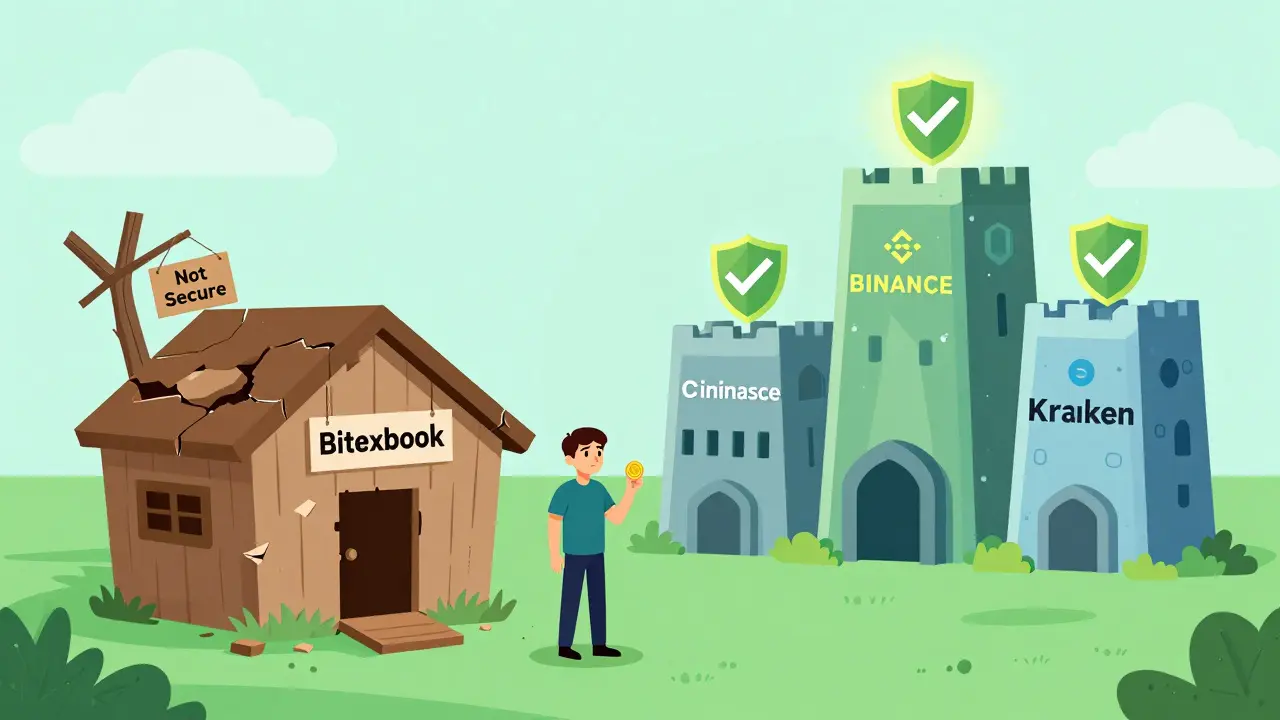
Your capital deserves protection. Instead of risking your funds on an unverified platform like Bitexbook, consider sticking to exchanges with proven track records. Here are three tiers of alternatives based on your experience level:
- For Beginners: Coinbase is the gold standard for ease of use and security. It is publicly traded, meaning its financials are audited by law. The interface is intuitive, and customer support is responsive. While fees can be higher, you are paying for peace of mind.
- For Active Traders: Binance offers deep liquidity and a vast array of trading pairs. It dominates the market for a reason. However, due to its size and complexity, it requires a bit more learning curve. Always enable two-factor authentication (2FA) immediately.
- For Security-Conscious Users: Kraken has a long-standing reputation for security. They have never been hacked since their inception. They offer robust tools for both spot and margin trading, along with excellent customer service channels.
All three of these platforms provide clear terms of service, accessible support teams, and regulatory compliance in major jurisdictions. They also allow you to withdraw your funds reliably-a feature Bitexbook users have struggled with.
How to Spot Unsafe Exchanges Yourself
To protect yourself in the future, learn to identify the warning signs of shady platforms. Here is a checklist to run through before signing up for any new exchange:
- Check the URL Security: Does the site load without browser warnings? Can you verify the SSL certificate issuer? If you see "Not Secure" or errors, leave immediately.
- Research Ownership: Who runs the company? Is there a physical address listed? Legitimate businesses are proud of their location.
- Look for Independent Reviews: Don’t trust testimonials on the exchange’s own website. Go to Trustpilot, Reddit, or specialized crypto forums. Look for detailed complaints about withdrawals.
- Verify Regulatory Licenses: Check if they are registered with bodies like the SEC (USA), FCA (UK), or ASIC (Australia). If they claim to be licensed but you can’t find their license number in the regulator’s database, it’s a lie.
- Test Small Withdrawals: Never deposit large amounts initially. Deposit a small amount, trade, and then try to withdraw. If the withdrawal takes days or fails, you have your answer.
Final Thoughts on Bitexbook
In the cryptocurrency world, opportunities come and go, but your principal investment should remain intact. Bitexbook presents too many unresolved risks-from technical failures to complete opacity-to justify any exposure. The combination of SSL errors, lack of regulatory oversight, and minimal user base creates a perfect storm for potential loss.
There is no advantage to using Bitexbook that you can’t find elsewhere. The fees aren’t lower, the selection isn’t better, and the security is demonstrably worse. Stick to platforms that have survived the test of time and scrutiny. Your wallet will thank you.
Is Bitexbook a scam?
While we cannot definitively label it a "scam" without legal judgment, Bitexbook exhibits many characteristics of fraudulent platforms. These include lack of transparency, critical security failures (SSL errors), negative assessments by independent watchdogs like Traders Union, and an absence of regulatory licensing. These factors suggest a high risk of losing funds.
Can I withdraw my money from Bitexbook?
Based on user reports and technical issues, withdrawing funds from Bitexbook appears difficult. The platform has experienced significant connectivity issues that prevent access to accounts. Furthermore, the lack of customer support infrastructure makes resolving withdrawal delays nearly impossible. Users have reported being unable to access their funds due to server errors.
What is the SSL error on Bitexbook?
The SSL error refers to a failure in the Secure Sockets Layer encryption protocol. In late 2023, monitoring services detected that Cloudflare could not establish a secure connection to Bitexbook's servers. This means data transmitted between your browser and the site is not encrypted, exposing your login details and personal information to interception by malicious actors.
Who owns Bitexbook?
The ownership of Bitexbook is not publicly disclosed. There is no verifiable information about the founders, corporate structure, or legal registration jurisdiction. This lack of transparency is a major red flag for any financial service provider, as it prevents users from holding the entity accountable.
Is Bitexbook regulated?
There is no evidence that Bitexbook holds any valid financial licenses from major regulatory bodies such as the SEC, FCA, or ASIC. Operating without regulation means the exchange is not subject to consumer protection laws, anti-money laundering checks, or capital reserve requirements, significantly increasing the risk to users.