- 23 Dec 2025
- Elara Crowthorne
- 18
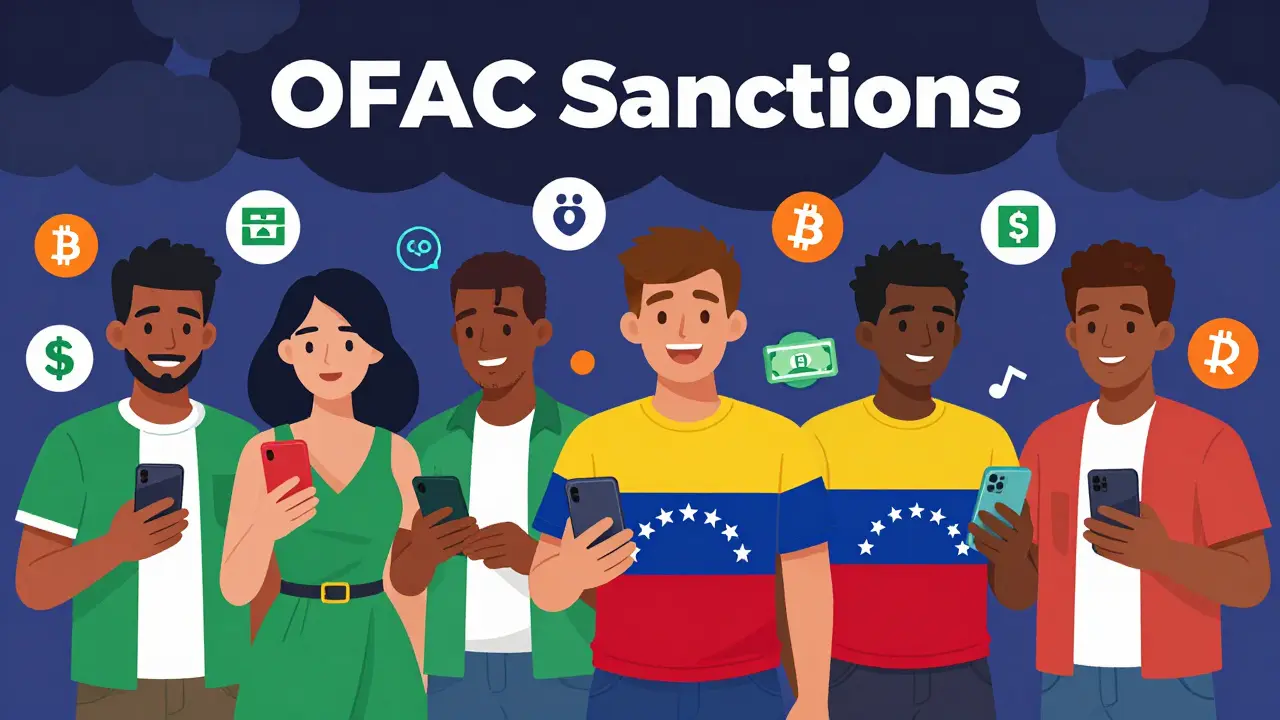
When you live in a country where banks won’t touch cryptocurrency, and exchanges are blocked by law, how do you buy Bitcoin? For millions of people in restricted countries, the answer isn’t a big exchange or a brokerage-it’s P2P crypto trading. Peer-to-peer platforms let individuals trade directly, using local payment methods like bank transfers, mobile money, or even cash. But in 2025, that lifeline is under more pressure than ever.
Why P2P Trading Grew in Restricted Countries
P2P crypto trading exploded in places like Nigeria, Venezuela, and Argentina because people had no other choice. Banks froze accounts. Local exchanges got shut down. Inflation ate away at savings. Bitcoin and USDT became the only way to protect money or send remittances home. By 2023, P2P volume in Nigeria alone hit $12 billion annually-more than the country’s entire formal crypto exchange market. But this wasn’t just about convenience. It was survival. In Iran, where international banking is cut off by sanctions, P2P trading became the primary way to import medicine, pay for online education, and receive money from family abroad. In Russia, after SWIFT was partially blocked, P2P volumes jumped 300% in 2022 as people scrambled to move value outside the system. The rise of stablecoins like USDT made it even easier. You could buy $100 worth of USDT with a mobile top-up in Kenya, then send it to a relative in Uganda without waiting days for a bank transfer. No intermediaries. No fees. Just direct digital cash.How Sanctions Are Crushing P2P Volumes
All of that changed with aggressive enforcement by the U.S. Office of Foreign Assets Control (OFAC). Starting in 2023, OFAC began targeting not just crypto exchanges, but individual wallets and P2P platforms that facilitated trades with sanctioned countries. The results were brutal. In Russia, P2P trading volume dropped 60% after OFAC added major local trading platforms to its sanctions list. In Iran, the decline was even steeper-72%-as wallet addresses linked to Iranian users were blacklisted globally. By 2024, $740 million in stablecoins were frozen worldwide because they were tied to sanctioned wallets. That’s more than double the amount frozen in 2023. Major exchanges responded by cutting off entire regions. OKX blocked users in 20+ countries, including Eritrea, Algeria, and Bangladesh. Binance pulled out of Nigeria after its executives were detained, shut down Naira trading, and left thousands of users stranded with locked funds. In Canada, Binance was fined $4.32 million and forced to exit entirely. The UK revoked its license. Belgium ordered a full shutdown. These aren’t just corporate decisions-they’re survival moves. Exchanges that didn’t comply with OFAC risked losing access to the global banking system. So they chose compliance over customers.Which Countries Still Allow P2P Trading?
It’s not all dark. The global picture is messy, and some countries are finding middle paths. Pakistan doesn’t ban crypto-it just watches it closely. P2P trading is allowed, but users must verify their identities and report large transactions. Vietnam decriminalized crypto in 2025, shifting from outright bans to tax compliance rules. Turkey lets you trade crypto legally but bans using it to pay for coffee or groceries. Kenya reversed its 2022 banking ban and now allows regulated P2P platforms to operate. Even in places with strict rules, people find ways. In Egypt, where crypto is illegal, traders use Telegram groups to match buyers and sellers. They meet in public cafes, exchange cash for USDT, and walk away with digital money. It’s risky-there’s no dispute resolution, no chargebacks-but it works. China, Qatar, Algeria, and Tunisia still enforce total bans. In China, the government has shut down every known P2P node and fined anyone caught trading. But underground markets still exist, mostly through encrypted apps and offshore wallets.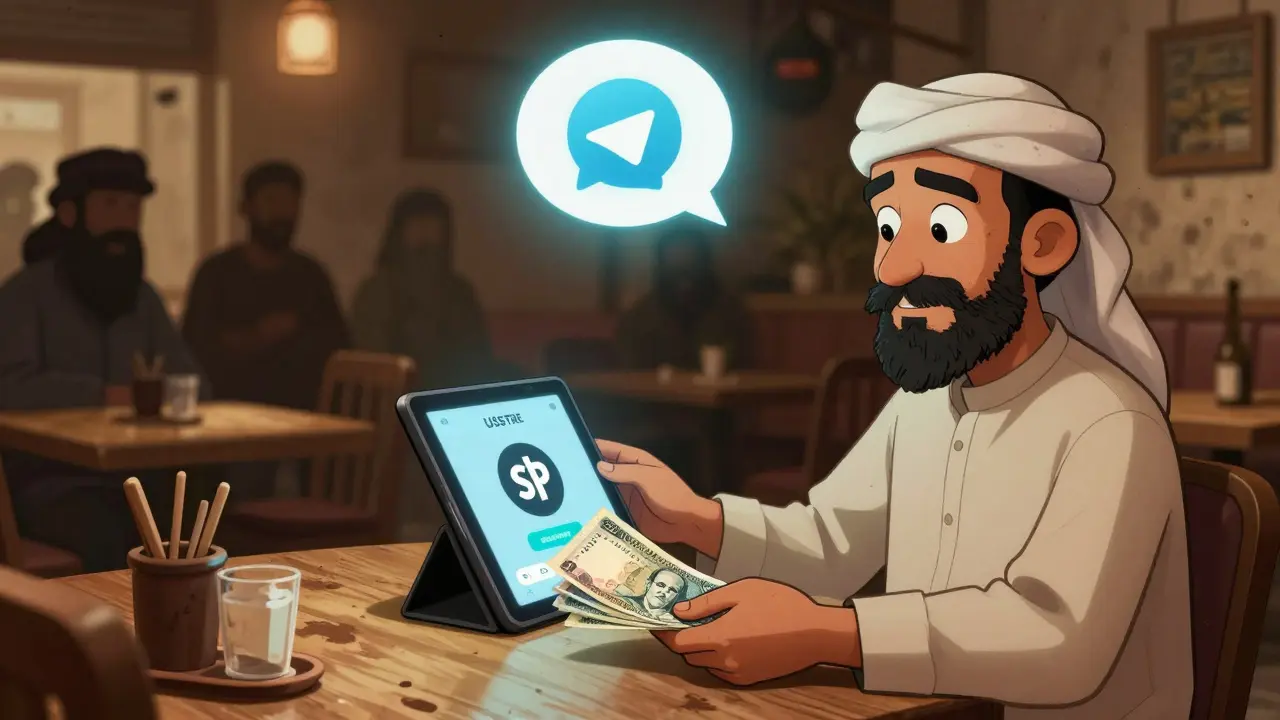
What Happens When Stablecoins Get Frozen?
Stablecoins like USDT and USDC are the backbone of P2P trading in restricted countries. They’re stable, widely accepted, and easy to move. But they’re also the easiest to track. In 2024, nine out of ten U.S.-based exchanges started automatically blocking any wallet flagged by OFAC. That means if your wallet ever received a single dollar from a sanctioned address-even years ago-it could be frozen. No warning. No appeal. Just zero balance. This created a chilling effect. Traders in Nigeria started using new wallets for every transaction. People in Iran began splitting funds across dozens of wallets to avoid detection. Some turned to privacy tools like Tornado Cash-but even those got hit. After Tornado Cash was sanctioned, its usage dropped 48% in just six months. The result? Less liquidity. Fewer buyers. Higher premiums. In Venezuela, USDT now trades at a 15% premium on P2P platforms compared to the global rate because supply is so tight.How DeFi Platforms Are Changing the Game
Decentralized finance (DeFi) once promised a way out. No KYC. No banks. Just smart contracts. But even DeFi isn’t immune. In 2024, 42% of DeFi protocols added OFAC compliance checks to their interfaces. Uniswap, Curve, and other major platforms started rejecting transactions from known sanctioned addresses. Some even froze user funds automatically. Ethereum-based transactions involving sanctioned countries dropped 29% after mid-2024 monitoring tools were upgraded. That’s a big deal-because Ethereum is the most used blockchain for P2P trades. The irony? DeFi was supposed to be the escape hatch. Now, it’s just another gatekeeper.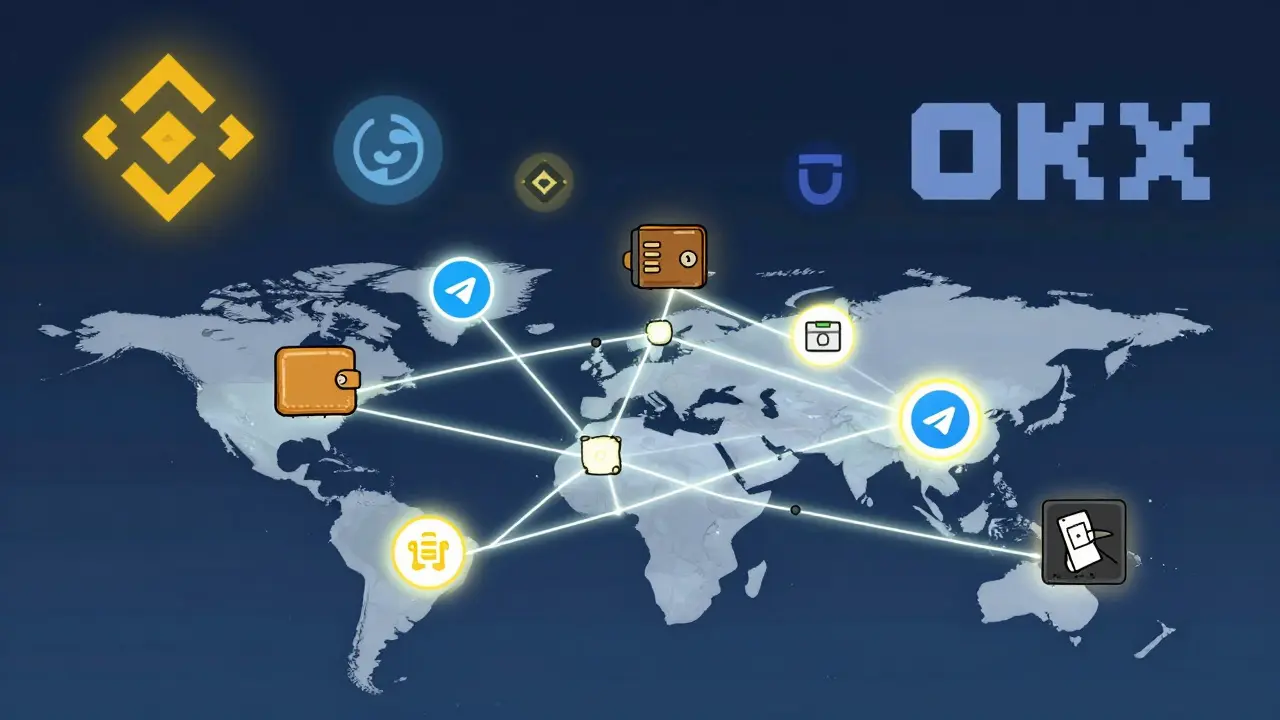

18 Comments