- 6 Feb 2026
- Elara Crowthorne
- 20
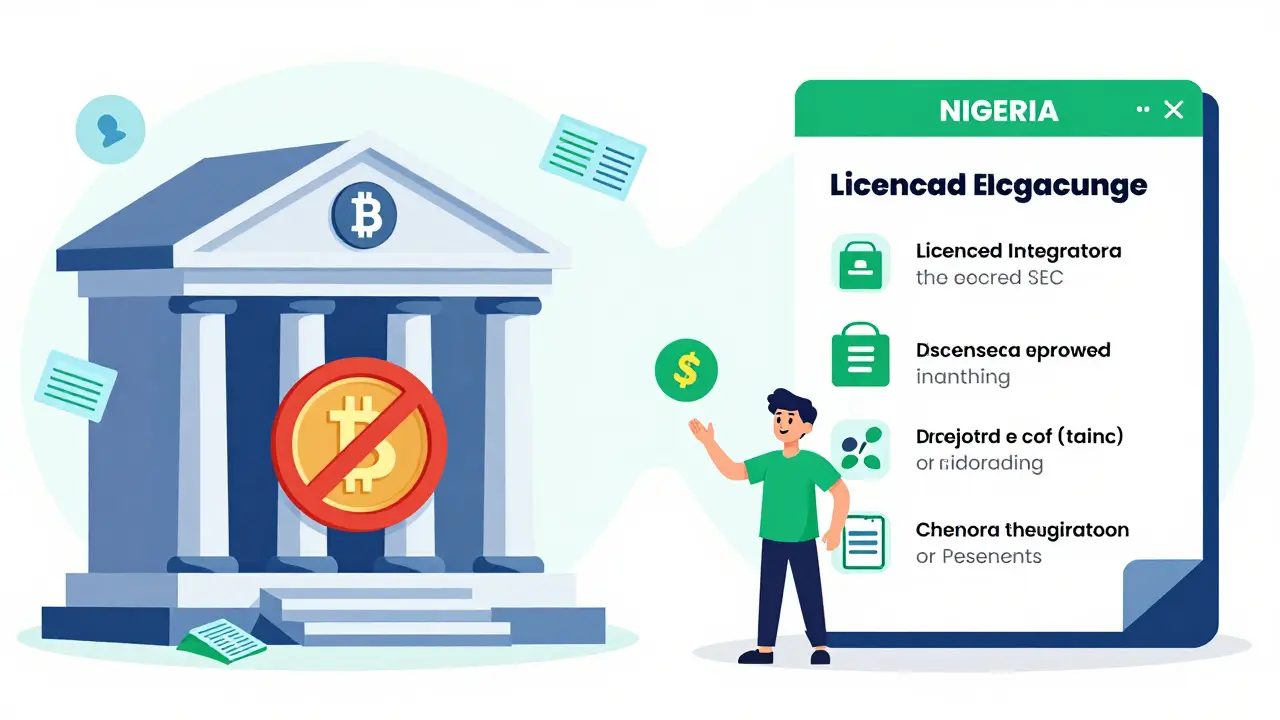
Nigeria's crypto regulations have transformed from a restrictive environment to a structured legal framework in 2026. Forget the old days when banks blocked crypto transactions. The government now actively supports digital assets-under clear rules. This shift means you don't need to avoid restrictions. You need to play by the new ones. Let's break down exactly what you need to know.
The Big Change: No More Restrictions, Just Rules
Before 2025, Nigeria's crypto scene was messy. The Central Bank of Nigeria (CBN) banned banks from handling crypto transactions in 2017 and cracked down hard in 2021. People had frozen accounts, and trading felt risky. But everything changed with the Investments and Securities Act (ISA) 2025. Signed into law on March 25, 2025, this legislation officially recognized digital assets as financial securities under Nigerian legislation. The CBN lifted its ban in late 2023 and started working with licensed crypto businesses. Today, crypto trading isn't just allowed-it's regulated. You don't need to hide your crypto activity. You need to do it legally.
Who's in Charge Now? SEC Takes the Lead
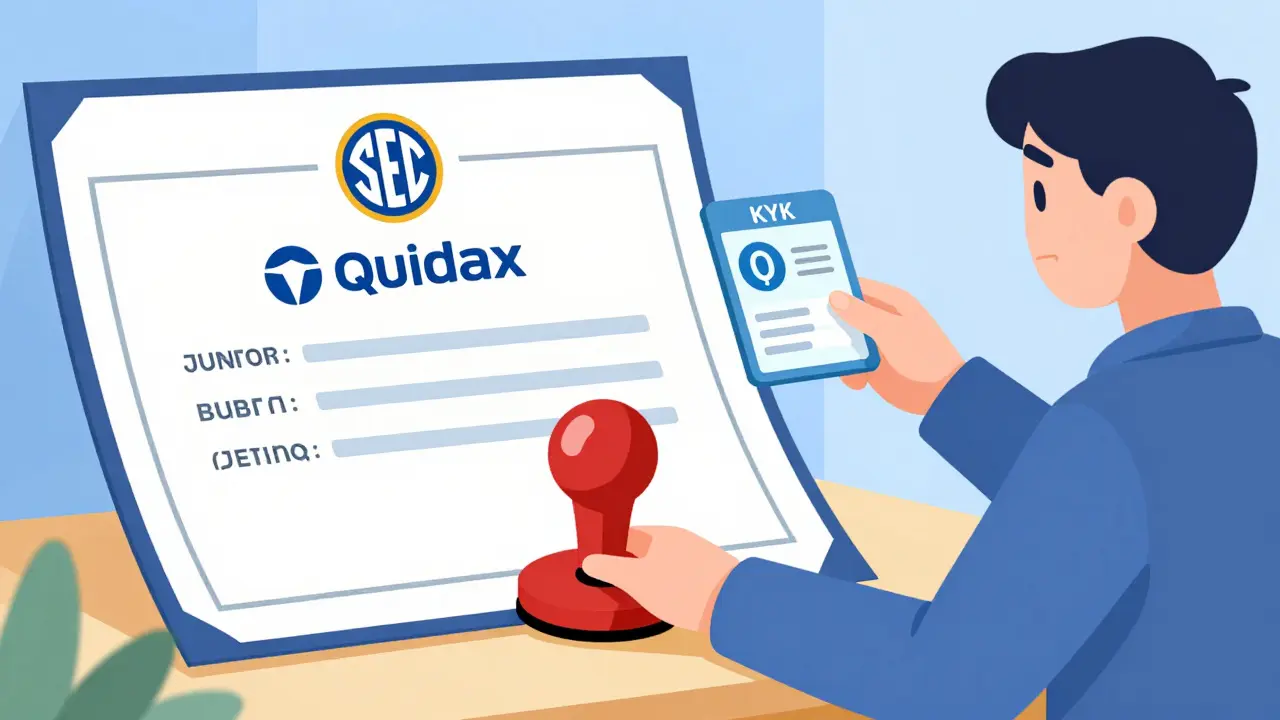
The Securities and Exchange Commission (SEC) is now the main regulator for crypto in Nigeria. They took over from the CBN's scattered rules. The SEC requires all crypto exchanges and service providers to get licensed. Think of it like a driver's license for crypto businesses. Without it, they can't operate. Early licenses went to platforms like Quidax and Busha. These exchanges now have to follow strict rules: proper KYC checks, transaction monitoring, and reporting to regulators. This isn't about stopping crypto-it's about making it safe. The SEC works with the Economic and Financial Crimes Commission (EFCC) and Nigerian Financial Intelligence Unit (NFIU) to catch scams. They've even got tools to access telecom records for fraud investigations. This coordinated effort means better protection for users.
What You Need to Do to Stay Legal
If you're using crypto in Nigeria, here's what you must do. First, use only SEC-licensed exchanges. Quidax and Busha are the main ones approved so far. They're the only ones allowed to connect with Nigerian banks. If you're using an unlicensed platform, you risk losing funds or getting caught in a scam. Second, complete full KYC. That means showing your ID, proof of address, and sometimes even source of funds. This isn't just paperwork-it's how regulators stop money laundering. Third, keep records of all transactions. You'll need them for taxes and if the SEC ever asks. No more anonymous trading. The days of using unregulated P2P platforms without checks are over. Legitimate crypto activity now requires transparency.
Tax Rules You Can't Ignore (Starting 2026)
Starting January 1, 2026, crypto profits will be taxed. The Nigerian Tax Act 2025 treats crypto as property. That means when you sell or trade crypto for profit, you owe taxes. For individuals, profits are taxed at a sliding scale up to 25%. Companies pay 20% on earnings between ₦25 million and ₦100 million, and 30% above that. Plus, all crypto businesses must charge 7.5% VAT on transaction fees. This might sound complicated, but it's actually fair. Other countries tax crypto at higher rates. The key is keeping detailed records. Use a trusted tax software or accountant who understands digital assets. Ignoring taxes now could lead to big penalties later.
Common Mistakes to Avoid
Many people make mistakes when dealing with crypto in Nigeria today. First, using unlicensed exchanges. Some platforms still operate without SEC approval. They might offer higher returns, but they're not safe. Second, skipping KYC. You might think it's intrusive, but skipping it makes you a target for fraud. Third, not tracking transactions. If you can't prove your profits or losses, you'll have issues with taxes. Fourth, ignoring the tax deadline. January 1, 2026, is coming fast. Start preparing now. Lastly, assuming privacy is possible. The SEC and tax authorities can access your transaction history. There's no hiding. Play it safe-follow the rules.
What's Next for Crypto in Nigeria?
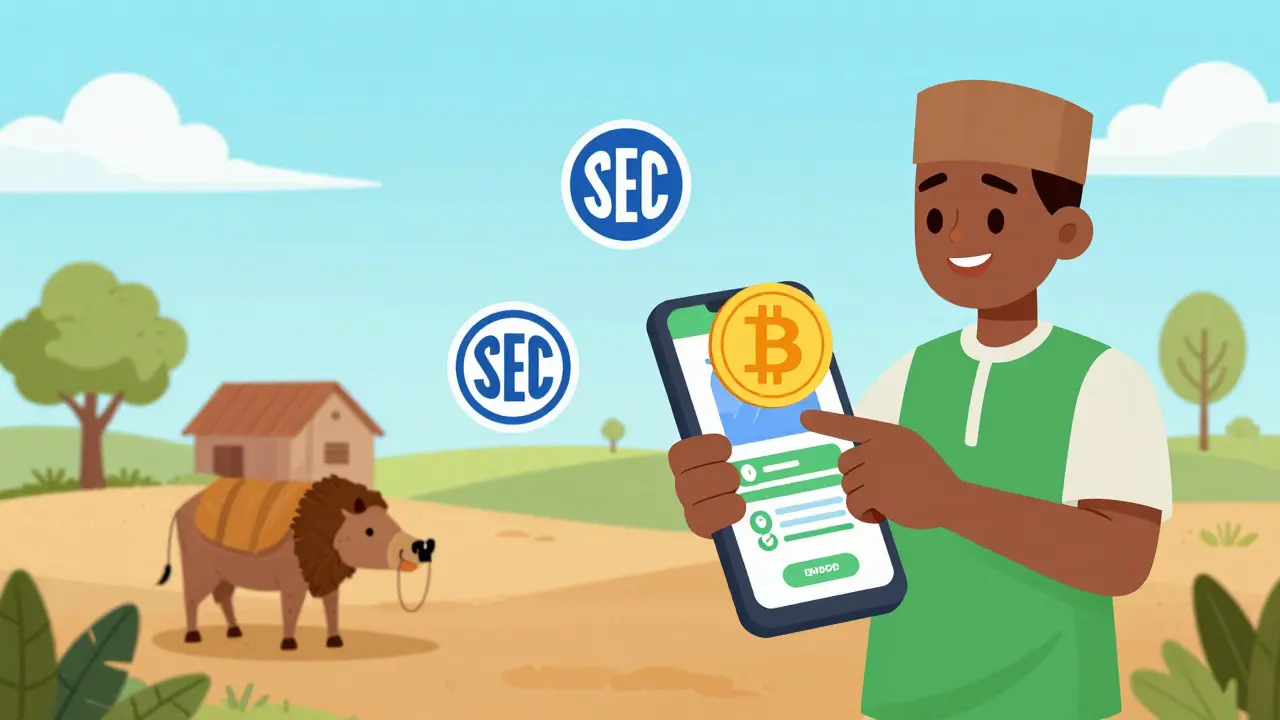
Nigeria's crypto future looks promising. More exchanges will get licensed soon. The SEC is working on rules for decentralized finance (DeFi) and stablecoins, which could open new opportunities. The government wants to use crypto to boost financial inclusion. With 40% of Nigerians unbanked, digital assets could help millions access banking services. Foreign investment is also flowing in. Companies from the US and Europe are setting up offices in Lagos. This isn't just about trading-it's about building a new financial ecosystem. But success depends on consistent enforcement. If regulators stay firm, Nigeria could become Africa's crypto hub. If not, it could fall behind.
Can I still trade crypto in Nigeria legally?
Yes, absolutely. Since the CBN lifted its ban in late 2023 and the ISA 2025 law took effect, crypto trading is legal under SEC oversight. You must use SEC-licensed exchanges like Quidax or Busha. These platforms are fully integrated with Nigerian banks, making deposits and withdrawals easy. Avoid unlicensed platforms-they're not protected by law and could disappear overnight.
What happens if I use an unlicensed crypto exchange?
Using an unlicensed exchange puts you at serious risk. These platforms operate outside SEC oversight, so there's no guarantee your funds are safe. They might shut down suddenly, leaving you with no way to access your money. Worse, they could be scams designed to steal your assets. The SEC has already started cracking down on unlicensed operations. If caught, you could face legal consequences for supporting illegal activity. Always check the SEC's official list of approved exchanges before trading.
How do I report crypto taxes in Nigeria?
Crypto tax reporting in Nigeria follows standard property tax rules. You'll need to track all transactions-when you bought, sold, or exchanged crypto. Use software like CoinTracking or Koinly to calculate profits. Report these on your personal income tax return (for individuals) or corporate tax return (for businesses). The tax authority will apply rates based on your earnings: up to 25% for individuals, 20-30% for companies. Remember, VAT applies to transaction fees charged by exchanges. If you're unsure, consult a tax professional familiar with digital assets. Missing deadlines could lead to fines or audits.
Are NFTs regulated in Nigeria?
It depends on the type of NFT. Artistic NFTs used for personal enjoyment aren't regulated as securities. But NFTs that function like investments-like fractional ownership of real estate or tokens promising returns-are treated as securities under SEC rules. These must be registered and sold through licensed platforms. The SEC is still clarifying rules for different NFT use cases. If you're unsure whether your NFT falls under securities regulations, consult a legal expert. Always check the SEC's guidance before trading NFTs for investment purposes.
What's the penalty for not complying with crypto regulations?
Penalties for non-compliance can be severe. The SEC can revoke a business's license, impose fines up to ₦50 million, or even pursue criminal charges for serious violations like money laundering. For individuals, failing to report crypto taxes could lead to penalties of up to 200% of the tax owed, plus interest. The Economic and Financial Crimes Commission (EFCC) has also started investigating unlicensed crypto operations. Ignoring regulations isn't worth the risk. Stay compliant to avoid legal trouble and protect your assets.

20 Comments
As a Nigerian citizen, I must emphasize that the SEC's regulatory framework is a monumental step forward for our nation's financial sovereignty. Those who criticize it are either ignorant or deliberately undermining our progress. Crypto isn't just about profit-it's about building a future where Nigeria leads Africa's digital economy. If you're not compliant, you're not part of the solution.
SEC's 'regulation' is just a tax grab. No oversight, just fees. Avoid it.
Nigeria's crypto rules are actually pretty solid. SEC oversight is better than nothing. Just use licensed exchanges and keep records. Simple.
Nigeria's crypto regulations are a win! SEC is keeping it safe. If you're not using Quidax or Busha, you're risking everything. Be smart, stay legal.
It's great to see Nigeria taking steps to regulate crypto properly. Clear guidelines help everyone stay safe. Always check SEC's approved exchanges before trading.
SEC is just a front for the government to control all crypto. They're tracking every transaction. No privacy anymore. It's a surveillance state.
Your statement is fundamentally flawed. The SEC's regulations are designed to protect investors, not tax them. Ignoring compliance is reckless.
this regualtion thing is so confusing. why do they have to make it hard? just let us trade. i dont care about taxes.
Quidax and Busha? They're probably scams too. SEC is just another layer of bureaucracy. Crypto should be decentralized, not regulated. 😈
Clear rules are good, but enforcement needs to be consistent. If the SEC is too strict, it could stifle innovation. Balance is key
Surveillance state? Maybe. But the alternative is chaos. Every society needs some oversight. It's the trade-off for safety. 🤔
You're missing the point entirely. The SEC's regulations are not about protection but about control. They want to monetize every transaction. This is just another way for the government to extract wealth from citizens under the guise of 'protection'. And don't even get me started on how they're using telecom data to track us. It's a slippery slope to total surveillance. I mean, really, who trusts the government with our financial data? Not me. Remember the days when crypto was supposed to be free from government interference? Now it's just another bureaucratic nightmare. Every rule they impose is another chain on our freedom. They claim it's for security, but it's really about power. They want to control every transaction, every dollar, every bit of data. This isn't regulation-it's authoritarianism wrapped in a shiny SEC badge. And the worst part? They'll keep expanding their reach until there's nothing left of the crypto we loved. It's a slow-motion takeover, and we're all just watching it happen. Wake up before it's too late.
Your typing is atrocious. Proper KYC is necessary to prevent fraud. Without it, the crypto space would be a free-for-all for criminals.
Decentralized doesn't mean unregulated. Proper oversight ensures security. Licensed exchanges are safer. Embrace the change!
Balance? The SEC is already too lenient. If they don't crack down on scams, people will lose money. Simple as that.
Chaos vs. oversight? It's a false dichotomy. True freedom is when you don't have to answer to anyone. The SEC is just another prison gate. They claim to protect us, but they're just building a cage. Every regulation is a step towards control. And let's be real-how many times have governments 'protected' us only to exploit us later? Crypto was supposed to be free from that. Now it's just another battleground for power. It's sad, really.
I see your point, but perhaps there's a middle ground. Regulation can be done thoughtfully without being oppressive. Let's work together to find it!
You're absolutely right! KYC is crucial for safety. 🛡️ Without it, scammers run rampant. Stay safe out there!
Embracing change? It's not about embracing-it's about survival. The world is changing, and Nigeria is leading the charge. Those who resist are left behind.
Regulation is a double-edged sword. Too strict stifles innovation; too loose invites chaos. The SEC is walking a tightrope. Only time will tell if they get it right.