- 5 Aug 2026
- Elara Crowthorne
- 0
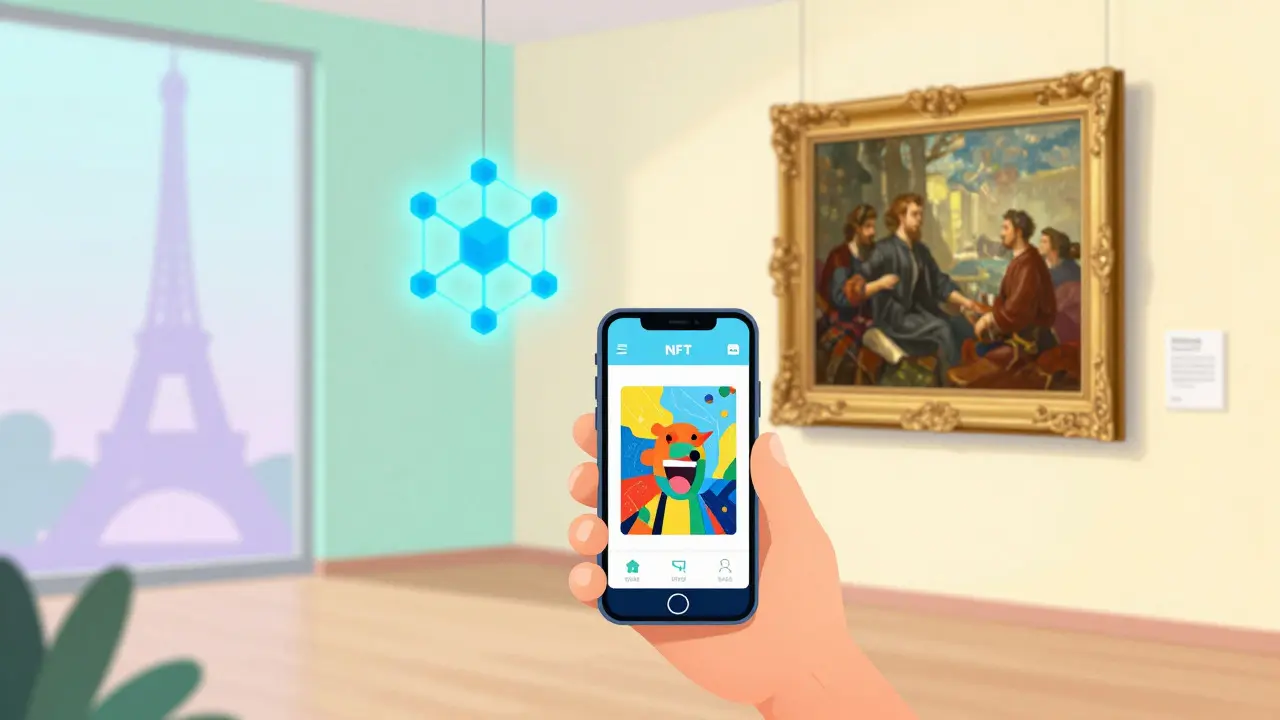
Buying a painting used to mean shaking hands with a gallery owner and signing a check. Today, it can mean swapping tokens on a blockchain. Artrade is a Paris-based platform that blends the world of fine art and luxury goods with cryptocurrency technology. Its native token, ATR, powers this ecosystem, allowing users to buy digital art, participate in governance, and enter exclusive raffles for high-end physical items.
If you have stumbled upon ATR on a trading chart or heard about "no-loss raffles" for luxury bags, you might be wondering what actually backs this project. Unlike generic meme coins or pure speculative assets, Artrade positions itself as a utility-driven bridge between the traditional art market and the decentralized web. But does it deliver on its promises? Let’s break down exactly how Artrade works, what the ATR token is for, and why the data surrounding it can be confusing.
The Core Concept: Bridging Art, Luxury, and Blockchain
At its heart, Artrade aims to solve three specific problems in the current NFT space: high fees, environmental concerns, and a lack of real-world value connection. Launched around 2021, the project operates out of Paris, France. It markets itself as the first eco-responsible application dedicated to NFTs. This isn't just buzzword stuffing; it suggests a commitment to using energy-efficient blockchains or offsetting carbon footprints, though specific technical audits on their energy usage are sparse in public listings.
The platform serves two main audiences. First, there are the artists and collectors who want to mint and trade digital artworks without paying exorbitant commissions to platforms like OpenSea or Rarible. Second, there are the luxury consumers who want access to high-end goods-think designer handbags or watches-through a novel mechanism called "no-loss raffles."
Here is how the flow typically works:
- Create & Mint: Artists upload work to the Artrade app. The platform claims to simplify this process, removing the complex technical barriers usually associated with smart contracts.
- Buy & Sell: Users purchase these digital assets using the ATR token or other supported cryptocurrencies.
- Stake & Earn: Holders can lock up (stake) their ATR tokens to gain benefits like fee reductions and entry into raffles.
This model attempts to create a closed-loop economy where holding the token provides tangible utility beyond just hoping the price goes up.
Understanding the ATR Token Utility
The ATR token is the native utility currency of the Artrade ecosystem. It is not designed primarily as a store of value like Bitcoin, but rather as a tool to interact with the platform. According to data from CoinDesk and CoinMarketCap, the token has several distinct functions that drive demand within the Artrade community.
| Utility Feature | Description | Benefit to User |
|---|---|---|
| Cashback Rewards | Users receive rewards when buying or selling art. | Both buyers and sellers get a 2.5% cashback in ATR for transactions. |
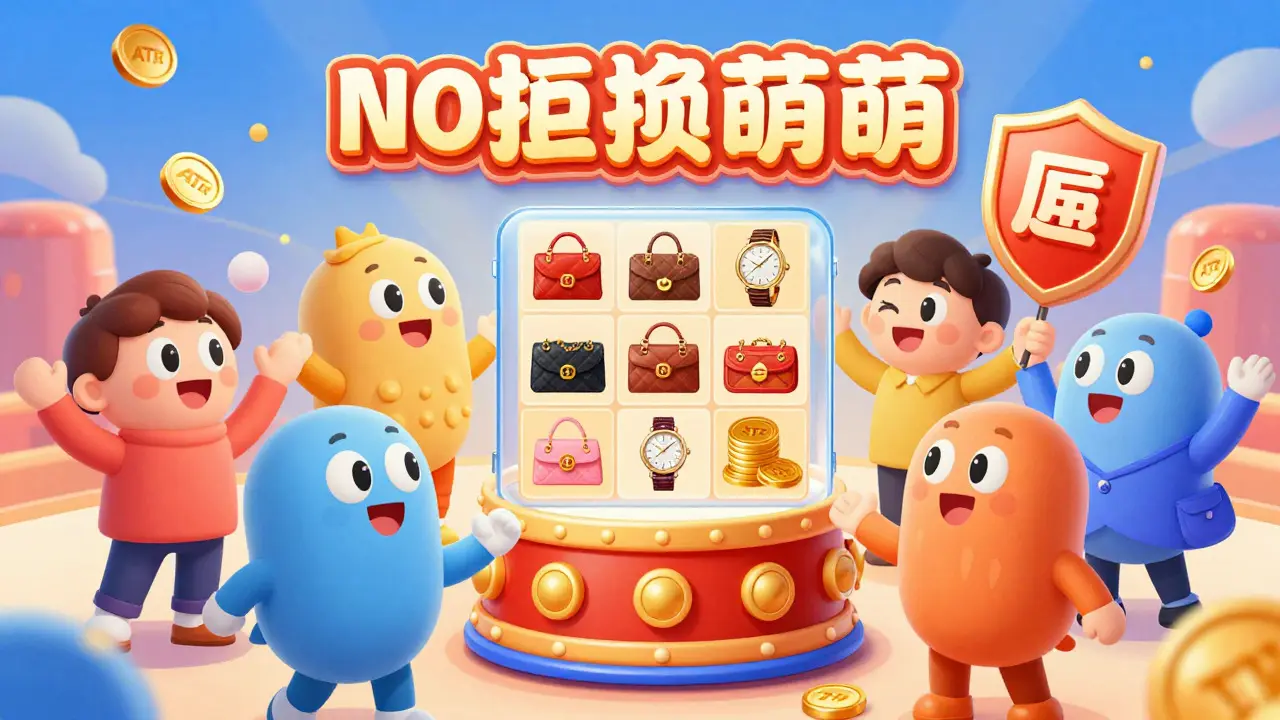
| No-Loss Raffles | Exclusive draws for luxury goods. | Stakers can win items discounted by up to 40%. If you don't win, your stake is returned. |
| Governance | Voting rights on platform decisions. | Holders influence the future direction of the marketplace. |
| Fee Reductions | Lower transaction costs. | Using ATR often reduces the commission fees charged by the platform. |
| Access to Features | Unlocking premium tools. | Access to features like NFT Live and NFT Real integrations. |
The "no-loss raffle" concept is particularly unique. In traditional raffles, if you don't win, you lose your ticket money. In Artrade's model, because it is built on blockchain transparency, staked tokens are locked during the draw and returned if you aren't the winner. This significantly lowers the risk barrier for users interested in acquiring luxury goods at a discount.
Fractionalized Ownership and Real-World Assets (RWA)
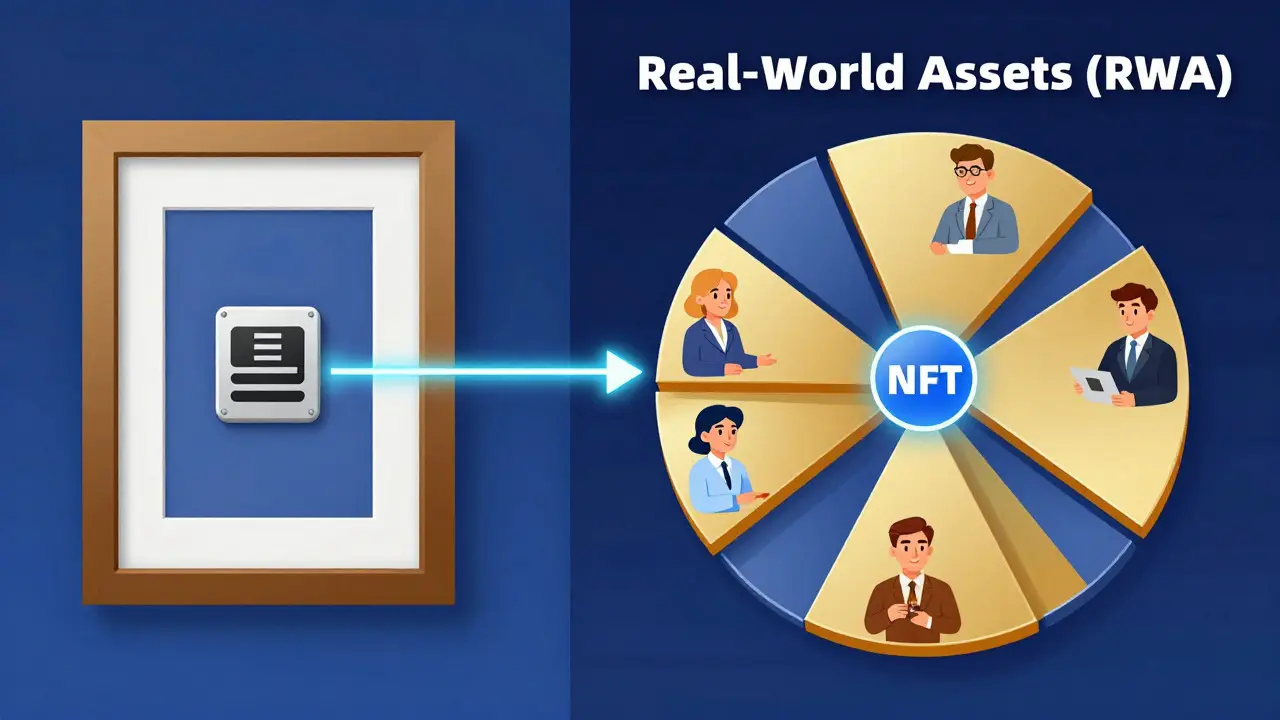
One of the most ambitious aspects of Artrade is its focus on Real-World Assets (RWA). While many NFT projects remain stuck in the realm of digital profile pictures (PFPs), Artrade integrates physical authentication into its digital layer.
They utilize Near Field Communication (NFC) technology. Imagine buying a physical painting through Artrade. Embedded in the frame or certificate is an NFC chip. When you tap your phone against it, it verifies the artwork's authenticity on the blockchain. This links the physical object to its digital twin, preventing forgery-a massive issue in the traditional art world.
Furthermore, Artrade supports fractionalized art ownership. High-value artworks can be split into multiple tokens. This means you don't need $1 million to own a piece of a famous contemporary artist. You can buy one token representing 1% of that artwork. This democratizes access to high-tier art investments, allowing smaller investors to diversify their portfolios with tangible asset exposure.
Tokenomics: Supply Discrepancies and Volatility
When analyzing any cryptocurrency, you must look at the tokenomics-the supply and distribution mechanics. Here is where things get tricky with Artrade. There is significant confusion across major data aggregators regarding the total and circulating supply of ATR.
Some sources, like CoinGecko and Coinbase, report a maximum supply of approximately 1.265 billion ATR, with nearly 100% of those tokens already in circulation. Other platforms, such as Coin360, list a max supply of 1.8 billion ATR. This discrepancy could stem from different data scraping methods, token migrations, or errors in reporting. For a serious investor, verifying the exact supply directly from the smart contract on the blockchain explorer is crucial.
The token is described as deflationary, meaning mechanisms exist to burn or remove tokens from circulation over time, potentially increasing scarcity. However, given the low nominal price-which has fluctuated wildly between lows of $0.0007 and highs of over $0.10-ATR remains a highly volatile small-cap asset. Market capitalization rankings vary from #700 to #2000 depending on the tracker, reflecting its niche status. It is not a blue-chip coin; it is a specialized utility token tied to the success of the Artrade marketplace.
Where to Buy and Trade ATR
Liquidity is another critical factor. Fortunately, Artrade has managed to secure listings on several reputable exchanges, which adds a layer of legitimacy compared to unlisted tokens. You can find ATR trading pairs on platforms including:
- Coinbase: Offers broad accessibility for US and international users.
- Kraken: Known for strong security measures.
- Crypto.com: Provides easy integration with their mobile app.
- Gate.io and Bitget: Popular among traders looking for newer altcoins.
To use the Artrade platform effectively, you would typically buy ATR on one of these centralized exchanges, withdraw it to a compatible wallet (such as MetaMask, since the contract address suggests BNB Smart Chain compatibility), and then connect that wallet to the Artrade app. Always double-check the contract address before sending funds to avoid scams.
Risks and Considerations
No investment is without risk, and Artrade presents several specific challenges you should weigh carefully.
Data Fragmentation: As noted, the conflicting supply numbers across CoinMarketCap, CoinGecko, and others make it hard to get a precise picture of market dominance. This inconsistency can lead to miscalculations in valuation.
Lack of Deep Technical Documentation: While marketing materials are plentiful, detailed whitepapers or independent third-party security audits of the smart contracts are not prominently featured in public search results. For a platform handling high-value art and luxury goods, robust security verification is essential.
Regulatory Uncertainty: Based in Paris, Artrade likely falls under European Union regulations regarding digital assets and MiCA (Markets in Crypto-Assets) rules. However, the specific licensing status and compliance certifications are not clearly outlined in standard asset profiles. Regulatory changes in the EU could impact how they operate, especially concerning the raffle mechanics which might blur lines between gaming and financial services.
Volatility: With an all-time high of roughly $0.10 and lows near $0.0007, the token has experienced swings of over 100x. This indicates high speculation. If the marketplace adoption slows down, the utility demand for ATR could drop, leading to price declines.
Is Artrade Right for You?
Artrade appeals to a very specific type of user. If you are a crypto-native collector who loves art, or a luxury enthusiast intrigued by the idea of winning a designer bag via blockchain raffles, the platform offers a novel experience. The integration of NFC for physical verification and fractional ownership represents a genuine step forward in bridging the physical and digital worlds.
However, if you are looking for a stable store of value or a purely passive investment, ATR may not fit your portfolio. It requires active participation-staking, voting, and transacting-to realize its full utility. Furthermore, due to the data inconsistencies and lack of extensive independent auditing visible in public records, it demands a higher degree of due diligence than established giants like Ethereum or Bitcoin.
Before diving in, verify the latest contract details, check the live liquidity on your preferred exchange, and perhaps start with a small amount to test the user interface and the raffle mechanics firsthand. The intersection of art, luxury, and crypto is still evolving, and Artrade is positioning itself as a key player in that narrative-but always keep your risk management tight.
What is the primary use case for the ATR token?
The ATR token is a utility token used within the Artrade ecosystem. Its main uses include purchasing digital and physical artworks, earning 2.5% cashback on transactions, staking for fee reductions, and participating in "no-loss raffles" for luxury goods. It also grants governance rights to vote on platform updates.
How do Artrade's "no-loss raffles" work?
Users stake their ATR tokens to enter a raffle for luxury items, which can offer discounts up to 40%. The term "no-loss" means that if you do not win the item, your staked tokens are returned to your wallet. This differs from traditional raffles where the entry fee is lost if you don't win.
Why are there different supply numbers for ATR on different websites?
There is currently a discrepancy in reported data across major trackers. Some sites like CoinGecko list a max supply of ~1.26 billion, while others like Coin360 list ~1.8 billion. This may be due to data scraping errors, token migrations, or different definitions of circulating vs. total supply. Investors should verify data directly on the blockchain explorer.
Is Artrade eco-friendly?
Artrade markets itself as the "first eco-responsible application dedicated to NFTs." This implies a focus on lower energy consumption, possibly by utilizing proof-of-stake chains or implementing carbon offset programs, though specific technical metrics on energy usage are not widely published in public asset profiles.
Can I buy physical art through Artrade?
Yes, Artrade focuses on Real-World Assets (RWA). It allows for the tokenization of physical art, often using NFC chips embedded in the physical pieces to link them to their digital NFT counterparts. This enables fractional ownership and verified authenticity of physical artworks.
Which exchanges list the ATR token?
ATR is listed on several major cryptocurrency exchanges, including Coinbase, Kraken, Crypto.com, Gate.io, and Bitget. This wide listing availability helps ensure liquidity and ease of access for global users.
What is the risk level of investing in ATR?
ATR is considered a high-risk, small-cap asset. It has shown extreme volatility, with prices swinging from less than $0.001 to over $0.10. Additionally, inconsistent data reporting and limited public technical audits suggest that investors should perform thorough due diligence and only invest what they can afford to lose.
