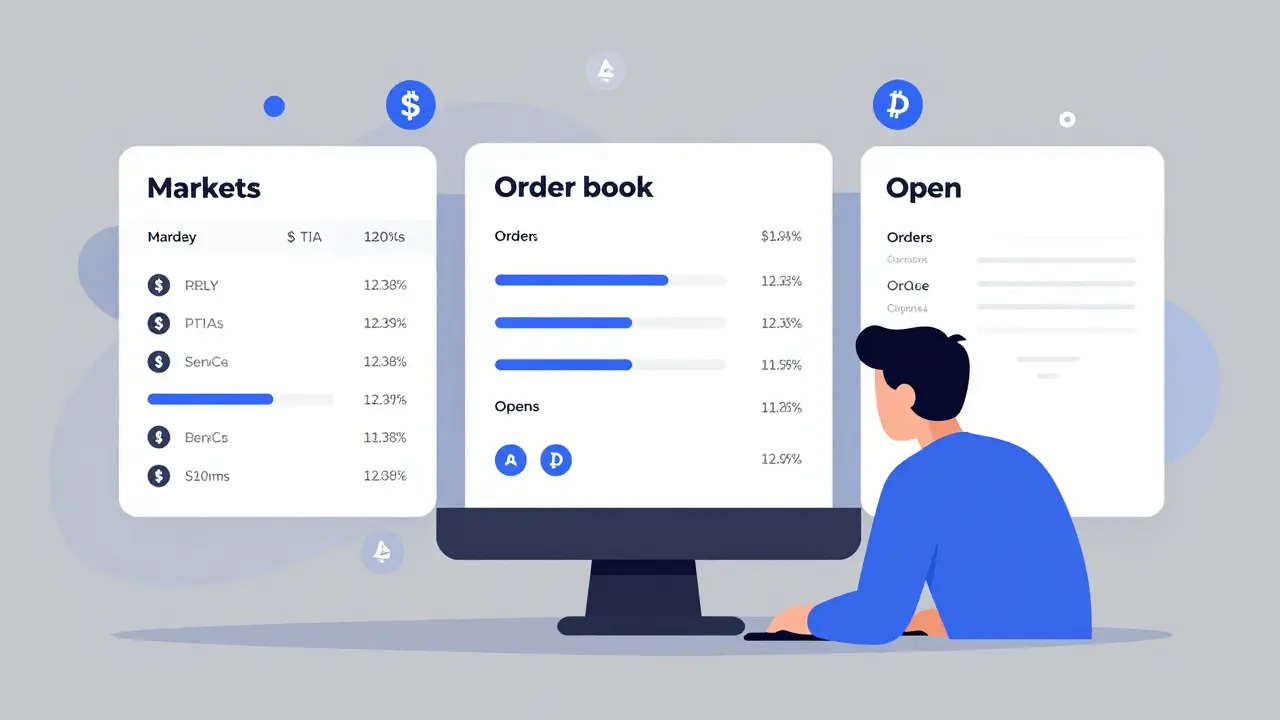
NEXT.exchange is a fast, low-fee crypto exchange built for active traders who want transparency over hype. With no U.S. support, no app, and no fiat, it delivers clean trading for those who know what they need.
When working with crypto exchange, a platform that lets you buy, sell, or swap digital assets. Also known as digital asset exchange, it serves as the gateway between your wallet and the blockchain world. Centralized exchange, a service run by a company that holds users' funds and matches orders internally offers familiar interfaces and strong customer support, while decentralized exchange, a peer‑to‑peer protocol that lets you trade directly from your wallet gives you full control over your private keys. Both types demand a clear view of trading fees, the costs charged per transaction, including maker, taker and withdrawal fees, because fees directly affect your net returns. At the same time, liquidity, the amount of readily tradable assets available in a market determines how quickly you can enter or exit positions without slippage. Understanding how these elements interact helps you pick a platform that matches your risk tolerance, budget and trading style.
Crypto exchange selection isn’t just about price; it’s also about security and user experience. Centralized platforms typically implement KYC, insurance funds and cold‑storage vaults, which can protect you from hacks but also expose you to regulatory constraints. Decentralized alternatives rely on smart‑contract audits and community governance, offering censorship resistance but requiring you to manage your own keys. The trade‑off between convenience and control often decides whether you’ll use a single hub for all assets or split activities across multiple venues. For active traders, low‑latency order books and deep liquidity pools matter more than a polished UI, while casual investors may prioritize easy fiat on‑ramps and clear fee disclosures. By mapping each exchange’s fee tier, security model and liquidity depth, you can create a checklist that mirrors real‑world trading scenarios.
Below you’ll find a curated set of articles that break down these topics piece by piece. We’ve covered everything from how blockchain prevents double‑spending to detailed reviews of specific platforms like Bitpanda, Paribu and OrangeX. Whether you’re hunting the cheapest fee structure, testing the robustness of a DEX’s liquidity algorithm, or simply want a quick rundown of the latest airdrop opportunities, the posts ahead give practical steps and short‑term insights. Dive in to see how each concept plays out in real exchanges and start building a trading toolbox that fits your goals.
NEXT.exchange is a fast, low-fee crypto exchange built for active traders who want transparency over hype. With no U.S. support, no app, and no fiat, it delivers clean trading for those who know what they need.

Stellarport is a free, noncustodial crypto exchange built for the Stellar network. No fees, no KYC, no control over your funds - just direct peer-to-peer trading. Perfect for experienced users who value sovereignty over convenience.

Woof Finance is not a real crypto exchange-it's a scam platform using the WOOF token to trick users into depositing crypto. Learn how to spot this fraud and protect your funds.

Global Blockchain Exchange is a secure, user-friendly crypto platform ideal for beginners holding Bitcoin and Ethereum. With strong regulatory compliance and seamless wallet-exchange integration, it’s safe but lacks altcoins and advanced tools traders need.

A concise review of Diffusion Finance crypto exchange covering its limited public data, fees, security, tax reporting, and how it compares to major platforms.

A deep dive into Bitnomial, the first CFTC‑regulated U.S. crypto derivatives exchange, covering licenses, product suite, margin collateral, tech, and who should trade there.
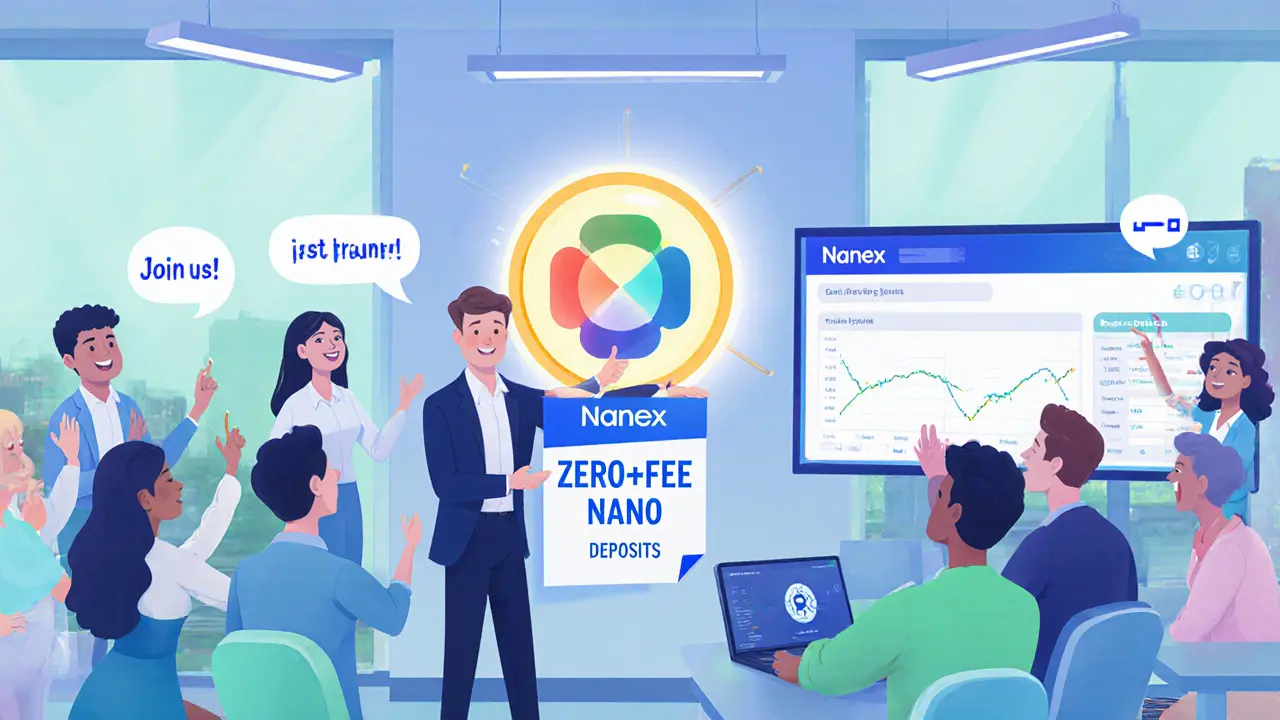
A comprehensive review of Nanex crypto exchange, covering its history, features, security, low liquidity, shutdown reasons, and key lessons for traders.