SOHO19 Crypto District

Crypto Regulation Nepal: What You Need to Know

When talking about crypto regulation Nepal, the legal framework that governs digital assets in Nepal. Also known as Nepal crypto law, it sets the ground rules for anyone creating, trading, or investing in cryptocurrencies within the country. The government’s stance has shifted from outright bans to a more nuanced approach that mixes supervision with opportunities for innovation. Understanding this landscape helps you avoid fines, keep your projects legit, and spot where new business models can thrive. Below, crypto regulation Nepal is broken down into bite‑size pieces so you can act with confidence.

Key Players and Pieces of the Puzzle

First, the Securities Board of Nepal (SEBON), the regulatory authority that issues licenses for crypto exchanges and monitors market conduct acts as the main gatekeeper. SEBON’s recent guidelines demand clear KYC processes, robust cybersecurity measures, and regular reporting to curb fraud. Next, the Anti‑Money Laundering (AML) framework, a set of rules that require transaction monitoring, suspicious activity reporting, and record‑keeping for crypto businesses aligns Nepal with global financial standards and forces exchanges to verify user identities before allowing trades. Then there’s the crypto exchange compliance checklist, a practical guide covering licensing, security audits, and capital reserve requirements for platforms operating in Nepal, which helps both local startups and foreign firms navigate the approval process. Finally, the digital asset tax regime, the tax rules that treat cryptocurrency gains as capital gains or business income depending on the activity, determines how traders report profits and which deductions they can claim. These four entities together shape the entire compliance ecosystem.

Why does this matter for you? Because the rules dictate everything from how you can earn from airdrops to whether you can use stablecoins for cross‑border remittances. For example, the recent airdrop safety checklist on our site references SEBON‑approved token listings, ensuring you don’t fall for scams that exploit regulatory gaps. Likewise, our guide on blockchain immutability mentions the AML framework’s role in preventing illicit fund flows through immutable ledgers. When you trade on a platform that follows the exchange compliance checklist, you benefit from lower withdrawal fees and higher liquidity—both critical for DeFi strategies. And if you’re a developer building a payment gateway, the digital asset tax regime tells you how to structure fees so they stay tax‑efficient. In short, each post in this collection ties back to at least one of those core entities, giving you a holistic view of the regulatory terrain.

Ready to dig deeper? Below you’ll find articles that walk through specific coins, airdrop mechanics, blockchain technicalities, and exchange reviews—all filtered through the lens of Nepal’s evolving crypto rules. Whether you’re a beginner curious about how to stay compliant or an experienced trader looking for the latest policy shifts, the list gives you actionable insights, real‑world examples, and step‑by‑step guides. Keep scrolling to uncover the full range of content that matches the entities we just outlined, and start applying the knowledge to your own crypto journey today.

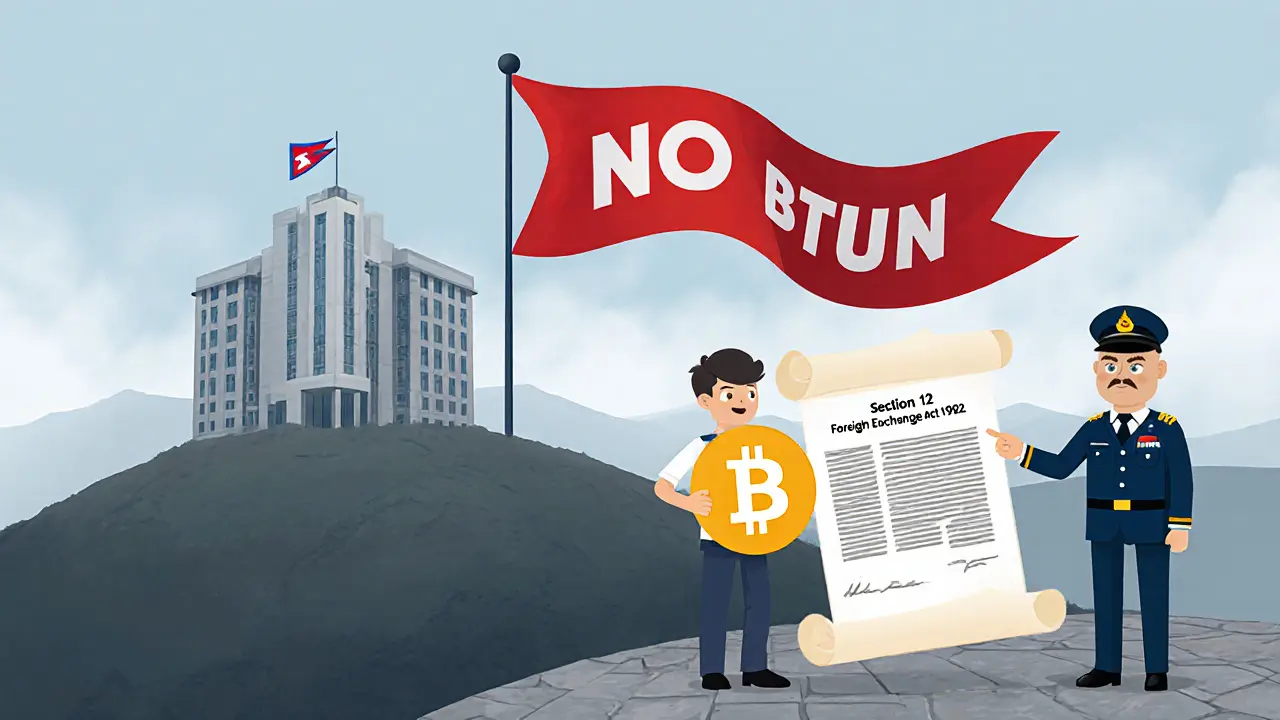
Understanding Nepal’s Cryptocurrency Ban Under the 1962 Foreign Exchange Act
  • 19 Oct 2025
  • Elara Crowthorne
  • 16

Understanding Nepal’s Cryptocurrency Ban Under the 1962 Foreign Exchange Act

A detailed look at Nepal's strict cryptocurrency ban, its legal basis under the 1962 Foreign Exchange Act, penalties, enforcement challenges, and future outlook.

View More

Popular Categories

  • Cryptocurrency Guides (159)
  • Cryptocurrency (56)
  • Cryptocurrency Trading (45)
  • Blockchain (33)
  • DeFi (32)

Latest News

LiteBit.eu Review: Is the Exchange Still Operational in 2026?

LiteBit.eu Review: Is the Exchange Still Operational in 2026?

2/May/2026
Block Reward vs Transaction Fees: How Crypto Networks Stay Secure

Block Reward vs Transaction Fees: How Crypto Networks Stay Secure

7/Sep/2025
Walmart Tokenized Stock (WMTon) Explained: How the Ondo Crypto Token Works

Walmart Tokenized Stock (WMTon) Explained: How the Ondo Crypto Token Works

21/Oct/2025
Single-Sided vs Dual-Sided Liquidity: Pros, Cons & How to Choose

Single-Sided vs Dual-Sided Liquidity: Pros, Cons & How to Choose

9/Oct/2025
Crypto Restaking: Is the Extra Yield Worth the Risk?

Crypto Restaking: Is the Extra Yield Worth the Risk?

11/Apr/2026

Popular Tags

cryptocurrency decentralized exchange crypto exchange Binance Smart Chain crypto exchange review blockchain crypto airdrop guide DeFi smart contracts CoinMarketCap airdrop Proof of Work blockchain gaming crypto exchange safety Bitcoin AI blockchain ERC-20 meme coin Proof of Stake blockchain security crypto derivatives
SOHO19 Crypto District

About

Cryptocurrency

Menu

  • About Us
  • Terms of Service
  • Privacy Policy
  • CCPA
  • Contact Us
© 2026. All rights reserved.