
SOHO19 Crypto District

FinCEN Registration: What Crypto Businesses Must Know to Stay Legal

When you run a crypto business in the U.S., FinCEN registration, a legal requirement for money services businesses under the Bank Secrecy Act. Also known as money transmitter license, it’s not optional—it’s the baseline for staying open. If you’re exchanging, transmitting, or storing crypto for others, FinCEN needs to know who you are, where you operate, and how you handle funds. Skipping this step isn’t a gray area. It’s a federal offense that can trigger fines up to $500,000, criminal charges, and permanent bans from the U.S. financial system.

The VASP licensing, a global term for Virtual Asset Service Providers regulated under anti-money laundering rules framework ties directly to FinCEN. Countries like Nigeria and Indonesia now require similar licenses, but the U.S. was the first to enforce it aggressively. The Tornado Cash, a decentralized crypto mixer sanctioned by the U.S. Treasury in 2022 for enabling illicit transfers case showed how deeply FinCEN and OFAC are watching. Even tools that sound anonymous can trigger compliance red flags if they’re used by sanctioned entities. That’s why exchanges like Bitwyre Indonesia and Global Blockchain Exchange prioritize FinCEN compliance—it’s not just about legality, it’s about survival.

Most people think FinCEN only applies to big exchanges. It doesn’t. If you run a crypto payment app like Strike Finance, operate a peer-to-peer trading platform, or even run a crypto-focused referral program that handles funds, you’re likely covered. The key is whether you’re acting as an intermediary. Holding crypto for yourself? Fine. Taking custody of someone else’s crypto to trade or send? That’s a trigger. And if you’re ignoring this because you’re "small" or "new," you’re already behind. The IRS and FinCEN cross-reference FBAR filings, blockchain analytics, and bank reports. You don’t need to be caught in a raid to be penalized—just one audit is enough.

There’s no shortcut. You can’t outsource your FinCEN obligations. You can’t hide behind a foreign entity if you’re serving U.S. customers. And you can’t claim ignorance—FinCEN’s guidance is public, free, and updated regularly. What you’ll find in the posts below are real examples: exchanges that got shut down for skipping registration, businesses that lost millions in fines, and others that built their entire model around compliance from day one. You’ll see how VASP licensing in Nigeria mirrors U.S. rules, how crypto mixers like Tornado Cash changed the game, and why platforms like CRXzone and Yum Yum vanished overnight. This isn’t theory. It’s the legal reality every crypto operator faces. Know your obligations. Know your risks. And don’t wait until it’s too late.

FinCEN Registration Requirements for Crypto Exchanges: What You Need to Know in 2025
  • 29 Nov 2025
  • Elara Crowthorne
  • 14

FinCEN Registration Requirements for Crypto Exchanges: What You Need to Know in 2025

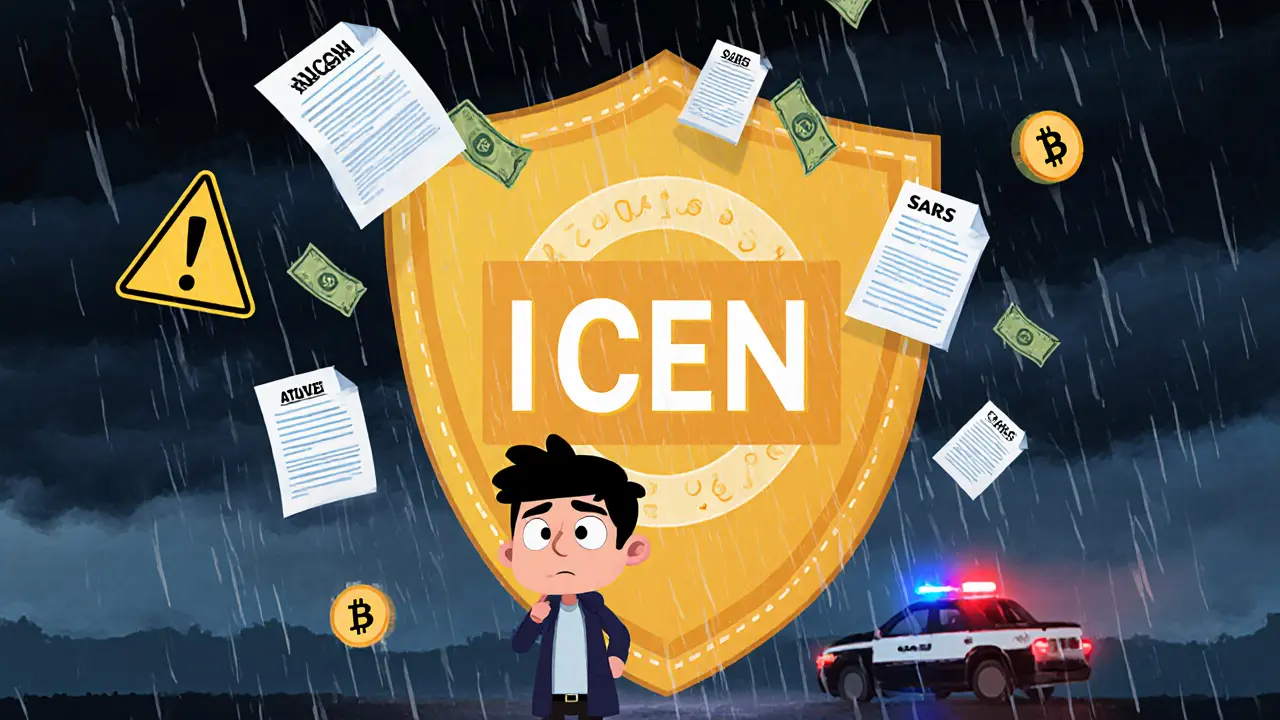
FinCEN registration is mandatory for U.S. crypto exchanges. Learn the 2025 compliance rules, state licensing requirements, AML obligations, and real costs to avoid shutdowns or criminal charges.

View More

Popular Categories

  • Cryptocurrency Guides (63)
  • Cryptocurrency (46)
  • Cryptocurrency Trading (27)
  • DeFi (14)
  • Blockchain (13)

Latest News

Paribu Exchange Review 2025: Fees, Security, and How It Stacks Up

Paribu Exchange Review 2025: Fees, Security, and How It Stacks Up

5/Nov/2024
Grassroots Crypto Adoption Despite Government Bans: How People Bypass Restrictions

Grassroots Crypto Adoption Despite Government Bans: How People Bypass Restrictions

16/Dec/2025
PUCCA Crypto Coin Explained: What It Is, How It Works, and Risks

PUCCA Crypto Coin Explained: What It Is, How It Works, and Risks

16/Oct/2025
BAKECOIN Airdrop: What You Need to Know About Bake Coin’s Token Distribution

BAKECOIN Airdrop: What You Need to Know About Bake Coin’s Token Distribution

4/Jan/2026
Multi-Jurisdictional Compliance in Blockchain: How to Stay Legal Across Borders

Multi-Jurisdictional Compliance in Blockchain: How to Stay Legal Across Borders

13/Oct/2025

Popular Tags

cryptocurrency crypto exchange crypto exchange review blockchain DeFi CoinMarketCap airdrop decentralized exchange Bitcoin ERC-20 smart contracts crypto derivatives Binance Smart Chain AI blockchain trading fees crypto airdrop guide how to claim airdrop DYOR token cryptocurrency research tokenized Bitcoin meme coin
SOHO19 Crypto District

About

Cryptocurrency Guides

Menu

  • About Us
  • Terms of Service
  • Privacy Policy
  • CCPA
  • Contact Us
© 2026. All rights reserved.