
SOHO19 Crypto District

HyperEVM: The Fast‑Track to Scalable Ethereum‑Compatible Apps

When working with HyperEVM, a high‑throughput Ethereum Virtual Machine built for layer‑2 networks. Also known as Hyper‑EVM, it aims to keep full EVM compatibility while shaving transaction costs and latency.

HyperEVM encompasses the core Ethereum Virtual Machine (EVM), the runtime environment that executes smart contracts on Ethereum and its forks. Because developers can drop existing Solidity code into HyperEVM without rewrites, the platform lowers the barrier for DeFi projects, NFT marketplaces, and gaming tokens to move to faster chains.

To achieve that speed, HyperEVM requires robust layer 2 scaling, solutions that process transactions off‑chain before anchoring them to the main Ethereum chain. Popular approaches include optimistic rollups and zero‑knowledge rollups. In fact, zero‑knowledge rollups, cryptographic proofs that validate batches of transactions in a single on‑chain entry heavily influence HyperEVM's throughput and security model. By compressing data, they reduce gas fees and enable sub‑second finality, which is crucial for high‑frequency trading bots and instant NFT minting.

Our tag collection mirrors these themes. You'll find a technical guide on blockchain immutability that explains why cryptographic hashing matters for layer‑2 proof systems. A deep dive into ZKSwap V3 testnet shows how zero‑knowledge technology powers airdrop eligibility – a perfect example of HyperEVM‑friendly ecosystems. Articles on single‑sided versus dual‑sided liquidity, dynamic fee DEXes like Meteora DAMM v2, and DeFi token utility cases illustrate how scalable EVM environments unlock new financial products. If you’re curious about how HyperEVM reshapes exchange security, check out the piece on double‑spending defenses that ties consensus mechanisms back to layer‑2 confirmations. For token‑focused readers, the Bone (BONE) guide and the utility token roundup demonstrate real‑world use cases built on compatible EVM chains. All of this sets the stage for the posts below: practical tutorials, safety checklists, and market analyses that hinge on the same HyperEVM principles. Dive in to see how faster, cheaper, and still secure Ethereum compatibility can boost your next crypto project.

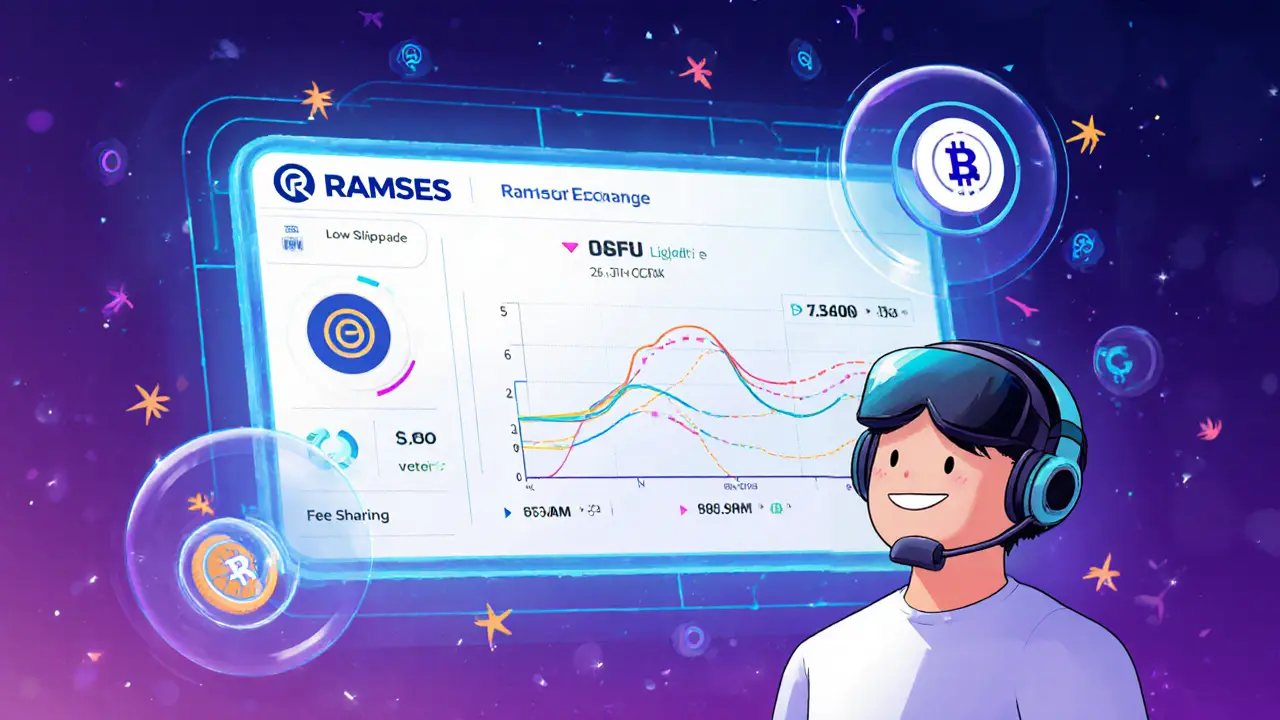
Ramses Exchange Review: Deep Dive into Features, Tokenomics & Risks
  • 27 Apr 2025
  • Elara Crowthorne
  • 25

Ramses Exchange Review: Deep Dive into Features, Tokenomics & Risks

In-depth Ramses exchange review covering tech, tokenomics, multi-chain rollout, user guide, pros/cons, and FAQs for crypto traders.

View More

Popular Categories

  • Cryptocurrency Guides (104)
  • Cryptocurrency (55)
  • Cryptocurrency Trading (37)
  • Blockchain (23)
  • DeFi (21)

Latest News

NEXT.exchange Crypto Exchange Review: What You Need to Know in 2026

NEXT.exchange Crypto Exchange Review: What You Need to Know in 2026

22/Feb/2026
OXYLON (OXL) Explained: Specs, Utility, and How to Get Started

OXYLON (OXL) Explained: Specs, Utility, and How to Get Started

26/Jul/2025
Qubit Protocol Airdrop Details: Understanding the BSC MVB III Event in 2021

Qubit Protocol Airdrop Details: Understanding the BSC MVB III Event in 2021

4/Feb/2026
LUB Exchange Crypto Exchange Review: What You Need to Know Before Trading

LUB Exchange Crypto Exchange Review: What You Need to Know Before Trading

26/Dec/2025
Kava Swap (SWP) Token Explained: What It Is, How It Works, and Risks

Kava Swap (SWP) Token Explained: What It Is, How It Works, and Risks

24/Oct/2025

Popular Tags

cryptocurrency decentralized exchange crypto exchange crypto exchange review blockchain Binance Smart Chain DeFi Proof of Work smart contracts blockchain gaming CoinMarketCap airdrop Bitcoin AI blockchain ERC-20 Proof of Stake blockchain security crypto derivatives cryptocurrency trading Solana meme coin trading fees
SOHO19 Crypto District

About

DeFi

Menu

  • About Us
  • Terms of Service
  • Privacy Policy
  • CCPA
  • Contact Us
© 2026. All rights reserved.