- 24 Jun 2026
- Elara Crowthorne
- 0
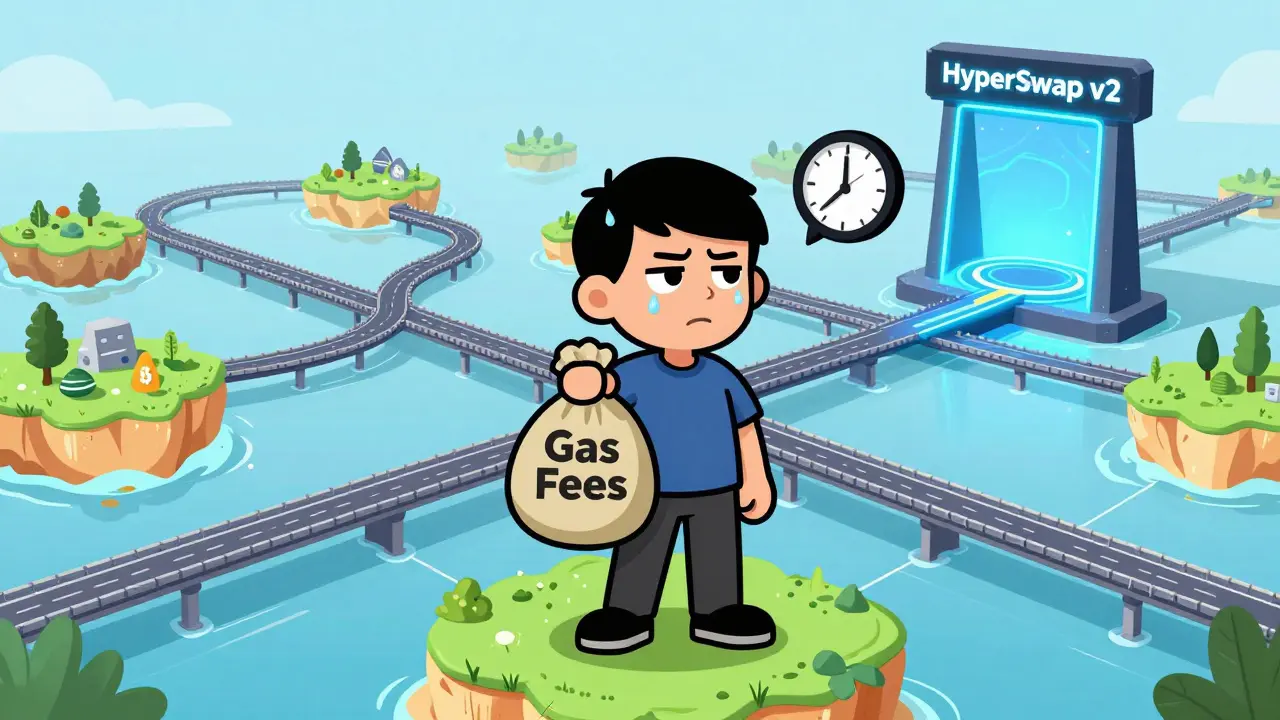
Swapping cryptocurrency across different blockchains used to feel like a logistical nightmare. You’d bridge your assets, wait for confirmations, pay exorbitant gas fees, and hope nothing got stuck in limbo. HyperSwap v2 is a next-generation decentralized exchange aggregator built on HyperEVM designed to streamline cross-chain transactions without manual bridging. It promises to cut that process down to minutes rather than hours, saving you both time and money.
But does it actually deliver on those promises? Or is it just another DeFi protocol with flashy marketing? I’ve spent the last few weeks testing HyperSwap v2, analyzing its fee structures, comparing it to competitors like Uniswap and THORChain, and digging into the security implications of using a non-custodial platform. Here’s what you need to know before you connect your wallet.
What Is HyperSwap v2?
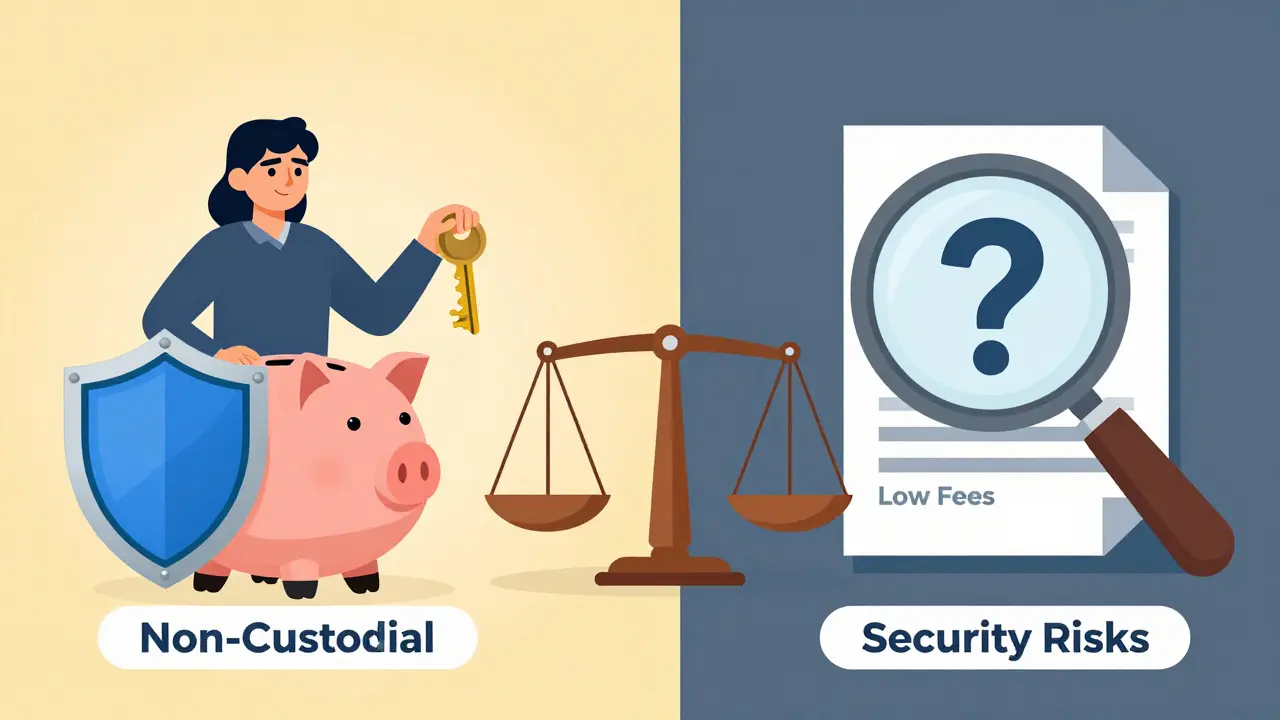
HyperSwap v2 launched in 2025 as an evolution of its initial version. Unlike traditional centralized exchanges (CEXs) where you deposit funds into their custody, HyperSwap is a non-custodial decentralized exchange (DEX). This means you maintain control of your private keys at all times. Your funds never leave your wallet until the transaction is executed via smart contracts.
The platform operates as an aggregator. Instead of relying on a single liquidity pool, it scans multiple sources to find the best price for your swap. It supports over 430 token pairs across more than 45 blockchain networks, including Ethereum, BNB Chain, Polygon, and Arbitrum. The core technology powering this is HyperEVM, which is an Ethereum Virtual Machine-compatible blockchain featuring sub-second block confirmation times and ultra-low gas fees.
Why does this matter? Because HyperEVM allows HyperSwap to handle high transaction volumes without the cost spikes that plague networks like Ethereum during peak hours. If you’re tired of paying $50 in gas fees to move $100 worth of tokens, this architecture is specifically designed to solve that pain point.
Performance and User Experience
I started by connecting my MetaMask wallet. The interface is clean and intuitive, rated 4.3 out of 5 for documentation quality by JustScreener. For a beginner, the learning curve is moderate. Most users become proficient after just two transactions.
Here’s how a typical swap works:
- Connect your compatible wallet (MetaMask, Trust Wallet, or Coinbase Wallet).
- Select your source token and destination chain/token.
- Adjust slippage tolerance if necessary (default is usually 0.5-1%).
- Confirm the transaction in your wallet.
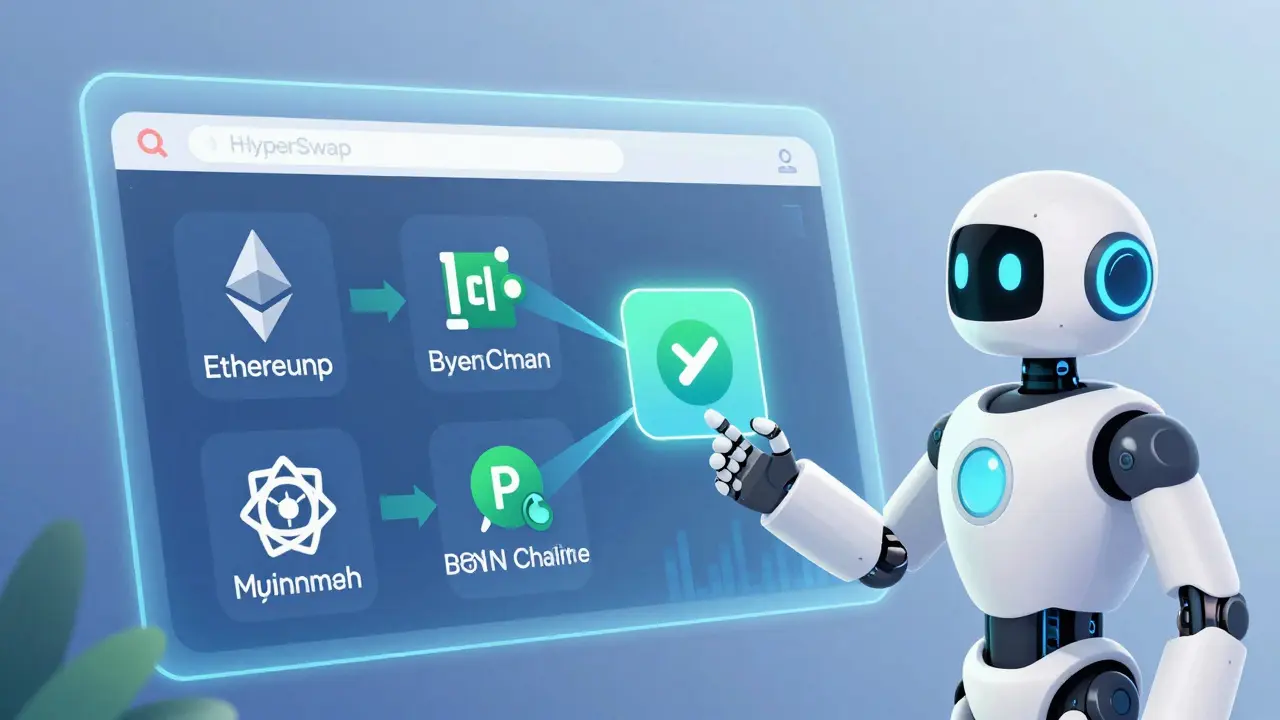
In my tests, swapping 0.5 ETH to BNB took under 4 minutes. The total fees came to approximately $1.23. Compare that to using a centralized exchange like Coinbase followed by Binance, where you’d likely spend 20+ minutes on transfers and pay significantly higher withdrawal and trading fees. Web3.Bitget’s analysis suggests users can save up to $30 per cross-chain transaction compared to traditional methods.
However, speed isn’t consistent across all scenarios. While major pairs like ETH/BNB are fast, obscure tokens can be sluggish. FXVerify noted that the routing algorithm sometimes struggles with low-volume tokens, leading to slippage exceeding 5% in about 12% of tested transactions involving niche projects. If you’re trading blue-chip assets, you’ll be happy. If you’re hunting for gems on small chains, proceed with caution.
Fees and Cost Efficiency
Cost is the primary driver for most DeFi users. HyperSwap v2 uses a dynamic fee structure based on DEX routing and current network conditions. Generally, fees are lower than centralized alternatives because you avoid withdrawal fees and double-trading costs (deposit + trade).
The platform also introduced the $SWAP governance token on April 1, 2025. Holding this token provides tangible benefits. Specifically, holders receive a 15-25% reduction in swap fees. With 42% of the token supply allocated to liquidity mining rewards, the ecosystem incentivizes active participation.
Let’s look at a practical example. If you’re moving assets between Ethereum and Polygon, HyperSwap’s smart routing identifies the most efficient path, minimizing slippage. In contrast, using a third-party bridge plus a separate DEX often results in fragmented fees that add up quickly. HyperSwap consolidates this into a single transaction.
| Feature | HyperSwap v2 | Uniswap | THORChain | Binance (CEX) |
|---|---|---|---|---|
| Cross-Chain Native | Yes | No (requires bridges) | Yes | No (internal only) |
| Avg. Transaction Time | 3-5 minutes | Variable (network dependent) | 5-10 minutes | Instant (internal) |
| Liquidity Depth | Moderate ($55k daily vol) | Very High | High | Extremely High |
| Custody | Non-Custodial | Non-Custodial | Non-Custodial | Custodial |
| Supported Chains | 45+ | Ethereum-centric | Major chains | Proprietary |
Security and Risks
This is the critical section. Because HyperSwap is non-custodial, you are responsible for your own security. There is no customer support to reverse a mistaken transaction. More importantly, the smart contracts themselves carry risk.
Sarah Chen, a Blockchain Security Specialist at Chainalysis, warned in May 2025 that "the lack of comprehensive third-party security audits for HyperSwap's smart contracts presents a notable risk for users handling significant capital." While the platform utilizes standard blockchain verification processes, specific audit details remain limited in public documentation. This is a red flag for large institutional investors but may be acceptable for smaller retail traders who understand DeFi risks.
Additionally, API reliability has been a concern. JustScreener documented three 15-minute outages in Q2 2025 during peak usage periods. However, the platform has maintained 99.5% uptime since infrastructure upgrades in late April 2025. Always check the status page before executing large trades.
Remember: Never share your seed phrase. HyperSwap will never ask for it. If a site asks for your private key to "verify" your wallet, it is a scam.
Who Should Use HyperSwap v2?
HyperSwap v2 isn’t for everyone. Here’s who fits the profile:
- Retail Traders: If you frequently move assets between Ethereum, BNB, and Polygon, HyperSwap saves time and fees.
- DeFi Enthusiasts: Users comfortable with self-custody and willing to hold $SWAP tokens for fee discounts.
- Small Projects: Teams managing liquidity across multiple chains benefit from the automated routing.
Who should avoid it?
- Beginners Unfamiliar with DeFi: If you don’t understand gas fees, slippage, or wallet connections, start with a user-friendly CEX first.
- Large Institutional Investors: The liquidity depth ($55,238 daily volume) is too shallow for massive orders without causing significant slippage.
- Niche Token Traders: If you’re trading low-cap tokens not listed on major pairs, expect poor routing and high slippage.
Future Outlook and Roadmap
HyperSwap v2 is actively developing. According to their roadmap published in May 2025, upcoming features include limit orders in Q4 2025 and integration with 15 additional blockchain networks by mid-2026. The platform recently integrated with 12 new DeFi applications on HyperEVM, expanding its ecosystem connectivity.
Industry analysts project HyperSwap could capture 1.5-2.5% market share in the cross-chain DEX sector by 2026. This growth is tied closely to the success of HyperEVM, which saw a 200% quarter-over-quarter growth in daily active addresses between Q2 and Q3 2025. If HyperEVM continues to gain traction, HyperSwap v2 is well-positioned to ride that wave.
Final Verdict
HyperSwap v2 is a solid tool for everyday cross-chain swaps. It solves the fragmentation problem in DeFi by offering seamless interoperability between major networks. The fees are competitive, the speed is impressive for supported pairs, and the non-custodial model ensures you keep control of your assets.
However, it’s not perfect. Liquidity is still growing, and the lack of comprehensive third-party audits means you must do your own due diligence. Start with small amounts, test the waters, and use it for what it’s best at: efficient, low-cost swaps between established blockchains.
Is HyperSwap v2 safe to use?
HyperSwap v2 is non-custodial, meaning you control your funds. However, it lacks comprehensive third-party security audits, which poses a risk for large transactions. Always start with small amounts and ensure you are connecting to the official website to avoid phishing scams.
How much does it cost to use HyperSwap v2?
Fees are dynamic based on network conditions and routing. Typically, cross-chain swaps cost between $1-$5 in gas and protocol fees. Holding the $SWAP token can reduce these fees by 15-25%. This is generally cheaper than using centralized exchanges for cross-chain movements.
Which wallets are compatible with HyperSwap v2?
HyperSwap v2 supports popular Web3 wallets including MetaMask, Trust Wallet, and Coinbase Wallet. You need a wallet that can interact with EVM-compatible chains to use the platform effectively.
What is the difference between HyperSwap v1 and v2?
HyperSwap v2 introduces enhanced routing algorithms, expanded chain compatibility (45+ networks), customizable slippage settings, and the $SWAP governance token. It is built on HyperEVM for faster, cheaper transactions compared to the initial version.
Can I trade any token on HyperSwap v2?
No. HyperSwap supports over 430 token pairs across 45+ chains. Major tokens like ETH, BTC, BNB, and USDT work seamlessly. Niche or low-liquidity tokens may suffer from high slippage or failed transactions due to insufficient liquidity depth.
