- 7 Jul 2026
- Elara Crowthorne
- 0
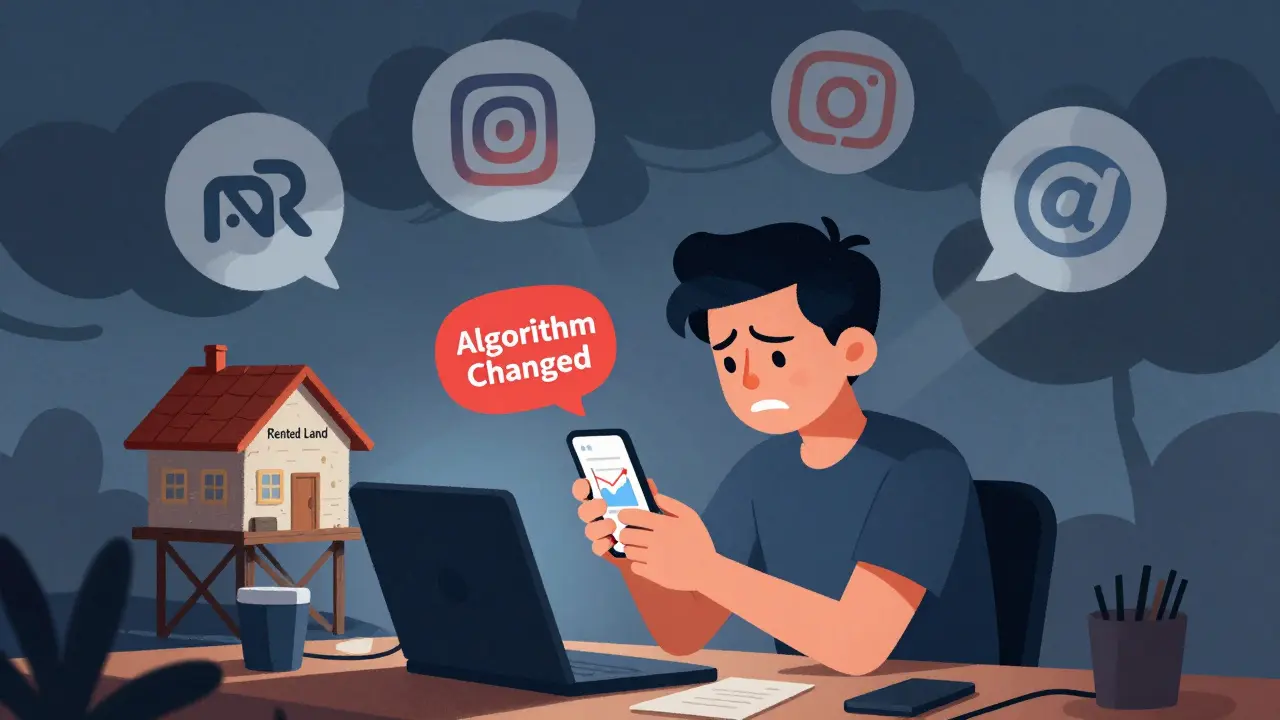
The dream of becoming a full-time content creator often shatters against the hard reality of platform algorithms. You spend hours crafting video scripts, editing footage, or writing long-form articles, only to watch your reach plummet because a social media giant decided to tweak its code overnight. This isn't just bad luck; it is a structural flaw in how the digital economy works today. The creator economy is a global economic activity driven by individuals creating and sharing content online, which experts predict will contribute over $500 billion to the global economy by 2025, but this growth comes with severe vulnerabilities. Creators are essentially building houses on rented land.
If you are struggling to make ends meet despite having an engaged audience, you are not alone. Sixty-six percent of the over 200 million people who identify as creators treat it as a side hustle. They cannot afford to go full-time because their income is unstable. The core problem? You do't own your distribution channel. When Instagram changes its feed or TikTok bans a trend, your business model breaks. But there is a shift happening. Blockchain technology is emerging not just as a way to buy coins, but as a fundamental tool to fix these broken incentives. Let's look at why the current system fails creators and how decentralized solutions offer a real path to ownership.
The Trap of Platform Dependency
The biggest threat to any creator right now is platform dependency is the reliance of creators on centralized social media platforms for distribution and monetization. Think about it. You build an audience on YouTube. That audience belongs to Google. If they demonetize your niche, change the algorithm, or decide your content violates a vague community guideline, you lose everything. There is no appeal process that actually favors the small creator. This vulnerability forces creators into a constant state of anxiety, chasing trends rather than building genuine connections.
This dependency creates a power imbalance. Platforms take a significant cut of ad revenue-often 45% or more-while providing zero security for your account. In contrast, blockchain-based platforms operate on decentralized protocols are distributed networks that allow peer-to-peer interactions without central authority control. On these platforms, your followers are tied to your wallet address, not a corporate database. If one app shuts down, your community moves with you to another interface because they are connected via the blockchain, not locked inside a walled garden. This portability is the first step toward true independence.
The Content Saturation and Authenticity Crisis
With millions of images and thousands of hours of video posted daily, cutting through the noise is harder than ever. This content saturation is the overwhelming volume of digital content produced daily, making discovery difficult has led to an authenticity crisis. Audiences are tired of polished, AI-generated fluff. They want real humans. However, traditional platforms struggle to verify who is real. Deepfakes and bot accounts dilute trust, making it hard for genuine creators to stand out.
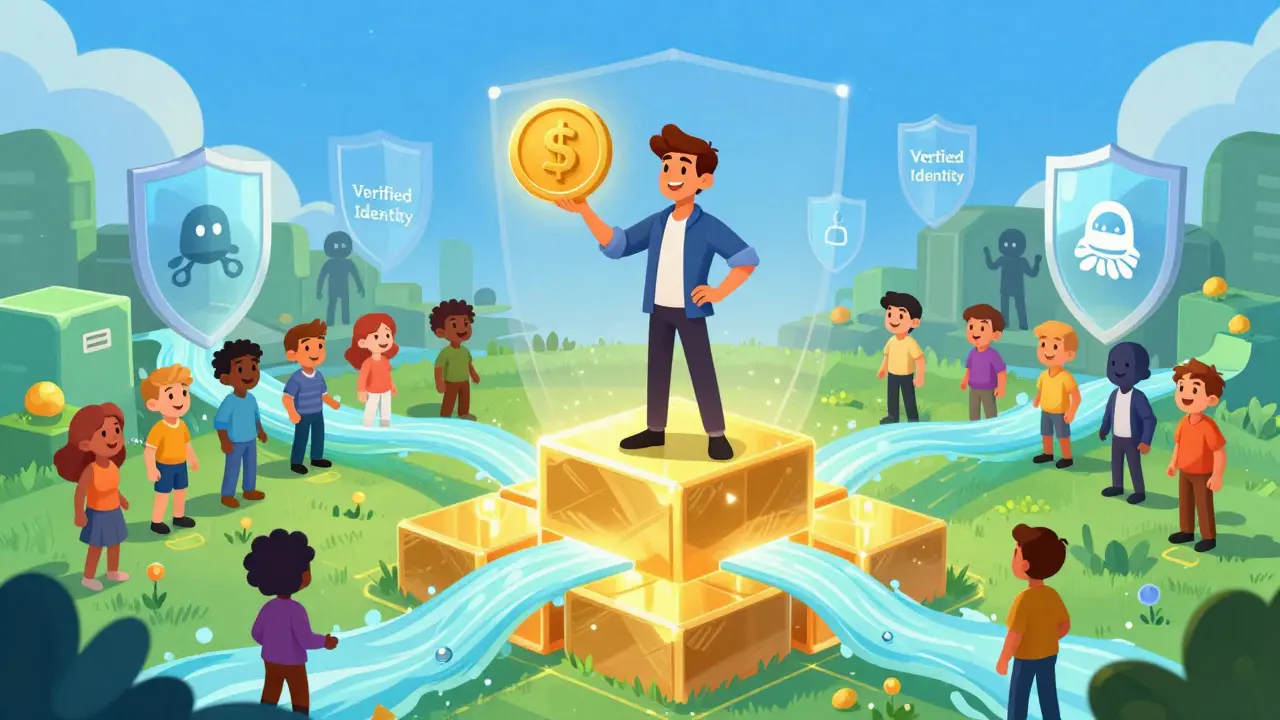
Blockchain offers a solution through digital identity verification is using cryptographic proofs to establish authentic user identities on the internet. By using decentralized identifiers (DIDs), creators can prove their human presence and unique contribution history without revealing private data. This builds a layer of trust that centralized platforms cannot match. When a viewer knows a creator’s reputation is anchored on an immutable ledger, it adds value to the relationship. It shifts the dynamic from "chasing views" to "building verified reputation."
Monetization Beyond Ads: Owning Your Revenue
Traditional monetization relies heavily on ads and brand sponsorships, both of which are volatile. Ad rates fluctuate with market conditions, and brands can pull sponsorship deals instantly. Furthermore, payment processors like PayPal or Stripe often freeze funds for creators, leaving them stranded. This financial instability is a major reason why most creators remain part-timers.
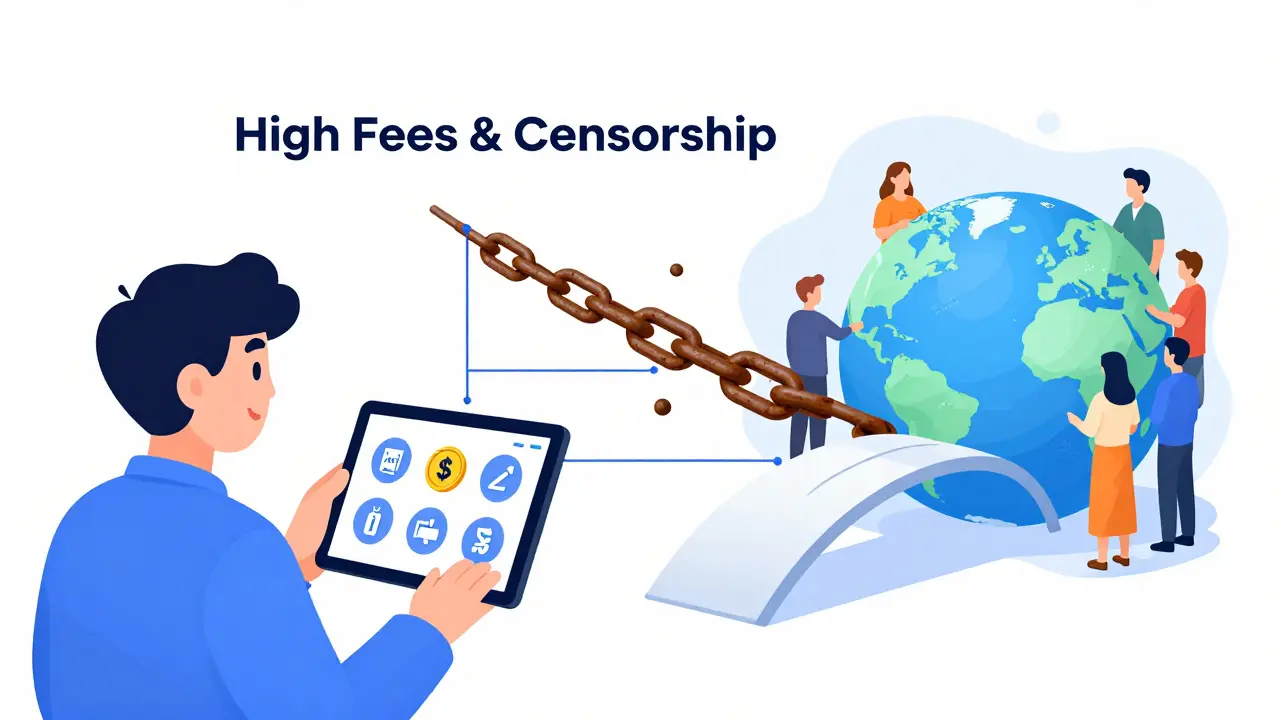
Blockchain enables direct monetization through cryptocurrency payments are digital currency transactions that allow instant, borderless value transfer. Fans can tip creators directly using stablecoins or native tokens, bypassing middlemen. This reduces fees significantly. Instead of paying 30% to an app store or 15% to a payment processor, creators keep nearly 100% of the transaction. Additionally, NFTs (Non-Fungible Tokens) are unique digital assets representing ownership of specific items or content allow creators to sell exclusive access, membership passes, or limited-edition art. Unlike a Patreon subscription that can be canceled by the platform, an NFT is owned by the fan and can be resold, potentially giving the creator royalties on secondary sales forever.
| Feature | Centralized Platforms (YouTube, Instagram) | Decentralized Platforms (Blockchain-based) |
|---|---|---|
| Audience Ownership | Platform owns the user data and relationships | Creator owns the relationship via wallet addresses |
| Revenue Share | High fees (30-50% taken by platform/processes) | Low fees (minimal network gas costs) |
| Censorship Risk | High risk of sudden bans or demonetization | Low risk; content is stored on decentralized storage (IPFS) |
| Payment Speed | Delayed (monthly cycles, bank transfers) | Instant (blockchain settlements in minutes) |
| Global Access | Limited by banking restrictions and geo-blocks | Borderless; anyone with internet can pay |
The Measurement Problem and Transparent Analytics
Brands are hesitant to invest in influencer marketing because they can't trust the metrics. Fake followers, inflated engagement rates, and bot traffic make it impossible to know if a creator is delivering real value. Jasmine Enberg from eMarketer estimates that 20% of US marketers are held back from influencer marketing due to these measurement issues. This lack of transparency hurts creators who do honest work, as they compete against those buying fake stats.
Blockchain provides transparent analytics are verifiable data records that cannot be altered or faked. On-chain activity is public and immutable. Brands can see exactly how many unique wallets interacted with a creator’s content, how much time was spent, and what actions were taken. This removes the guesswork. Instead of relying on vanity metrics like "likes," which can be bought, brands can look at verifiable engagement. This levels the playing field for authentic creators and helps them command higher sponsorship rates based on provable impact.
Navigating AI Integration and Trust Erosion
Generative AI is changing the game. While it offers tools for efficiency, it also threatens to flood the internet with low-effort, synthetic content. Duolingo’s recent backlash after announcing plans to replace human contractors with AI shows that audiences value human connection. Skepticism around AI-generated influencers is high. Creators need to differentiate themselves as genuinely human.
Here, blockchain acts as a proof-of-humanity mechanism. Through decentralized identity protocols, creators can signal their authenticity. Moreover, smart contracts can ensure that when AI tools are used, the original creator retains rights and receives compensation. For example, if an AI model is trained on a photographer’s work, a blockchain-based registry can track usage and automatically distribute micro-payments to the artist. This ensures that technological advancement benefits the creator rather than exploiting them.
Steps to Start Building a Decentralized Presence
You don’t need to abandon your existing social media accounts. Instead, use blockchain as a foundation to reduce risk. Here is how to start:
- Create a Crypto Wallet: Download a non-custodial wallet like MetaMask or Phantom. This is your digital identity. Never share your seed phrase.
- Claim Your Domain: Register a .eth or .crypto domain. Use this as your universal login and profile link across decentralized apps.
- Migrate Your Community: Encourage your top fans to connect via your wallet. Offer exclusive perks, such as early access or voting rights on future content, via a simple DAO (Decentralized Autonomous Organization) structure.
- Diversify Income Streams: Start accepting tips in stablecoins. Create a small collection of utility NFTs that grant lifetime access to your newsletter or discord.
- Store Content Decentrally: Upload important archives to IPFS (InterPlanetary File System) so your work survives even if a platform goes offline.
Conclusion: Reclaiming Control
The challenges facing the creator economy-platform dependency, revenue instability, and trust deficits-are systemic. They cannot be solved by working harder on the same broken platforms. Blockchain offers a new infrastructure where creators own their audience, their data, and their revenue. It is not about getting rich quick; it is about building a sustainable, resilient business model that puts you in the driver's seat. As the industry matures, those who adopt these decentralized tools early will have a significant advantage over those trapped in the algorithmic hamster wheel.
Is it too late for creators to adopt blockchain technology?
No, it is not too late. While early adopters have had a head start, the barrier to entry is lowering. Simple wallet setups and user-friendly decentralized social apps are making it easier for mainstream creators to join. The key is to start small, focusing on community ownership rather than complex tokenomics.
Do I need to understand coding to use blockchain for my content?
Not necessarily. Many platforms now offer no-code interfaces for minting NFTs, setting up tipping jars, and managing decentralized communities. You need basic digital literacy to manage a wallet, but you do not need to be a developer to benefit from the underlying technology.
How does blockchain protect me from censorship?
On centralized platforms, a single company can delete your account. On decentralized networks, your content is stored across multiple nodes (like IPFS). No single entity controls the storage or distribution. While extreme illegal content may still be flagged, political or commercial censorship is significantly harder to enforce.
Are crypto payments safe for creators?
Yes, if you follow security best practices. Using non-custodial wallets means you control your funds. However, you must protect your private keys. Scams exist, so always verify contract addresses and never click suspicious links. Stablecoins can mitigate volatility risks associated with cryptocurrencies.
Can I still use Instagram and YouTube alongside blockchain tools?
Absolutely. A hybrid approach is recommended. Use centralized platforms for discovery and broad reach, but funnel your most engaged fans to your decentralized channels (wallet, Discord, newsletter) where you have direct ownership and lower fees. This diversifies your risk.
