- 31 Dec 2025
- Elara Crowthorne
- 19
For years, Nigeria’s relationship with cryptocurrency was a mess. Banks froze accounts. Users couldn’t deposit funds. Exchanges operated in the shadows. And yet, Nigerians kept buying Bitcoin, Ethereum, and stablecoins - even when the system tried to stop them. By 2024, Nigeria had become one of the top five crypto markets in the world, with over $92 billion in crypto value flowing in over just 12 months. So what changed? In March 2025, everything changed.
The New Rules: Crypto Is Now Legal - and Heavily Regulated
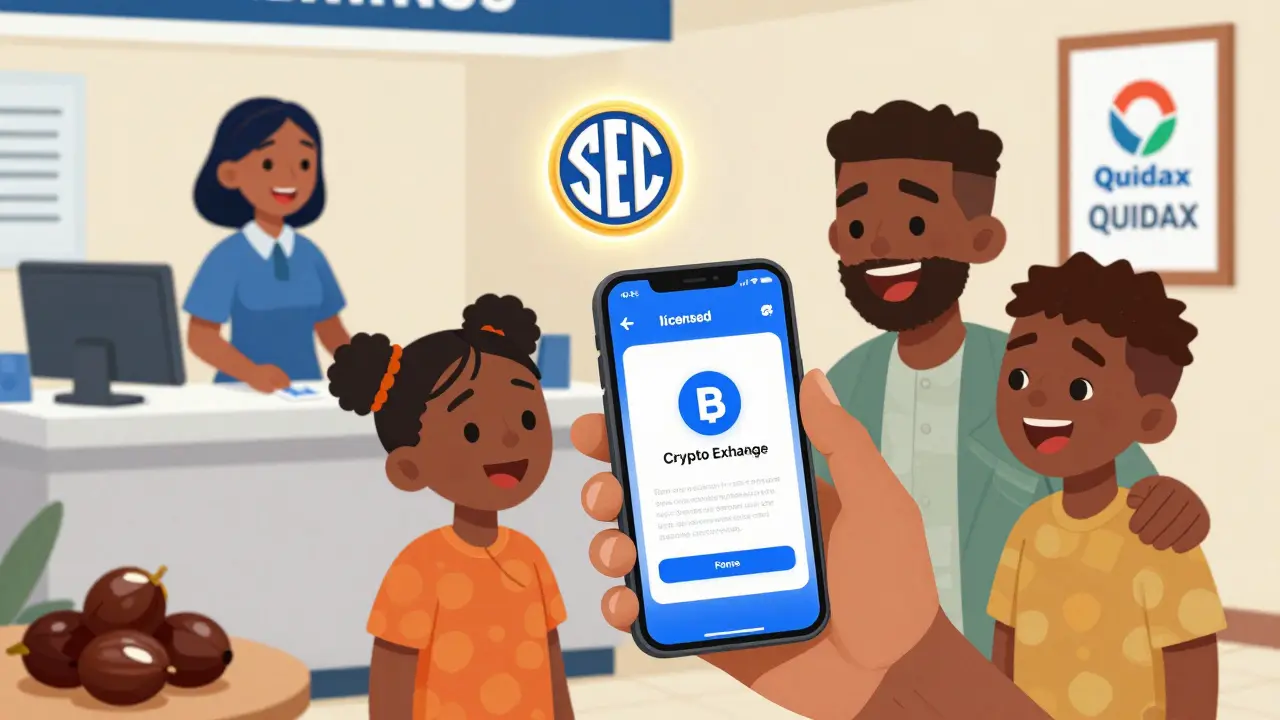
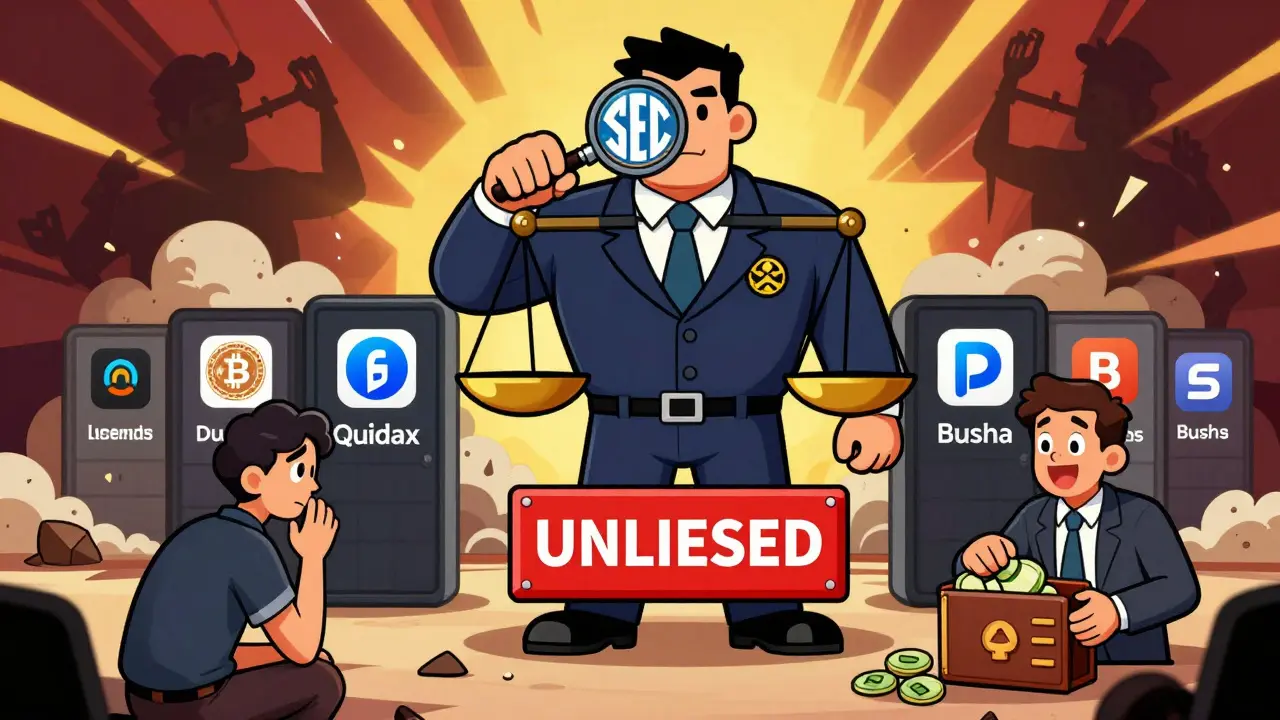
Nigeria didn’t just soften its stance on crypto. It rewrote the entire rulebook. The Investments and Securities Act (ISA) 2025 officially recognized digital assets as securities under Nigerian law. That means Bitcoin, Ethereum, and even some NFTs are no longer in a legal gray zone. They’re now treated like stocks or bonds - and that brings serious rules. The Securities and Exchange Commission (SEC) is now the main watchdog. It’s the only body that can license crypto exchanges, trading platforms, and other Virtual Asset Service Providers (VASPs). Before 2025, the Central Bank of Nigeria (CBN) had banned banks from dealing with crypto firms. Now, the CBN has fully reversed that. Banks can open accounts for licensed crypto companies - but only if those companies are SEC-approved. This isn’t just a policy tweak. It’s a full system overhaul. Nigeria didn’t follow the path of countries like Kenya or South Africa, which slapped taxes on crypto and called it a day. Instead, Nigeria built a licensing framework that’s among the most detailed in Africa.Who Needs a License? And How Do You Get One?
If you’re running a crypto exchange, wallet service, or token sale in Nigeria, you need a license. There’s no gray area. The SEC has created clear categories:- Crypto Exchange License - For platforms that let users buy, sell, or trade crypto
- Custodial Wallet Provider License - For services that hold users’ private keys
- Token Offering Platform License - For companies selling crypto tokens to the public
- Minimum paid-up capital of ₦500 million ($335,000)
- A fidelity bond (insurance) covering at least ₦200 million ($134,000)
- Registration with the Corporate Affairs Commission (CAC) as a Nigerian company
- A physical office in Nigeria with local management
- Compliance with anti-money laundering (AML) and know-your-customer (KYC) rules
What’s Still Not Allowed?
Even with new rules, there are hard limits:- No unlicensed platforms - Operating without an SEC license is illegal. The SEC can shut them down and freeze assets.
- No Ponzi schemes - Any crypto project promising guaranteed returns is banned. The SEC has already taken action against several fake investment platforms.
- Peer-to-peer trading is still legal - You can still buy crypto from another person using WhatsApp, Telegram, or local payment apps. But if you’re doing it at scale - like running a P2P marketplace - you need a license.
- Artistic NFTs are fine - If you’re selling digital art, music, or collectibles without tying them to financial returns, you’re not regulated. But if you’re selling an NFT as an investment - promising dividends or resale profits - it’s a security. And that means SEC oversight.
Taxes Are Coming - And They’re Strict
The Nigeria Tax Administration Act (NTAA) 2025 took effect in June 2025, but enforcement starts in 2026. Here’s what you need to know:- All crypto transactions - buys, sells, trades - are taxable events
- Capital gains from crypto sales are taxed at 10% to 25%, depending on income level
- VASPs must report transaction data to the Federal Inland Revenue Service (FIRS)
- Non-compliance penalties start at ₦10 million ($6,693) for the first month, then ₦1 million ($669) per month after that
- The SEC can suspend or revoke licenses for tax evasion
How Is This Different From Before?
Before 2025, Nigeria’s crypto scene was chaotic. In 2021, the CBN banned banks from servicing crypto businesses. Thousands of accounts were frozen. People lost access to their funds. Exchanges had to move offshore. Users turned to peer-to-peer markets, often paying 10-20% premiums for USD-backed stablecoins. The regulatory gap created a wild west. Scams thrived. People lost millions to fake platforms. No one was accountable. Now, the system is designed to prevent that. Licensed platforms must keep records for at least five years. They must verify user identities. They must report suspicious activity. And if they fail? They lose their license - and face criminal charges.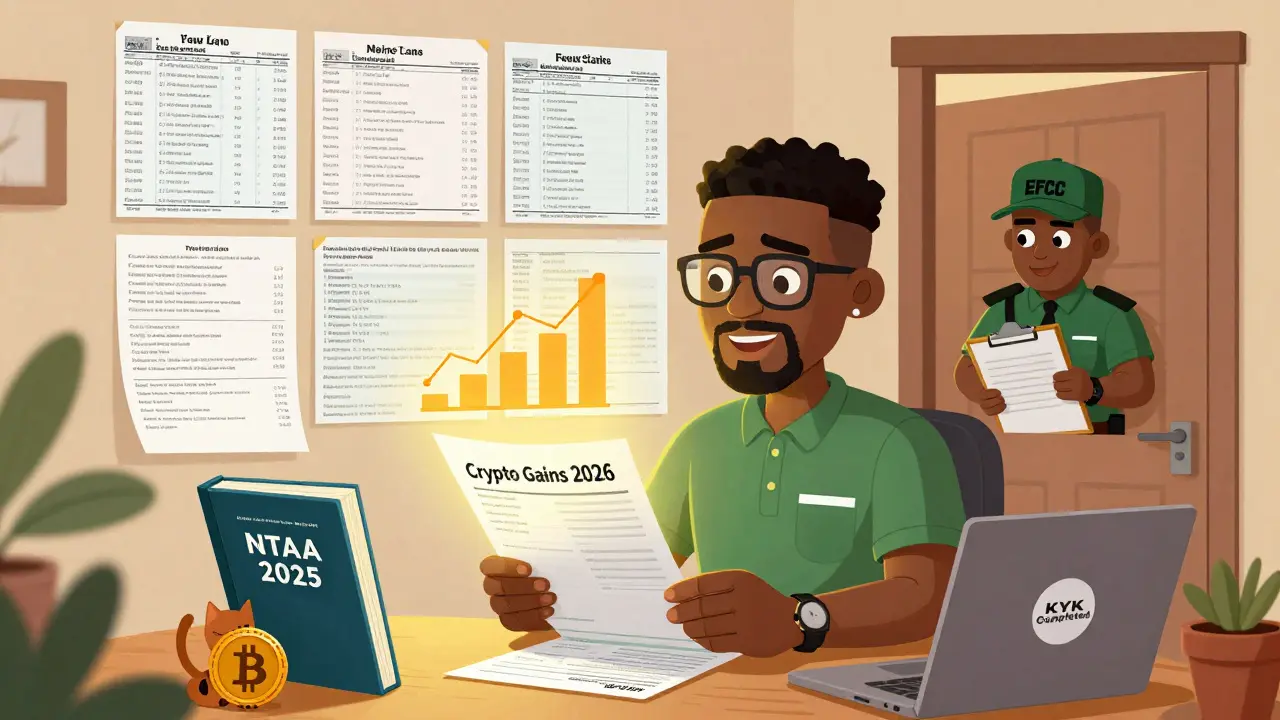
What Do Users Think?
Most Nigerians welcome the change. For the first time, there’s clarity. You know what’s legal. You know who to trust. But there’s still fear. Social media is full of questions:- “Will the government track every crypto transaction?”
- “Can I still use Binance or Coinbase?”
- “Is this just a way to control our money?”
Can You Still Use Crypto in Nigeria?
Yes - but only if you play by the rules. If you’re an individual:- You can buy crypto via licensed exchanges (Quidax, Busha, others soon to come)
- You can hold it in your own wallet
- You can sell it and withdraw to your bank account - if the exchange is licensed
- You must report gains on your tax return starting in 2026
- You must get an SEC license to operate a crypto service
- You must hire local compliance officers
- You must submit quarterly reports to SEC and FIRS
- You must keep all transaction records for five years
What’s Next for Nigeria’s Crypto Market?
More licenses will be granted in 2026. The SEC plans to approve at least 15 new VASPs by the end of the year. International firms are watching closely. Some are setting up local subsidiaries just to qualify. The goal? To turn Nigeria into Africa’s crypto hub. The government believes regulation will attract foreign investment, create tech jobs, and bring millions of unbanked Nigerians into the formal economy. It’s working - slowly. Crypto adoption hasn’t slowed. If anything, it’s growing. People aren’t leaving crypto. They’re just moving to the legal side. The biggest risk now? Overregulation. If the rules get too strict, innovation will flee. But so far, Nigeria’s approach is balanced. It’s not banning crypto. It’s bringing it into the light.Is cryptocurrency legal in Nigeria in 2025?
Yes, cryptocurrency is fully legal in Nigeria as of March 2025. The Investments and Securities Act (ISA) 2025 officially recognized digital assets as securities, placing them under the regulation of the Securities and Exchange Commission (SEC). Crypto trading, holding, and investing are all permitted - but only through SEC-licensed platforms.
Can I use Binance or Coinbase in Nigeria?
You can still access Binance or Coinbase to trade crypto, but you cannot deposit or withdraw Nigerian naira through them. These platforms are not licensed by Nigeria’s SEC, so Nigerian banks are not allowed to process transactions with them. To use naira, you must trade through licensed local exchanges like Quidax or Busha.
Do I have to pay taxes on crypto in Nigeria?
Yes. The Nigeria Tax Administration Act (NTAA) 2025, effective in 2026, requires all crypto gains to be reported and taxed. Capital gains from selling or trading crypto are taxed between 10% and 25%, depending on your income. Licensed exchanges must report your transactions to the Federal Inland Revenue Service (FIRS). Failure to report can lead to penalties of up to ₦1 million per month.
Can I run a crypto business in Nigeria without a license?
No. Operating a crypto exchange, wallet service, or token sale without an SEC license is illegal. Unlicensed platforms can be shut down, their assets frozen, and their owners prosecuted. The SEC has already begun enforcing this rule, targeting unregistered platforms that try to operate as if they’re still in the gray zone.
What happens if my bank account is frozen for crypto activity?
If your account was frozen before 2024, it was likely due to the CBN’s old ban. Since then, banks are allowed to serve licensed crypto businesses. If your account is frozen now, it’s probably because you’re using an unlicensed platform. To fix this, switch to a licensed exchange and ensure your transactions are properly documented. Banks are no longer allowed to freeze accounts simply for crypto activity - only for illegal behavior like fraud or money laundering.
Are NFTs regulated in Nigeria?
Only if they’re sold as financial investments. Artistic or collectible NFTs - like digital art or music - are not regulated. But if you’re selling an NFT with promises of profit, dividends, or resale value, it’s classified as a security. That means you need an SEC license to offer it, and buyers must be verified under KYC rules.
Is peer-to-peer (P2P) crypto trading legal in Nigeria?
Yes, personal P2P trading is legal. You can buy or sell crypto directly with another person using WhatsApp, Telegram, or local payment apps. But if you’re running a P2P platform - even a small one - you need an SEC license. The law targets commercial activity, not individual transactions.

19 Comments
So let me get this straight - the government now owns your crypto like it owns your car registration? 🤔
They license exchanges, tax every trade, demand physical offices, and now they’re watching every wallet address like it’s a TikTok comment section?
It’s not regulation, it’s surveillance with a business license.
They call it ‘bringing crypto into the light’ - but it feels more like putting a muzzle on a wild horse and calling it a racehorse.
What’s next? Mandatory crypto sermons every Sunday?
They’re not protecting users - they’re protecting their own power.
And don’t get me started on how ‘licensed’ platforms now have a monopoly.
Quidax and Busha? More like Quidax & Busha Inc. - the new Nigerian banking cartel.
People thought crypto was about freedom - now it’s about compliance forms and audit trails.
They turned decentralization into a bureaucratic nightmare.
And the worst part? The people who actually needed this system - the unbanked, the small traders - are the ones getting priced out by ₦500 million capital requirements.
It’s not innovation. It’s institutional capture.
And we’re supposed to cheer because they didn’t ban it?
That’s like celebrating when the prison gives you a nicer cell.
Freedom isn’t just about legality - it’s about autonomy.
And right now, Nigeria just traded one cage for a gilded one.
👏
They’re tracking everything. You think this is about regulation? It’s about control. They want to know who you bought crypto from, when, and how much you made. This is the beginning of a digital dictatorship. Mark my words.
Actually, this is way better than the chaos before. Before 2025, you had no recourse if a platform vanished. Now there’s a legal path. Yes, it’s strict - but at least you know who to blame if something goes wrong. The SEC isn’t perfect, but it’s better than the wild west where scammers just vanished with your life savings. This is progress, even if it’s messy.
So now I gotta pay taxes on my moonshots? Lmao. I just wanted to buy some shitcoin and get rich. Not file 17 forms with the IRS-adjacent nightmare.
One must observe with intellectual rigor that the Nigerian state, in its recent legislative act, has not merely regulated cryptocurrency - it has attempted to domesticate it. This is not a policy shift; it is a metaphysical reorientation of financial sovereignty. The state, by granting licenses, assumes the role of gatekeeper to digital value - a role previously held by decentralized consensus mechanisms. The paradox is palpable: a technology born to escape centralized control is now shackled by the very institutions it sought to dismantle. One must ask: does regulation empower, or merely sanitize? And if the market is now filtered through the lens of capital requirements and fiduciary bonds, is it still crypto - or merely a derivative of state finance?
Good move. Now the scams will die. People finally have a safe way to trade. No more shady P2P guys with fake receipts.
It’s funny how people call this control when it’s just the natural evolution of any new economy. Money has always been regulated. The internet didn’t make it disappear. It just made it harder to track. Now they’re catching up. That’s not tyranny - it’s maturity.
Yesss!! Nigeria finally got it right!! 🎉 I’ve been buying crypto since 2020 and every time I tried to cash out it was a nightmare. Now I can actually use my bank account without fear!! Quidax is my hero 💪
They call this progress? Bro, I’ve seen more freedom on a darknet marketplace than I have in this ‘licensed’ ecosystem. Now I gotta submit my birth certificate, my mother’s maiden name, my dog’s name, and my astrological sign just to buy $50 worth of ETH? This isn’t regulation - it’s performance art for bureaucrats. I’m going back to Monero. At least there, no one asks why I’m awake at 3am.
And yet - the irony is not lost on those who remember. In 2021, the CBN called crypto a threat to financial stability. Now, it’s the backbone of their new financial architecture. What changed? Not the tech. Not the people. Not even the risks. What changed was the realization that they could not stop it. So they swallowed it whole. And now, they wear its skin like a suit. The system didn’t evolve - it cannibalized. The decentralized dream was never destroyed. It was absorbed. And now, it pays dividends to the same institutions that once tried to kill it. Are we witnessing the death of crypto… or its metamorphosis into something unrecognizable? The answer, my friends, lies not in the law - but in the silence of those who once screamed for freedom.
It’s not perfect, but it’s the most thoughtful crypto regulatory framework in Africa. Other countries are still arguing about taxes. Nigeria built a system with compliance, enforcement, and scalability built in. The high barriers to entry will weed out fly-by-night operators. That’s good for real users. The fact that they’re forcing KYC and AML compliance means real money is finally being treated like real money. It’s not about control - it’s about responsibility.
Wait… so I can’t use Binance anymore? 😭 I’ve been trading there since 2021. Now I gotta pay 10% tax and jump through hoops just to buy BTC? This is worse than the old ban. 🤡
Why are you all so mad? Look at the numbers - crypto adoption in Nigeria is UP 40% since March. People are still buying. They’re just doing it legally now. The government didn’t kill crypto - it gave it a home. Stop crying and start trading on Quidax. It’s not that hard.
Let’s be real - this is a massive win for institutional adoption. We’re talking about a sovereign state building a compliant, auditable, tax-ready crypto infrastructure. That’s not just regulation - that’s infrastructure engineering. The $500M capital requirement? That’s a moat. It’s not meant for your cousin’s Telegram bot. It’s meant for real players who can scale. This is how you attract Fidelity, BlackRock, and Coinbase to set up local ops. And when they do? Lower fees, better UX, more liquidity. This isn’t a cage - it’s a launchpad. Stop whining and start building.
So now you need a license to run a P2P platform? But I’ve been buying ETH from a guy on WhatsApp for two years. I’m not a business. I’m just a guy. So what now? I’m illegal? This is ridiculous. They’re criminalizing normal people to protect big companies.
There is a fundamental flaw in this entire regulatory architecture. By requiring a physical office and local management, Nigeria is creating a structural barrier to entry that favors domestic firms over international innovation. This is not a level playing field - it is a protected market. And while the SEC may claim this ensures accountability, it is, in effect, a form of economic nationalism that stifles competition. The global nature of blockchain is being deliberately undermined in favor of local control. This is not progress. It is isolationism dressed in compliance.
Oh look, another country that thinks taxing crypto will make it go away. Congrats, Nigeria - you just turned your entire crypto community into accountants. 🎉
So… I can’t use Binance? And I have to pay 25% tax? And I need to prove I’m not a money launderer? This is the dumbest thing I’ve ever read. Who even wrote this? A banker on a caffeine bender?
Bro this is lit 😎 I just bought my first 0.1 BTC on Quidax and my bank didn’t freeze me! I thought I’d never be able to cash out without getting ghosted. This is the future! 🚀