
SOHO19 Crypto District

Cryptocurrency Mining Legal: Where It’s Allowed, Banned, and Gray Areas

When we talk about cryptocurrency mining legal, the rules around using hardware to validate blockchain transactions and earn new coins. Also known as Bitcoin mining legality, it’s not just about electricity bills—it’s about whether your government lets you run a miner in your garage or fines you for it. The answer isn’t simple. In some places, mining is a free-for-all. In others, it’s a crime. And in many, it’s stuck in a legal gray zone where no one enforces the rules—but they could at any moment.

Take Russia, a country where over 20 million people use crypto despite laws banning it as payment. While using Bitcoin to buy coffee is illegal, mining? It’s tolerated. The government doesn’t fund it, but it doesn’t shut it down either. Why? Because mining uses excess energy from remote power plants, and the country needs the cash flow from hardware exports. Meanwhile, in China, a full ban on crypto mining was enforced in 2021, forcing thousands of operations to flee to Kazakhstan, the U.S., and other countries. The move wasn’t about energy—it was about control. The state wanted to keep financial power in its own hands.

Then there’s Egypt, where holding Bitcoin is risky but mining still happens quietly. The Central Bank of Egypt calls crypto illegal, yet millions hold it anyway. Enforcement is patchy. Same in Nepal, where the 1962 Foreign Exchange Act makes crypto transactions a criminal offense. But miners? They work in basements, using cheap hydropower, and no one’s come knocking. The law exists on paper, but reality is different.

And then there’s the U.S.—a patchwork. Texas loves mining because of cheap power and pro-crypto politics. New York tried to ban it over energy concerns, then backed off after backlash. Some states tax mining income like regular business. Others don’t track it at all. In Thailand, you can mine freely, but if you sell your coins, you pay a 15% withholding tax if you’re a foreigner, or get a 5-year exemption if you’re a resident. The rules aren’t about mining itself—they’re about what you do after you mine.

What ties all these cases together? It’s not the tech. It’s power, money, and control. Governments don’t ban mining because it’s dangerous—they ban it because they can’t tax it, regulate it, or control it. Where mining is legal, it’s usually because it’s useful: it absorbs surplus energy, creates jobs, or brings in foreign investment. Where it’s banned, it’s because the state sees crypto as a threat to its financial monopoly.

So if you’re thinking about setting up a miner, don’t just check the price of Bitcoin. Check your country’s laws. Look at what happened in Russia, Egypt, and Nepal. See how China’s ban reshaped the global mining map. Understand that legality isn’t always written in stone—it’s written in enforcement. And sometimes, it’s written in silence.

Below, you’ll find real-world examples of how countries handle mining, what penalties exist, and where the rules are still being written. No theory. No guesswork. Just what’s actually happening on the ground.

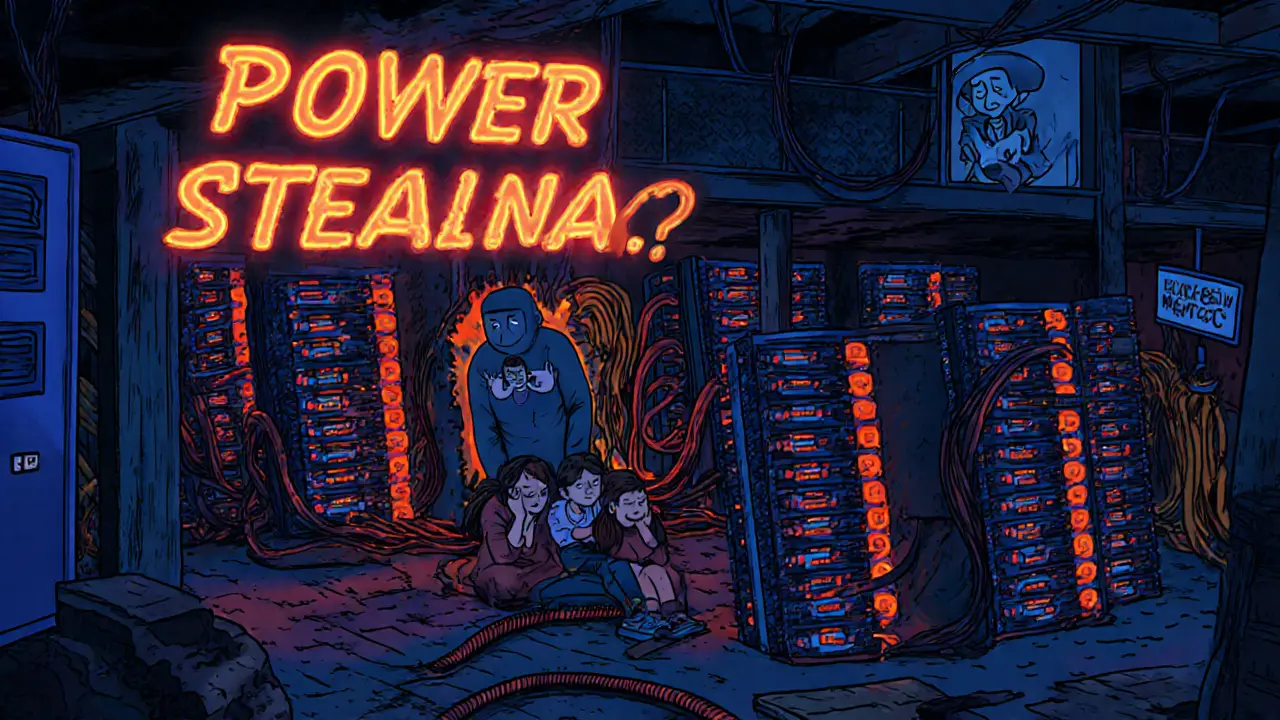
Kazakhstan Crypto Mining Restrictions After Energy Crisis: What’s Legal in 2025
  • 27 Oct 2025
  • Elara Crowthorne
  • 18

Kazakhstan Crypto Mining Restrictions After Energy Crisis: What’s Legal in 2025

Kazakhstan cracked down on crypto mining after energy shortages crippled cities. In 2025, mining is legal only under strict rules: licensed operations, mandatory crypto sales, 15% taxes, and capped power use. Here's what you need to know.

View More

Popular Categories

  • Cryptocurrency Guides (113)
  • Cryptocurrency (56)
  • Cryptocurrency Trading (42)
  • Blockchain (24)
  • DeFi (23)

Latest News

Bitwyre Indonesia Crypto Exchange Review: What You Need to Know Before March 2025 Launch

Bitwyre Indonesia Crypto Exchange Review: What You Need to Know Before March 2025 Launch

28/Nov/2025
Diffusion Finance Crypto Exchange Review: Features, Fees, and Safety

Diffusion Finance Crypto Exchange Review: Features, Fees, and Safety

18/Aug/2025
What is Single Finance (SINGLE) crypto coin? Token basics, market status, and DeFi role in 2025

What is Single Finance (SINGLE) crypto coin? Token basics, market status, and DeFi role in 2025

21/Nov/2025
What Is OOGI (OOGI) Crypto Coin? A Complete Guide to the Solana Meme Token

What Is OOGI (OOGI) Crypto Coin? A Complete Guide to the Solana Meme Token

27/Oct/2024
RBT Rabbit Token Airdrop: What We Know (and What We Don’t) on CoinMarketCap

RBT Rabbit Token Airdrop: What We Know (and What We Don’t) on CoinMarketCap

3/Feb/2026

Popular Tags

cryptocurrency decentralized exchange crypto exchange crypto exchange review blockchain Binance Smart Chain DeFi Proof of Work smart contracts blockchain gaming CoinMarketCap airdrop Bitcoin AI blockchain crypto airdrop guide ERC-20 Proof of Stake blockchain security crypto derivatives transaction fees MEXC Kickstarter
SOHO19 Crypto District

About

Cryptocurrency Guides

Menu

  • About Us
  • Terms of Service
  • Privacy Policy
  • CCPA
  • Contact Us
© 2026. All rights reserved.