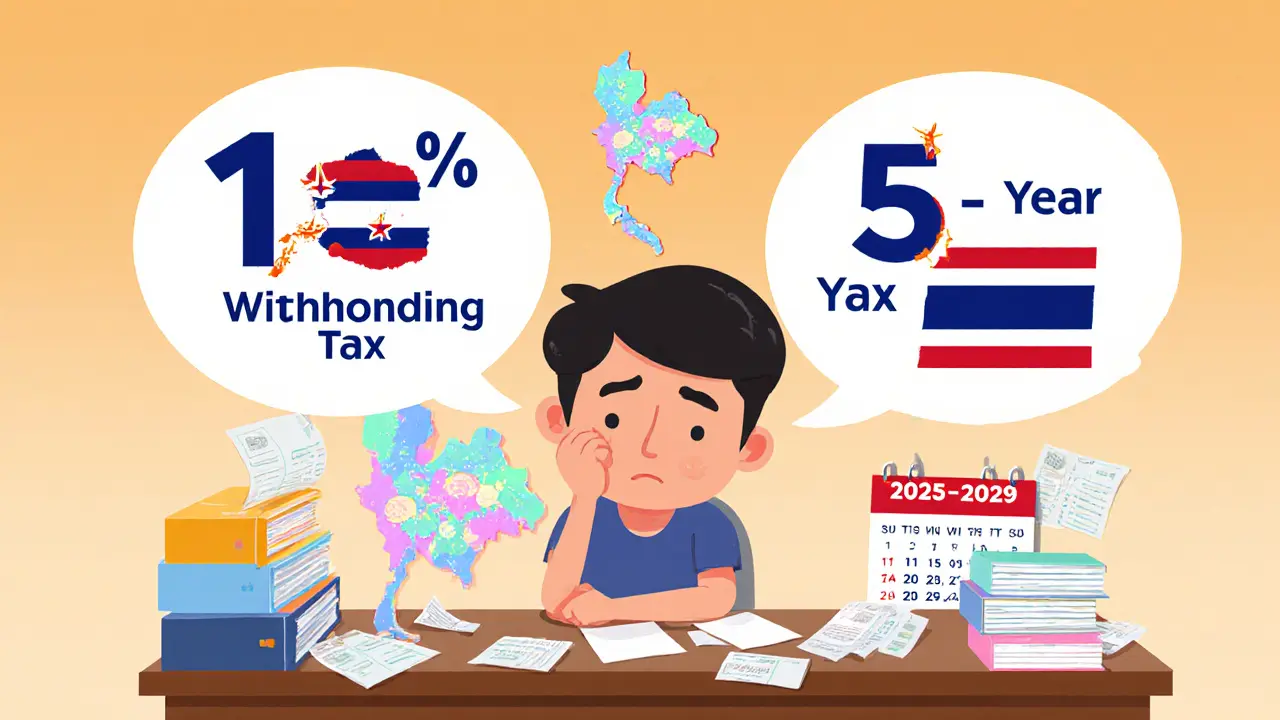
Learn why Thailand's crypto tax isn't a flat 15% gain tax. Discover the 5‑year exemption for residents, the 15% withholding for foreign entities, and how to stay compliant.
When talking about SEC‑licensed exchange, a cryptocurrency trading platform that has obtained approval from the U.S. Securities and Exchange Commission (SEC) to operate legally in the United States. Also known as SEC‑approved exchange, it offers users a layer of regulatory oversight that many other venues lack. The U.S. Securities and Exchange Commission, the federal agency responsible for enforcing securities laws evaluates each platform for compliance with registration, reporting, and investor‑protection rules. Because of this, a SEC‑licensed exchange typically provides clearer KYC/AML procedures, more transparent fee structures, and stronger custody safeguards. In the broader landscape of cryptocurrency regulation, the rulebook that guides how digital assets are issued, traded, and taxed, SEC licensing acts as a signal that the platform meets U.S. standards for security and fairness.
Most crypto platforms fall into two camps: centralized exchanges, services that hold user funds, match orders internally, and run under a single corporate entity and decentralized exchanges, protocols that let users trade directly from their wallets without a middle‑man. A centralized exchange can seek SEC approval, turning it into a regulated crypto exchange that must file periodic reports, undergo audits, and adhere to market‑manipulation rules. Decentralized platforms, by contrast, usually operate outside the SEC’s jurisdiction because they lack a controlling entity, which can leave users exposed to higher risk of fraud or legal uncertainty. When an exchange earns the SEC license, it bridges the gap: it keeps the convenience and liquidity of a centralized service while adding the consumer protections usually associated with traditional securities markets. This mix influences everything from how fees are disclosed to how dispute resolution is handled, making SEC‑licensed venues a distinct choice for traders who want both ease of use and regulatory confidence.
For anyone considering where to trade, the practical implications matter. First, fee transparency improves: regulated platforms must publish clear pricing and cannot hide costs in obscure terms. Second, security protocols are often tougher; many SEC‑licensed exchanges employ cold‑storage vaults, multi‑factor authentication, and regular penetration testing to satisfy audit requirements. Third, compliance checks mean you’ll likely go through identity verification, which can feel cumbersome but also protects you from illicit activity. Finally, because the SEC monitors market behavior, these exchanges tend to have stricter anti‑manipulation safeguards, such as real‑time monitoring of order flow and mandatory reporting of large trades. All these factors combine to create a trading environment that feels more like a traditional brokerage than a wild‑west crypto market.
Below you’ll find a curated collection of articles that explore fees, security measures, compliance details, and real‑world experiences with SEC‑licensed exchanges. Whether you’re a beginner wanting to understand the basics or an experienced trader looking for the next compliant platform, the posts ahead will give you actionable insight and help you make an informed decision.
Learn why Thailand's crypto tax isn't a flat 15% gain tax. Discover the 5‑year exemption for residents, the 15% withholding for foreign entities, and how to stay compliant.