SOHO19 Crypto District

South Korea crypto tax: What you need to know about crypto reporting, penalties, and compliance

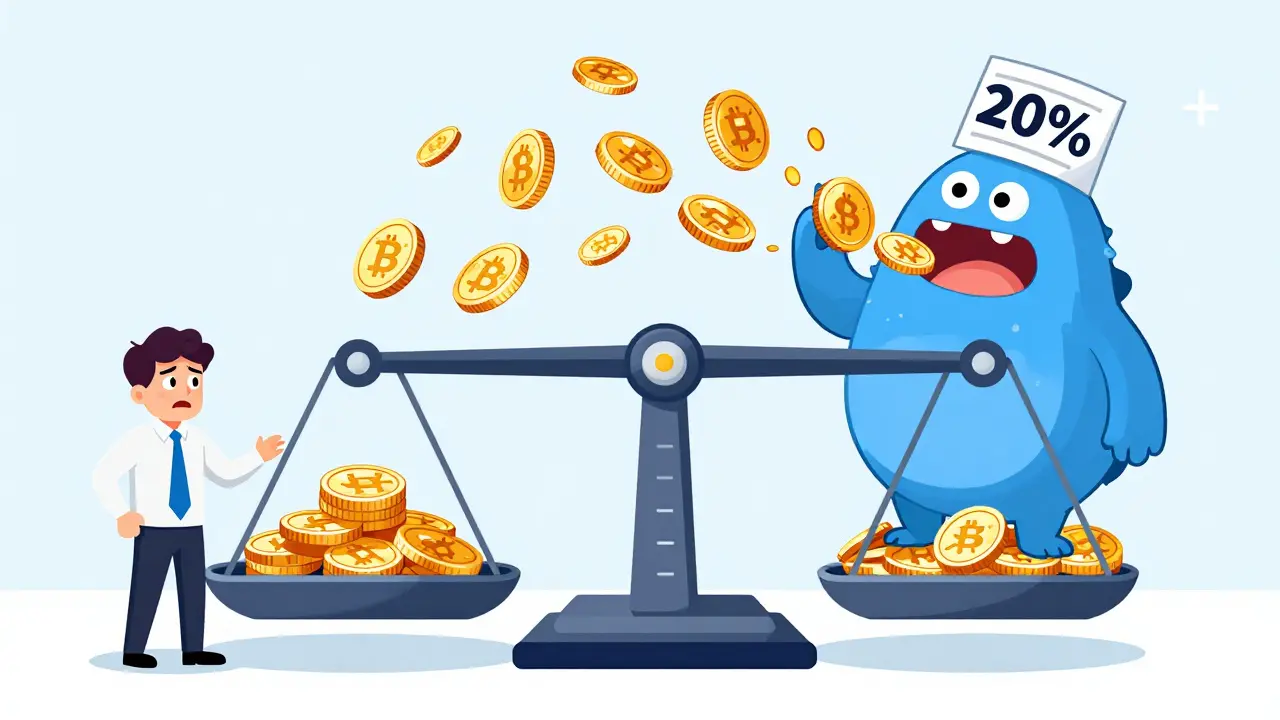
When you trade or hold cryptocurrency in South Korea, a country with some of the strictest crypto tax laws in the world. Also known as the Republic of Korea, it treats crypto as property, not currency—and that changes everything. If you made any profit from selling, trading, or using Bitcoin, Ethereum, or any other digital asset since 2022, the government expects you to report it. No exceptions. No loopholes. And if you don’t? You could face fines up to 20% of your gains—or worse.

The Korea Financial Intelligence Unit (KFIU), the agency that tracks suspicious crypto flows. Also known as KFTC, it works with exchanges like Bithumb and Upbit to collect user data. They don’t just ask for your tax return—they demand transaction logs, wallet addresses, and trade histories. Even if you used a non-Korean exchange like Binance or Kraken, you’re still required to report. The government has direct data-sharing agreements with major platforms, so hiding your activity isn’t an option.

Here’s the simple breakdown: if you sold crypto for more than you paid, you owe tax on the profit. The rate? 20% on gains over 2.5 million KRW (about $1,850 USD) per year. That’s not a threshold you can ignore—it’s a hard line. And it applies to every trade, even swapping one coin for another. A Bitcoin for Ethereum swap? Taxable event. Using crypto to buy a laptop? Taxable event. Even airdrops and staking rewards count as income. The rules are strict, but they’re clear. You don’t need a CPA to understand them—you just need to track your trades.

What about losses? You can offset them against gains, but only within the same year. You can’t carry them forward to future years like in the U.S. That means if you lost money in 2024, you can’t use it to reduce your 2025 tax bill. And if you didn’t file last year? The clock is ticking. South Korea’s tax authority has been auditing crypto users since 2023, and they’re not just going after big traders—they’re targeting everyday users who thought they could slip under the radar.

You’ll find posts here that explain how other countries handle crypto taxes, like the U.S. or Japan, but South Korea’s system is unique. It’s not about encouraging innovation—it’s about control. The government wants visibility, and they’ve built the infrastructure to get it. That’s why you’ll see articles about FinCEN registration, a U.S. requirement for exchanges. Also known as MSB registration, it’s a different system entirely. In Korea, it’s not the exchange that registers—it’s you.

Some people think using a cold wallet or a VPN will hide their trades. It won’t. The tax authorities don’t need to see your wallet—they just need to match your bank deposits to known exchange withdrawals. If you deposited 5 million KRW into your bank account in December and you didn’t file a crypto tax return, you’re already on their list.

Below, you’ll find real guides on how to track your trades, what documents to keep, and how to avoid common mistakes that lead to audits. There are no shortcuts. But there is a path to staying compliant without overpaying. It’s not about avoiding taxes—it’s about understanding them so you don’t get punished for ignorance.

South Korea Crypto Tax: 20% on Gains Over 50 Million KRW, Full Rules for 2027
  • 8 Dec 2025
  • Elara Crowthorne
  • 20

South Korea Crypto Tax: 20% on Gains Over 50 Million KRW, Full Rules for 2027

South Korea's crypto tax kicks in at 20% on gains over 50 million KRW ($35,900), with income from staking taxed up to 49.5%. The rule starts in January 2027. Know your threshold, track every trade, and avoid penalties.

View More

Popular Categories

  • Cryptocurrency Guides (63)
  • Cryptocurrency (46)
  • Cryptocurrency Trading (27)
  • DeFi (14)
  • Blockchain (13)

Latest News

Digital Art Authentication with NFTs: How Blockchain Verifies Ownership and Stops Forgery

Digital Art Authentication with NFTs: How Blockchain Verifies Ownership and Stops Forgery

18/Jan/2026
Triunits Exchange Review: Is India’s Biggest Crypto Platform Legit or a Scam?

Triunits Exchange Review: Is India’s Biggest Crypto Platform Legit or a Scam?

10/Mar/2025
Midnight (NIGHT) Airdrop by Cardano: Complete Details on the Glacier Drop, Eligibility, and Claiming Process

Midnight (NIGHT) Airdrop by Cardano: Complete Details on the Glacier Drop, Eligibility, and Claiming Process

1/Nov/2025
NFTify N1 Token Airdrop Details: How to Join, Rewards & What’s Next

NFTify N1 Token Airdrop Details: How to Join, Rewards & What’s Next

15/Dec/2024
What Is the DYOR Crypto Coin? A Complete Guide

What Is the DYOR Crypto Coin? A Complete Guide

8/Feb/2025

Popular Tags

cryptocurrency crypto exchange crypto exchange review blockchain DeFi CoinMarketCap airdrop decentralized exchange Bitcoin ERC-20 smart contracts crypto derivatives Binance Smart Chain AI blockchain trading fees crypto airdrop guide how to claim airdrop DYOR token cryptocurrency research tokenized Bitcoin meme coin
SOHO19 Crypto District

About

Cryptocurrency Guides

Menu

  • About Us
  • Terms of Service
  • Privacy Policy
  • CCPA
  • Contact Us
© 2026. All rights reserved.