- 4 Oct 2026
- Elara Crowthorne
- 0
You’re scrolling through your portfolio, looking for the next high-yield opportunity on Avalanche a high-performance blockchain platform known for its sub-second finality and EVM compatibility. You stumble upon Thorus Finance a decentralized finance protocol offering automated market making, staking, and bonding mechanisms. It promises massive APYs and easy swaps. But before you connect your wallet, you need to know what you’re actually dealing with. Is Thorus a legit exchange, or just another ghost in the machine?
Here’s the blunt truth: Thorus isn’t a centralized exchange like Coinbase or Kraken. It’s a niche Decentralized Exchange (DEX) that emerged during the 2021 DeFi boom. If you’re expecting customer support phone lines and fiat deposits, you’ll be disappointed. But if you understand smart contract risks and want non-custodial control, this might be your playground. Let’s break down exactly what Thorus offers, where it hides risks, and whether it deserves your AVAX.
What Exactly Is Thorus Finance?
Thorus operates as an Automated Market Maker (AMM) on the Avalanche C-Chain. Unlike centralized exchanges that hold your money, Thorus lets you trade directly from your wallet. It combines standard swapping features with OlympusDAO-inspired tokenomics. Think of it as a hybrid: part trading venue, part yield farm.
The core appeal was always the "OHM fork" model. In late 2021, protocols like OlympusDAO a decentralized reserve currency protocol that inspired many similar projects exploded in popularity by offering high yields through rebasing staking. Thorus followed this playbook. Users could swap tokens, provide liquidity, and stake the native token (often denoted as THO) to earn rewards. The goal? Create a self-sustaining ecosystem where the treasury grows via bonds, and users profit from staking.
However, don’t confuse this with mainstream success. Major financial guides like NerdWallet or Finder rarely mention Thorus in their top lists. Why? Because it lacks the regulatory backing and volume of giants like Kraken a secure cryptocurrency exchange known for its robust security features and low fees. Thorus is a community-driven project, often led by pseudonymous developers. That means less accountability but more decentralization.
Key Features and How They Work
If you decide to use Thorus, you’ll interact with three main functions. Understanding these helps you avoid costly mistakes.
- Swapping: Like Trader Joe the leading decentralized exchange on the Avalanche network, Thorus allows you to swap ARC-20 tokens instantly. Fees typically hover around 0.2% to 0.3%, plus gas costs in AVAX.
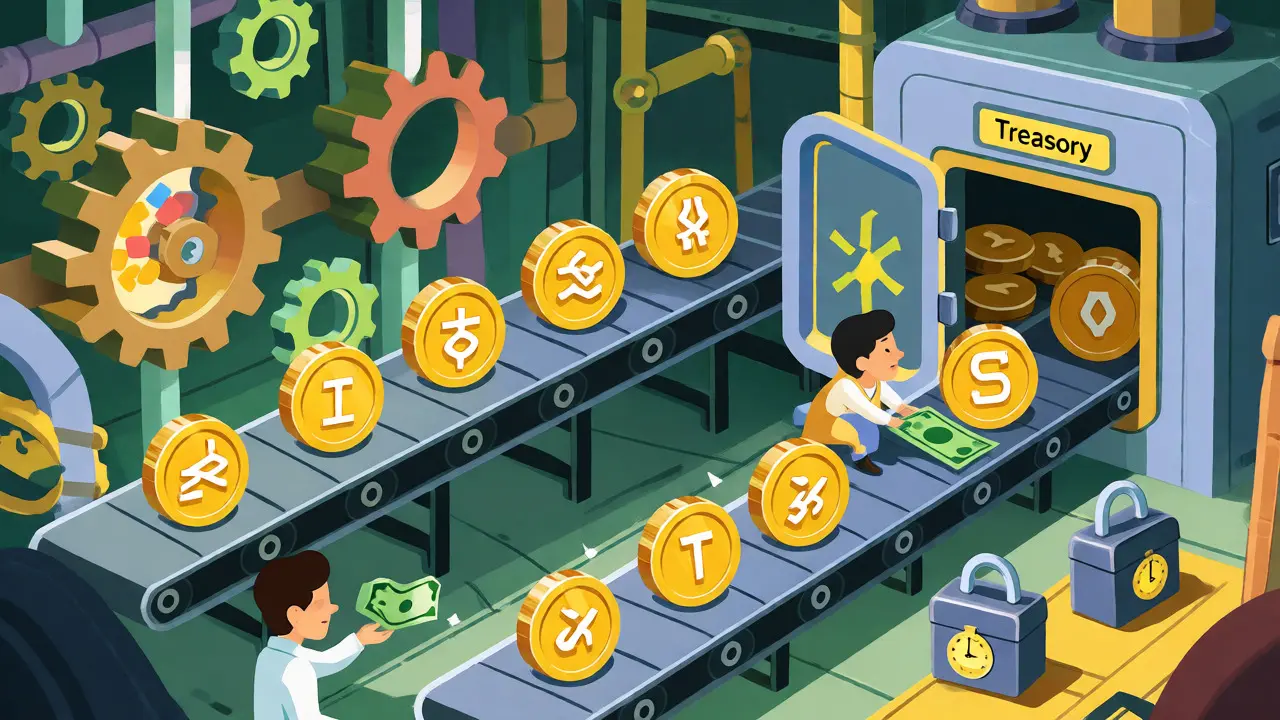
- Bonding: This is the unique bit. You buy Thorus tokens at a discount by providing other assets (like USDT or AVAX) to the protocol’s treasury. These bonds vest over time, meaning you can’t sell immediately. It’s a long-term commitment disguised as a quick deal.
- Staking: Stake your THO tokens to earn rebases. Your balance increases automatically, but remember: if the token price crashes faster than your balance grows, you’re still losing money.
The user experience relies entirely on Web3 wallets like MetaMask a popular browser extension wallet used to interact with Ethereum-based blockchains or Core. There’s no email login. No password reset. If you lose your seed phrase, your funds are gone forever.
The Risks: Why You Should Be Careful
High APYs often signal high risk. With Thorus, the dangers are specific and severe. First, consider the lack of audits. While major protocols hire firms like CertiK or Trail of Bits, Thorus has limited public evidence of comprehensive third-party code reviews. Without these, smart contract bugs remain a silent threat.
Then there’s the economic design. OHM forks are notorious for volatility. During the bull run, APYs might hit thousands of percent. But when hype fades, token prices can drop 90% or more. If you bought in late, your "yield" won’t cover your capital loss. Liquidity is another concern. Small DEXs often suffer from thin order books. Large trades can cause significant slippage, eating into your profits.
| Feature | Thorus (DEX) | Kraken/Coinbase (CEX) |
|---|---|---|
| Custody | Non-custodial (You hold keys) | Custodial (Exchange holds keys) |
| Fiat On-ramp | No (Crypto only) | Yes (Bank transfer, card) |
| Regulation | Minimal/None | Licensed & Regulated |
| Support | Community/Discord | 24/7 Help Desk |
| Risk Profile | Smart Contract + Market Risk | Platform + Market Risk |
How to Use Thorus: A Step-by-Step Guide
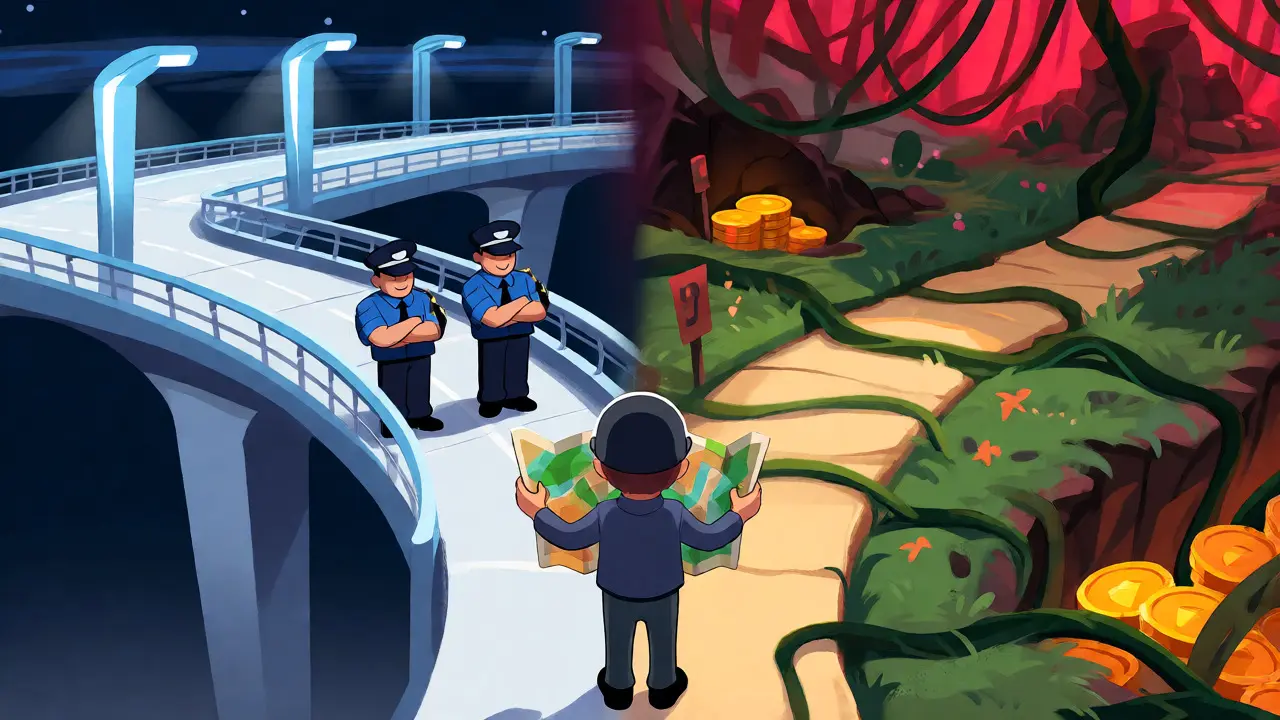
Ready to try it out? Here’s how to navigate the process without getting lost.
- Set Up Your Wallet: Install MetaMask or Core. Add the Avalanche C-Chain network using the correct RPC URL and Chain ID (43114).
- Fund Your Account: Buy AVAX on a centralized exchange like Binance or Kraken. Withdraw it to your wallet address on the Avalanche network. Don’t forget to leave some extra for gas fees.
- Connect to Thorus: Go to the official Thorus website. Click "Connect Wallet." Verify the URL carefully to avoid phishing sites.
- Swap or Bond: Choose your action. If bonding, check the vesting period. If swapping, watch the slippage tolerance.
- Manage Positions: Track your staked balance in your wallet. Remember, rebases happen automatically, so you don’t need to claim rewards manually.
Each step requires attention. Sending AVAX to the wrong chain or connecting to a fake site can wipe your account in seconds.
Current Status and Future Outlook
As of October 2026, Thorus remains a niche player. Its activity peaked during the 2021-2022 bull market. Since then, Total Value Locked (TVL) and daily volumes have likely declined, mirroring trends across many OHM forks. Check platforms like DeFiLlama or SnowTrace to see current transaction counts. If daily interactions are near zero, the project may be inactive or abandoned.
For most investors, Thorus serves better as a speculative play than a primary exchange. It’s suitable for those who already hold AVAX and want to experiment with DeFi mechanics. For beginners needing stability, stick to regulated platforms. Always verify the project’s social channels for recent updates before depositing significant funds.
Is Thorus a safe platform to use?
Safety depends on your definition. As a non-custodial DEX, you control your funds, which reduces theft risk from the platform itself. However, smart contract risks remain high due to limited audit visibility. Always start with small amounts to test the waters.
Can I buy crypto with a credit card on Thorus?
No. Thorus is a decentralized exchange, so it doesn't support fiat currencies directly. You must first buy crypto (like AVAX or stablecoins) on a centralized exchange and bridge it to the Avalanche network.
What are the fees on Thorus?
Fees consist of two parts: a swap fee (typically 0.2-0.3%) paid to liquidity providers, and gas fees paid to the Avalanche network for processing transactions. Gas fees vary based on network congestion.
Does Thorus require KYC verification?
Generally, no. As a DeFi protocol, Thorus is permissionless. You connect your wallet and trade without submitting personal identification documents, unlike centralized exchanges.
Why did Thorus token prices drop so much?
Many OHM-style forks experienced extreme volatility. High initial yields attracted speculation, but once buying pressure slowed, token prices corrected sharply. This is common in protocols relying heavily on inflationary tokenomics.