- 30 Jun 2026
- Elara Crowthorne
- 19
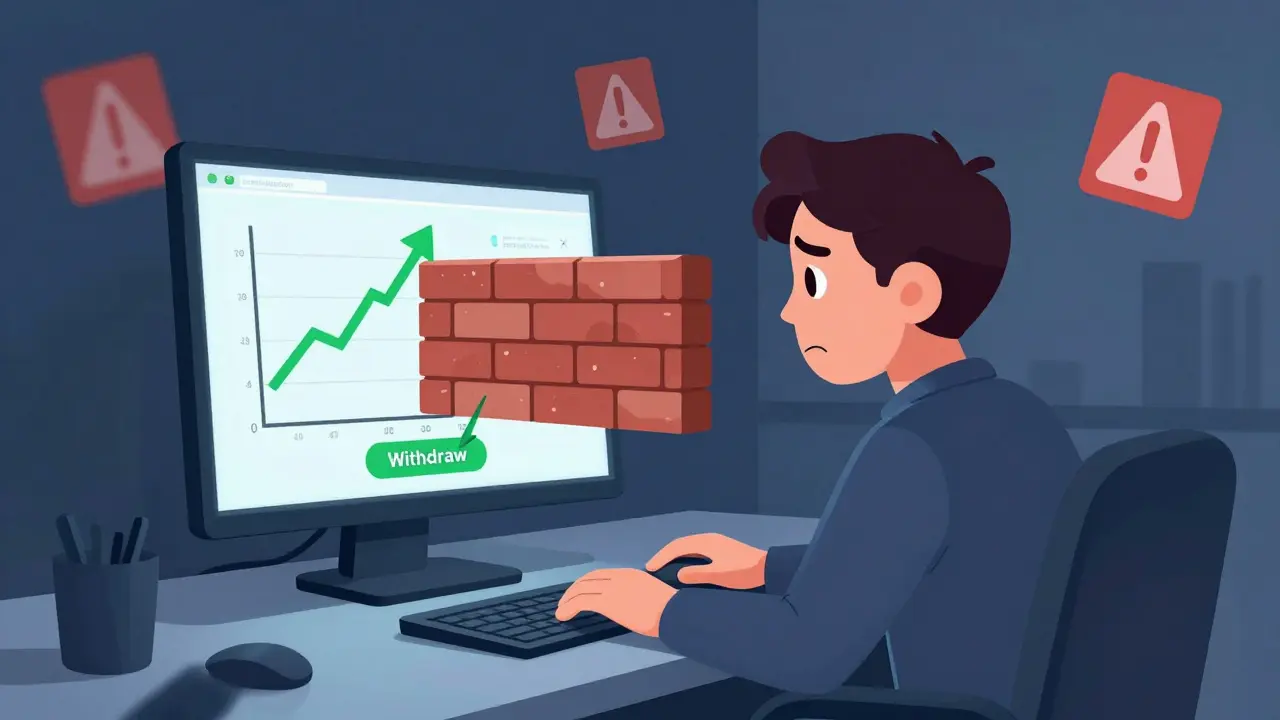
You want to trade Bitcoin or USDT without jumping through endless regulatory hoops. You hear about a platform that promises low fees, gift card exchanges, and easy access in emerging markets. That sounds like a dream, right? But when you actually try to withdraw your money, things get messy. This is the reality many users face with CoinCola.
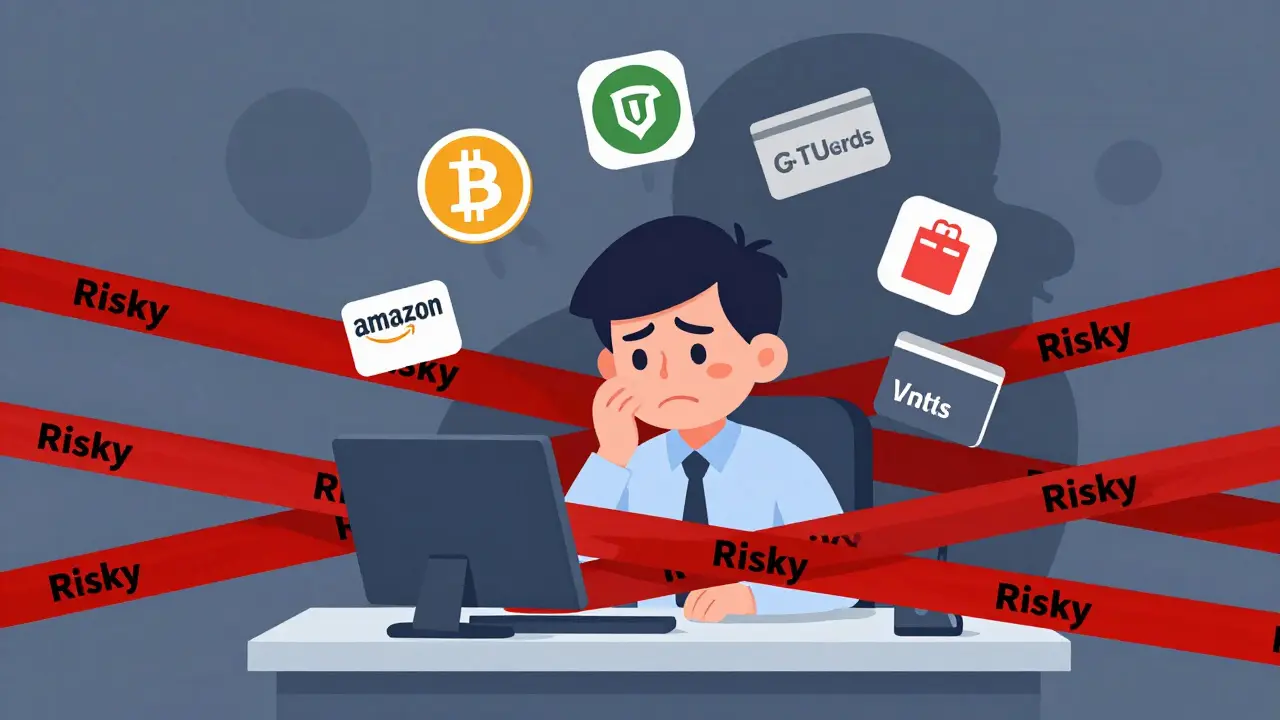
Is CoinCola still worth using in 2026? The short answer is risky. While the platform offers unique features like peer-to-peer (P2P) trading and gift card swaps, it carries significant red flags regarding security, customer support, and withdrawal reliability. If you are looking for a safe place to store long-term investments, look elsewhere. If you are an experienced trader willing to take risks for niche payment options, proceed with extreme caution.
What Is CoinCola and How Does It Work?
CoinCola is a global cryptocurrency trading marketplace and exchange platform established to facilitate peer-to-peer transactions, spot trading, and gift card exchanges. Unlike traditional centralized exchanges like Binance or Coinbase, which act as intermediaries holding your funds in custodial wallets, CoinCola operates largely as a facilitator for direct user-to-user trades.
The platform launched its web service and mobile applications (available on iOS and Android) several years ago, positioning itself as a solution for regions with limited banking infrastructure. Its core value proposition revolves around three main pillars:
- P2P Trading: Users buy and sell crypto directly with each other. CoinCola provides an escrow system to hold funds until both parties confirm the transaction.
- Gift Card Exchange: A unique feature allowing users to trade cryptocurrencies for Amazon, iTunes, and Google Play gift cards.
- Spot and Margin Trading: Standard order book trading for major coins like Bitcoin (BTC), Ethereum (ETH), Tether (USDT), Litecoin (LTC), Bitcoin Cash (BCH), Dash (DASH), and Ripple (XRP).
The interface is designed to be simple, appealing to beginners who might find professional trading platforms intimidating. However, simplicity often hides complexity in the backend processes, particularly regarding verification and fund releases.
Fees and Hidden Costs: What You Actually Pay
CoinCola markets itself aggressively on the promise of "low fees" and "no hidden fees" for retail buyers. According to their official documentation, transaction fees are primarily charged to vendors who post advertisements, not the buyers. They also claim that internal transfers between CoinCola users are free.
However, user experiences tell a different story. While you might not see a high percentage fee deducted from every trade, there are structural costs that can eat into your profits or trap your capital:
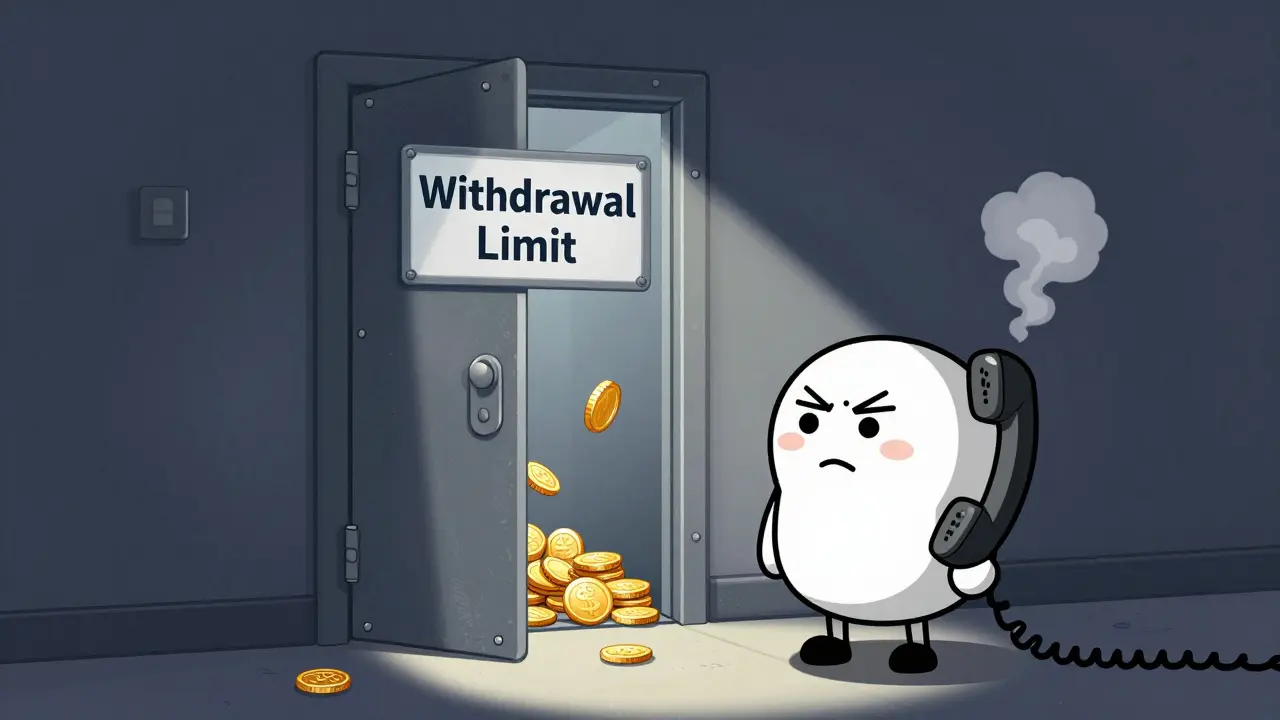
- Minimum Withdrawal Thresholds: This is a major pain point. For example, Bitcoin withdrawals have a minimum threshold (reported around 0.0004 BTC). If you have 0.0003 BTC left in your account after trading, you cannot withdraw it. It becomes stuck indefinitely unless you add more funds to meet the limit.
- Network Fees: When withdrawing to an external wallet, blockchain network fees apply. These vary by congestion but are non-negotiable costs passed to the user.
- Spread on Gift Cards: While exact rates aren't always transparent, exchanging crypto for gift cards usually involves a less favorable rate compared to selling for fiat currency.
Compared to giants like Binance, which charges a standard 0.1% maker/taker fee, CoinCola’s model seems cheaper on paper. But if your small balance gets trapped due to withdrawal limits, the effective cost is 100% of that trapped amount.
Security and Safety: The Escrow System vs. Reality
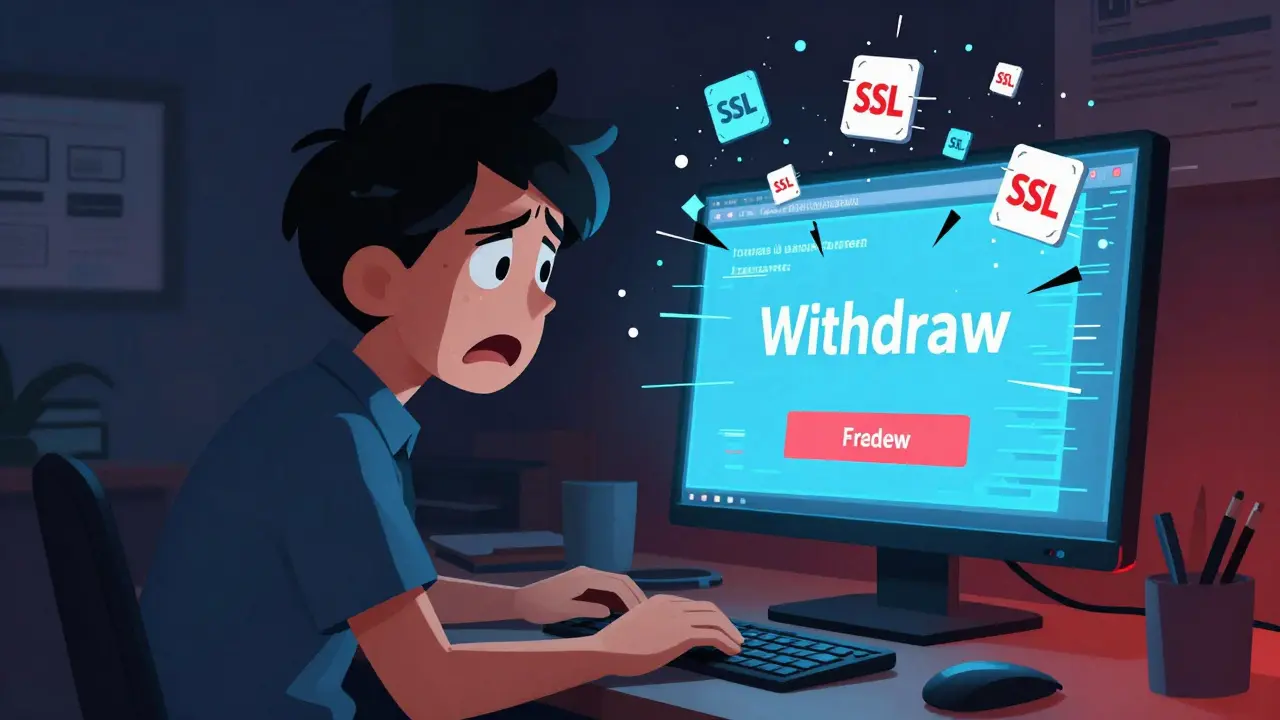
Security is the biggest concern when evaluating any crypto platform. CoinCola claims to use "bank-level encryption," SSL certificates, and cold storage for assets. They state their security team has over 10 years of experience. On the surface, this sounds robust.
In practice, however, the P2P nature of the platform introduces human risk. The escrow system is meant to protect you: when you buy crypto, CoinCola holds the seller's coins in escrow until you confirm receipt of payment. Once confirmed, the coins are released.
Where does it break down? Disputes. If a buyer claims they didn't receive goods or a seller claims they didn't receive payment, CoinCola’s support team must intervene. Here is where numerous negative reviews emerge. Users report cases where:
- Accounts are frozen during disputes without clear explanation.
- Funds are withheld for weeks while investigations drag on.
- Support teams become unresponsive once money is involved.
Unlike regulated entities like Coinbase (which is registered with the SEC) or Kraken (regulated in multiple jurisdictions), CoinCola lacks clear regulatory oversight from major financial authorities like the FCA or SEC. This means if something goes wrong, you have no legal recourse through traditional banking channels. Your trust is entirely placed in the platform’s internal policies, which appear inconsistent based on user feedback.
User Experience and Verification Hurdles
Getting started on CoinCola requires identity verification (KYC). The process asks for ID documents and sometimes proof of address. In ideal scenarios, this takes a few hours. In reality, many users report waiting more than 48 hours for approval.
Once verified, the app is generally considered user-friendly. The mobile apps (iOS version 1.0.0+ and Android) are responsive and easy to navigate. Features like "Express P2P" aim to speed up transactions. However, the friction points lie outside the UI:
- Verification Delays: Accounts stuck in "under review" status prevent any trading activity.
- Limited Educational Resources: There is little guidance for new traders on how to safely conduct P2P trades, increasing the risk of falling victim to scams by malicious counterparties.
- Customer Support Quality: Reviews are polarized. Some users praise quick responses; others describe complete silence when trying to resolve critical issues like frozen funds.
Comparison: CoinCola vs. Major Exchanges
To understand where CoinCola fits, let’s compare it to established competitors. This table highlights key differences in regulation, features, and trust factors.
| Feature | CoinCola | Binance | Coinbase |
|---|---|---|---|
| Regulatory Status | Unclear / Unverified | Registered in multiple jurisdictions | SEC-registered (USA) |
| Primary Model | P2P Marketplace + Spot | Centralized Order Book | Centralized Custodial |
| Gift Card Support | Yes (Amazon, iTunes, etc.) | No | No |
| Fee Structure | Vendor-paid ads (claimed low) | 0.1% Maker/Taker | Variable (higher for credit cards) |
| Withdrawal Flexibility | Strict minimums reported | Low minimums, high volume | Standard banking/crypto limits |
| Trust Score (User Reviews) | Mixed/Low (2.5/5 on Trustpilot) | High Volume, Mixed Sentiment | High Trust, Higher Fees |
CoinCola’s niche is clear: it serves users in emerging markets (like Nigeria, where it supports Naira and local bank transfers) and those needing gift card liquidity. It is not a replacement for a primary investment portfolio exchange.

Who Should Use CoinCola?
Not everyone should sign up. Here is who might benefit and who should avoid it:
Consider CoinCola if:
- You live in a region with strict banking restrictions on crypto (e.g., parts of Africa or Southeast Asia).
- You specifically need to convert crypto into gift cards for personal use.
- You are an experienced P2P trader who understands how to mitigate counterparty risk.
- You only keep small amounts of funds on the platform at any given time.
Avoid CoinCola if:
- You are a beginner looking for a safe, hands-off investment platform.
- You plan to store large sums of Bitcoin or Ethereum long-term.
- You require guaranteed, instant customer support for urgent issues.
- You reside in a highly regulated jurisdiction (like the US or UK) where compliance matters.
Red Flags to Watch Out For in 2026
As we move through 2026, the crypto landscape is becoming increasingly regulated. Platforms that operated in gray areas are facing scrutiny. CoinCola faces several ongoing challenges:
- Withdrawal Complaints: Persistent reports of accounts being frozen over minor disputes or small balances suggest systemic issues in their dispute resolution process.
- Lack of Transparency: No public audit trails, no clear founder information, and vague corporate structure make it hard to verify legitimacy.
- Regulatory Risk: Without licenses from bodies like FinCEN or the FCA, the platform could be blocked or shut down in certain countries without warning.
If you decide to use CoinCola, treat it like a cash transaction. Only trade what you can afford to lose, and never leave significant assets sitting in your account overnight. Always withdraw to a private hardware wallet immediately after purchase.
Is CoinCola a scam?
It is difficult to label CoinCola definitively as a "scam" because legitimate transactions do occur, and some users report positive experiences. However, the high volume of complaints regarding frozen funds, unresponsive support, and inability to withdraw small balances raises serious red flags. It operates with lower transparency than regulated exchanges, making it higher risk. Proceed with extreme caution.
Why can't I withdraw my small Bitcoin balance from CoinCola?
CoinCola enforces minimum withdrawal thresholds to cover network fees. For Bitcoin, this minimum is reportedly around 0.0004 BTC. If your balance is below this (e.g., 0.0003 BTC), you cannot withdraw it to an external wallet. You would need to deposit more funds to reach the threshold or accept that the small amount is trapped.
How long does CoinCola verification take?
While the platform aims for quick processing, many users report delays exceeding 48 hours. During peak times or if additional documents are requested, verification can take several days. Ensure your ID photos are clear and well-lit to avoid unnecessary rejections.
Can I buy Amazon gift cards with crypto on CoinCola?
Yes, one of CoinCola’s unique features is the ability to exchange cryptocurrencies like Bitcoin or USDT for gift cards from retailers such as Amazon, iTunes, and Google Play. However, exchange rates may be less favorable than selling for fiat currency, and availability depends on active vendors.
Is CoinCola available in the United States?
CoinCola does not explicitly block all US users, but it lacks registration with the SEC or FinCEN. Using unregulated exchanges in the US carries significant legal and financial risk. Most US residents are better served by compliant platforms like Coinbase, Kraken, or Binance.US.

19 Comments
they always say its safe until the SEC shows up and shuts it down, just like with FTX and all those other "innovative" platforms that were actually just ponzi schemes in disguise. you think CoinCola is different? please. they are collecting your KYC data to sell to the highest bidder or hand over to authorities when they get squeezed. keep your money in cold storage, not on some unregulated offshore server farm run by guys who probably use burner phones.
Look, I know everyone loves to hate on these niche exchanges, but if you are in Nigeria or parts of Southeast Asia, CoinCola is literally a lifeline. You cannot just tell people to use Coinbase when their local banks block crypto transactions entirely. Yes, there are risks, but so is living without financial access. Use it for small amounts, move the funds out immediately, and stop acting like you are better than people trying to survive in emerging markets. It works if you know what you are doing!
I have been following the discourse around decentralized finance and peer-to-peer marketplaces for quite some time now, and while I appreciate the convenience that platforms like CoinCola offer to users in regions with limited banking infrastructure, one must seriously consider the long-term implications of relying on an entity that lacks transparent regulatory oversight and clear corporate governance structures, especially given the increasing scrutiny from global financial authorities which could lead to sudden operational disruptions or asset freezes that leave users with no recourse whatsoever.
Oh, spare me the tears about "emerging markets." If you cannot afford the 0.1% fee on Binance, you should not be trading crypto at all. The fact that you are willing to trust an unregulated sketchy platform because it offers gift card swaps proves exactly why retail investors get wrecked. It is not sophistication; it is ignorance wrapped in convenience. Stay away unless you enjoy donating your capital to venture capitalists who do not care about your liquidity.
i tried to withdraw my btc last week and it got stuck because i had like 0.0002 left under the min limit. so annoying lol. support never replied to my ticket either.
Exactly! And this is why I refuse to touch anything that isn't fully regulated. People need to wake up and realize that "low fees" is just bait to get you into the ecosystem before they trap your funds. It is morally reprehensible how these platforms prey on inexperienced traders who do not understand blockchain mechanics. Do not be a victim of greed. Stick to Coinbase or Kraken, pay the higher fees, and sleep at night knowing your assets are protected by actual laws.
The problem is that these foreign entities operate outside our jurisdiction, exploiting loopholes that American regulators are too slow to close. We see this pattern repeatedly: a platform launches with promises of freedom, operates in the gray area, and then vanishes when enforcement begins. It is a disgrace that we allow such vulnerabilities in our financial system. Americans should stick to domestic, compliant exchanges that respect our sovereignty and legal standards rather than gambling on offshore casinos.
Let us call this what it really is: a digital casino built on quicksand. The escrow system is a mirage, a psychological comfort blanket for users who believe someone is watching their back. In reality, it is just code written by developers who might be siphoning off fractions of cents per transaction while leaving you exposed to counterparty risk. The whole P2P model on unregulated platforms is a beautiful disaster waiting to happen, a symphony of chaos where the house always wins because the house disappears.
I guess it depends on your risk tolerance. For me, the idea of keeping significant funds on any centralized exchange is terrifying regardless of regulation. But for small, immediate trades in areas where banking is broken, it makes sense as a tool, not a vault. Just treat it like cash in your pocket. You would not walk around with your life savings in your jeans, right? Same logic applies here. Be chill, be smart, move the funds.
You are all missing the point. The issue is not just the fees or the regulation. It is the fundamental lack of transparency. Who owns CoinCola? Where are the audits? Why is the founder anonymous? This is not a business; it is a shadow operation. And yet, here we are, debating the merits of gift card exchanges instead of demanding accountability. It is pathetic how easily people are distracted by minor conveniences while ignoring the glaring red flags of potential fraud.
Hey folks! :D I actually used CoinCola back in 2021 to buy iTunes cards for my gaming setup. It worked fine for me, though I did have to wait a bit for verification. I think the key is to manage expectations. It is not Binance, it is not Coinbase. It is a niche tool. If you use it for what it is designed for-small, specific transactions-it can be useful. Just don't park your retirement fund there! :) Cheers!
The sheer audacity of recommending this platform to anyone with even a modicum of financial literacy is astounding. The user interface may be simple, but that simplicity is a facade masking a labyrinth of hidden costs and structural inefficiencies. The spread on gift card exchanges is predatory, and the withdrawal thresholds are designed to extract value from dormant accounts. It is a classic example of dark patterns in fintech design. Only the most naive or desperate individuals should engage with such an entity.
I am so tired of reading these reviews that try to sound balanced. It is either a scam or it is not. My friend lost $500 because their account was frozen during a dispute and support ghosted them for three weeks. Three weeks! Do you know what happens to your mental health in three weeks of uncertainty? Nothing. They just want your money. Run away.
It is important to remember that every tool has its place. For many users in developing nations, CoinCola provides essential financial inclusion. Let us focus on education rather than condemnation. Teach people how to secure their wallets, verify counterparties, and understand the risks. Empowerment comes from knowledge, not fear. If you use it wisely, it can be a bridge to broader economic participation.
The tragedy of modern crypto adoption is that we are forced to choose between convenience and security. CoinCola represents the dark side of that coin. It is easy to use, yes. But ease often comes at the cost of safety. When the music stops, who will be left holding the bag? Probably the average user who trusted the platform too much. It is a sobering reminder that in the wild west of cryptocurrency, trust is a luxury few can afford.
I think we can all agree that the withdrawal limits are the biggest pain point;; honestly;; it feels like a penalty for being a small trader;; which is ironic since they claim to serve retail buyers;; maybe they should reconsider their fee structure;; or at least make it clearer upfront;; transparency goes a long way;; building trust is hard;; losing it is easy;; let us hope they improve;;
Yo! I checked out the app recently. It looks pretty clean compared to some of the older exchanges. But yeah, the reviews are scary. I think I will stick to my hardware wallet for now. Not worth the stress for a few bucks saved on fees. Stay safe out there everyone! :-)
This is another example of why we need stronger national controls on crypto exchanges operating within our borders. Allowing these unregulated entities to flourish undermines our financial sovereignty and exposes citizens to unnecessary risk. We should demand stricter enforcement and ban platforms that do not meet basic regulatory standards. Protect our people, protect our economy. Enough with the lax attitudes toward offshore crypto operations.
What interests me most is the psychological aspect of why people continue to use platforms with known issues. Is it the allure of lower fees? The convenience of gift cards? Or perhaps a sense of adventure in navigating the gray areas of finance? Understanding these motivations could help us design better educational resources. Maybe the solution is not to ban these platforms, but to equip users with the critical thinking skills to navigate them safely.