- 9 Apr 2026
- Elara Crowthorne
- 19
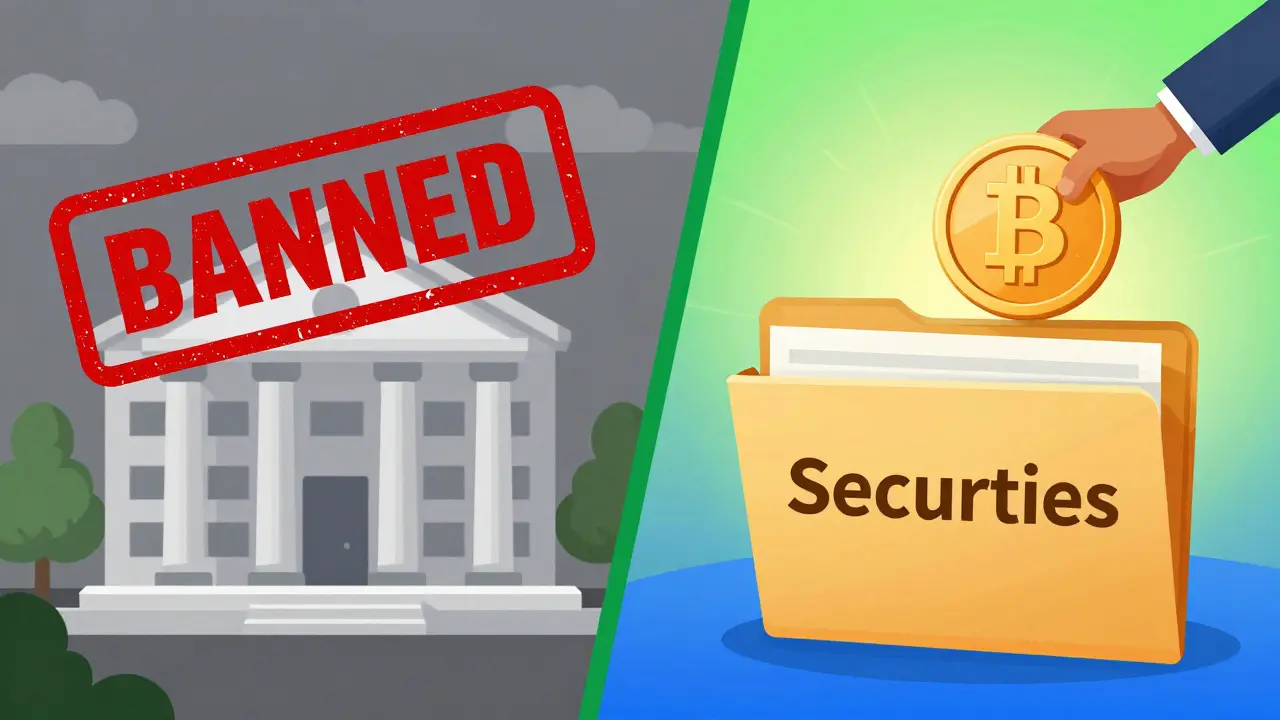
If you're trying to trade crypto in Nigeria today, you've probably noticed that the rules change almost as fast as the market prices. For years, the environment felt like a game of cat and mouse, with banks blocking accounts and regulators issuing vague warnings. But here is the reality: the era of outright bans is over, replaced by a complex system of licenses and laws that actually recognize digital assets. While you won't find a blanket prohibition anymore, the crypto exchanges restrictions for Nigerian citizens have simply shifted from "you can't do this" to "you can do this, but only if the platform is registered."
The most critical change came with the Investments and Securities Act (ISA 2025), signed by President Bola Ahmed Tinubu. This isn't just another memo; it's a legal pivot that classifies cryptocurrencies as securities. For the average user, this means the government has stopped pretending crypto doesn't exist and has instead started treating it like any other financial investment. However, this transition hasn't been seamless. While the law says one thing, the experience on the street-and in the banking app-can sometimes feel very different.
The New Legal Landscape: From Bans to Licenses
To understand where we are, we have to look at where we were. Between 2021 and 2023, the Central Bank of Nigeria (CBN) effectively cut off the oxygen to crypto businesses by forbidding banks from facilitating any crypto-related transactions. This pushed millions of Nigerians toward P2P (peer-to-peer) trading, making Nigeria a global leader in P2P volume with over 22 million active participants.
By December 2023, the tide turned. Governor Cardoso lifted the ban and allowed banks to work with licensed providers. Today, the Securities and Exchange Commission (SEC) of Nigeria is the primary gatekeeper. For a crypto exchange to operate legally, it must be registered as a Virtual Asset Service Provider (VASP). This means the platform has to prove it can stop money laundering and prevent terrorism financing before it gets the green light to serve Nigerian citizens.
| Feature | 2021-2023 Era | 2025-2026 Era (ISA 2025) |
|---|---|---|
| Legal Status | Restrictive / "Banned" for banks | Recognized as Securities |
| Bank Interaction | Accounts frozen / Blocked | Permitted for licensed VASPs |
| Primary Regulator | CBN (Central Bank) | SEC (Securities & Exchange Commission) |
| Trading Method | Heavy reliance on P2P | Mix of P2P and Regulated Exchanges |
Who is actually allowed to operate?
You might wonder if your favorite global exchange is "legal" in Nigeria. Under the current framework, the SEC is vetting platforms thoroughly. Some local players, such as Quidax and Busha, were among the first to receive approvals. These platforms have integrated the necessary compliance tools to satisfy the Nigerian Financial Intelligence Unit (NFIU).
But here is the catch: the licensing process is slow. Many platforms are still in the "vetting" phase. If you are using an exchange that isn't registered, you aren't necessarily breaking the law as an individual, but you are operating without the consumer protections the ISA 2025 promises. If a non-licensed exchange freezes your funds, the SEC has very little power to help you get them back.
The Gap Between Law and Reality
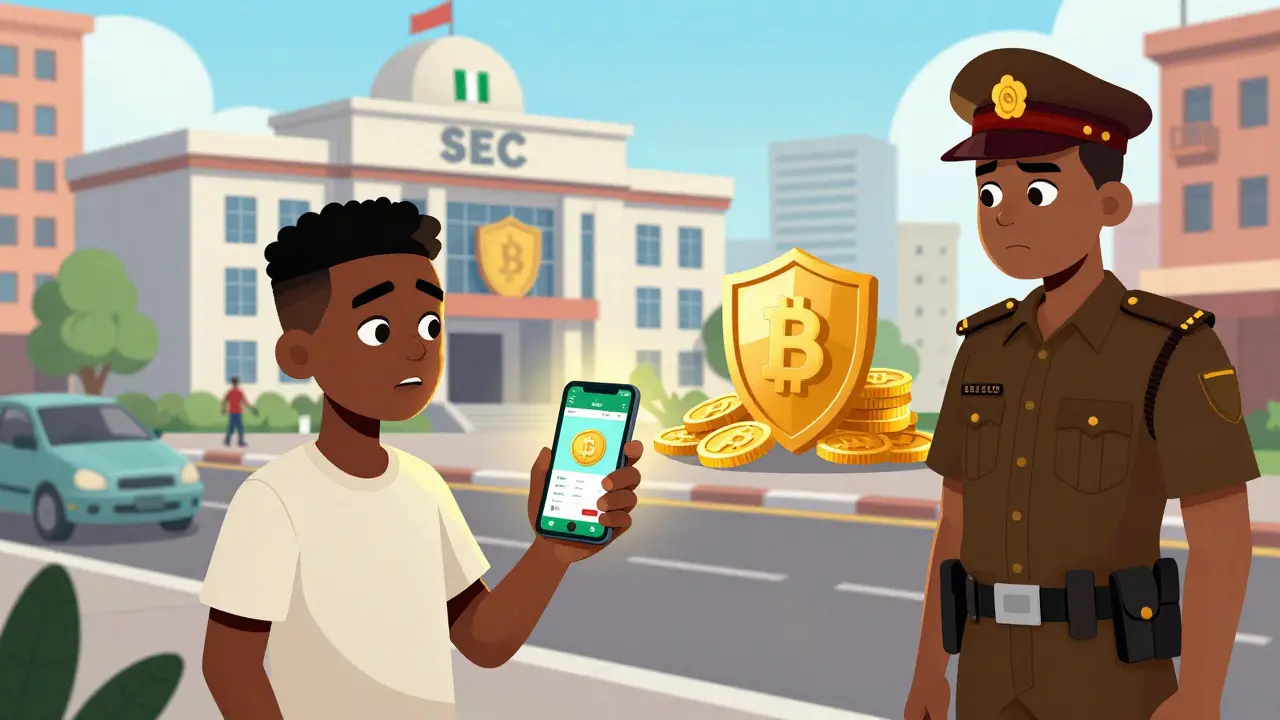
On paper, Nigeria is becoming the "fintech capital of Africa." In practice, things are messier. Many traders still report harassment from law enforcement. It's a strange contradiction: the President signs a law recognizing digital assets, but a police officer on the street might still demand a "fine" just because you have a crypto app on your phone. This is largely due to a lag in communication between the high-level regulatory bodies like the Economic and Financial Crimes Commission (EFCC) and the officers patrolling the streets.
Banking issues also persist. While the CBN says banks *can* work with licensed VASPs, some individual bank branches still play it safe and flag transactions that look like crypto movements. To avoid this, many Nigerians still prefer P2P markets, despite the risks of scams, because it bypasses the traditional banking bottlenecks.
How to Navigate Restrictions as a User
If you're moving money in or out of the crypto ecosystem in Nigeria, you need a strategy to protect yourself. You can't just click "deposit" and hope for the best. Here are a few rules of thumb for staying safe in the current climate:
- Check the License: Before depositing large sums, verify if the platform is listed as an approved VASP by the SEC Nigeria.
- Separate Your Accounts: Use a dedicated bank account for your crypto-related transfers. If that account gets flagged for a "compliance review," your primary savings and bill-pay account remain untouched.
- Document Everything: Keep screenshots of your trades and KYC (Know Your Customer) approvals. If the EFCC or local police question your funds, having a clear paper trail of where the money came from is your best defense.
- Beware of "Tax Agents": With new taxation frameworks being developed for 2026, you might see people claiming to be crypto tax consultants. Be wary; always check for official SEC or Federal Inland Revenue Service (FIRS) guidelines.
What's Next for Nigerian Traders?
The focus is now shifting toward taxation. The SEC has confirmed that they are working on rules to tax eligible cryptocurrency transactions. While the government sees this as a way to generate revenue from a market that expanded by an estimated $400 million by late 2025, traders are worried it might drive people back into the shadows of unregulated P2P markets.
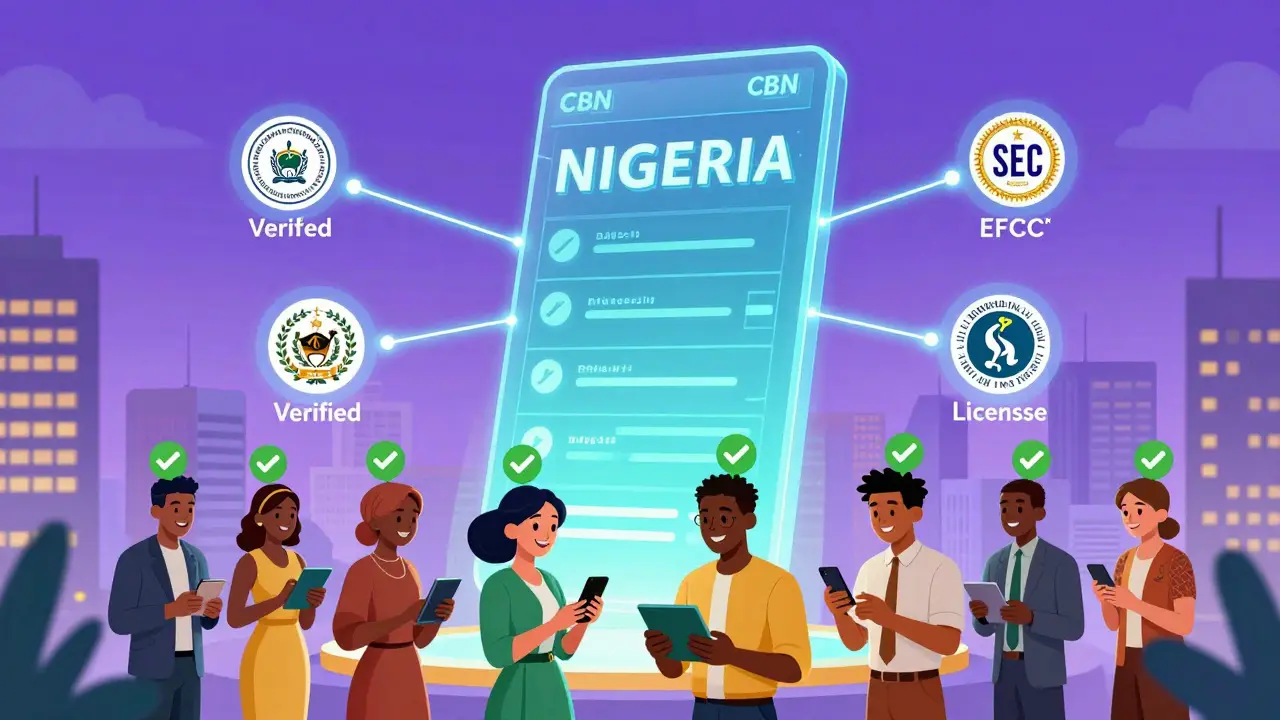
The long-term goal is a unified oversight system. Imagine a world where the CBN, SEC, EFCC, and NFIU all share a single digital ledger of licensed activity. That would eliminate the "police harassment" problem because any officer could instantly verify that a user is operating through a licensed VASP. We aren't there yet, but the ISA 2025 is the first real brick in that wall.
Is it illegal to own cryptocurrency in Nigeria in 2026?
No, it is not illegal to own or trade cryptocurrency. The ISA 2025 officially recognizes digital assets as securities. The restrictions apply primarily to the service providers (exchanges), who must be licensed as VASPs to operate legally.
Can my bank still freeze my account for crypto trading?
Technically, the CBN ban was lifted in December 2023. However, banks still have the right to flag "suspicious activity" under AML (Anti-Money Laundering) rules. To minimize this, use platforms that are SEC-registered and maintain clear records of your transactions.
What is the ISA 2025?
The Investments and Securities Act (ISA 2025) is the landmark legislation signed by President Tinubu that classifies cryptocurrencies as securities, providing a legal framework for their regulation, trading, and oversight by the SEC.
Which crypto exchanges are legal in Nigeria?
Exchanges that have successfully registered as Virtual Asset Service Providers (VASPs) with the SEC are legal. Platforms like Quidax and Busha were among the early approved entities, but you should always check the latest SEC registry for current status.
Do I have to pay tax on my crypto gains?
The Nigerian government is currently developing a taxation framework for digital assets. While specific rates may not be fully implemented for all users yet, the SEC has indicated that eligible transactions will be subject to tax in the near future.
Next Steps for Different Users
For the Casual Holder: If you just have some Bitcoin or Ethereum sitting in a wallet, you don't need to do much. Just ensure that when you eventually sell, you use a licensed exchange to avoid banking headaches.
For the Active Day Trader: Start diversifying your exit ramps. Don't rely on a single bank. Establish a relationship with a bank known for being "fintech-friendly" and keep your trading logs updated daily.
For Business Owners/VASPs: Prioritize your SEC registration. The window for "grandfathering" into the new system is closing, and the NFIU is becoming stricter with AML/CFT compliance audits. If you aren't licensed, you are a liability to your users.


19 Comments
Still a joke lol. 🙄 The police will still take your money even if you have the SEC papers. Just don't trust the system in this country.
Omg please... as if any of this actually matters when the global markets are crashing. Like, imagine thinkin a local license saves you from a total liquidity collapse. It's honestly so cute that people still beleive in these little regs. 💅
This is exactly how they get you. First they 'recognize' it, then they track every single cent you move. It's a trap to bring everyone into a centralized database for the new world order. Why does every country suddenly want 'digital ledgers' at the same time? Suspicious as hell.
Super spicy updates! 🌶️ Keeping a separate bank account is a total pro move to keep your funds safe and sound!
It's really encouraging to see a move toward legitimacy, although the transition phase can be quite bumpy for everyone involved. I think if we just stay patient and support each other through the learning curve, the Nigerian community will eventually find a great balance between security and freedom.
@Terrance you sound like a tourist. You don't know how it works here. 🤣
Taxes!!! 😡 Just another way for them to bleed the people dry while the elites hoard the real wealth!!! This is a total SCAM to control the currency!!! Wake up people!!!!
USA is the only place that does it right. 🇺🇸 Nigeria just wants our tech. Lame. 👎
Oh, a 'unified oversight system' with a 'single digital ledger'. How absolutely quaint. I'm sure that'll be just peachy for privacy, right? Total panopticon vibes but hey, at least the police won't shake you down for a bribe while they're monitoring your every trade from a server in Abuja. Pure genius.
Totally agree that documentation is the way to go! Let's all stay safe out there! 🚀💪
I think using a dedicated account for these transactions is a very smart way to manage risk. It provides a clear boundary between your daily living expenses and your investments.
man i hope the P2P stuff gets safer soon cuz the scams are getting wild out there. really hope the new laws actually help the small guys.
It is so important to remember that we are all learning this together, and while the regulations seem overwhelming, they are actually building a foundation that will protect the next generation of traders from the volatility and scams that plagued the early days of the market, so please keep documenting your trades as suggested because that is your only real shield in a fluctuating legal environment.
just keep it simple and use the ones that are licenced. its easier in the long run.
nice guide. helps a lot for those of us just watching from the outside. hope things go smooth.
The part about the lag between the EFCC and the street police is really interesting. It shows how the law on paper takes forever to reach the actual enforcement level.
It sounds like a really stressful situation for the people on the ground. Hope everyone stays safe. :)
When we analyze the shift from a blanket ban to a licensed framework, we are essentially seeing the state's attempt to colonize a decentralized space, which is a fascinating sociological study in how power structures adapt to technology they cannot destroy. By classifying these assets as securities, the government isn't just regulating trade, but is fundamentally changing the nature of the asset from a tool of liberation to a taxable financial instrument, which creates a paradox where the 'legitimacy' of the trade actually erodes the original philosophical premise of cryptocurrency as a hedge against state interference, yet we must acknowledge that for the average citizen, this legal umbrella provides a necessary, albeit flawed, layer of protection against the arbitrary whims of local law enforcement who might otherwise see a digital wallet as a cause for immediate suspicion.
Great breakdown! The tips on diversifying exit ramps are gold. 🌟 Keep grinding everyone!