
- 17 Sep 2026
- Elara Crowthorne
- 0
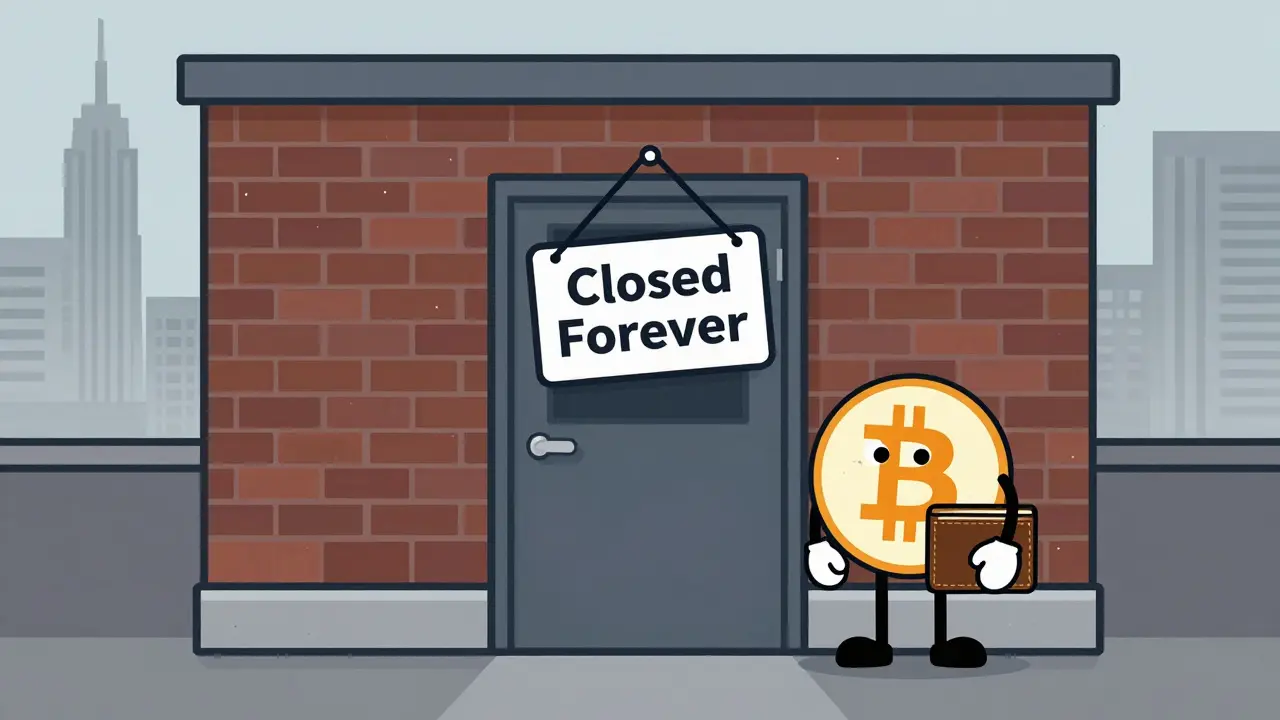
You are scrolling through your portfolio, eyeing a new opportunity called Loop Finance. It sounds promising, maybe even revolutionary. But before you connect your wallet or wire funds, you need to ask the hard questions. Is this actually an exchange? Or is it just another token project wearing an exchange’s clothes?
The crypto world is littered with projects that promise the moon but deliver dust. When you look at Loop Finance, things get murky fast. Most data points to it being a token ecosystem rather than a full-blown centralized exchange like Binance or Coinbase. This distinction matters. Your money behaves differently on a decentralized finance (DeFi) protocol than it does on a regulated exchange. Let’s cut through the noise and figure out what Loop Finance really offers you.
What Exactly Is Loop Finance?
First, let’s clear up the confusion. There are several projects with "Loop" in their name. You have Loopring, which is a well-known Layer 2 scaling solution for Ethereum. Then there is Loop Network, focused on bandwidth sharing. And then there is LOOP Finance, the one we are reviewing today.
Loop Finance is primarily known as a DeFi token project rather than a traditional crypto exchange platform. While some marketing materials might hint at trading features, the bulk of its activity revolves around its native token, LOOP. If you are looking for a place to buy Bitcoin with a credit card and withdraw it to cold storage, this probably isn’t it. Instead, think of it as a speculative asset within the broader DeFi landscape.
Why does this matter? Because if you treat it like an exchange, you might expect customer support tickets to be resolved in hours. In reality, you are dealing with smart contracts and community governance. The risks are different. The rewards are different. Knowing what you are buying prevents nasty surprises later.
Tokenomics and Price Potential
Let’s talk numbers. Everyone wants to know if they can make money. According to recent analysis from sources like CoinDataFlow, the LOOP token has shown volatile potential. Forecasts suggest it could gain anywhere from 79% to over 115% by late 2025, though these predictions are always shaky.
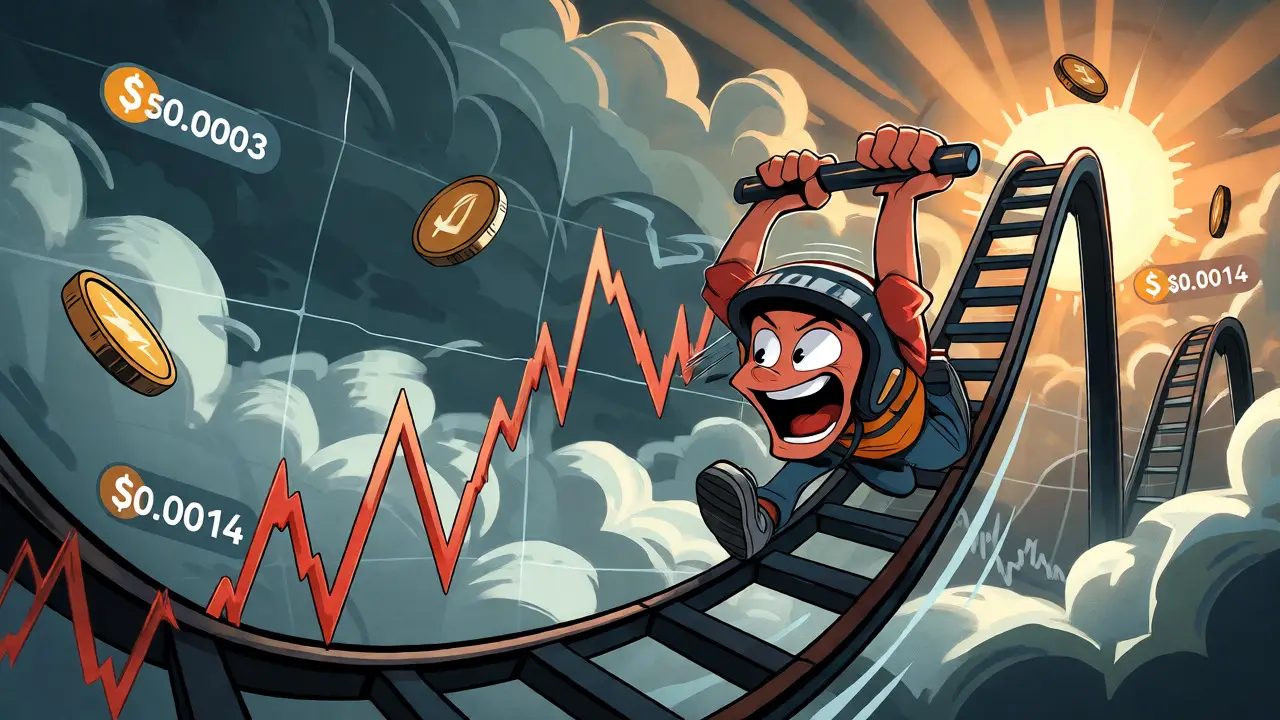
For 2026, the outlook is mixed. Projections show a price range between $0.000315 on the low end and $0.001398 on the high end. That is a massive spread. It tells you one thing: volatility is the only certainty here. If you invest, you need to stomach seeing your portfolio drop 50% in a week without panicking.
| Year | Low Estimate ($) | Average Estimate ($) | High Estimate ($) |
|---|---|---|---|
| 2026 | 0.000315 | 0.000857 | 0.001398 |
| 2027 | 0.000337 | 0.000579 | 0.000821 |
| 2031 | 0.000806 | 0.001303 | 0.001799 |
Notice the dip in average estimates for 2027 compared to 2026? Analysts disagree on the trajectory. Some see steady growth; others predict a correction. Do not put your rent money into this expecting linear returns.
Exchange Features vs. Reality
If you click on the website expecting a dashboard filled with candlestick charts, order books, and leverage options, you might be disappointed. Many users confuse Loop Finance with established exchanges because of the name. Here is the reality check:
- Liquidity: Unlike major exchanges, liquidity pools for LOOP tokens can be thin. Large sell orders might crash the price temporarily.
- User Interface: The interface is often basic. It lacks the advanced tools pro traders rely on, such as depth charts or automated stop-losses built into the platform itself.
- Asset Variety: You will likely find fewer trading pairs compared to giants like Kraken or Gemini. Focus is usually on ETH-based pairs.
This doesn’t mean it’s useless. For small trades or swapping ETH for LOOP, it works fine. But for serious day trading? You might want to stick to platforms with deeper order books.
Security and Trust Concerns
Security is non-negotiable in crypto. With Loop Finance, you face two types of risk: platform risk and token risk. Since it operates more like a DeFi protocol, your assets are often held in smart contracts. If there is a bug in the code, hackers can drain the pool. There is no insurance fund like you might find on a centralized exchange.
Also, keep an eye on regulatory status. As of 2026, many smaller DeFi projects still operate in gray areas regarding compliance. They don’t typically require KYC (Know Your Customer) checks, which is great for privacy but bad if regulators decide to crack down. Always verify if the platform has undergone audits by reputable firms like CertiK or Hacken. Without a public audit report, treat the security level as "experimental."
How It Compares to Established Exchanges
To help you decide, let’s stack Loop Finance against the big players. This comparison highlights where each fits in your portfolio strategy.
| Feature | Loop Finance | Binance/Kraken | CEX.IO |
|---|---|---|---|
| Type | DeFi Protocol/Token | Centralized Exchange (CEX) | Centralized Exchange (CEX) |
| KYC Required | No (usually) | Yes | Yes |
| Fiat On-Ramp | Limited/None | Extensive | Strong |
| Custody | Self-Custody (Wallet) | Platform Custody | Platform Custody |
| Best For | Speculative Token Trading | Active Trading & High Volume | Beginners & Fiat Conversion |
The takeaway? Use Loop Finance for specific token exposure. Use CEX.IO or Kraken for moving money in and out of the system safely.

Who Should Use Loop Finance?
You should consider Loop Finance if you fit one of these profiles:
- The DeFi Degen: You understand smart contract risks and want to farm yields or speculate on small-cap tokens.
- The Privacy Advocate: You prefer not to share ID documents with every platform you touch.
- The Long-Term Believer: You have done deep research on the team behind LOOP and believe in their roadmap despite current market skepticism.
If you are a beginner who just bought your first Bitcoin, skip this for now. Stick to user-friendly exchanges until you are comfortable managing private keys and understanding slippage.
Is Loop Finance a scam?
Not necessarily a scam, but it carries high risk. It appears to be a legitimate token project, but its lack of widespread recognition and detailed exchange functionality means it is less vetted than major platforms. Always do your own due diligence (DYOR) before investing.
Can I buy Bitcoin directly on Loop Finance?
Typically, no. Loop Finance focuses on its native LOOP token and potentially other altcoins via DeFi pools. To buy Bitcoin, you would likely use a major exchange like Coinbase or Binance first, then swap assets if necessary.
Does Loop Finance require KYC verification?
Most DeFi protocols, including those similar to Loop Finance, do not require KYC. You interact via a crypto wallet like MetaMask. However, if you use fiat on-ramps connected to the platform, third-party providers may request ID.
What is the difference between Loop Finance and Loopring?
They are completely different projects. Loopring (LRC) is a Layer 2 scaling solution for Ethereum with billions in volume. Loop Finance (LOOP) is a separate token project with much lower market capitalization and visibility. Do not confuse the tickers LRC and LOOP.
Is my money insured on Loop Finance?
No. Unlike bank deposits or some centralized exchanges with insurance funds, DeFi protocols generally do not offer insurance. If the smart contract fails or is hacked, you bear the loss.
Final Verdict: Proceed with Caution
Loop Finance isn’t the next Binance. It’s a niche player in the crowded DeFi space. If you are chasing high-risk, high-reward plays and understand the mechanics of decentralized wallets, it might deserve a small spot in your portfolio. Just don’t mistake it for a safe harbor for your savings.