- 2 May 2026
- Elara Crowthorne
- 0
If you are looking to use LiteBit.eu, a once-popular European cryptocurrency broker founded in 2013, there is a critical detail you need to know right away: the platform is no longer operational. For anyone searching for this specific service in 2026, the door is firmly closed. Understanding why this happened, and where your funds might have gone if you were an active user, is essential before you look for a new place to store or trade your digital assets.
This review isn't just about listing features of a defunct site. It is about understanding the lifecycle of early crypto brokers in Europe. We will look at how LiteBit worked, why it lost its edge against competitors like Bitvavo and Binance, and what you should look for instead. If you are trying to recover old accounts or simply curious about the history of Dutch crypto trading, this guide covers the facts without the fluff.
The Final Status of LiteBit.eu
Let's get the most important fact out of the way first. LiteBit announced its closure several years ago. The company, headquartered in Rotterdam, Netherlands, issued a press release confirming that they were shutting down operations. This was not a temporary maintenance issue or a server outage. It was a permanent cessation of business.
For current users in 2026, this means:
- You cannot create a new account on LiteBit.eu.
- You cannot deposit euros or other fiat currencies into the platform.
- You cannot execute new trades or buy cryptocurrencies through their interface.
If you had funds in LiteBit when they announced the shutdown, the company typically provided a window for withdrawals during the winding-down process. However, since that period has long passed, any remaining balances are likely unrecoverable through standard channels. Always check your email archives for any final communications from LiteBit regarding asset redistribution or legal notices. If you missed those deadlines, your options are extremely limited.
How LiteBit Worked: The Broker Model Explained
To understand why LiteBit struggled to survive, we need to look at how it operated. Unlike modern exchanges that act as marketplaces connecting buyers and sellers, LiteBit functioned as a cryptocurrency broker. Think of it more like a currency exchange booth at an airport than a stock exchange.
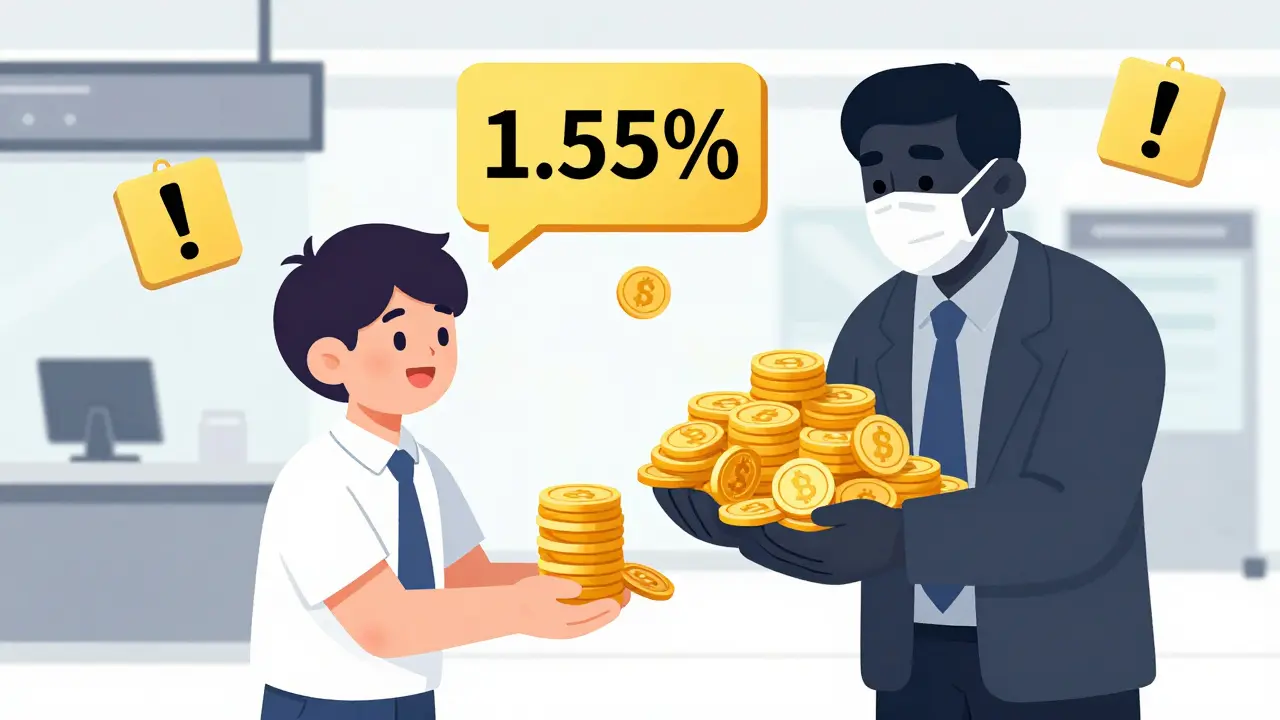
When you bought Bitcoin on LiteBit, you weren't buying it from another user. You were buying it directly from LiteBit. They purchased the coins on the open market and sold them to you at a markup. As of May 2020, this markup was approximately 1.55%. While this seemed reasonable at the time, it became a significant disadvantage as the market matured.
The LiteBit Credits (LBC) System
One of LiteBit’s unique features was the LiteBit Credits system. Here is how it solved a common problem for beginners:
- You initiated a purchase of Bitcoin using a bank transfer.
- Bank transfers in Europe can take 1-3 days to clear.
- Crypto prices move fast. By the time your money arrived, the price might have changed significantly.
- LiteBit allowed you to buy "Credits" first. These credits locked in the value.
- Once your bank transfer cleared, the credits converted to the actual cryptocurrency.
This protected users from price slippage during the waiting period. It was a clever solution for a specific pain point, but it added complexity for users who just wanted instant access to their assets.
Why LiteBit Lost Its Market Share
LiteBit started strong. Founded in 2013, it rode the wave of the 2017-2018 crypto boom, attracting around 800,000 registered clients. It was one of the largest crypto brokers in the EU, offering support for over 50 cryptocurrencies. But growth alone doesn't ensure survival. Several key factors led to its decline.
1. The Rise of Lower-Fee Competitors
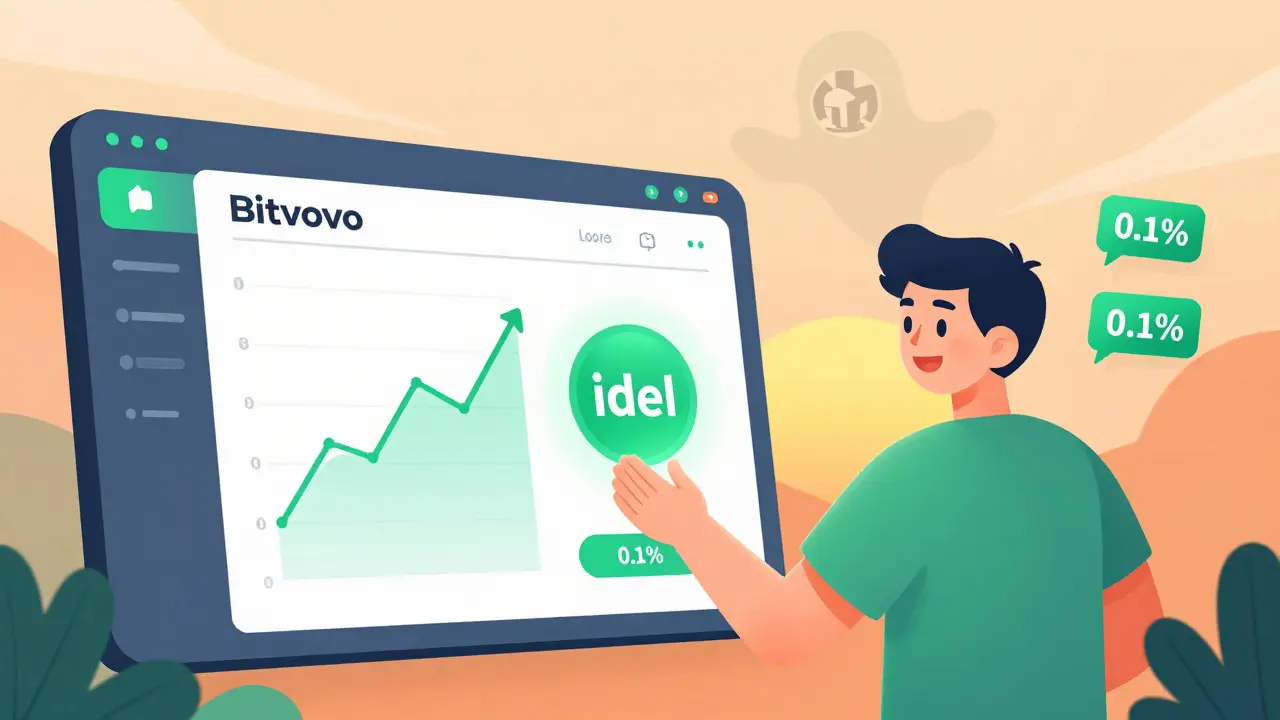
As the industry grew, platforms like Bitvavo and Kraken entered the European market with aggressive pricing strategies. They offered maker-taker fee structures where fees could be as low as 0.1% or even zero for certain activities. Compared to LiteBit's flat 1.55% markup, these options were mathematically superior for anyone trading more than occasionally.
2. Lack of Advanced Features
LiteBit positioned itself for beginners. This meant a simple interface, integrated wallets, and easy payment methods like iDeal and Bancontact. However, as users gained experience, they wanted more. They wanted limit orders, stop-losses, charting tools, and API access. LiteBit did not evolve to meet these demands. Users who started on LiteBit often migrated to full-featured exchanges once they understood the basics.
3. Slow Verification and Support Issues
User feedback from platforms like Trustpilot and BitCourier highlighted consistent complaints about slow identity verification processes. In the crypto world, speed matters. If a competitor verifies your account in minutes while LiteBit takes days, you switch. Additionally, reports of delayed transactions and poor resolution for German users eroded trust. A 3.3 rating on Trustpilot is average at best, and in the high-trust finance sector, average is often interpreted as risky.
Comparing LiteBit to Modern Alternatives
Since LiteBit is gone, you need a replacement. The best choice depends on your location and trading style. Below is a comparison of what LiteBit offered versus what leading European exchanges provide today.
| Feature | LiteBit (Defunct) | Bitvavo | Coinbase |
|---|---|---|---|
| Business Model | Broker (Markup) | Exchange (Fees) | Hybrid |
| Average Fee | ~1.55% | 0.08% - 0.4% | 0.5% - 1.5% |
| Payment Methods | iDeal, SEPA, Credit Card | iDeal, SEPA, Credit Card | SEPA, Credit Card, Apple Pay |
| Advanced Tools | None | Yes (Pro Mode) | Limited |
| Regulation | Netherlands (DNB) | Netherlands (DNB) | Multiple Jurisdictions |
| Status in 2026 | Closed | Active | Active |
Best Alternative for Former LiteBit Users: If you liked LiteBit for its simplicity and Dutch/European focus, Bitvavo is the direct successor in terms of user experience. It offers the same iDeal integration, similar ease of use, but with significantly lower fees and a robust set of advanced tools if you decide to upgrade your skills.
Security and User Protection During Closure
When a crypto platform shuts down, security becomes the primary concern for former users. LiteBit held licenses from the Dutch Central Bank (De Nederlandsche Bank), which required them to maintain certain standards for client fund protection. However, regulatory compliance does not guarantee insurance against bankruptcy or operational failure.
During its operation, LiteBit offered integrated wallet services with two-factor authentication (2FA) and biometric login options via their mobile app. This was convenient for beginners who didn't want to manage private keys separately. But convenience comes with risk. When the platform closed, users relied entirely on the company's ability to process withdrawals smoothly.
If you are still holding assets on a closed platform, here is the reality:
- No Legal Recourse: Unless the company filed for formal bankruptcy with a court-appointed administrator, individual users have little legal power to force repayment.
- Data Privacy: Even though the site is down, your personal data may still exist in their archived databases. Check their privacy policy archives to see how they handle data deletion post-closure.
- Tax Implications: If you had unrealized gains or losses on LiteBit before it closed, you may still need to report these events for tax purposes depending on your local laws. Consult a tax professional.
Lessons Learned: What to Look for in a New Exchange
The fall of LiteBit serves as a case study for choosing a reliable crypto partner. Don't just look for a pretty interface. Consider these criteria:
1. Transparency in Fees
Avoid brokers with hidden markups. Look for exchanges that clearly display maker/taker fees. A 1.55% markup sounds small until you trade €10,000-you just paid €155 for nothing. Modern exchanges charge fractions of that.
2. Regulatory Clarity
Ensure your exchange is licensed by a reputable authority. In Europe, look for registration with the DNB (Netherlands), BaFin (Germany), or ASIC (Australia). For global users, check for compliance with FATF (Financial Action Task Force) guidelines.
3. Proof of Reserves
Post-2022, many exchanges now publish monthly proof of reserves audits. This allows you to verify that the exchange actually holds the assets it claims to hold. LiteBit did not operate under this level of transparency.
4. Withdrawal Speed and Reliability
Read recent reviews specifically about withdrawal experiences. If users complain about delays lasting weeks, that is a red flag. Your money should be yours to move whenever you choose.
Frequently Asked Questions
Is LiteBit.eu still working in 2026?
No, LiteBit.eu is no longer operational. The company announced its closure several years ago and ceased all trading and customer services. You cannot register new accounts or make transactions on the platform.
What happened to my funds on LiteBit?
When LiteBit announced its closure, users were given a period to withdraw their funds. If you did not withdraw your assets during that window, they are likely unrecoverable. Check your email for any final notices from the company regarding asset distribution.
Why did LiteBit close down?
LiteBit struggled to compete with larger, more efficient exchanges like Bitvavo and Binance. Its broker model resulted in higher fees for users, and it failed to add advanced trading features that experienced users demanded. Increased competition and stagnant innovation led to its eventual shutdown.
What is the best alternative to LiteBit for European users?
For users in the Netherlands and broader EU, Bitvavo is the top recommendation. It offers low fees, supports iDeal and SEPA transfers, and provides both simple and advanced trading interfaces. Other strong options include Kraken and Coinbase for international accessibility.
Did LiteBit have good security?
During its operation, LiteBit offered two-factor authentication and biometric login options. However, as a centralized broker, users relied on the company's internal security practices. The lack of transparent proof-of-reserves audits, common in modern exchanges, made it less secure by today's standards.
Can I still use LiteBit Credits (LBC)?
No. LiteBit Credits were an internal mechanism used only within the LiteBit platform to hedge against price changes during bank transfers. With the platform closed, LBC has no value and cannot be redeemed or transferred.