
- 1 Oct 2026
- Elara Crowthorne
- 0
Most people searching for an "Oasis crypto exchange" are actually looking for the Oasis Network, a Layer 1 blockchain that functions more like a high-speed trading infrastructure than a traditional centralized broker. If you're expecting to sign up with an email and password to buy Bitcoin directly from Oasis, you'll be disappointed. Instead, Oasis offers a decentralized ecosystem where privacy meets scalability, primarily through its native token, ROSE. But is it worth your capital in 2026? Let's break down what this network actually does, how you trade on it, and whether its privacy features justify the hype.
What Exactly Is the Oasis Network?
Think of most blockchains as single-lane highways. If one car stops, everyone behind it waits. The Oasis Network is a privacy-first, proof-of-stake blockchain that solves this by separating consensus from computation. It uses a unique two-layer architecture: the Consensus Layer and the ParaTime Layer. The Consensus Layer handles security and agreement on the state of the network, while the ParaTime Layer runs multiple parallel environments (called ParaTimes) that process transactions independently. This means complex tasks on one layer don't slow down simple trades on another. It’s essentially a modular approach to blockchain design, allowing for higher throughput without sacrificing security.
This architecture isn't just technical jargon; it impacts your trading experience. Because execution is separated from consensus, the network can handle significantly more transactions per second than older chains like Ethereum 1.0 or even some newer competitors. For traders, this translates to lower congestion and faster finality. You aren't waiting ten minutes for a transaction to clear during peak hours. In fact, finality is often near-instantaneous, which is crucial if you're engaging in arbitrage or high-frequency DeFi strategies.
The ROSE Token: Utility and Economics
At the heart of this ecosystem sits the ROSE token. It’s not just a speculative asset; it has specific jobs within the network. First, it pays for gas fees. Second, it’s used for staking. Validators lock up ROSE tokens to secure the network, earning rewards in return. This Proof-of-Stake mechanism is energy-efficient compared to mining-heavy networks like Bitcoin. As of mid-2025, the total supply cap remains at 10 billion coins, providing a predictable inflationary model that investors appreciate.
Why should you care about the tokenomics? Because they drive liquidity. When users stake ROSE, they reduce circulating supply, potentially stabilizing price volatility. Conversely, when governance proposals pass-allowing changes to protocol rules-active participation keeps the community engaged. If you’re holding ROSE, you’re effectively voting on the future of the platform. Just remember, unstaking takes time. Unlike selling stocks, you can’t instantly liquidate your staked position. Plan your exit strategy accordingly.
Trading Infrastructure: YuzuSwap and Beyond
So, where do you actually trade? There is no central "Oasis Exchange" website run by a company called Oasis Labs. Instead, trading happens on decentralized exchanges (DEXs) built on top of the Oasis Network. The flagship DEX is YuzuSwap, which operates on the Emerald ParaTime. Emerald is Oasis’s EVM-compatible environment, meaning it supports smart contracts written for Ethereum. This compatibility is huge because it allows developers to port existing dApps easily.
YuzuSwap offers standard AMM (Automated Market Maker) features: swapping tokens, providing liquidity, and earning yield. You can swap ETH-based tokens (via bridges) with native Oasis assets. Liquidity providers earn YUZU tokens, the governance token of YuzuSwap, alongside trading fees. However, keep in mind that using a DEX requires a bit more technical know-how than a centralized exchange. You need to manage your own private keys, connect wallets like MetaMask or the Oasis Web Wallet, and understand slippage settings.
| Feature | Oasis Network (Decentralized) | Traditional Centralized Exchange (CEX) |
|---|---|---|
| Custody | Self-custody via wallet | Exchange holds funds |
| Privacy | High (confidential compute options) | Low (KYC required) |
| Transaction Speed | Fast (parallel processing) | Instant (off-chain matching) |
| Fees | Low gas + small swap fee | Higher trading fees + withdrawal costs |
| Accessibility | Requires crypto knowledge | Beginner-friendly |

Privacy Features: The Real Differentiator
Here’s where Oasis stands out from generic altcoins. Most blockchains are transparent ledgers. Anyone can see your balance and transaction history. Oasis introduces confidential computing through its Cipher ParaTime. This allows for encrypted smart contract execution. Imagine sending money on a blockchain where only the sender and receiver know the amount and addresses, but the network still verifies the transaction’s validity. That’s the promise of Oasis.
In practical terms, this matters for institutional adoption and sensitive use cases. Healthcare providers, for example, are testing Oasis for sharing patient data securely. Financial institutions might use it for undercollateralized loans where credit scores remain private. For the average trader, these privacy features might feel abstract unless you’re actively using dApps that leverage them. But as regulatory scrutiny increases globally, having a blockchain that respects user privacy becomes a significant long-term value proposition.
Getting Started: Wallets and Onboarding
If you decide to jump into the Oasis ecosystem, you’ll need a compatible wallet. The official Oasis Web Wallet is a non-custodial solution available as a Chrome extension. It integrates seamlessly with Ledger Nano devices for hardware wallet security. Alternatively, since Emerald is EVM-compatible, you can use MetaMask. Just ensure you add the correct RPC endpoints for the Oasis Emerald network.
- Step 1: Acquire ROSE tokens from a major CEX like Binance, Coinbase, or MEXC.
- Step 2: Withdraw ROSE to your personal wallet address (Oasis format starts with 'oas1...').
- Step 3: Bridge assets if needed. To interact with EVM dApps like YuzuSwap, you may need to bridge ROSE or other assets to the Emerald ParaTime using a cross-chain bridge.
- Step 4: Connect your wallet to YuzuSwap or other Oasis-native dApps.
- Step 5: Start swapping or providing liquidity. Always approve token allowances first.
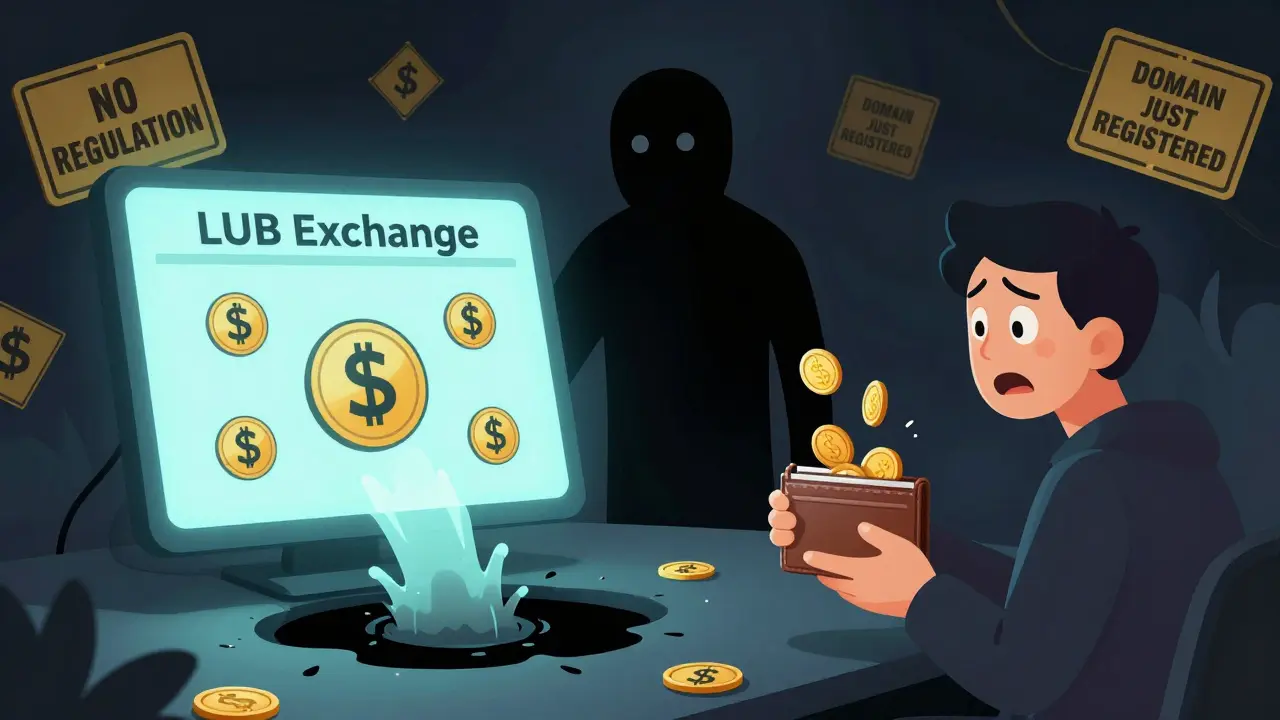
Don’t underestimate the learning curve here. Bridging assets across layers adds complexity. Mistakes happen. Test with small amounts first. Also, watch out for phishing sites. Since there’s no single "official" exchange login, scammers love creating fake interfaces that look like YuzuSwap or Oasis portals. Always verify URLs before connecting your wallet.

Risks and Limitations
No investment is risk-free. Oasis faces stiff competition from other Layer 1 solutions like Solana, Avalanche, and Polygon. While Oasis’s privacy tech is superior, its ecosystem size is smaller. Fewer dApps mean less utility for the token outside of speculation and staking. Liquidity on DEXs like YuzuSwap can also be thinner compared to giants like Uniswap. Large trades might suffer from higher slippage.
Additionally, regulatory uncertainty looms over all privacy-centric projects. Governments worldwide are debating how to classify confidential transactions. If regulators deem certain privacy features too opaque for anti-money laundering compliance, Oasis could face headwinds. Keep an eye on global policy shifts, especially in jurisdictions like the EU and US, which heavily influence crypto markets.
Final Verdict: Who Should Use Oasis?
Oasis Network isn’t for everyone. If you want a simple app to buy Bitcoin with a credit card, stick to Coinbase or Kraken. But if you’re interested in the intersection of privacy, scalability, and decentralized finance, Oasis offers a compelling technical foundation. Its architecture solves real problems regarding network congestion and data confidentiality. The ROSE token provides tangible utility through staking and governance.
For active traders, the low fees and fast finality on the Emerald ParaTime make it attractive for DeFi farming and swaps. For long-term holders, the potential growth in enterprise adoption-particularly in healthcare and finance-could drive demand. Just remember to diversify. Don’t put all your eggs in one basket. Treat Oasis as part of a broader portfolio, balanced against more established assets.
Is Oasis Network a centralized exchange?
No, Oasis Network is a decentralized Layer 1 blockchain. Trading occurs on decentralized exchanges (DEXs) like YuzuSwap built on top of the Oasis ecosystem, rather than a single centralized platform.
How do I buy ROSE tokens?
You can purchase ROSE tokens on major centralized exchanges such as Binance, Coinbase, Kraken, and MEXC. After buying, you can withdraw them to your personal Oasis wallet for self-custody.
Can I stake ROSE tokens?
Yes, staking is a core feature. You can delegate your ROSE tokens to validators through the Oasis Web Wallet or supported hardware wallets like Ledger to earn passive income from network rewards.
What makes Oasis different from Ethereum?
Oasis separates consensus from execution using its ParaTime layer, allowing for parallel processing and higher scalability. It also offers native privacy features via confidential computing, which Ethereum lacks natively.
Is Oasis good for beginners?
It has a moderate learning curve. Beginners may find the bridging process and wallet management challenging compared to using a simple centralized exchange interface. However, tools like the Oasis Web Wallet help simplify access.