- 27 Sep 2026
- Elara Crowthorne
- 0
You have a pile of Bitcoin or Ethereum sitting in your wallet, and you want to swap it for something else. Maybe you are eyeing a specific altcoin that isn't on the big US exchanges. You stumble across SecondBTC. It sounds like a niche player, right? But before you transfer your digital assets, you need to know if this platform is still alive, secure, and actually useful.
Here is the short version: SecondBTC is an Indian-based crypto-to-crypto exchange launched back in 2018. It does not handle fiat money (dollars, rupees, etc.). You can only trade one coin for another. If you are looking for a place to buy your first Bitcoin with a credit card, look elsewhere. This review breaks down whether this low-volume platform deserves a spot in your trading rotation today.
The Core Proposition: What Actually Is SecondBTC?
SecondBTC operates as a centralized exchange, meaning they hold custody of your funds. Unlike decentralized exchanges where you keep your keys, here you trust their infrastructure. The platform positions itself strictly as a crypto-to-crypto trading venue that excludes fiat currency deposits. This design choice creates a high barrier to entry for beginners but simplifies things for experienced holders who already own digital assets.
Launched on June 15, 2018, during the tail end of the initial crypto boom, SecondBTC aimed to serve the Indian market and global traders seeking specific pairs not available elsewhere. However, its growth has been stagnant compared to giants like Binance or Coinbase. As of recent data, the platform lists around 34 cryptocurrencies. That is a tiny fraction of what major exchanges offer. You will find heavy hitters like Ethereum (ETH), Ripple (XRP), and Tether (USDT), but don't expect to find every new meme coin or DeFi token here.
| Feature | Details |
|---|---|
| Launch Date | June 15, 2018 |
| Headquarters | India |
| Fiat Support | No (Crypto-to-Crypto only) |
| Cryptocurrencies Listed | ~34 Assets |
| Trading Fee | 0.20% (Maker/Taker) |
| Regulation | Unregulated / Self-regulated |
Who Should Use SecondBTC?
This is the million-dollar question. Because SecondBTC lacks fiat integration, it is not an "on-ramp." You cannot deposit USD or INR directly. You must already hold crypto. This limits the audience significantly. Think of SecondBTC as a secondary tool, not a primary bank account.
Ideal User Profile:
- Existing Crypto Holders: You already bought Bitcoin on Coinbase or Kraken and now want to swap it for a smaller-cap altcoin listed on SecondBTC.
- Arbitrage Traders: If price discrepancies exist between SecondBTC and larger exchanges, quick movers might find value here, though liquidity risks remain high.
- Privacy Seekers: While KYC requirements vary, smaller exchanges sometimes offer less intrusive verification processes than the heavily regulated US giants. However, always check current compliance rules.
Poor Fit For:
- Beginners: If you need to convert cash to crypto, you need two accounts: one for buying, one for trading. That adds complexity and withdrawal fees.
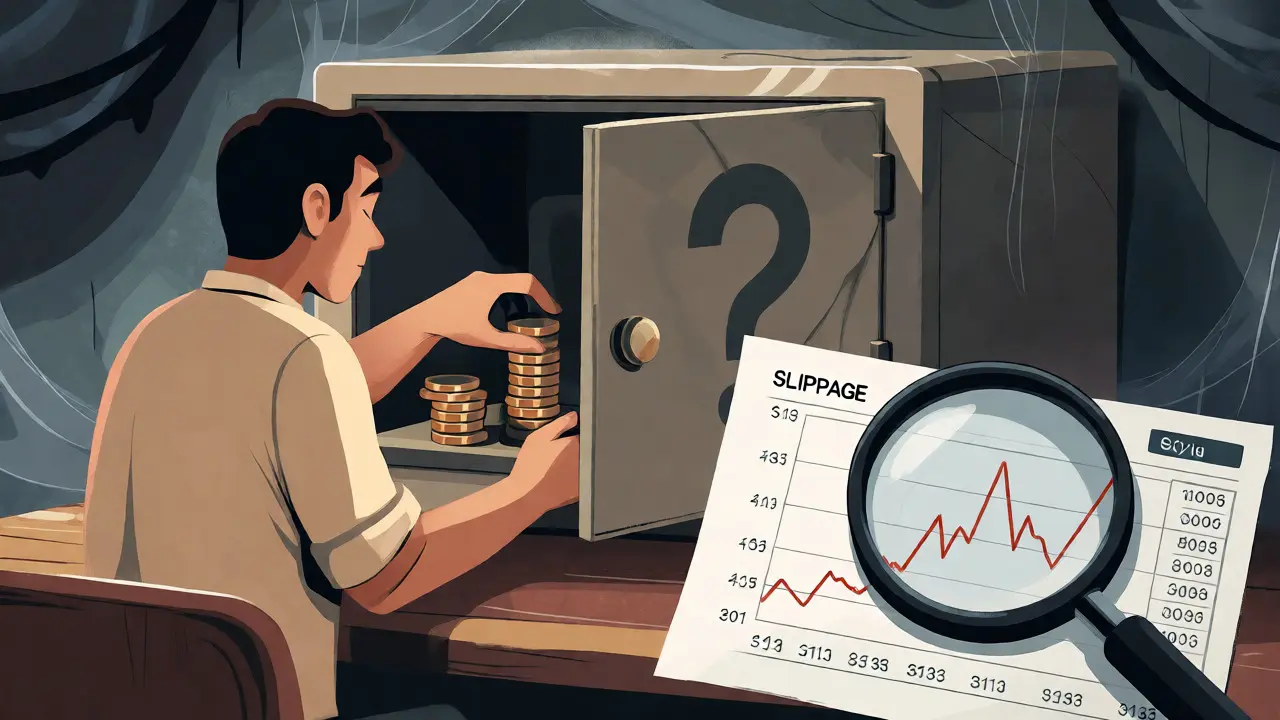
- High-Volume Traders: With modest daily volumes (historically hovering around $1M), large orders can suffer from slippage. You might move the market just by trying to sell.
Fees and Costs: Are They Competitive?
SecondBTC charges a flat fee of 0.20% for both makers and takers. On paper, this looks decent. Many major exchanges charge 0.10% or less for high-volume users, but 0.20% is reasonable for a mid-tier platform. There are no hidden spread markups mentioned prominently, which is a plus.
However, costs go beyond trading fees. Since you likely need to withdraw coins to another exchange or wallet, network fees apply. These depend on the blockchain congestion, not SecondBTC itself. Also, because the platform is small, ensure there are no unexpected maintenance fees or dormant account charges. Transparency regarding the full fee structure has been criticized in past reviews, so read the fine print carefully before depositing significant sums.

Liquidity and Volume Concerns
Liquidity is the lifeblood of any exchange. If everyone wants to sell and nobody wants to buy, you are stuck holding the bag. SecondBTC's trading volume tells a concerning story. Historical data shows 24-hour volumes ranging from $600k to $1.1M in recent years. Compare this to Binance, which handles billions daily.
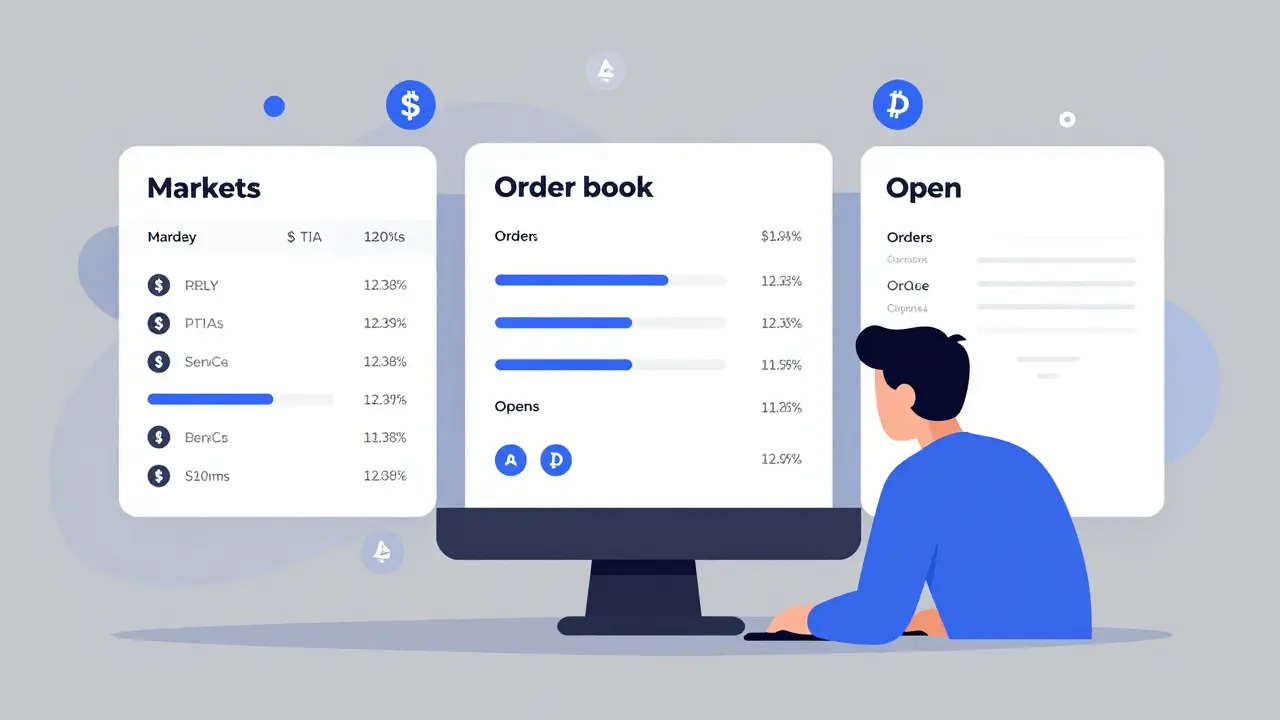
Low volume means wide bid-ask spreads. If you try to sell 10 ETH, you might have to accept a lower price because there aren't enough buyers at the current rate. Always check the order book depth before placing a market order. Limit orders are safer here to control your exit price.
Security and Regulation: The Elephant in the Room
SecondBTC operates without oversight from a major financial regulator like the SEC (USA) or FCA (UK). It is based in India, where crypto regulations have fluctuated wildly. This lack of regulation cuts both ways. You avoid strict banking hurdles, but you also lose consumer protections. If the exchange goes bankrupt or gets hacked, insurance coverage is unlikely.
User feedback highlights mixed experiences. Some praise the fast withdrawal speeds and simple interface. Others complain about limited customer support channels. A critical red flag appeared in earlier audits showing a zero-star rating on some independent verification sites due to lack of user reviews. This doesn't necessarily mean fraud, but it signals low adoption. In crypto, community trust is everything. A silent platform can be a risky one.
Security Tips for SecondBTC Users:
- Enable 2FA: Never trade without Two-Factor Authentication using an authenticator app, not SMS.
- Withdraw Profits: Do not keep large balances on the exchange. Move long-term holdings to a hardware wallet like Ledger or Trezor.
- Test Withdrawals: Send a small amount first to verify the address format works correctly.
User Experience and Interface
The interface is functional but basic. It displays standard elements: order books, price charts, and buy/sell boxes. It lacks the advanced charting tools, API integrations, or mobile app sophistication found on top-tier platforms. For casual swappers, it works. For technical analysts relying on RSI indicators or Fibonacci retracements, you will likely miss these features.
Registration requires standard KYC steps: name, email, password, and identity documents. The process is straightforward. Once logged in, navigating the dashboard is intuitive. Deposits and withdrawals are processed quickly, according to user testimonials, which is a strong point for a small exchange.
SecondBTC vs. The Competition
How does it stack up against alternatives? Let's compare it to two common choices: a major global exchange (like Binance) and a user-friendly Western exchange (like Coinbase).
| Criteria | SecondBTC | Binance | Coinbase |
|---|---|---|---|
| Fiat Deposit | No | Yes (varies by region) | Yes (USD/EUR/GBP) |
| Asset Selection | Low (~34) | Huge (350+) | Moderate (200+) |
| Trading Fees | 0.20% | 0.10% (lower with BNB) | Higher (spread + fee) |
| Liquidity | Low | Very High | High |
| Regulatory Status | Unregulated | Complex/Global Licenses | Heavily Regulated (US) |
If you need fiat access and safety, Coinbase wins. If you want variety and deep liquidity, Binance wins. SecondBTC only wins if it lists a specific pair you cannot find elsewhere, and you are comfortable managing the extra step of transferring crypto in and out.
Final Verdict: Is SecondBTC Still Relevant?
In 2026, the crypto landscape is crowded. SecondBTC feels like a relic of the 2018 era. Its lack of fiat support, low volume, and minimal asset list make it a hard sell for most people. It serves a very narrow niche: existing crypto holders looking for obscure altcoins not listed on major platforms.
Should you use it? Only if you have done your homework. Check the current order book depth for the specific coin you want to trade. Ensure the withdrawal address formats match your wallet. And never deposit more than you can afford to lose while waiting for support responses. For 95% of traders, sticking to established, regulated exchanges with higher liquidity is the smarter, safer bet.
Can I buy Bitcoin with a credit card on SecondBTC?
No. SecondBTC is a crypto-to-crypto exchange only. You must already own cryptocurrency to trade on the platform. To buy Bitcoin with a credit card, you need to use a different exchange that supports fiat deposits, such as Coinbase or Kraken, and then transfer your coins to SecondBTC.
Is SecondBTC safe to use?
Safety is relative. SecondBTC uses standard security measures like 2FA and cold storage for reserves. However, it is unregulated by major financial authorities. This means there is no government-backed insurance if the exchange fails. Users should treat it with caution and not store large amounts of capital on the platform.
What are the trading fees on SecondBTC?
SecondBTC charges a flat trading fee of 0.20% for both maker and taker orders. This is competitive with many mid-tier exchanges. Be aware that network fees for deposits and withdrawals are separate and depend on the blockchain being used.
Does SecondBTC require KYC verification?
Yes, generally speaking. New users typically need to provide personal information and may need to upload identification documents to comply with anti-money laundering standards. Requirements can change based on regulatory updates in India and globally, so check the latest terms upon registration.
Why is SecondBTC's trading volume so low?
The low volume stems from its limited asset selection (only ~34 coins) and lack of fiat on-ramps. Most traders prefer exchanges with deeper liquidity and more options. Consequently, SecondBTC remains a niche platform for specific altcoin trades rather than a general-purpose marketplace.