- 22 Apr 2026
- Elara Crowthorne
- 21
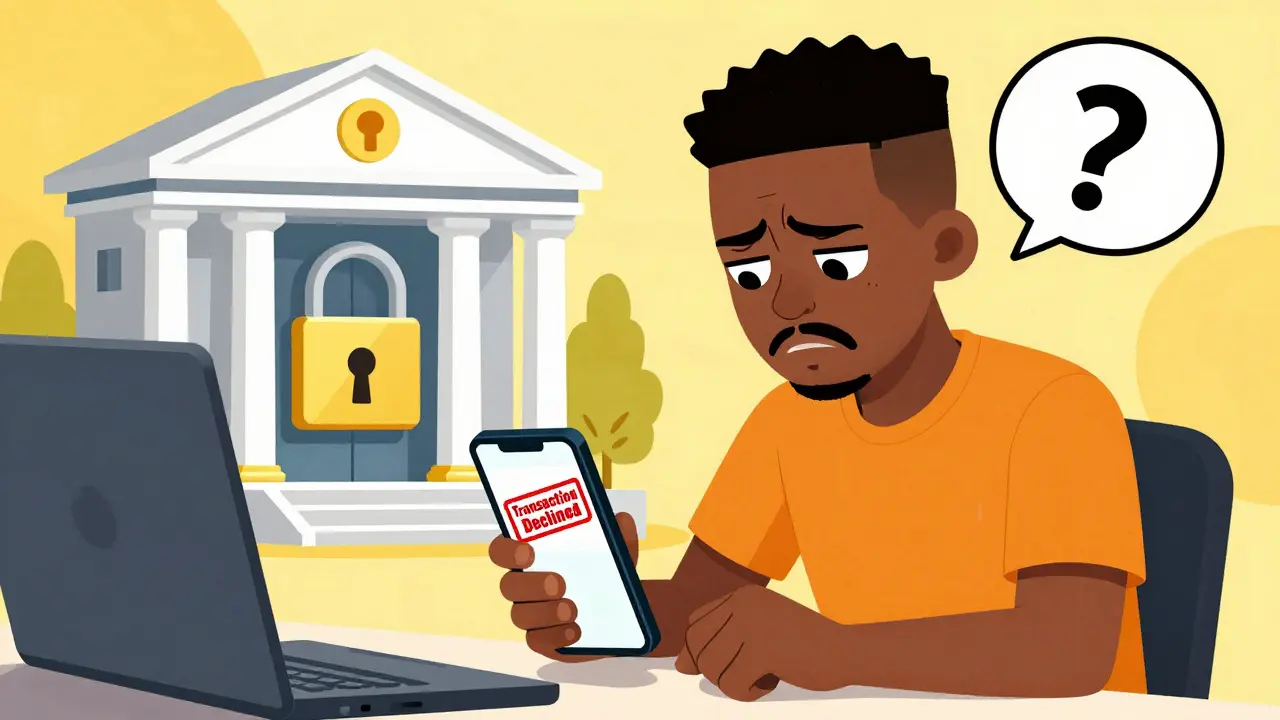
Ever tried to buy Bitcoin with your bank app only to have the transaction declined instantly? If you're in Nigeria, you've probably hit that wall. Ever since the Central Bank of Nigeria (CBN) the primary monetary authority in Nigeria restricted banks from facilitating crypto trades back in 2021, the process hasn't been as simple as clicking a button. But here is the truth: owning crypto is still legal. The banks just can't be the middleman. This means you have to use a few clever workarounds to get your Nigerian Naira (NGN) the official currency of Nigeria into digital assets.
Quick Summary: Your Best Paths to Crypto
- P2P Trading: The most common way. You pay a seller via bank transfer; they release the crypto.
- Direct NGN On-ramps: Platforms like Blockchain.com now allow direct Naira deposits.
- Crypto Brokers: Simple interfaces for beginners to swap fiat for coins.
- OTC Platforms: Specialized tools for high-volume selling or swapping.
Understanding the Nigerian Crypto Landscape
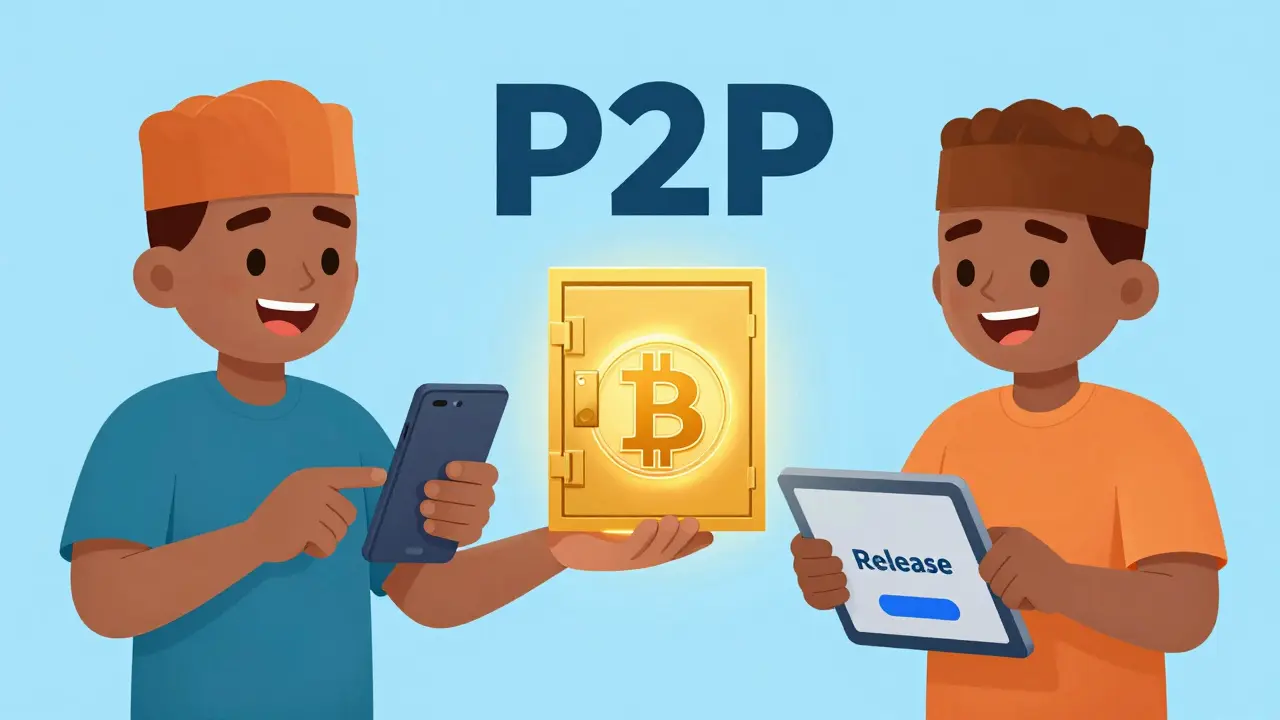
To buy crypto for fiat in Nigeria, you first need to understand why it feels so complicated. The CBN didn't ban the coins; they banned the bridge. Because traditional banks are wary of getting in trouble, they often flag keywords like "Bitcoin" or "Crypto" in transfer descriptions. This is why the market has shifted toward Peer-to-Peer (P2P) a decentralized trading method where two individuals trade directly without a central intermediary trading.
In a P2P setup, the platform acts as a referee rather than a bank. They use an escrow system-basically a digital locker-that holds the seller's crypto until you prove you've sent the Naira. This removes the need for the bank to "approve" a crypto purchase, as to them, it just looks like a regular transfer between two people.
Method 1: Peer-to-Peer (P2P) Exchanges
This is currently the most reliable way to enter the market. Platforms like Bybit and Binance are heavy hitters here. You don't pay the platform; you pay another Nigerian user.
Here is how the P2P process actually works in the real world:
- Find a Seller: Go to the P2P marketplace and filter by "NGN." You'll see a list of sellers with different rates. Don't always pick the cheapest; look for those with a 95% or higher completion rate.
- Open a Trade: Specify how much Naira you want to spend. The platform will lock the seller's crypto in escrow.
- Make the Transfer: The seller provides their bank details. Transfer the exact amount using your mobile banking app. Pro Tip: Never put "Crypto" or "Bitcoin" in the transfer narration. Use something neutral like "Payment for goods" or just your name.
- Confirm Payment: Click the "Transferred, Notify Seller" button. The seller checks their app, sees the money, and releases the crypto to your wallet.
Method 2: Direct Naira On-Ramps
If P2P feels too risky or manual, direct on-ramps are the next best thing. A major shift happened on March 6, 2025, when Blockchain.com officially integrated NGN support. This allows you to bypass the P2P haggling and buy assets like Bitcoin or Ethereum directly.
This method is much faster. You sign up, complete your identity verification (KYC), and deposit Naira. The platform handles the conversion instantly. It's the closest experience to a traditional brokerage and is ideal for people who want a clean, corporate interface without worrying about individual sellers.
Method 3: Crypto Brokers and Specialized Tools
For those who want a middle ground, brokers like Changelly offer a streamlined way to buy. They often work with verified third-party providers to facilitate the trade. You can use Visa or Mastercard, though these are more likely to be blocked by Nigerian banks compared to bank transfers.
If you are already holding crypto and need to get your money back into Naira quickly, Breet is a popular choice. Breet is an Over-the-Counter (OTC) platform. Unlike an exchange where you wait for a buyer, Breet acts as the buyer. You send them your crypto, and they send Naira to your bank account automatically. It's a one-way street (selling only), but it's incredibly efficient for those exiting their positions.
| Method | Ease of Use | Risk Level | Speed | Best For |
|---|---|---|---|---|
| P2P Trading | Medium | Moderate | Fast | Privacy & Competitive Rates |
| Direct NGN (Blockchain.com) | High | Low | Instant | Beginners & Large Amounts |
| Brokers (Changelly) | High | Low | Medium | Card Payments |
| OTC (Breet) | Very High | Low | Instant | Selling Crypto to Naira |
Essential Security and Compliance Tips
Buying crypto in a restricted environment means you have to be a bit more careful than someone in the US or UK. First, KYC (Know Your Customer) is non-negotiable. Whether you use a broker or a P2P platform, you will need a government-issued ID and often a proof of address. If you're a foreign national living in Nigeria, be prepared for extra verification steps.
Second, diversify your platforms. Don't keep all your eggs in one basket. Because regulatory winds in Nigeria change quickly, one platform might suddenly stop supporting NGN while another opens up. Having accounts on both a P2P exchange and a direct on-ramp ensures you aren't locked out of your funds.
Finally, beware of "Telegram gurus." If someone messages you offering a "special rate" outside of a protected escrow platform, it is almost certainly a scam. Always keep the transaction within the platform's ecosystem so you have a record of the trade.
Is it legal to own Bitcoin in Nigeria?
Yes, it is legal to own and trade cryptocurrency in Nigeria. The 2021 CBN restriction applies to financial institutions (banks) providing services to crypto exchanges, not to individuals owning the assets.
Why does my bank keep blocking my crypto transfers?
Banks use automated filters to flag transactions related to cryptocurrency to comply with CBN guidelines. To avoid this, avoid using words like "Crypto," "BTC," or "Binance" in your transfer descriptions. Use generic terms or just the recipient's name.
What is the safest way for a beginner to start?
For absolute beginners, a direct on-ramp like Blockchain.com is the easiest because it removes the need to deal with individual sellers. If you want better rates, P2P on a reputable platform like Bybit is the gold standard, provided you stick to sellers with high reputation scores.
Do I need to pay taxes on my crypto in Nigeria?
Tax regulations for digital assets in Nigeria are still evolving. While there isn't a specific "crypto tax" law like in some other countries, capital gains from investments are generally subject to standard tax laws. It is best to consult a local tax professional.
What happens if a P2P seller doesn't release my coins?
This is where the escrow system saves you. If you have provided proof of payment and the seller doesn't release the coins, you can open a dispute. The platform will review your bank transfer receipt and manually release the funds from escrow to your wallet.
What to do next
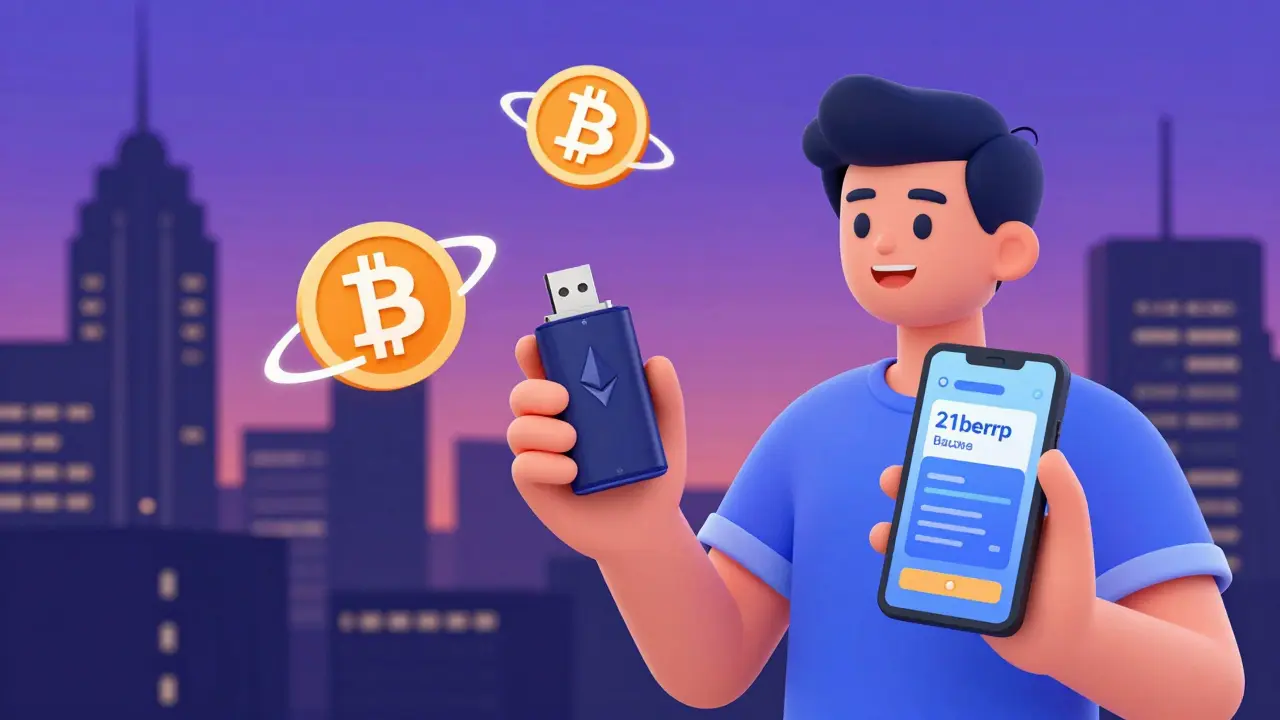
If you're ready to start, your first move should be setting up a secure wallet. Don't just leave your coins on an exchange; consider a hardware wallet for long-term storage. From there, try a small "test trade" of 5,000 or 10,000 Naira to get a feel for the P2P process before moving larger sums. If you encounter a bank block, don't panic-simply try a different bank account or switch to a direct on-ramp provider.

21 Comments
P2P is barely a solution when you consider the systemic risk of counterparty failure. Most people just ignore the fact that relying on a "reputation score" is a joke in a market this volatile.
banks are just puppets for the globalists man... they want your naira in their vaults so they can print more fake money while you struggle to buy btc. it is all a psyop to keep the south under control
Absolute madness how we've turned basic currency exchange into a digital scavenger hunt! It's like a wild west dance-off where the music is just bank error codes and the prize is a digital coin that might moon or crater by breakfast.
so helpful
Using workarounds to bypass central bank rules is simply not the right way to handle finances. People should just follow the laws and stop trying to be clever with their money.
It is imperative to note that while P2P is effective, the adherence to strict KYC protocols is what ultimately protects the user from fraudulent actors. One must ensure that the platform's escrow service is audited and transparent to maintain financial integrity.
The shift toward P2P is such a fascinating reflection of how humanity adapts. When the structure fails or restricts, the collective naturally finds a horizontal way to cooperate. It's less about the crypto and more about the innate human desire for financial autonomy.
QUIT OVERTHINKING IT! JUST PICK A PLATFORM AND GO GET YOUR BAGS! THE ONLY THING STOPPING YOU IS YOUR OWN FEAR OF A BANK TRANSFER!
This looks like a great starting point for anyone feeling overwhelmed. I love how it breaks down the options into simple paths!
The naive belief that any of these "on-ramps" are safe is laughable. The moment the government decides to synchronize their databases, every single one of these "workarounds" will be flagged. It's a trap for the masses who think they've found a loophole in a system designed by people far more cunning than them.
Oh my goodness!! This is just so incredibly helpful for the community!! I am absolutly thrilled to see such a comprehensive guide for our friends in Nigeria!! It is truly a miracule of modern finance that we can collaborate like this!! Let us all support each other in this journay toward financial freedom!!
Nice guide. Keep it simple.
The part about the "Telegram gurus" is such a gem 💎 Seriously, those sharks are everywhere trying to lure people in with fake promises 🎣 Stay safe and keep your coins in a cold wallet ❄️
I've tried P2P and it's such a pain in the ass. Why does the seller take forever to confirm? I'm basically doing their job for them at this point. It's just typical how these things always end up being more work than they're worth.
who actually uses changelly anymore lol its slow as hell just stick to the p2p and stop pretending brokers are a thing in 2026
There is a profound irony in the way we must disguise our financial transactions as "goods and services" just to exercise a basic right of ownership over digital assets. It forces a masquerade upon the user, where the act of buying a currency becomes a performance of a simulated trade, effectively turning the entire banking system into a theater of the absurd where we all play roles just to move numbers from one ledger to another without alerting the watchful eyes of a central authority that fears the very decentralization that crypto promises.
My heart truly goes out to evryone struggling with these bank blocks. It is absolutly devastatng to feel like your own money is being held hostage by a system that does not trust you. Please be so careful with your laege transfers!!
USA DOES IT BETTER! 🇺🇸 Why are we talking about Naira when we should be talking about how the US dollar is the king of the world! 🦅 This guide is okay but just remember where the real power is! 💵💥
I'm curious about the specific KYC requirements for non-residents in Nigeria. Do they typically accept international passports or is a local residence permit mandatory for the direct on-ramps?
Just a friendly reminder to everyone to take a deep breath if a trade is taking a few minutes. Sellers are people too and sometimes their app lags. Let's keep the vibes positive and the trades safe!
Such a sparkly way to explain a tough topic!! i love how you made the p2p stuff so easy to grasp for everyone out there