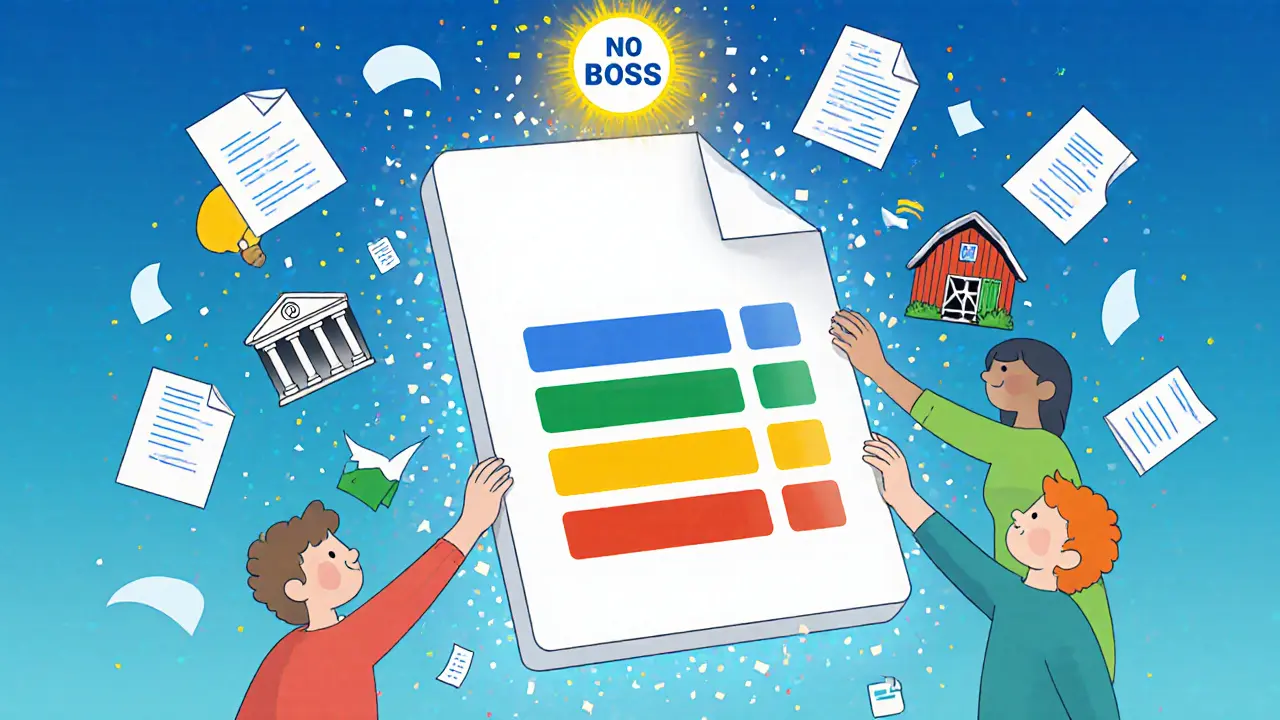
DLT is not blockchain. It's a broader technology that enables secure, decentralized data sharing without crypto. Learn how DLT is used in supply chains, healthcare, and banking - far beyond Bitcoin.

When you hear decentralized database, a system that stores data across multiple computers instead of one central server. Also known as a distributed ledger, it’s the backbone of everything from Bitcoin to DeFi apps. Unlike traditional databases controlled by banks or tech giants, a decentralized database has no boss. Every node holds a copy, and changes only happen when the network agrees. That’s why it’s so hard to hack, alter, or shut down.
This isn’t just theory—it’s what keeps blockchain, a chain of encrypted blocks that record transactions across a network working. Every time you swap tokens on a DEX like Trader Joe or claim a Cardano airdrop, you’re interacting with data stored in a decentralized database. It’s also why decentralized oracles, services that feed real-world data (like stock prices or weather) into smart contracts matter. If an oracle is centralized, one server going down can break your entire DeFi loan. But if it pulls data from dozens of nodes? That’s resilience.
What you’ll find here isn’t just definitions. These posts show how decentralized databases are used—and misused—in the real crypto world. You’ll see how Stratis uses them for enterprise blockchains, why China’s ban couldn’t erase them, and how privacy coins like Monero rely on them to hide transaction details. You’ll also spot the risks: when a project claims to be "decentralized" but still controls the data, it’s a red flag. That’s exactly what happened with BRAWL and DOGEGF—fake decentralization is one of the biggest scams in crypto.
Whether you’re checking a crypto exchange’s security, tracking an airdrop’s eligibility, or trying to understand why Vietnam still trades crypto despite the ban, you’re looking at decentralized databases at work. They don’t just store data—they enforce trust without middlemen. And that’s why, even when governments crack down, these systems keep running. You don’t need to be a coder to use them. But you do need to know how they really work—before you put your money on the line.
DLT is not blockchain. It's a broader technology that enables secure, decentralized data sharing without crypto. Learn how DLT is used in supply chains, healthcare, and banking - far beyond Bitcoin.