- 11 Sep 2025
- Elara Crowthorne
- 14
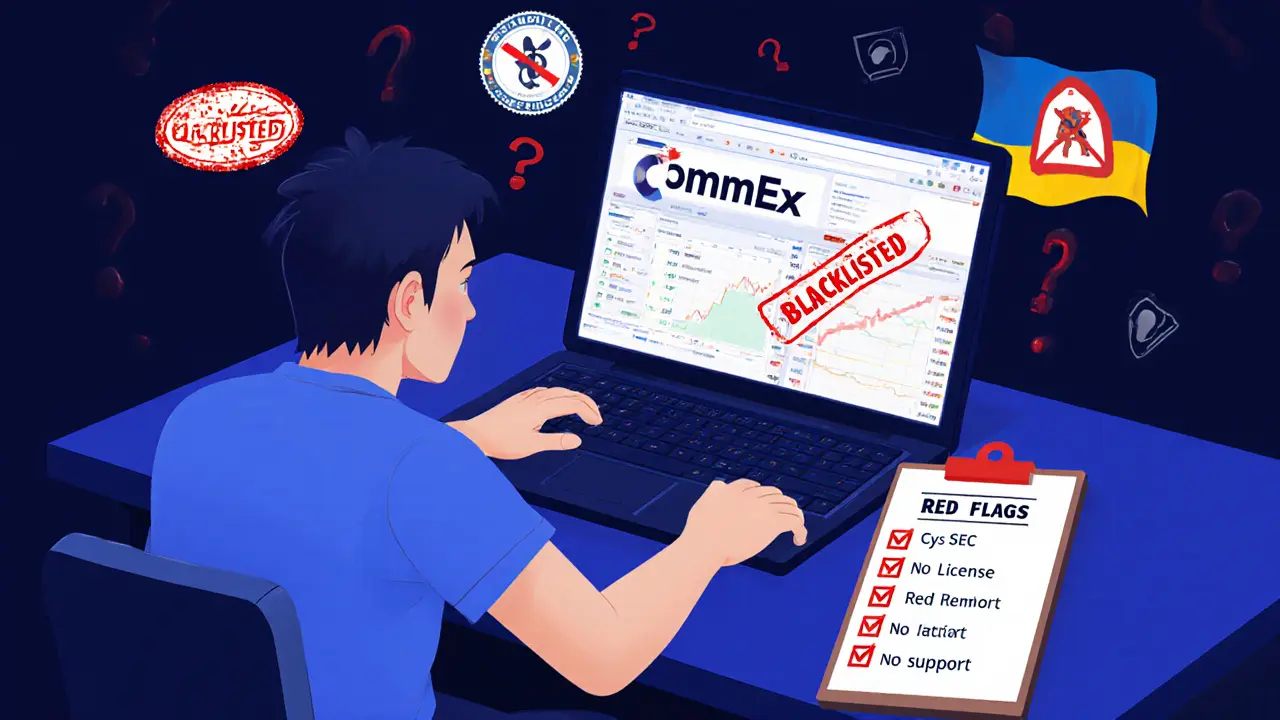
CommEX Crypto Exchange Review: Risks, Red Flags, and Safer Alternatives
A detailed review exposing CommEX's blacklist status, regulatory violations, and lack of support, plus safe exchange alternatives.
When you start looking at Exchange Comparison, a systematic evaluation of crypto trading venues based on cost, safety, and market depth. Also known as exchange review, it helps traders avoid costly surprises. In the same breath, we’ll talk about Centralized Exchange, a platform run by a single company that handles order matching and custody. Then there’s the Decentralized Exchange, a peer‑to‑peer protocol that lets users trade without giving up private keys. Finally, we’ll touch on Trading Fees, the charges you pay each time you buy or sell. All three shape the outcome of any exchange comparison you’ll make.
Exchange comparison encompasses fee analysis, security assessment, and liquidity measurement. Fee analysis means looking at maker‑taker spreads, withdrawal costs, and hidden fees that can eat into profit. Security assessment checks KYC procedures, insurance coverage, and how the platform guards against hacking. Liquidity measurement examines order‑book depth, average trade size, and slippage risk. By linking these factors, you get a clear picture of which venue fits your trading style. For example, a low‑fee platform may sacrifice security, while a high‑liquidity DEX could have higher gas costs.
When you compare centralized exchanges, you usually see a tiered fee schedule: the more you trade, the lower the percentage. Some platforms also offer subscription plans that lock in discounts. Decentralized exchanges, on the other hand, charge flat network fees that depend on blockchain congestion. Understanding this fee structure lets you budget your trades and avoid surprise expenses. The difference matters whether you’re day‑trading or holding long‑term positions.
Liquidity is the lifeblood of any exchange. Centralized venues often have deep order books because they pool users’ orders in a single engine. That reduces slippage for large orders. Decentralized platforms rely on liquidity pools, which can be shallow for niche tokens. However, modern AMM designs like concentrated liquidity and dynamic fee models improve depth without a traditional order book. Knowing how each model impacts price impact helps you decide where to execute big moves.
Security is non‑negotiable. Centralized exchanges store assets in custodial wallets, meaning they must implement cold storage, multi‑sig controls, and regular audits. They also face regulatory scrutiny, which can add an extra layer of protection for users. Decentralized exchanges shift custody to the user, eliminating a single point of failure but exposing you to smart‑contract bugs. Assessing audit reports and insurance funds is crucial for both worlds.
Regulatory environment and user experience also shape your choice. A platform that complies with local laws may offer fiat on‑ramps, easier account verification, and customer support. Conversely, a permissionless DEX often provides global access but lacks dedicated help desks. Weighing convenience against autonomy can tip the scales for many traders.
All the posts below dive deeper into these topics. You’ll find reviews of specific centralized and decentralized exchanges, fee breakdowns, liquidity analyses, and security checklists. Whether you’re a beginner hunting for a safe entry point or an experienced trader optimizing costs, the collection gives you the data you need to make an informed decision.
Ready to see how each platform stacks up? Scroll down to explore detailed comparisons, practical tips, and real‑world examples that will guide your next move.
A detailed review exposing CommEX's blacklist status, regulatory violations, and lack of support, plus safe exchange alternatives.