
SOHO19 Crypto District

MSB Registration: What You Need to Know to Stay Legal in Crypto

When you run a crypto business—whether it’s an exchange, wallet service, or OTC desk—you’re not just trading digital assets. You’re operating a Money Services Business (MSB), a financial entity regulated by the U.S. Treasury’s Financial Crimes Enforcement Network (FinCEN) that handles money transmission, currency exchange, or prepaid access. Also known as a money transmitter, an MSB must register with the federal government and follow strict anti-money laundering rules. Skipping this step isn’t just risky—it’s illegal. And with crypto regulations tightening globally, ignoring MSB registration can mean fines, account freezes, or even criminal charges.

MSB registration isn’t just a U.S. thing. Countries like Nigeria, Canada, and Australia now require similar licensing under VASP (Virtual Asset Service Provider), a term used internationally to describe entities that provide services like trading, custody, or exchange of crypto assets. Nigeria’s SEC, for example, demands capital reserves, KYC systems, and audit reports before granting a VASP license. In the U.S., FinCEN requires the same level of transparency: customer identification, transaction monitoring, and suspicious activity reports. If you’re accepting fiat deposits for crypto, sending money across borders, or running an OTC desk like Bitwyre Indonesia, you’re likely an MSB. And if you’re not registered, you’re already in violation.

It’s not just about avoiding penalties. MSB registration builds trust. Exchanges like Global Blockchain Exchange and Strike Finance succeed because they’re compliant—they’ve done the paperwork, hired compliance officers, and built systems that work within the law. Meanwhile, platforms like CRXzone and Yum Yum disappear because they skip the basics. Even privacy tools like Tornado Cash got sanctioned not because they were inherently illegal, but because they enabled untraceable flows that regulators couldn’t monitor. The message is clear: if you’re handling value, you need to be visible to authorities.

So what does MSB registration actually involve? You’ll need to file Form 107 with FinCEN, pay a fee, submit fingerprints for key personnel, and set up a written AML program. You’ll also need to report transactions over $10,000 and keep records for five years. It’s not glamorous, but it’s the price of staying open. And if you’re operating in restricted countries, like those with crypto bans, compliance becomes even more critical—self-custody wallets won’t protect you if your bank account gets frozen for unlicensed activity.

What you’ll find below is a collection of real-world cases where businesses got it right—or failed spectacularly. From Nigeria’s VASP licensing rules to U.S. sanctions on mixers, from exchange reviews that highlight compliance gaps to airdrop scams that prey on unregulated users—these posts show exactly why MSB registration isn’t optional. Whether you’re launching a new platform, trading from a restricted country, or just trying to avoid getting caught in a regulatory sweep, this guide gives you the facts you need to move safely.

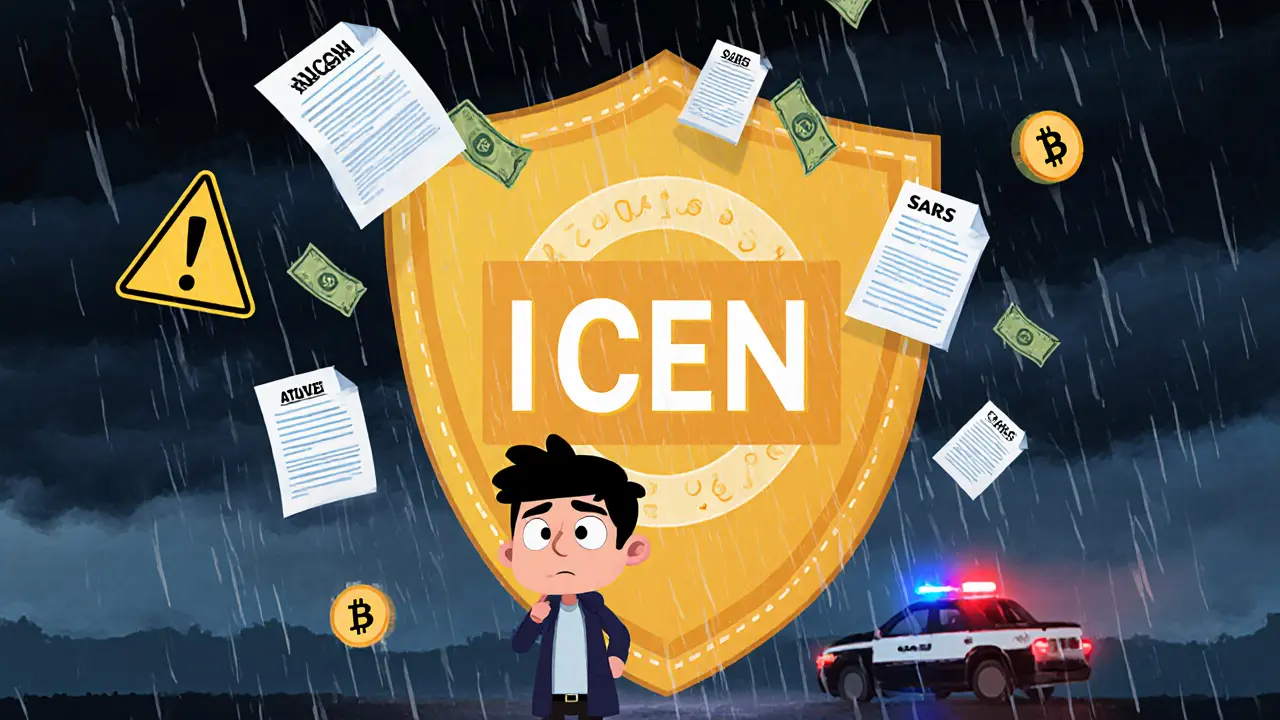
FinCEN Registration Requirements for Crypto Exchanges: What You Need to Know in 2025
  • 29 Nov 2025
  • Elara Crowthorne
  • 7

FinCEN Registration Requirements for Crypto Exchanges: What You Need to Know in 2025

FinCEN registration is mandatory for U.S. crypto exchanges. Learn the 2025 compliance rules, state licensing requirements, AML obligations, and real costs to avoid shutdowns or criminal charges.

View More

Popular Categories

  • Cryptocurrency Guides (51)
  • Cryptocurrency (37)
  • Cryptocurrency Trading (20)
  • DeFi (11)
  • Blockchain (8)

Latest News

Hero Arena (HERA) Airdrop: Details, Requirements, and Current Status

Hero Arena (HERA) Airdrop: Details, Requirements, and Current Status

28/Sep/2025
Chinese Government Crypto Seizures and Enforcement Actions: The Complete Ban Explained

Chinese Government Crypto Seizures and Enforcement Actions: The Complete Ban Explained

2/Oct/2025
TTcoin Network (TC) Explained: What This TRC‑20 Crypto Coin Is and How It Works

TTcoin Network (TC) Explained: What This TRC‑20 Crypto Coin Is and How It Works

16/Oct/2024
CommEX Crypto Exchange Review: Risks, Red Flags, and Safer Alternatives

CommEX Crypto Exchange Review: Risks, Red Flags, and Safer Alternatives

11/Sep/2025
Cannumo (CANU) Airdrop Launch 2025: How to Claim, Eligibility & Safety Tips

Cannumo (CANU) Airdrop Launch 2025: How to Claim, Eligibility & Safety Tips

22/Oct/2025

Popular Tags

cryptocurrency blockchain crypto exchange Bitcoin crypto exchange review ERC-20 DeFi CoinMarketCap airdrop Binance Smart Chain AI blockchain trading fees crypto airdrop guide how to claim airdrop DYOR token cryptocurrency research tokenized Bitcoin meme coin crypto airdrop 2025 Proof of Stake Proof of Work
SOHO19 Crypto District

About

Cryptocurrency Guides

Menu

  • About Us
  • Terms of Service
  • Privacy Policy
  • CCPA
  • Contact Us
© 2025. All rights reserved.