SOHO19 Crypto District

NFT Provenance: Why Ownership History Matters in Crypto Art

When you buy an NFT, you're not just buying a digital image—you're buying a verified NFT provenance, the complete, unchangeable record of who created it and every owner since. Also known as blockchain authenticity, it's the digital equivalent of a car's title history or a painting's exhibition log. Without it, an NFT is just a file—easy to copy, impossible to prove you own the original. This isn't theoretical. In 2023, a fake Bored Ape sold for $1.2 million because the buyer didn't check the chain of custody. Provenance stops that.

Every NFT transaction gets locked into a public ledger, like Bitcoin or Ethereum. That means every time an NFT changes hands, the new owner’s wallet address is permanently recorded. This isn't just about bragging rights. It's how you tell if a piece was minted by the original artist, or if it's a copy sold by someone who stole the file. It’s how collectors spot rare editions—like the first 100 Bored Apes minted, or the ones owned by early crypto pioneers. If an NFT’s history shows it was transferred from a known scam wallet or a hacked exchange, its value drops fast. Provenance doesn’t guarantee a price, but it removes guesswork.

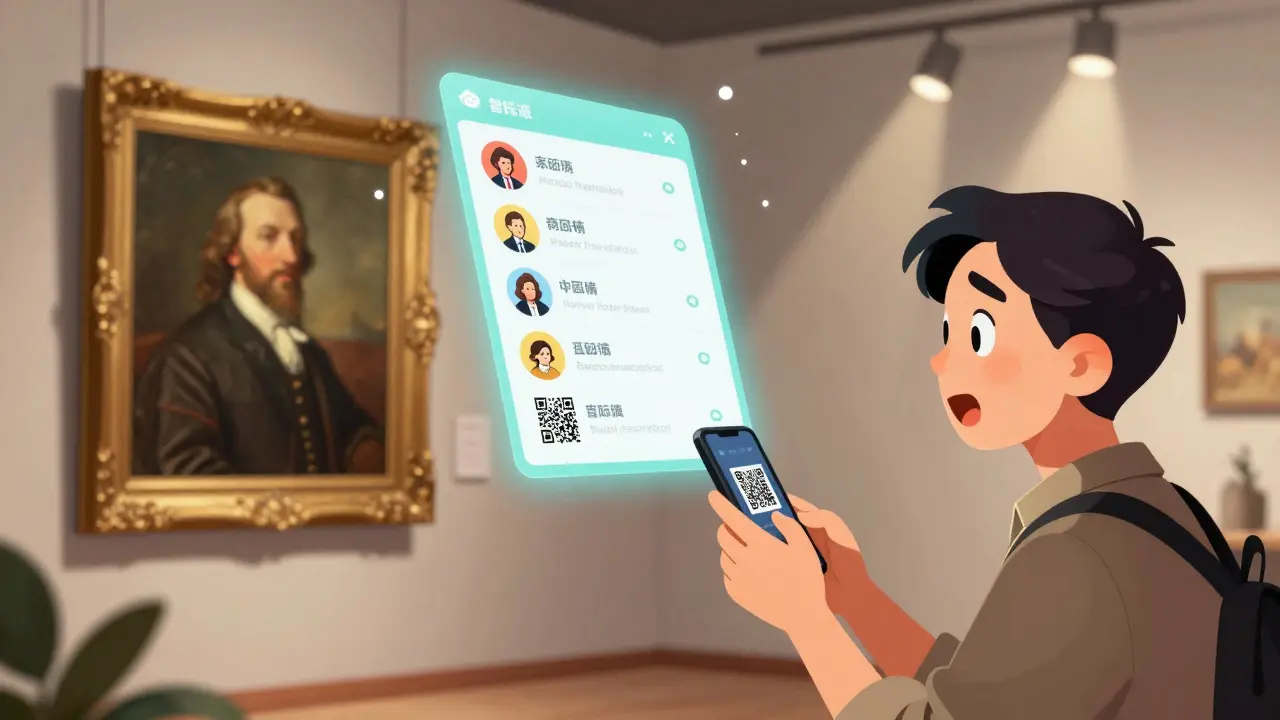
Real-world use cases are growing. Museums now verify NFT art using on-chain data before displaying it. Auction houses like Sotheby’s and Christie’s use NFT provenance to validate digital lots. Even game items, like rare skins or virtual land, rely on this trail to prove they’re not fake. If you’re buying an NFT, always check the full transaction history—not just the current owner. Look for gaps, sudden transfers, or wallets with no other activity. A clean history means the asset has been passed through trusted hands. A messy one? Walk away.

What you’ll find below are real cases where NFT provenance made the difference—between a valuable asset and a worthless file. Some posts show how fake NFTs slip through, others reveal how smart buyers used ownership records to spot hidden gems. There are warnings about scams that hide behind fake histories, and guides on how to verify a chain of custody yourself. No fluff. Just what you need to know before you click buy.

Benefits of NFTs for Supply Chain Management
  • 12 Nov 2025
  • Elara Crowthorne
  • 19

Benefits of NFTs for Supply Chain Management

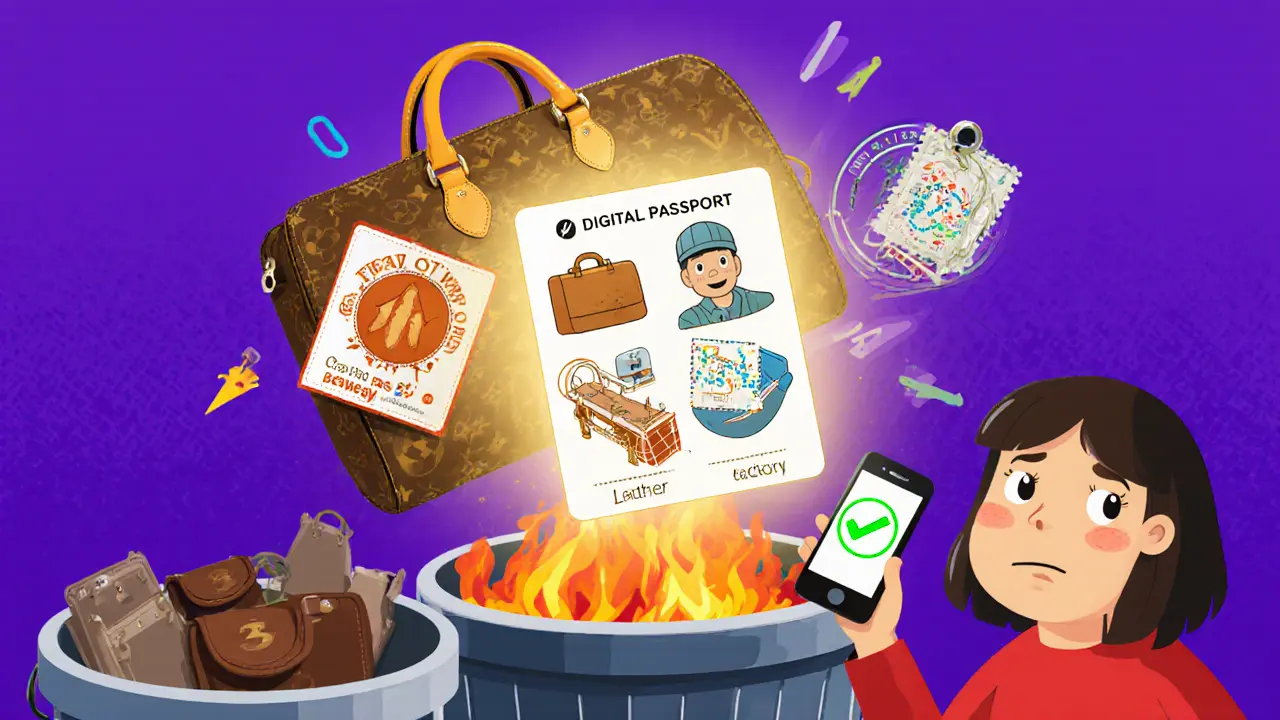
NFTs are transforming supply chains by creating unbreakable digital IDs for products, preventing counterfeits, proving ethical sourcing, and enabling real-time tracking from raw materials to consumers. This isn't hype-it's the future of trust.

View More

Popular Categories

  • Cryptocurrency Guides (51)
  • Cryptocurrency (37)
  • Cryptocurrency Trading (20)
  • DeFi (11)
  • Blockchain (8)

Latest News

How to Create and Trade Metaverse Assets in 2025

How to Create and Trade Metaverse Assets in 2025

2/Dec/2025
Compliance-First Crypto Trading in Restricted Countries: How to Stay Legal

Compliance-First Crypto Trading in Restricted Countries: How to Stay Legal

27/Nov/2025
How Blockchain Achieves Immutability - Technical Guide

How Blockchain Achieves Immutability - Technical Guide

15/Oct/2025
Bitnomial Review: The First Regulated U.S. Crypto Derivatives Exchange (2025)

Bitnomial Review: The First Regulated U.S. Crypto Derivatives Exchange (2025)

25/Mar/2025
What is DYOR Crypto Coin? Definition, Tokens & How to Research Safely

What is DYOR Crypto Coin? Definition, Tokens & How to Research Safely

10/Nov/2024

Popular Tags

cryptocurrency blockchain crypto exchange Bitcoin crypto exchange review ERC-20 DeFi CoinMarketCap airdrop Binance Smart Chain AI blockchain trading fees crypto airdrop guide how to claim airdrop DYOR token cryptocurrency research tokenized Bitcoin meme coin crypto airdrop 2025 Proof of Stake Proof of Work
SOHO19 Crypto District

About

Blockchain

Menu

  • About Us
  • Terms of Service
  • Privacy Policy
  • CCPA
  • Contact Us
© 2025. All rights reserved.