SOHO19 Crypto District

OFAC Sanctions and Crypto: What You Need to Know About U.S. Crypto Restrictions

When the U.S. government puts OFAC sanctions, a set of economic and trade restrictions enforced by the Office of Foreign Assets Control. Also known as U.S. financial blacklists, these rules block transactions with individuals, companies, or technologies tied to terrorism, narcotics, or hostile nations. This isn’t just about banks—it’s about crypto too. If you’re trading, staking, or using a wallet, you’re not immune. The 2022 sanctioning of Tornado Cash, a decentralized Ethereum mixer used to obscure transaction trails was a wake-up call. It wasn’t a company being shut down. It was code. And the U.S. said even that code was illegal if used to launder money from North Korean hackers. That changed everything. Suddenly, developers, exchanges, and regular users had to ask: Could using a privacy tool get me flagged?

OFAC doesn’t just target mixers. It also hits exchanges, wallets, and even people who interact with sanctioned addresses. If your wallet receives funds from a blacklisted address—even if you didn’t know it—you could be flagged. That’s why exchanges like Kraken, Coinbase, and Binance freeze accounts tied to these addresses. They’re not being overly cautious—they’re trying to avoid fines that can hit hundreds of millions. And it’s not just U.S.-based platforms. Global exchanges that serve American users must comply, or lose access to the U.S. financial system. That’s why you see KYC checks, address screening, and transaction monitoring everywhere now. Even if you live in Nigeria, Turkey, or South Korea, if you’re using a platform that touches U.S. dollars or infrastructure, OFAC rules apply. The FinCEN, the Financial Crimes Enforcement Network, which enforces anti-money laundering rules for crypto businesses in the U.S. requires exchanges to report suspicious activity. That means your trades, withdrawals, and even your IP address can be logged and cross-checked against OFAC lists.

So what does this mean for you? If you’re just holding Bitcoin or trading on a regulated exchange, you’re probably fine. But if you’re using privacy tools, swapping tokens on obscure DEXs, or interacting with wallets that have shady histories, you’re playing with fire. The good news? You don’t need to be a lawyer to stay safe. Avoid mixing services. Don’t accept crypto from unknown sources. Check if your exchange screens addresses. And if you’re running a crypto business, compliance isn’t optional—it’s survival. The posts below cover real cases: how Tornado Cash reshaped privacy in crypto, how FinCEN registration shuts down unlicensed platforms, and how countries like Nigeria and South Korea are building their own rules to match U.S. pressure. You’ll find guides on what’s legal, what’s risky, and how to trade without getting caught in a sanctions trap. This isn’t theory. It’s what’s happening right now—and what you need to know before your next trade.

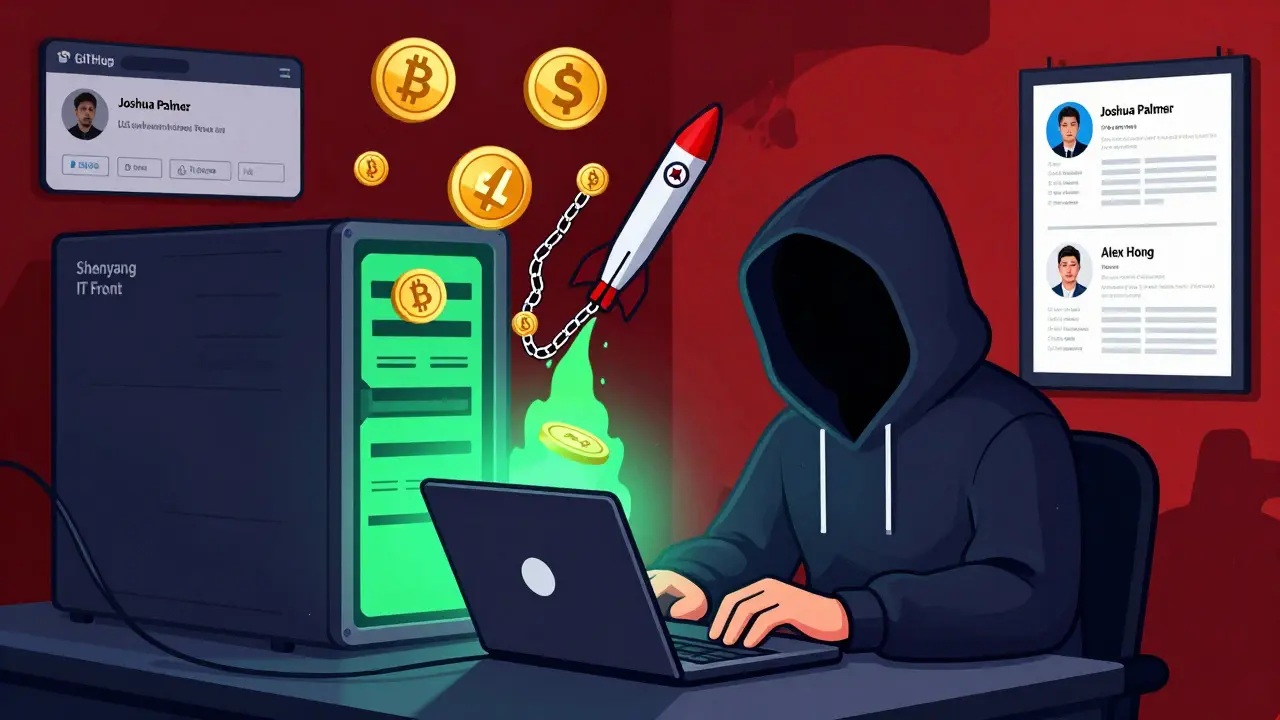
OFAC Sanctions on North Korean Crypto Networks: How the U.S. Is Targeting $2.1 Billion in Stolen Crypto
  • 9 Dec 2025
  • Elara Crowthorne
  • 25

OFAC Sanctions on North Korean Crypto Networks: How the U.S. Is Targeting $2.1 Billion in Stolen Crypto

OFAC has targeted North Korean crypto networks responsible for stealing over $2.1 billion in 2025, using fake IT workers and global laundering rings to fund weapons programs. Here's how the U.S. is fighting back.

View More

Popular Categories

  • Cryptocurrency Guides (62)
  • Cryptocurrency (46)
  • Cryptocurrency Trading (27)
  • DeFi (13)
  • Blockchain (10)

Latest News

How to Slash Restaking Risks: A Practical Guide for Validators and Stakers

How to Slash Restaking Risks: A Practical Guide for Validators and Stakers

10/Jan/2026
Bitnomial Review: The First Regulated U.S. Crypto Derivatives Exchange (2025)

Bitnomial Review: The First Regulated U.S. Crypto Derivatives Exchange (2025)

25/Mar/2025
Binance Liquid Swap Review: Fees, Security & Liquidity Pools

Binance Liquid Swap Review: Fees, Security & Liquidity Pools

13/Oct/2024
What is Zeta (ZEX) Crypto Coin? A Practical Guide to Solana’s Derivatives Trading Token

What is Zeta (ZEX) Crypto Coin? A Practical Guide to Solana’s Derivatives Trading Token

14/Nov/2025
Woof Finance Crypto Exchange Review: Is It Legit or a Scam?

Woof Finance Crypto Exchange Review: Is It Legit or a Scam?

28/Dec/2025

Popular Tags

cryptocurrency crypto exchange crypto exchange review blockchain DeFi CoinMarketCap airdrop decentralized exchange Bitcoin ERC-20 crypto derivatives Binance Smart Chain AI blockchain trading fees crypto airdrop guide how to claim airdrop DYOR token cryptocurrency research tokenized Bitcoin meme coin crypto airdrop 2025
SOHO19 Crypto District

About

Cryptocurrency

Menu

  • About Us
  • Terms of Service
  • Privacy Policy
  • CCPA
  • Contact Us
© 2026. All rights reserved.