- 8 Jul 2026
- Elara Crowthorne
- 0
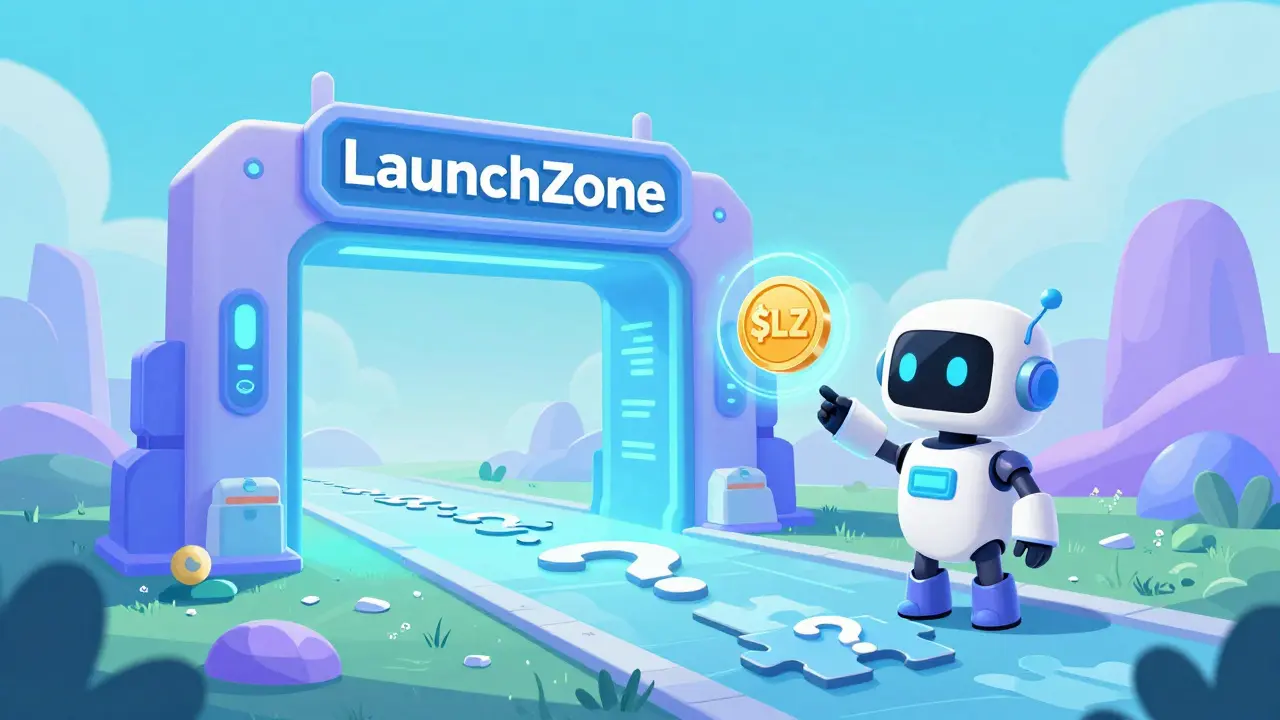
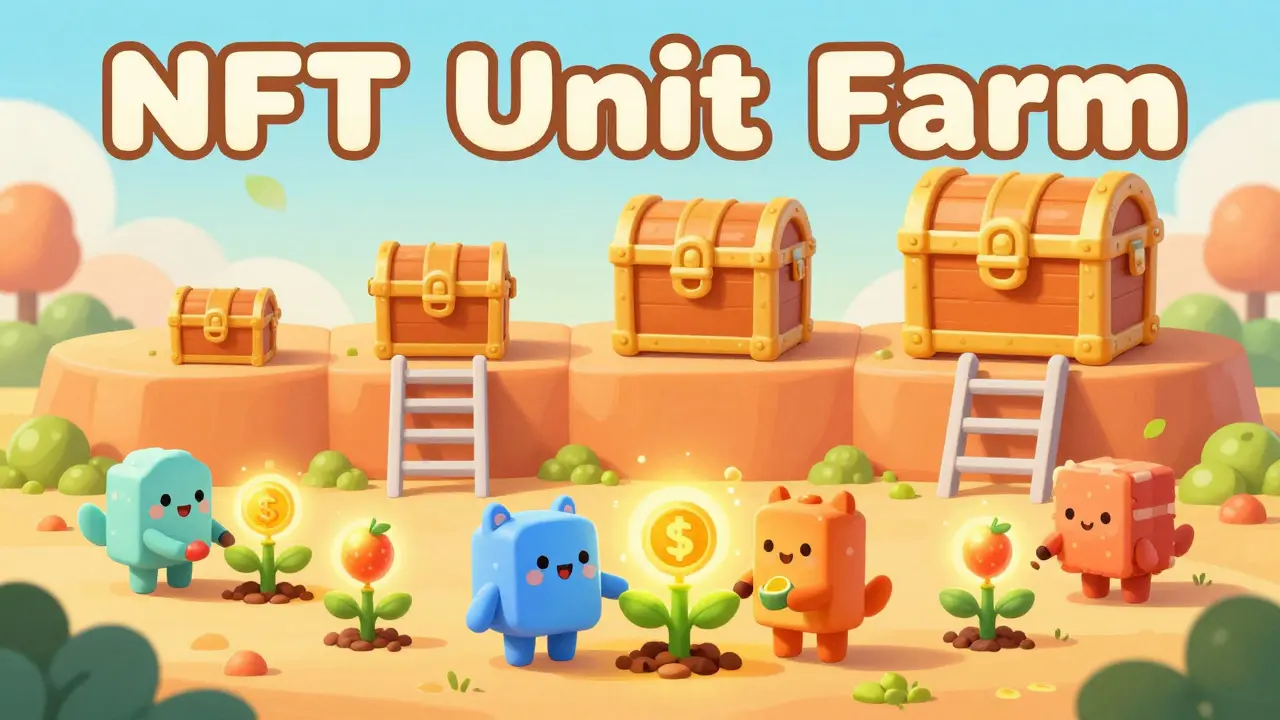
The world of decentralized finance is constantly shifting, with new platforms popping up promising early rewards for active users. Recently, LaunchZone, described as a decentralized finance platform integrating an ecosystem with its native governance and utility token $LZ, has entered the conversation. Specifically, there is buzz surrounding an "NFT Unit Farm" mechanism tied to an airdrop. But here is the hard truth: while the project exists and has made public statements about its token, concrete details on how exactly this specific farm works are currently scarce.
If you are looking to get in on the ground floor, you need to understand what we know, what we don't know, and how to protect yourself while waiting for more information. This guide breaks down the current status of LaunchZone, the role of the $LZ token, and general strategies for participating in similar DeFi airdrops safely.
What Is LaunchZone and the $LZ Token?
To understand the potential airdrop, we first need to look at the platform itself. LaunchZone is positioned as a comprehensive DeFi platform aiming to support sustainable growth through its ecosystem. The core of this ecosystem is the $LZ token, which serves as both a governance and utility token within the newly integrated LaunchZone Ecosystem.
In simple terms, holding or interacting with $LZ likely gives you a say in how the platform develops (governance) and allows you to access specific features or pay for services within their system (utility). This dual-purpose model is common in modern DeFi projects because it creates immediate demand for the token beyond just speculation.
However, despite the clear definition of the token's purpose, official documentation detailing the exact mechanics of the "NFT Unit Farm" remains limited. Most available information comes from community discussions and promotional videos rather than technical whitepapers or audited smart contract code. This gap in information is a critical factor for any potential participant.
Understanding the "NFT Unit Farm" Concept
The term "NFT Unit Farm" suggests a mechanism where users might need to acquire or hold specific Non-Fungible Tokens (NFTs) to participate in yield farming or to qualify for an airdrop. In the broader crypto space, this pattern is not entirely new. For example, other platforms have used tiered systems where owning certain NFTs unlocks higher reward brackets or exclusive access to token distributions.
Consider how other projects operate:
- Tiered Access: Some platforms require a minimum staking amount or a specific NFT to even enter the farming pool. For instance, Jupiter LFG Launchpad implemented a minimum staking requirement of 10 JUP tokens.
- Voucher Redemption: Projects like Linea Park have used NFTs as keys to redeem vouchers, which can then be exchanged for tokens or other rewards.
- Points Systems: Many farms award points based on activity, which later convert into actual tokens during a distribution event.
While LaunchZone has not explicitly confirmed if their NFT Unit Farm uses these exact methods, it is highly probable that they will employ a similar structure. The absence of specific technical details means you should prepare for multiple scenarios, such as needing to buy an NFT, stake $LZ tokens, or complete specific tasks on-chain.
Current Status and Information Gaps
As of July 2026, the most significant challenge for anyone interested in the LaunchZone airdrop is the lack of verified data. Unlike established protocols with transparent roadmaps and regular developer updates, LaunchZone’s specific airdrop mechanics are shrouded in ambiguity.
Here is what is missing from the public record:
- Official Roadmap: There is no publicly available timeline for when the airdrop will occur or when the NFT Unit Farm will go live.
- Technical Specifications: Details on which blockchain the NFTs reside on, the cost to acquire them, and the smart contract addresses are not widely documented.
- Community Verification: There are few independent analyses or user testimonials regarding the success rate or fairness of previous LaunchZone initiatives.
- Eligibility Criteria: It is unclear whether simply holding an NFT is enough, or if additional actions like trading volume or social engagement are required.
This lack of transparency is a red flag that requires caution. In the crypto world, if a project doesn't clearly explain how you earn rewards, you should assume the worst-case scenario until proven otherwise.
General Strategies for DeFi Airdrop Farming
Even without specific instructions for LaunchZone, you can apply proven strategies used by successful airdrop farmers. These approaches help maximize your chances of eligibility while minimizing risk.
1. Diversify Your Wallets
Many experienced farmers use separate wallets for different purposes. One wallet might be dedicated to high-risk, high-reward interactions, while another holds stable assets. This separation helps protect your main holdings if one interaction turns out to be malicious or if a project fails.
2. Maintain Consistent Activity
Airdrop algorithms often favor consistent users over those who make a single large transaction and disappear. If LaunchZone tracks on-chain activity, regular small interactions-such as swapping tokens, providing liquidity, or minting NFTs-may boost your ranking. Avoid withdrawing all your funds right before a suspected snapshot date, as some projects penalize sudden exits.
3. Watch for Minimum Requirements
Pay close attention to any stated minimums. For example, if a platform requires a minimum stake of 10 tokens, ensure you meet or slightly exceed this threshold. Being just below the cutoff can disqualify you entirely, regardless of how long you’ve been involved.
4. Engage with Community Channels
Follow official announcements on Twitter, Discord, and Telegram. Projects often drop hints about upcoming snapshots or changes to eligibility criteria in these channels. However, always verify links and never click on suspicious URLs sent by private messages.
Risks and Pitfalls to Avoid
Participating in unverified airdrops carries significant risks. Here are the most common pitfalls:
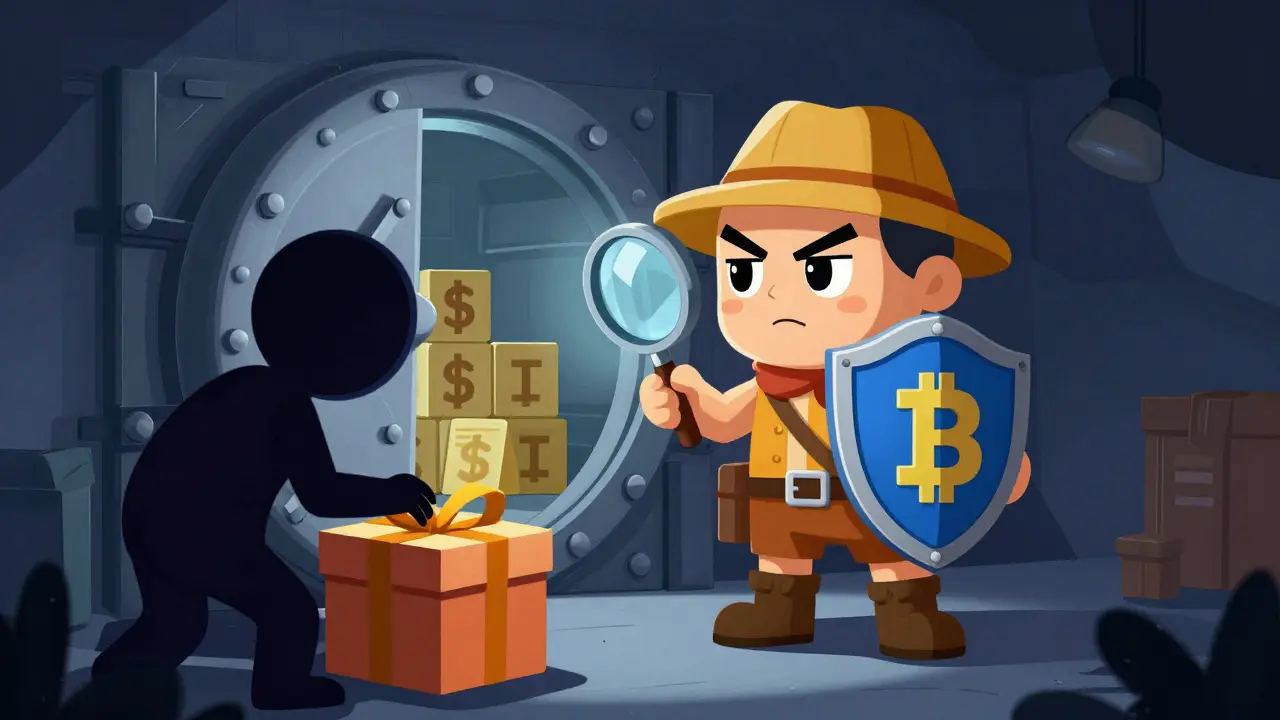
- Scams and Phishing: Fake websites and impersonators often target popular airdrops. Always double-check the official URL and domain name. Never share your private key or seed phrase.
- High Gas Fees: Interacting with new contracts on congested networks can be expensive. Calculate whether the potential reward justifies the transaction costs.
- Token Rug Pulls: If the $LZ token has low liquidity or no vesting schedule, developers could dump their holdings, crashing the price. Look for signs of team lockups or audits.
- Opportunity Cost: Time and capital spent on uncertain airdrops could be invested elsewhere with more predictable returns. Balance your portfolio accordingly.
How to Stay Updated Safely
Since direct information is scarce, your best bet is to monitor trusted sources indirectly. Follow reputable DeFi analysts who cover emerging platforms. Join community forums like Reddit or specialized Discord servers, but treat every piece of information with skepticism until it is confirmed by official channels.
Additionally, keep an eye on blockchain explorers. If LaunchZone deploys smart contracts for the NFT Unit Farm, they will appear on-chain. You can track these deployments and analyze their code using tools like Etherscan or BscScan, depending on the network.
| Mechanism Type | Description | Risk Level | Example Project |
|---|---|---|---|
| Staking-Based | Lock tokens for a period to earn rewards | Medium | Jupiter LFG Launchpad |
| NFT-Gated | Own specific NFTs to qualify | High (if NFT value drops) | Linea Park |
| Task-Based | Complete social or on-chain tasks | Low | Galxe Quests |
| Liquidity Mining | Provide liquidity to pools | High (Impermanent Loss) | Various DEXs |
Next Steps for Potential Participants
If you decide to pursue the LaunchZone airdrop, start by setting up a dedicated wallet with a small amount of funds. Do not invest money you cannot afford to lose. Monitor official LaunchZone channels for announcements regarding the NFT Unit Farm launch. Once details emerge, verify the smart contract addresses against multiple sources before interacting.
Remember, patience is key in airdrop farming. Rushing into unknown contracts can lead to irreversible losses. By staying informed and cautious, you position yourself to capitalize on legitimate opportunities while avoiding scams.
When will the LaunchZone NFT Unit Farm airdrop happen?
There is no official date announced for the LaunchZone NFT Unit Farm airdrop as of July 2026. The project has mentioned supporting sustainable growth through its $LZ token, but specific timelines for distribution events remain undisclosed. Users should wait for official announcements from LaunchZone's verified channels.
What is the $LZ token used for?
The $LZ token is the native governance and utility token of the LaunchZone ecosystem. Governance rights allow holders to vote on platform decisions, while utility functions may include paying for fees, accessing premium features, or participating in staking mechanisms like the NFT Unit Farm.
Do I need to buy an NFT to participate?
While not officially confirmed, the term "NFT Unit Farm" strongly suggests that owning specific NFTs may be required to participate or qualify for higher rewards. Similar projects use NFTs as gatekeepers for airdrop eligibility. Until official guidelines are released, assume that acquiring an NFT might be necessary.
Is LaunchZone a safe platform to use?
Safety depends on thorough due diligence. Currently, detailed security audits and transparent team information for LaunchZone are limited. As with any DeFi project, interact only with verified contracts, never share private keys, and start with small amounts to test the waters. Always prioritize security over potential rewards.
How can I stay updated on LaunchZone news?
Follow LaunchZone's official social media accounts, particularly Twitter and Discord, for real-time updates. Additionally, monitor blockchain explorers for new contract deployments related to the NFT Unit Farm. Be cautious of unofficial sources and always verify links to avoid phishing attempts.
