
SOHO19 Crypto District

Wrapped Assets: Tokenized Stocks, Synthetic Tokens & DeFi Basics

When working with wrapped assets, crypto tokens that represent another underlying asset, letting it move on a blockchain the original asset can’t access directly. Also known as tokenized assets, they let you trade, lend, or use the value of something like a stock, gold, or another cryptocurrency without holding the physical item.

Another key player is tokenized stocks, digital versions of equities that are backed 1:1 by real shares and live on a smart‑contract platform. They give you the same exposure as buying shares on a traditional exchange, but with blockchain benefits like instant settlement and programmable finance. Then there are synthetic tokens, derivatives minted on‑chain that mirror the price of assets such as commodities, indices, or even other cryptocurrencies. Both tokenized stocks and synthetic tokens rely on collateral pools and oracle feeds to stay pegged to their real‑world counterparts, and they power many DeFi use cases—from lending and borrowing to yield farming.

Why Wrapped Assets Matter for DeFi Users

Wrapped assets require smart‑contract custody, which means a trusted code layer locks the original asset and issues the blockchain version. This process creates a clear subject‑predicate‑object relationship: wrapped assets → are issued by → smart contracts. The availability of wrapped assets enables DeFi protocols to accept otherwise unsupported collateral, boosting liquidity across chains. For example, a Bitcoin‑wrapped token (WBTC) lets Bitcoin holders earn interest on platforms that only accept ERC‑20 tokens. Similarly, a tokenized Walmart stock (WMTon) lets you add equity exposure to a liquidity pool on Ethereum, opening new arbitrage and hedging opportunities.

However, using wrapped assets also brings risks. The peg can break if the underlying collateral isn’t properly audited or if the oracle provides bad data. That’s why many projects use over‑collateralization—locking more value than the token represents—to cushion price swings. Users should check the security audits of the wrapping contract, the reputation of the custodial entity, and the transparency of the collateral reserves before committing capital.

In practice, wrapped assets act as a bridge between traditional finance and decentralized finance. They connect real‑world assets to on‑chain markets, expand the range of instruments you can trade, and increase the efficiency of cross‑border transactions. Below you’ll find a curated list of articles that dive deeper into specific wrapped assets, from tokenized stocks like Walmart’s WMTon to synthetic tokens used in high‑yield strategies, plus safety tips and market analysis to help you make informed decisions.

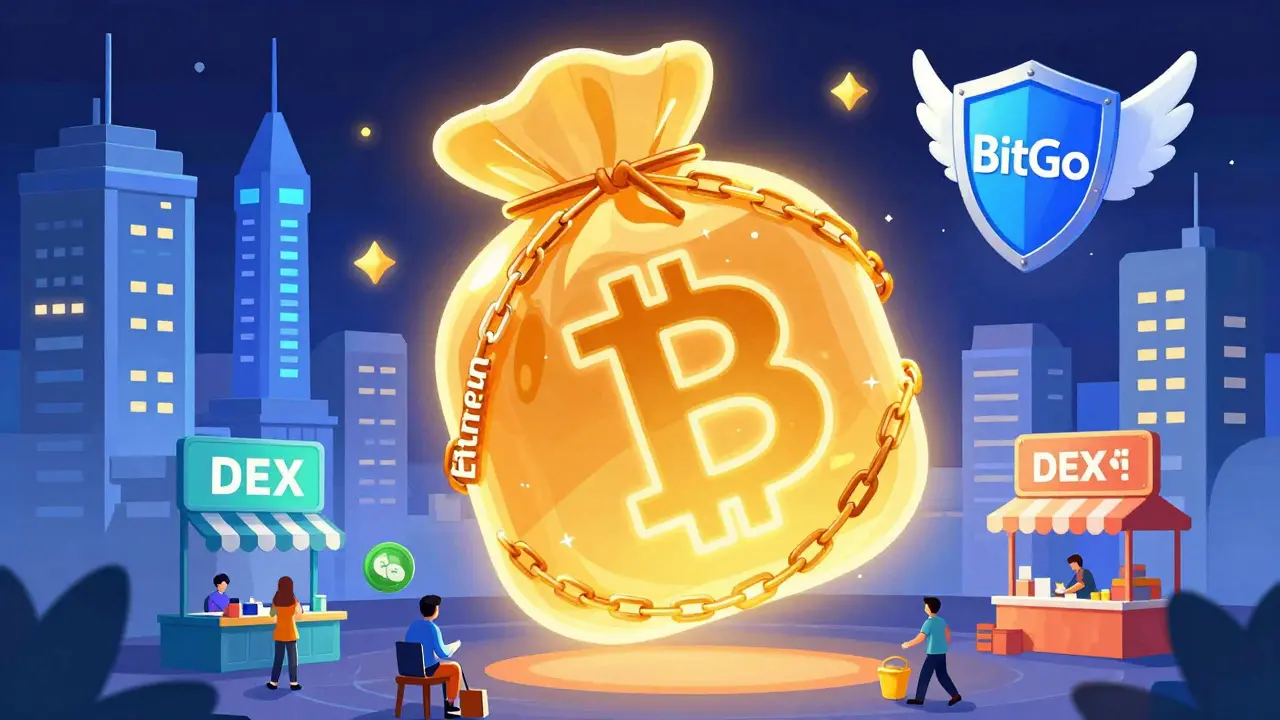
Top Wrapped Assets by Trading Volume: What’s Moving Most in 2025
  • 22 Dec 2025
  • Elara Crowthorne
  • 13

Top Wrapped Assets by Trading Volume: What’s Moving Most in 2025

Discover the top wrapped assets by trading volume in 2025, including wBTC, wETH, and wSTETH, and understand why they dominate DeFi liquidity despite being bridged tokens. Learn what drives their volume and what’s next for cross-chain interoperability.
View More
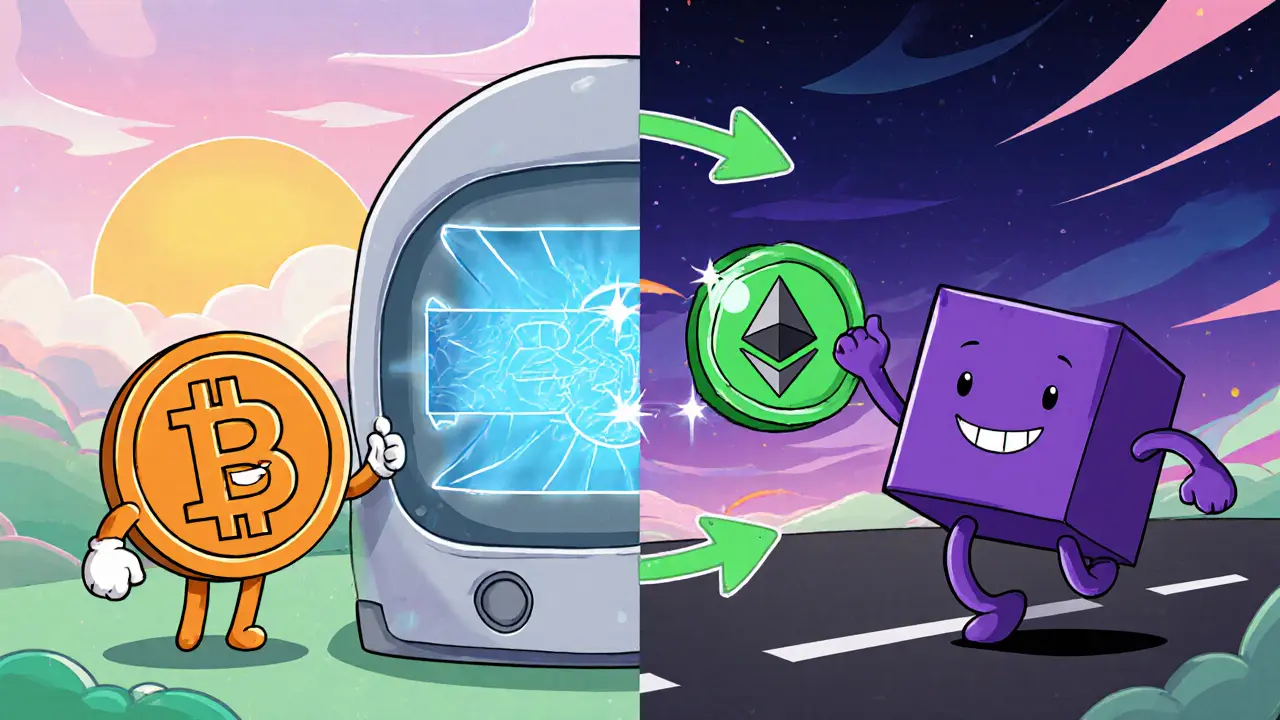
Key Benefits of Wrapped Assets in DeFi (2025 Guide)
  • 23 Oct 2025
  • Elara Crowthorne
  • 21

Key Benefits of Wrapped Assets in DeFi (2025 Guide)

Discover why wrapped assets are essential for DeFi, how they boost liquidity, lower fees, and enable cross‑chain trading, plus practical steps to start using them.

View More

Popular Categories

  • Cryptocurrency Guides (104)
  • Cryptocurrency (55)
  • Cryptocurrency Trading (37)
  • Blockchain (23)
  • DeFi (21)

Latest News

Crypto Adoption in Russia: How Sanctions and Regulation Shape Digital Currency Use

Crypto Adoption in Russia: How Sanctions and Regulation Shape Digital Currency Use

29/Oct/2025
Crust Shadow (CSM) Airdrop Details, Eligibility, and Token Outlook

Crust Shadow (CSM) Airdrop Details, Eligibility, and Token Outlook

5/Mar/2025
Risks of Liquid Staking Protocols: What You Might Be Overlooking

Risks of Liquid Staking Protocols: What You Might Be Overlooking

13/Nov/2025
TTcoin Network (TC) Explained: What This TRC‑20 Crypto Coin Is and How It Works

TTcoin Network (TC) Explained: What This TRC‑20 Crypto Coin Is and How It Works

16/Oct/2024
How Cryptocurrency Works: Simple Explanation for Beginners

How Cryptocurrency Works: Simple Explanation for Beginners

22/Apr/2025

Popular Tags

cryptocurrency decentralized exchange crypto exchange crypto exchange review blockchain Binance Smart Chain DeFi Proof of Work smart contracts blockchain gaming CoinMarketCap airdrop Bitcoin AI blockchain ERC-20 Proof of Stake blockchain security crypto derivatives cryptocurrency trading Solana meme coin trading fees
SOHO19 Crypto District

About

DeFi

Menu

  • About Us
  • Terms of Service
  • Privacy Policy
  • CCPA
  • Contact Us
© 2026. All rights reserved.