- 27 Mar 2026
- Elara Crowthorne
- 17
The landscape for cryptocurrency mining shifted dramatically when China cracked down on digital assets in 2021. Suddenly, operators needed new homes, and Kazakhstan was a Central Asian nation positioned to absorb the displaced mining capacity. However, welcoming this influx came with severe consequences for the national grid. By early 2026, the country had established one of the strictest electricity rationing systems globally specifically for cryptocurrency mining is the process of validating transactions and securing blockchain networks using computational power. This framework balances economic opportunity against the risk of blackouts that would hurt regular citizens.
You cannot simply plug in thousands of ASICs anymore. The state now controls power flow through a dedicated marketplace managed by the Ministry of Energy. If you are looking to run a farm here, understanding these caps is not optional-it is the difference between getting a license and losing your hardware in a raid. The system forces miners to operate within tight energy boundaries while selling their profits through designated financial channels. It creates a high-compliance environment where transparency costs money but protects long-term access to the grid.
Regulatory Framework and Transaction Limits
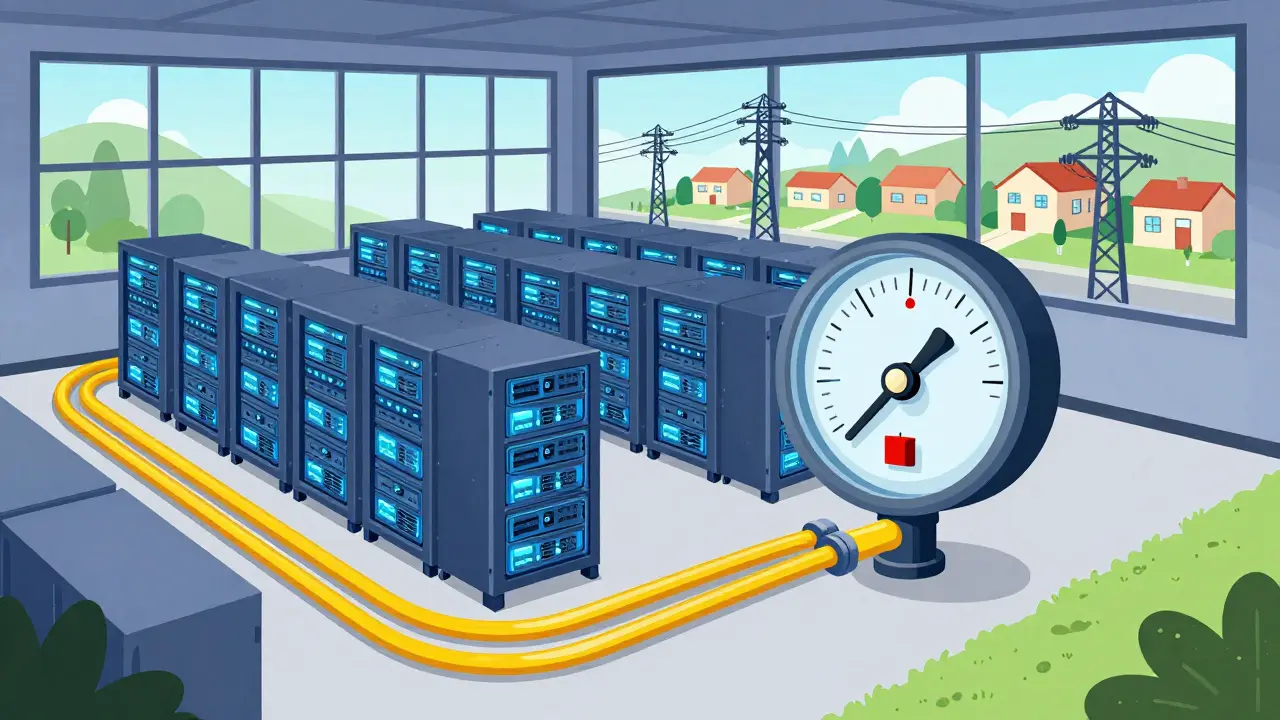
The core of the restriction lies in how miners purchase power. The government does not allow direct buying agreements between mining farms and utility companies anymore. Instead, all energy transactions go through the Ministry of Energy operates the central state-run marketplace distributing electricity to licensed industrial consumers. This centralization allows officials to monitor consumption in real-time and prevent grid overload during peak hours.
- Maximum Purchase Cap: Mining farms are limited to purchasing a maximum of 1 megawatt-hour (MWh) per transaction.
- State Control: Private negotiation with utilities is prohibited; all trades happen via the state platform.
- Licensing Requirement: Only holders of official government licenses can access this marketplace.
This 1 MWh limit might sound small to large-scale operations. For a massive farm consuming hundreds of MWh daily, operators must place multiple orders continuously. This bureaucratic hurdle adds significant administrative overhead compared to jurisdictions with deregulated markets. Yet, it effectively prevents any single operator from consuming enough power to destabilize local substations.
AIFC Asset Sales and Mandatory Liquidation
Beyond power access, the government mandates what happens to the mined coins. This is where the Astana International Financial Centre (AIFC) serves the primary regulated exchange platform for crypto-to-fiat transactions within the region becomes relevant. In 2025, the rules tightened significantly regarding profit repatriation. Legal mining operators must sell 75% of their generated cryptocurrency assets on AIFC platforms. This figure jumped from just 50% in the previous year.
Why the increase? The goal is to bring capital flows under regulatory supervision and reduce off-book transactions that complicate taxation. For miners, this reduces autonomy. You cannot hold onto your entire harvest or trade it privately without risking your license status. The requirement ensures the state gets visibility on the actual revenue generation of the sector. It also helps stabilize the local currency by converting speculative digital assets into fiat currency through a transparent financial zone.
| Metric | Requirement |
|---|---|
| Transaction Limit | 1 MWh per order |
| Tax Rate | 15% on mining profits |
| Asset Sale Mandate | 75% on AIFC platforms |
| License Count | 84 active mining licenses |
| Registered Equipment | 415,000 units tracked |
The Shadow Economy and Enforcement Risks
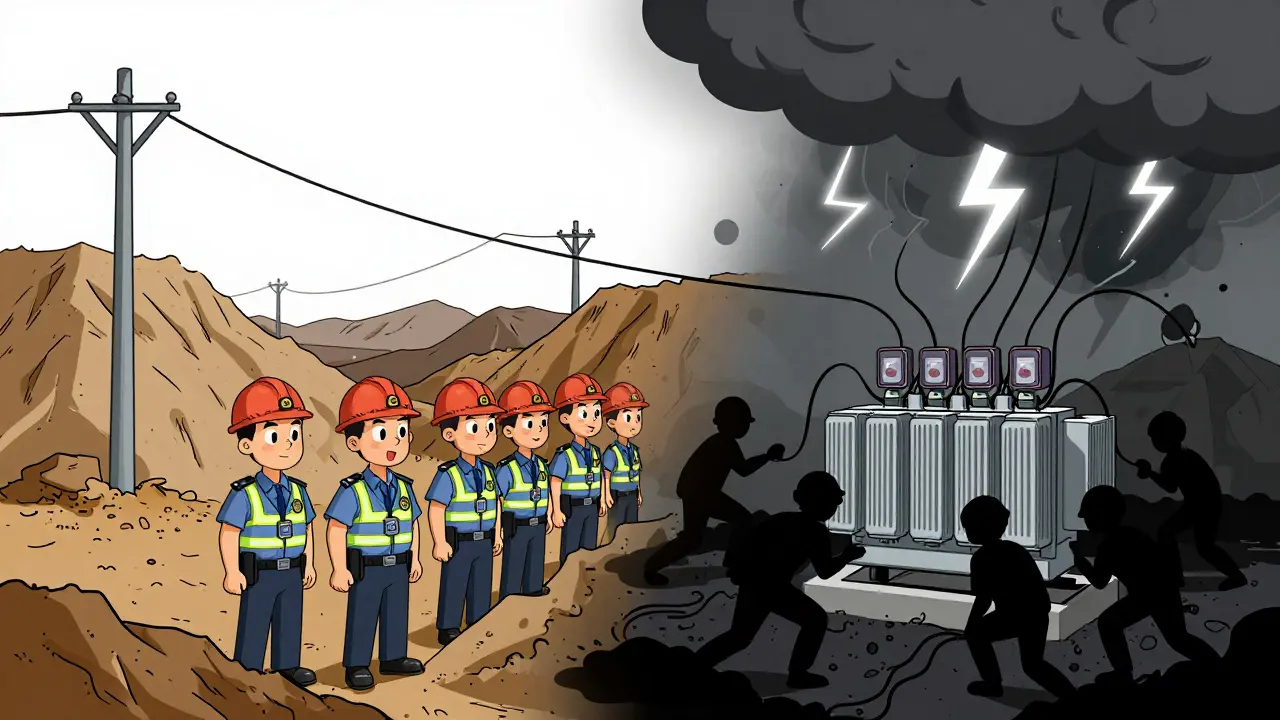
Despite strict rules, illegal activity remains a massive challenge. The enforcement gap often widens when corruption enters the mix. A devastating example occurred in October 2025, involving a massive operation in East Kazakhstan Oblast. Authorities uncovered a scheme where utility insiders stole power intended for hospitals and schools. This Illegal Mining Network involved unlicensed operators utilizing stolen electricity bypassing state meters and safety protocols consumed over 50 MWh worth roughly $16.5 million before detection.
The scale was shocking because it didn't just involve greedy individuals. Corrupt employees actively diverted resources from social facilities. Investigators found the network funded luxury apartments and vehicles with stolen proceeds. When the National Security Committee (KNB) dismantled this group, they seized assets, proving the state tracks these cases seriously. However, until the next raid, these black-market mines operate unchecked, creating an uneven playing field for compliant businesses who pay taxes and adhere to purchase limits.

Taxation and Economic Viability
Profitability hinges on more than just cheap power. Under the current regime, mining operations face a flat 15% tax rate on profits. Combined with the cost of navigating the bureaucracy, compliance represents a heavy operational burden. Medium-sized firms estimate compliance costs consume 10-15% of total expenses. This includes hiring specialized accountants to manage quarterly reports and legal teams to interface with the Ministry of Energy.
The tax logic suggests the government sees crypto as a legitimate industry worthy of formal contribution rather than an untouchable shadow sector. By registering machinery-currently 415,000 units tracked-the state ensures every machine pays its share. For small miners, however, the 75% sell-through rule combined with administrative delays at the state helpdesk can kill margins. The barrier to entry rises, favoring larger, well-capitalized entities capable of absorbing these inefficiencies.
Grid Stability and the 70/30 Proposal
Looking ahead, the conversation has shifted toward infrastructure upgrades. Current policies prioritize essential services over mining. This led to the proposal of a "70/30 energy programme." Under this model, foreign investors would fund thermal power plant modernizations. In return, 70% of the newly generated capacity goes strictly to the national grid for civilian use. Only 30% is reserved for crypto mining allocations.
This approach directly addresses the primary complaint from residential districts experiencing rolling blackouts. It offers a pathway for miners to expand legally without competing against hospitals or residential blocks for power. Energy Minister officials view this as sustainable growth. While attractive, it requires upfront capital investment from external partners. Until that funding materializes, the strict 1 MWh caps remain the primary tool for load balancing the existing grid infrastructure.
Compliance Strategy for Operators
Surviving in this environment requires proactive management. Do not rely on informal relationships; the state registry is the ultimate authority. To set up or maintain a legal operation, you must secure one of the available 84 licenses and register your equipment in the central database. Regularly submit quarterly reports detailing your sales on AIFC platforms. Missing these filings triggers audits immediately.
Also, keep your metering data clean. The state monitors usage patterns closely to spot anomalies indicating theft. If your consumption spikes suddenly after a scheduled maintenance window, automated alerts flag your facility. Legitimate farms accept the 1 MWh constraints as part of the cost of doing business in a jurisdiction with abundant renewable potential. Those who ignore the system risk losing access to the grid entirely, as shown by the confiscations following the East Kazakhstan raids.
Frequently Asked Questions
What is the maximum amount of electricity a miner can buy at once?
Under the 2026 regulations, mining farms are capped at purchasing a maximum of 1 MWh per transaction through the Ministry of Energy's platform.
Do I have to sell my mined cryptocurrency immediately?
Yes, licensed miners must sell 75% of their assets on Astana International Financial Centre (AIFC) platforms. This replaced the previous 50% requirement.
How does the government track illegal mining operations?
Enforcement involves monitoring grid loads, investigating discrepancies in utility sales, and collaborating with the National Security Committee (KNB) to trace stolen power usage.
Is there a tax on crypto mining profits in Kazakhstan?
There is a fixed 15% tax rate applied to profits generated from mining activities within the registered framework.
Will future energy programs change the rationing limits?
The proposed 70/30 programme could eventually allocate 30% of new thermal capacity specifically for mining, but current strict caps remain in effect until infrastructure upgrades occur.
As we move further into 2026, the balance sheets for miners in this region depend heavily on adapting to these rigid structures. The days of wildcat mining are gone, replaced by a system demanding full transparency. While the restrictions feel burdensome, they are designed to protect the national grid from collapse and integrate the sector into the formal economy.

17 Comments
The state marketplace model effectively neutralizes private utility deals which was always the main vector for corruption. Miners who want legal status just have to accept the 1 MWh cap regardless of their hash rate scale. The Ministry of Energy platform ensures everyone gets tracked equally without backroom negotiations.
I love seeing the government actually enforce transparency like this! : ) It feels like a huge step forward for sustainability in the sector. The 15% tax is totally worth it for the grid protection we get.
You guys are missing the obvious angle here regarding corporate exploitation. This policy favors big players who can afford accountants over actual grassroots miners. The bureaucracy is designed to filter out the honest people.
Looks like compliance costs are high indeed.
Stop pretending this helps anyone but the elites controlling the ministry. The stolen power scandals show the whole system is rigged against real operators. They just want a slice of the pie before raiding you.
I mean when you look deeper into the infrastructure strain issues you realize why they had to implement such strict measures early on. The grid wasn’t built for this level of compute load back in 2021. Rolling blackouts became a nightly occurrence during winter peaks. Residents lost heat while farms ran machines non-stop without consequences. That dynamic obviously needed to shift to prevent social unrest. The 70/30 proposal makes sense once you consider hospital power needs. You cannot prioritize digital wealth over medical equipment uptime in my view. It takes a lot of political capital to shut down illegal networks too. Corrupt insiders were stealing millions worth of kilowatt-hours from schools. Those assets went into luxury cars rather than public utilities. Tracking 415,000 units is a massive administrative task for the registry team. Every machine registered pays its share of the national tax revenue now. Small firms suffer but large corporations absorb the compliance overhead better. It creates an uneven playing field that pushes smaller teams overseas eventually. Yet the state keeps trying to balance economic opportunity against grid collapse risks. Maybe this centralized control prevents a total blackout scenario again soon. We will see if the thermal plant upgrades arrive on schedule next year. Until then everyone works within the 1 Mwh limits per order. The system forces you to buy energy in smaller chunks constantly. It slows down operations but guarantees you stay legally connected.
The regulatory framework presented here appears quite comprehensive compared to previous years. Transaction limits of 1 MWh seem restrictive yet necessary for grid stabilization efforts. Financial oversight via AIFC platforms reduces shadow economy risks significantly.
It hurts so much knowing how hard miners worked before these rules came out. Everyone thought they owned their own destiny until the government stepped in with red tape. Now profits vanish into AIFC sales mandates and taxes drain your wallet dry. It feels like they just want to punish success stories for existing at all.
Crypto farms are like weeds in a garden that grew too tall and blocked the sun for the flowers. Cutting them back allows the grass and wildflowers to breathe again under the Kazakhstani sky. Electricity flows to hospitals instead of servers humming in dark basements. Nature balances itself when humans stop taking too much.
i think the new rules rly help safety alott! :) the gov knows what its doin even if accounting is tough. lets hope the 70/30 plan works out gud for evryone soon!
typical socialist nonsense ruining free enterprise. no punks should tell us how to use power we earn. they stole our freedom with those 75% sell mandates. america would never allow this kind of tyranny. dont let them win.
It’s great to see investors stepping up to fund the thermal plants for modernization. This partnership seems vital for keeping the lights on for both residents and miners alike. Supportive policies like the 70/30 split encourage long term growth. We just need to make sure the licensing process remains clear for new applicants.
Absolutely agree with your optimism there buddy! Cooperation between foreign partners and local grids is the future. Keep your metering clean though so you don't trigger those automated alerts.
This entire scheme smells like a trap to seize assets eventually. Why do they need 84 licenses when thousands of machines are tracked underground? The KNB raids are just selective enforcement for grifters. Trust no one when they demand 75% liquidation through state channels. Hidden agendas always exist behind these nice sounding green energy programs.
Perhaps we should focus on the positive aspects of grid stability rather than assuming malintent everywhere. The risk of blackouts affecting civilians is a genuine threat that needs addressing carefully. Balance is always difficult but necessary for sustainable development.
Integrating crypto mining into the formal economy was unavoidable given the global nature of blockchain technology. The Astana International Financial Centre provides a crucial bridge for capital repatriation compliance. Cultural ambassadors should support transparent financial zones to attract ethical investment.
The ASIC efficiency metrics suggest higher breakeven points under the new tax structure. Latency in API submissions to the state marketplace causes significant hashrate fluctuation during peak windows. Operators need robust internal monitoring systems to align with the mandated AIFC sell-through rates before getting audited.