- 16 May 2026
- Elara Crowthorne
- 0
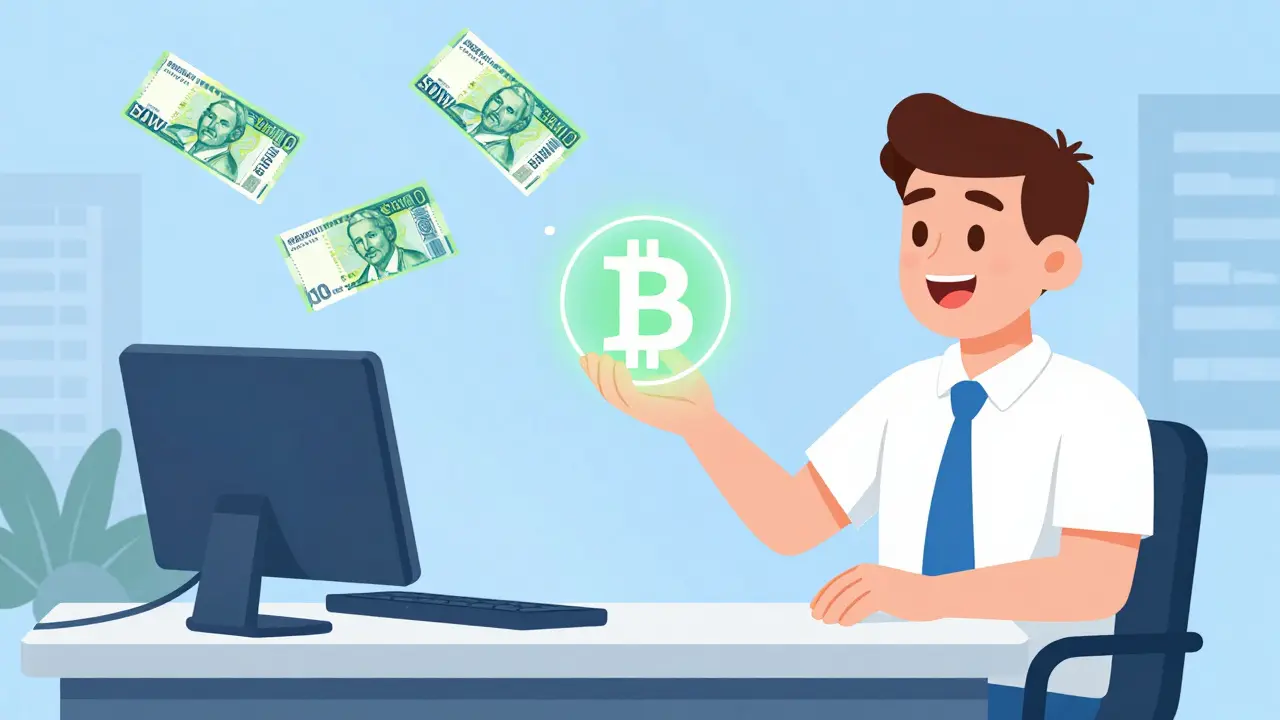
Buying cryptocurrency with the New Israeli Shekel (NIS) used to be a headache. You had to use sketchy peer-to-peer platforms or pay massive fees on international exchanges that didn’t support local bank transfers. That changed when Bit2C launched in 2013 as Israel’s first homegrown crypto exchange. Nearly a decade later, it remains the go-to platform for many residents who want a straightforward, regulated way to convert their shekels into digital assets. But does it still hold up in 2026? If you are an Israeli resident looking to dip your toes into Bitcoin or Ethereum, this review will tell you exactly what works, what doesn’t, and whether the high withdrawal fees are worth the convenience.
The Core Value Proposition: NIS Integration
The single biggest reason people choose Bit2C is its seamless integration with the Israeli banking system. Unlike global giants like Binance or Coinbase, which often struggle with local regulations or lack direct fiat pairs for the ILS, Bit2C was built specifically for this market. You can deposit funds directly from your Israeli bank account via wire transfer. This simplicity removes the friction of converting dollars to shekels and then to crypto, saving you time and potential currency conversion losses.
However, this localization comes with a trade-off. The platform is heavily restricted to Israeli citizens. If you do not have an Israeli bank account and identification, you cannot effectively use the service. For international users, Bit2C is essentially a dead end. For locals, though, it offers a level of regulatory comfort that offshore exchanges simply cannot match. The exchange operates under financial regulation in Israel, providing a layer of security and accountability that appeals to risk-averse investors.
Crypto Selection and Trading Pairs
When Bit2C first started, it only supported Bitcoin. Today, the selection has expanded significantly, though it still lags behind major global competitors. As of mid-2024, the platform supports at least 12 major cryptocurrencies. Here is what you can trade:
- Bitcoin (BTC): The flagship asset, available in BTC/ILS and BTC/USD pairs.
- Ethereum (ETH): Available in ETH/ILS and ETH/USD pairs.
- Litecoin (LTC): A popular alternative for smaller transactions.
- Ripple (XRP): Often traded for its speed and low cost.
- Cardano (ADA), Stellar (XLM), EOS, Monero (XMR), TRON (TRX), Dash (DASH), Zcash (ZEC), Bitcoin Cash (BCH), and Bitcoin Gold (BTG).
If you are looking for niche altcoins, meme coins, or newer DeFi tokens, you won’t find them here. Bit2C focuses on established, high-cap assets. This conservative approach reduces volatility risk for beginners but limits opportunities for traders seeking high-growth speculative plays. For most average Israelis wanting to store value in Bitcoin or Ethereum, this selection is more than sufficient.
| Feature | Bit2C | Binance / Coinbase |
|---|---|---|
| Fiat Currency Support | NIS (ILS) Only | USD, EUR, GBP, etc. |
| Deposit Method | Israeli Bank Wire Transfer | Credit Card, Bank Transfer, Crypto |
| Crypto Selection | ~12 Major Coins | 300+ Coins |
| Regulation | Israeli Financial Regulation | Varies by Jurisdiction |
| Mobile App | No (Web-only) | Yes (iOS/Android) |
Fees: The Hidden Cost of Convenience
Let’s talk about money. Bit2C’s trading fees are relatively competitive, ranging from 0.5% to 0.79% depending on the transaction type. This is in line with many other centralized exchanges. However, the real shock comes when you try to withdraw your funds back to your bank account.
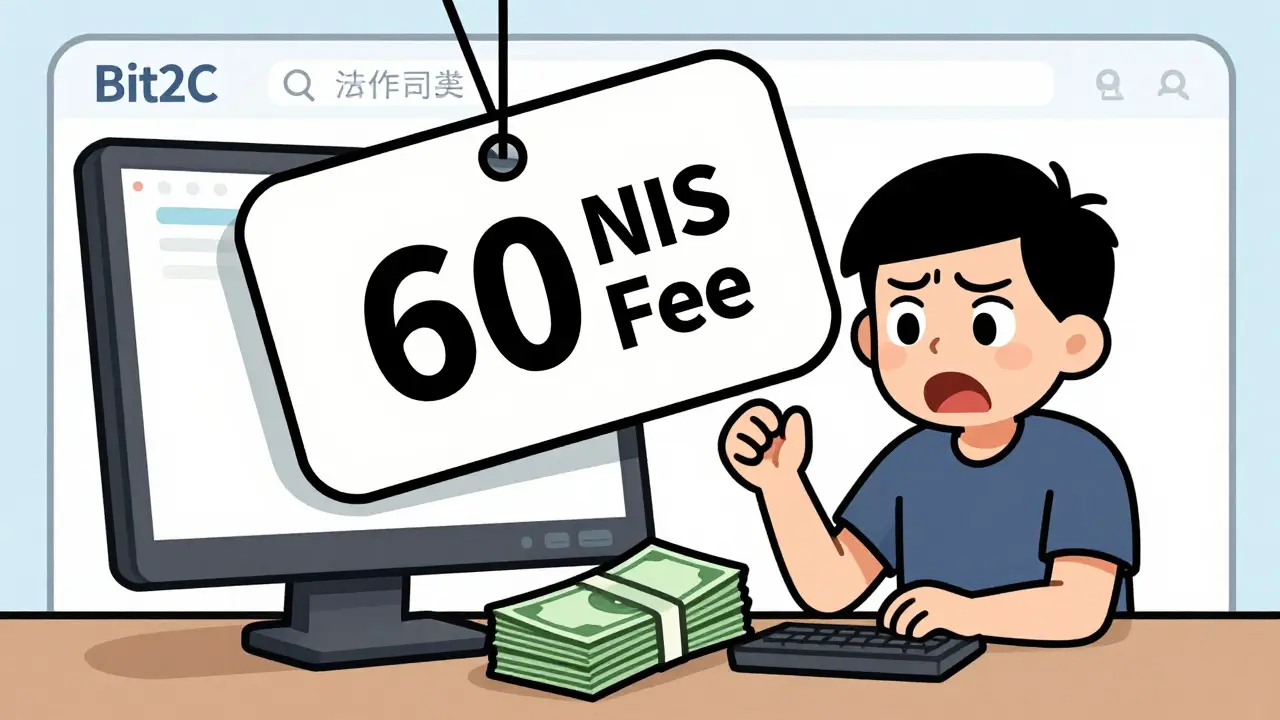
Bit2C charges a flat fee of 60 NIS per bank withdrawal. To put that in perspective, if you withdraw $1,000 worth of crypto, you are losing roughly 6% of your capital just to get the cash out. For small trades, this fee is prohibitive. If you are buying $50 worth of Bitcoin, you might not even bother selling it back because the withdrawal fee would eat up half your principal.
This structure encourages users to keep their funds on the platform or use them for further purchases rather than frequent cash-outs. If you plan to trade actively and move money in and out regularly, Bit2C is expensive. If you are using it as a long-term storage solution where you buy once and sell years later, the fee becomes negligible. Always calculate the total cost of entry and exit before deciding if this exchange fits your strategy.
User Experience and Interface
Bit2C’s interface is intentionally basic. There are no complex charting tools, no technical analysis indicators, and no advanced order types like stop-losses or limit orders with precision decimals. The platform features a simple order book and a clean layout that prioritizes ease of use over functionality.
For beginners, this is a blessing. You don’t need to watch hours of tutorials to figure out how to place a buy order. You log in, see the current price, enter the amount of NIS you want to spend, and click buy. It’s as close to a retail shopping experience as crypto gets. However, experienced traders will find this limiting. If you rely on candlestick charts, moving averages, or volume analysis, you will likely feel frustrated. You may need to use external tools like TradingView to analyze the market and then execute trades on Bit2C, adding an extra step to your workflow.
Another notable omission is the lack of a dedicated mobile application. While the website is mobile-optimized and works reasonably well on smartphones, you miss out on the push notifications, biometric login, and streamlined UX that native apps provide. In 2026, not having a mobile app is a significant disadvantage for user retention, especially among younger demographics who prefer managing their finances on the go.
Security and Safety
Security is paramount in crypto, and Bit2C takes it seriously. The platform uses SSL encryption to protect data in transit and holds Norton Secured certification, which provides an additional layer of trust for users wary of phishing attacks. Two-factor authentication (2FA) via Google Authenticator is mandatory, adding a critical barrier against unauthorized access.
Bit2C claims to store the majority of user funds in cold storage-offline wallets disconnected from the internet. This is industry standard practice and significantly reduces the risk of hacking. However, the exchange explicitly states that user funds are not insured. Unlike some US-based exchanges that offer partial insurance coverage for digital assets, Bit2C does not guarantee compensation in the event of a catastrophic failure or theft. This means you bear the full risk. While the track record since 2013 has been clean, always remember that no exchange is immune to risk. Never store more than you can afford to lose on any centralized platform.
Customer Support and Accessibility
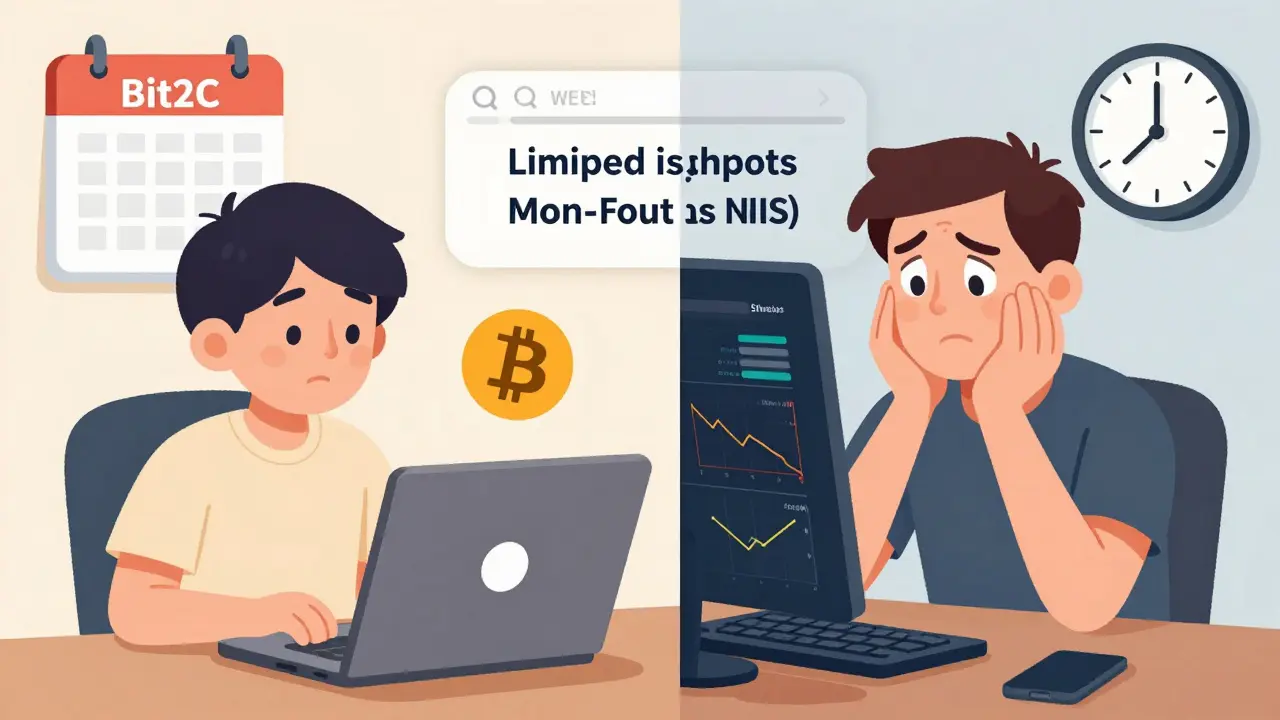
Support at Bit2C is generally rated as responsive, but it has strict limitations. Telephone support is available only during business hours: Monday through Thursday, from 9:00 AM to 3:00 PM local Israeli time. There is no weekend support, and Friday support is limited due to the Shabbat observance. If you encounter an issue late on a Thursday night or during the weekend, you will have to wait until Monday morning.
For those outside these hours, support is handled via email tickets, fax, and a comprehensive FAQ section. While the lack of live chat is a drawback, the quality of responses during operational hours is often praised by users. The support team seems knowledgeable about local banking issues, which is a huge plus when dealing with delayed wire transfers-a common pain point in Israeli banking.
Who Should Use Bit2C?
Bit2C is not for everyone. It is a specialized tool designed for a specific audience. Here is how to decide if it’s right for you:
- Use Bit2C if: You are an Israeli resident, you want to buy/sell Bitcoin or Ethereum with NIS, you prioritize regulatory compliance and local banking integration, and you are a beginner or intermediate trader who doesn’t need advanced charting tools.
- Avoid Bit2C if: You are outside Israel, you trade frequently and need low withdrawal fees, you require a wide selection of altcoins, you need 24/7 customer support, or you are an advanced trader relying on technical analysis and API access.
In summary, Bit2C fills a vital niche in the Israeli crypto ecosystem. It may not be the cheapest or the most feature-rich option, but it offers unparalleled convenience for local residents. Just be mindful of the withdrawal fees and the limited support hours. For many Israelis, it remains the most trusted and accessible gateway into the world of cryptocurrency.
Is Bit2C safe for storing large amounts of crypto?
Bit2C employs strong security measures like SSL encryption, 2FA, and cold storage. However, they explicitly state that user funds are not insured. For large holdings, it is generally recommended to use a hardware wallet (like Ledger or Trezor) for long-term storage rather than leaving significant amounts on any exchange, including Bit2C.
Can I use Bit2C if I live outside Israel?
Practically, no. Bit2C requires verification with Israeli identification and an Israeli bank account for deposits and withdrawals. The platform is designed exclusively for Israeli residents and does not support international banking options.
Why is the withdrawal fee so high (60 NIS)?
The 60 NIS fee covers the cost of processing wire transfers through the Israeli banking system. While it seems high compared to crypto-to-crypto transfers, it reflects the fixed costs associated with traditional fiat banking in Israel. This fee structure discourages frequent small withdrawals.
Does Bit2C have a mobile app?
No, Bit2C does not have a dedicated iOS or Android app. Users must access the platform via a web browser. The website is mobile-responsive, meaning it works on phones, but you miss out on app-specific features like push notifications and biometric login.
What cryptocurrencies can I buy on Bit2C?
As of 2024/2026, Bit2C supports Bitcoin (BTC), Ethereum (ETH), Litecoin (LTC), Ripple (XRP), Cardano (ADA), Stellar (XLM), EOS, Monero (XMR), TRON (TRX), Dash (DASH), Zcash (ZEC), Bitcoin Cash (BCH), and Bitcoin Gold (BTG). They focus on major, established coins rather than niche altcoins.
