
- 22 Jun 2026
- Elara Crowthorne
- 0
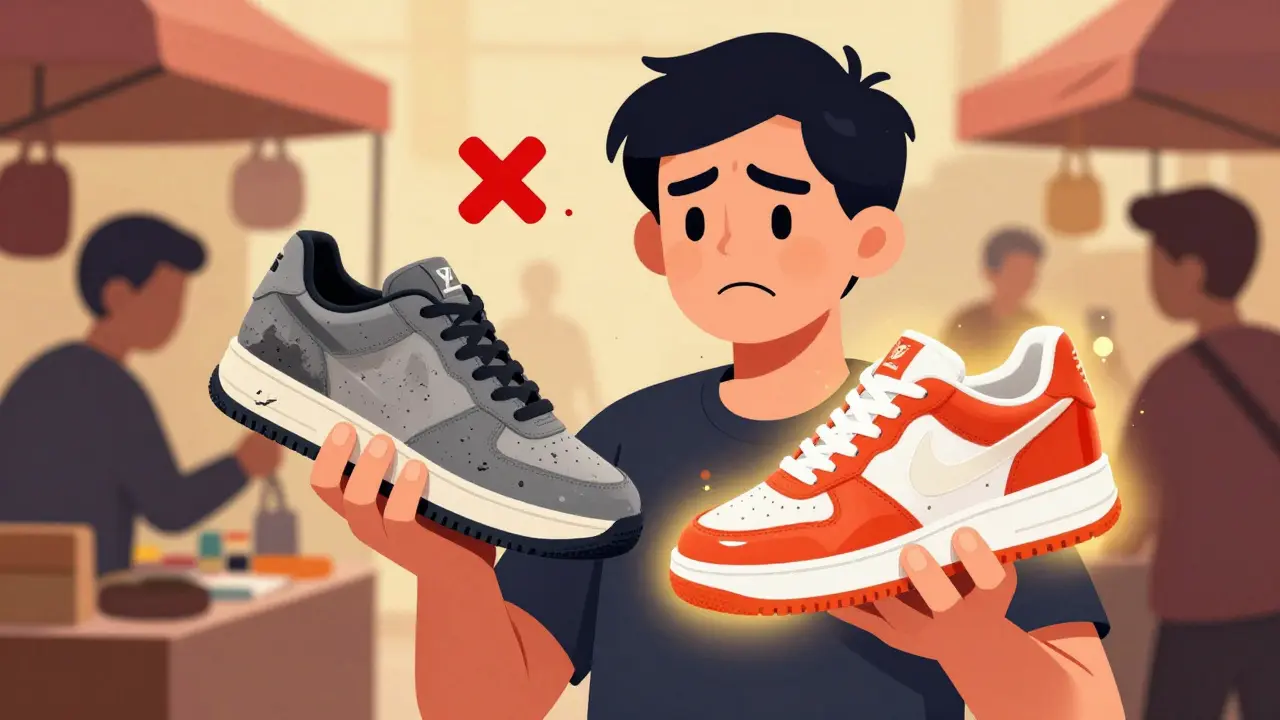
Imagine buying a limited-edition sneaker or a bottle of rare wine, only to find out later it’s a fake. It’s not just about losing money; it’s about the frustration and the breach of trust. The global market for counterfeit goods is staggering, valued at over $1.82 trillion. That number isn’t just abstract-it represents real losses for brands and real risks for consumers. Enter Non-Fungible Tokens (NFTs). While many people still associate NFTs with digital art sold online, their most practical application might be right in your closet or cellar. NFTs are revolutionizing how we track product authenticity, turning every physical item into a verifiable asset.
What Is an NFT in the Context of Physical Goods?
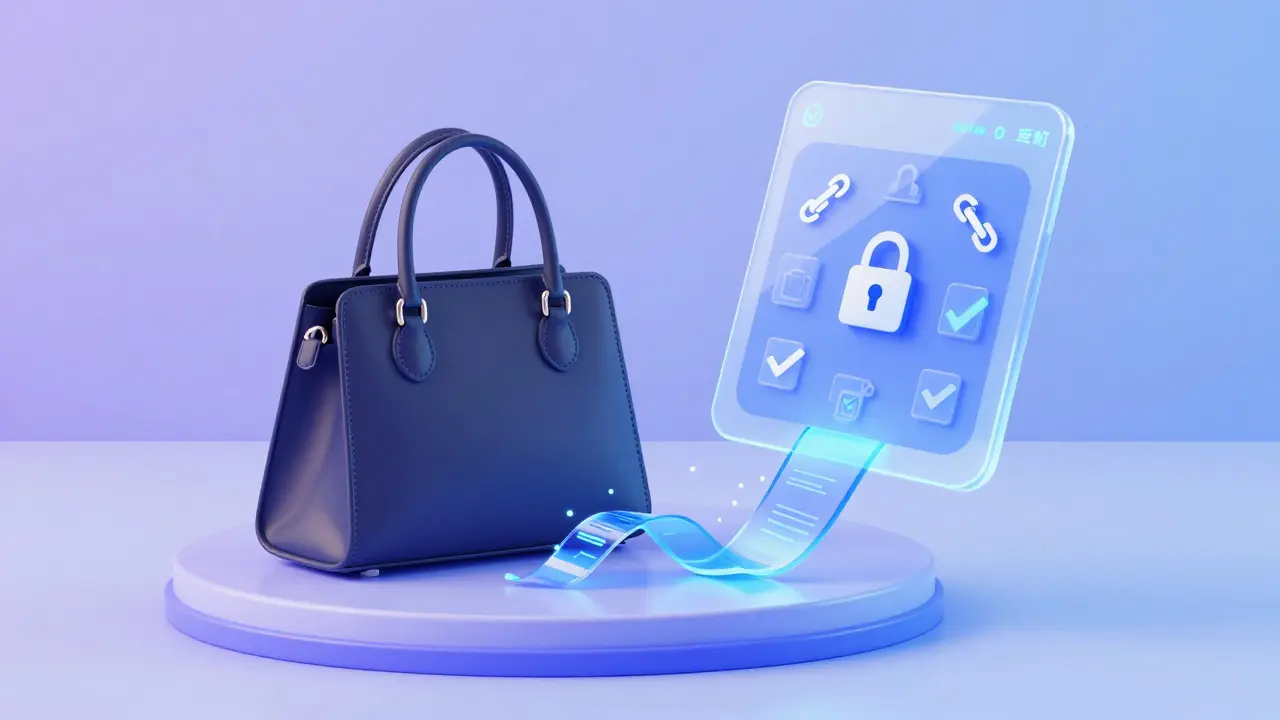
To understand how this works, we first need to strip away the hype. An NFT is essentially a unique digital certificate stored on a blockchain. Unlike Bitcoin, which is fungible (one coin equals another), an NFT is non-fungible-meaning it is one-of-a-kind and cannot be exchanged equally with anything else. When applied to physical products, the NFT acts as a "digital twin" or a digital passport for the item.
This digital passport lives on a decentralized ledger, meaning no single company controls it, and once data is written there, it cannot be altered or deleted. This immutability is the key. If you buy a handbag, the NFT attached to it contains its origin story: who made it, when it was made, where the materials came from, and every time it changed hands. Because this record is tamper-proof, if someone tries to sell a fake bag, they can’t replicate that specific blockchain entry. The physical item and its digital soul are linked forever.
The Problem with Traditional Authentication
Before NFTs, brands relied on holographic stickers, serial numbers, and paper certificates. These methods have serious flaws. Holograms can be copied by sophisticated counterfeiters. Paper certificates can be lost, forged, or separated from the product. Serial numbers can be scraped off and transferred to fake items. There is no central, unchangeable truth.
Consider the luxury watch industry. For decades, buyers relied on brand reputation and expert appraisal to verify authenticity. But even experts make mistakes. With blockchain-based authentication, the verification process shifts from subjective opinion to objective data. You don’t need to trust a dealer’s word; you trust the code. This shift reduces the administrative burden on supply chain professionals and gives consumers peace of mind.
How the Technology Works: Connecting Physical to Digital
So, how do you link a physical shoe to a digital token? It’s not magic; it’s a combination of hardware and software. Here is the typical workflow:
- Token Creation: The manufacturer creates a unique NFT on a blockchain platform. This token includes metadata like manufacturing date, batch number, and material sources.
- Physical Linking: A unique identifier is embedded in or attached to the product. This could be a QR code, an RFID tag, or even a microchip sewn into the fabric. This identifier points directly to the NFT.
- Supply Chain Tracking: As the product moves from factory to warehouse to retailer, each transfer is recorded on the blockchain. This creates an immutable history of ownership and location.
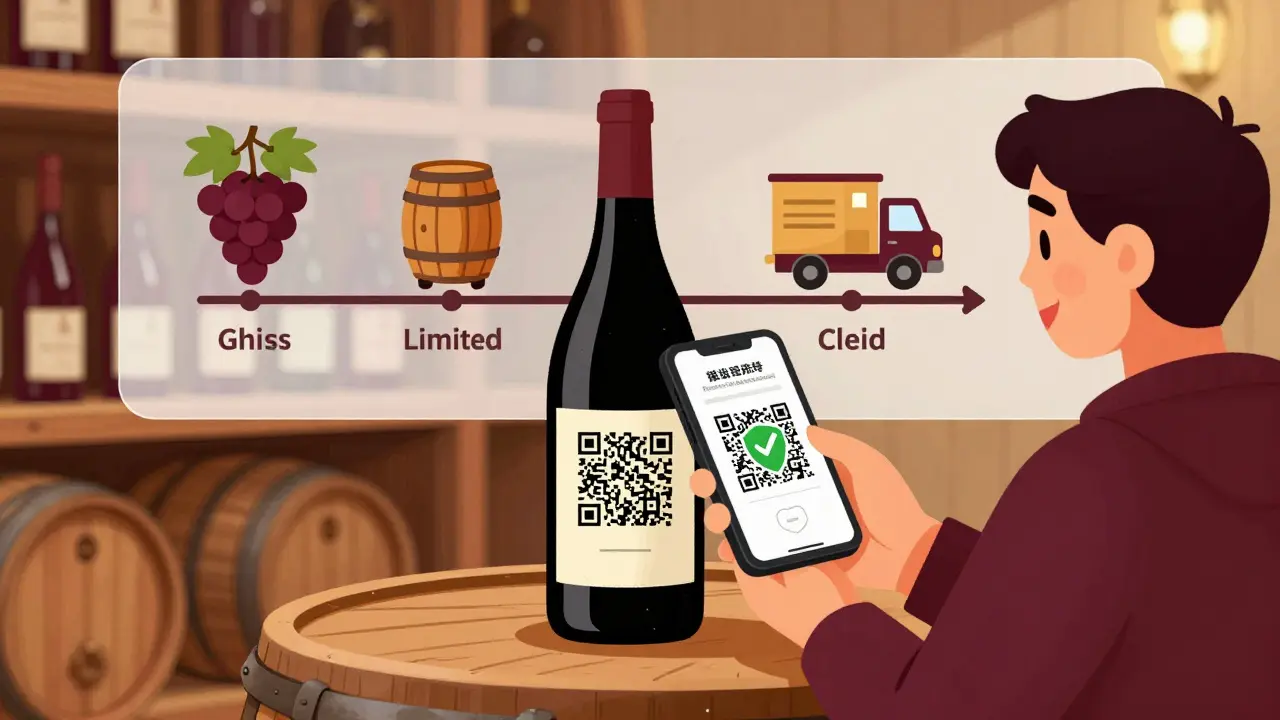
- Consumer Verification: When you buy the item, you scan the QR code or tap the RFID tag with your smartphone. The app checks the blockchain. If the NFT matches the item and hasn’t been flagged as stolen or duplicated, you know it’s genuine.
This process creates what experts call phygital assets-a blend of physical and digital. The value lies in the seamless interaction between the two. Swiss companies, for example, have already demonstrated systems where smartphone sensors communicate with embedded chips to provide real-time authenticity confirmation. It’s fast, easy, and requires no special knowledge beyond having a phone.
Real-World Success Stories
Theory is one thing; practice is another. Several industries have already seen success with this technology. The wine industry is a prime example. Limited-edition bottles are now sold with associated NFTs. In one notable case, a barrel of rare wine sold for $130,000 in just 12 seconds, partly because the NFT provided undeniable proof of provenance. Buyers knew exactly where the grapes were grown, who made the wine, and how it was stored.
Luxury fashion brands are also adopting this approach. High-end handbags and sneakers come with digital passports that track their journey from design to delivery. This not only prevents counterfeiting but also adds value for collectors. If you want to resell a vintage jacket, the NFT proves its entire history, making it more desirable and valuable. Consumer feedback indicates that this transparency builds deeper trust. People feel confident knowing they aren’t supporting illegal operations or falling for scams.
Challenges and Limitations
Despite the benefits, NFT authentication isn’t a silver bullet. There are hurdles to overcome. First, integration complexity is high. Brands need to partner with specialized blockchain development agencies to set up secure systems. This requires technical expertise that many traditional manufacturers lack. Second, consumer education is critical. If customers don’t understand how to verify the NFT, the system fails. Retailers must provide clear instructions and user-friendly interfaces.
There’s also the issue of cost. Implementing blockchain infrastructure and embedding smart tags into every product can be expensive. For low-cost items, like cheap t-shirts, the cost of authentication might exceed the product’s value. Therefore, this technology is currently best suited for high-value goods where the premium for authenticity justifies the investment. Additionally, reliance on blockchain infrastructure means that if the network goes down or faces security breaches, the verification process could be disrupted, though this is rare due to the decentralized nature of blockchains.
| Feature | Traditional Methods | NFT-Based Systems |
|---|---|---|
| Tamper Resistance | Low (can be forged) | High (immutable blockchain) |
| Traceability | Limited (paper trails) | Full lifecycle tracking |
| Verification Speed | Slow (expert appraisal) | Instant (smartphone scan) |
| Cost of Implementation | Low to Medium | High (initial setup) |
| Resale Value Impact | Minimal | Significant (proven history) |
The Future of Product Authenticity
As blockchain technology matures, we can expect these systems to become more widespread. Industry analysts predict universal adoption across sectors including automobiles, real estate, and even government documents. The goal is a world where every significant purchase comes with a digitally certified history. This will reduce administrative responsibilities for supply chain leaders and create a culture of verifiability in modern commerce.
We are also seeing the rise of dynamic NFTs, which can update based on external data. Imagine a jacket whose NFT updates to show repair history or cleaning records, adding even more value over time. As costs decrease and tools simplify, even mid-range brands may adopt this technology. The journey toward universally digitally certified authenticity has just begun, but the direction is clear.
Getting Started for Businesses
If you’re a brand owner considering this technology, start small. Partner with a reputable blockchain platform provider to test the concept on a limited product line. Focus on high-margin items where authenticity is a major selling point. Invest in user education-create simple guides and videos showing customers how to verify their purchases. Remember, the technology is only as good as the user experience. Make it easy, and your customers will appreciate the extra layer of security.
Are NFTs safe for storing product information?
Yes, NFTs are highly secure because they are stored on decentralized blockchains. Once data is recorded, it cannot be altered or deleted without consensus from the network. This makes them far safer than centralized databases that can be hacked or manipulated.
Do I need crypto to use an NFT-authenticated product?
Not necessarily. While the underlying technology uses blockchain, many consumer-facing apps allow verification via simple QR codes without requiring users to hold cryptocurrency or manage complex wallets. The focus is on ease of use.
Can counterfeiters fake the QR code on an NFT product?
They can copy the visual appearance of a QR code, but they cannot replicate the unique blockchain entry it points to. When scanned, a fake QR code will either lead to a non-existent NFT or one that doesn’t match the product’s specific serial number and history.
Is this technology only for luxury brands?
Currently, it is most common in luxury and high-value sectors due to implementation costs. However, as technology becomes cheaper and more scalable, it is expected to spread to mid-range goods and eventually everyday items.
What happens if I lose my physical product?
The NFT remains on the blockchain, recording the last known owner and status. If the item is reported stolen, the NFT can be flagged, preventing unauthorized resale. This helps recover value and deters theft.
