- 31 May 2026
- Elara Crowthorne
- 0
Buying cryptocurrency with Russian rubles (RUB) feels different today than it did just a few years ago. If you are trying to move money from your Sberbank or T-Bank account into Bitcoin or USDT, you will quickly notice that the old methods-like simple credit card purchases on global exchanges-are mostly gone. Sanctions and local banking restrictions have forced the market to adapt. Now, most people rely on Peer-to-Peer (P2P) platforms or specialized local services.
This is not about hiding; it is about navigating the current reality. As of late 2025 and moving into 2026, the Central Bank of Russia has tightened oversight, requiring strict Know Your Customer (KYC) checks for fiat transactions. However, the system still works, and millions of Russians use it daily. The key is knowing which platform fits your needs, understanding the "color-coded" bank systems used by traders, and avoiding common scams.
Why P2P Trading Is the Standard in Russia
You might wonder why you cannot just click "Buy" with a MIR card like you could in Europe. Direct integration between international crypto exchanges and Russian banks was cut off following geopolitical shifts in 2022. While some local platforms exist, they often lack liquidity or charge high fees. This created a vacuum that Peer-to-Peer (P2P) trading filled perfectly.
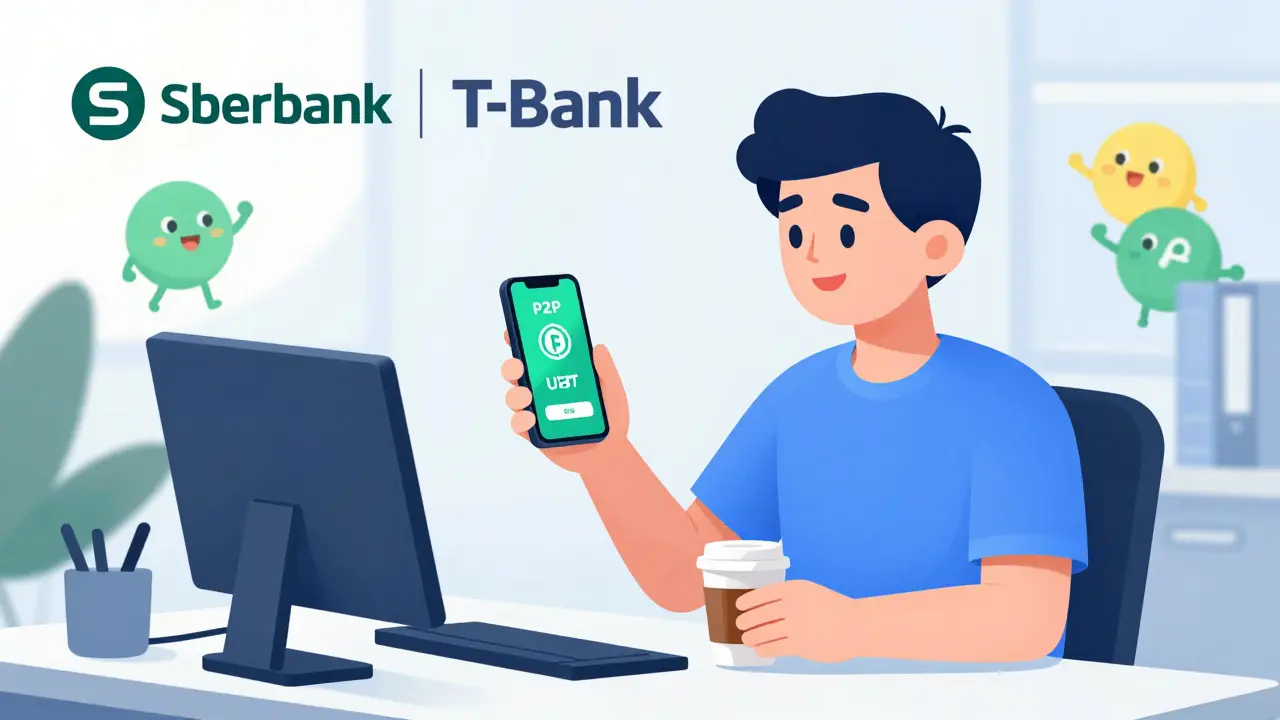
In a P2P transaction, you do not buy crypto from the exchange itself. You buy it from another person. The exchange acts as an escrow service. You send rubles to the seller's bank account, and once the seller confirms receipt, the exchange releases the cryptocurrency to your wallet. This method bypasses direct banking blocks because the money moves between private individuals, not through sanctioned corporate channels.
The volume speaks for itself. According to data from early 2026, P2P trading accounts for over 90% of all RUB-to-crypto conversions. Platforms like Bybit is a leading cryptocurrency exchange known for its robust P2P marketplace and high liquidity. dominate this space, processing hundreds of millions of dollars daily. They offer better rates than instant card services and support almost every major Russian bank.
Choosing the Right Platform: Bybit vs. Bitget vs. Local Exchanges
Not all platforms are created equal. Your choice depends on whether you prioritize speed, anonymity, or low fees. Here is how the top contenders stack up in the current landscape.
| Platform | Best For | Average Fee | KYC Required? | Key Feature |
|---|---|---|---|---|
| Bybit | P2P Trading & High Liquidity | 0.1% - 0.5% | Yes (Strict) | Bank color-coding system |
| Bitget | Beginners & Wallet Integration | 0.5% - 1.0% | Yes | User-friendly interface |
| ChangeNOW | Instant Card Swaps (Small Amounts) | 1.5% - 3.9% | No (for small amounts) | No account needed |
| Bitbanker | Local Support & Cash Deposits | 1.8% avg | Yes (Full ID) | Physical offices in Moscow/Dubai |
Bybit remains the go-to for most experienced users due to its massive number of active sellers. Its unique feature is the "bank color coding" system. When you select a payment method, you see icons indicating which banks are accepted. A green icon usually means Sberbank, while yellow often indicates T-Bank (formerly Tinkoff). This helps you avoid sending money to a seller who cannot accept transfers from your specific bank.
Bitget is a strong alternative, especially if you prefer a simpler interface. It integrates well with non-custodial wallets, making it easier to move funds after purchase. However, fees can be slightly higher, and the selection of sellers for certain banks might be thinner than on Bybit.
ChangeNOW is useful if you want to buy a small amount quickly without creating an account. You enter your card details, and the crypto arrives in minutes. But beware: the exchange rate is usually worse, and fees are higher. Use this only for urgent, small transactions under 50,000 RUB.
Bitbanker caters to those who prefer local support. They have physical locations where you can deposit cash or meet for larger deals. This adds a layer of trust but requires full identity verification and compliance with local tax laws.
Step-by-Step: How to Buy USDT via P2P on Bybit
Let’s walk through the most common scenario: buying USDT (Tether) using rubles from a standard bank account. USDT is preferred because it is stable, widely accepted, and easy to convert to other cryptocurrencies later.
- Create and Verify Your Account: Download the Bybit app or visit the website. Sign up and complete KYC verification immediately. You will need your Russian passport and possibly your INN (tax ID number). Verification can take anywhere from 12 hours to 48 hours, so do this before you need to trade.
- Navigate to P2P Trading: Go to the "Buy Crypto" section and select "P2P Trading." Choose "Buy" and then select "USDT."
- Select Payment Method: Choose "RUB" as the currency. Then, select your bank. If you use Sberbank, look for sellers with the green icon. If you use T-Bank, look for yellow. This ensures the seller accepts transfers from your bank.
- Pick a Seller: Do not just pick the lowest price. Look at the seller’s completion rate and number of orders. Only choose sellers with a completion rate above 95% and at least 50 completed trades. Check their recent reviews. Avoid new accounts with no history.
- Place the Order: Enter the amount of rubles you want to spend. The system will show you the estimated amount of USDT you will receive. Click "Buy USDT."
- Make the Payment: The seller’s bank details will appear. Copy them exactly. Go to your banking app and transfer the exact amount. Do not add comments like "crypto" or "USDT" in the payment description. Just leave it blank or write "payment." Taking a screenshot of the successful transfer is crucial.
- Confirm Payment: Return to Bybit and click "Transferred, Notify Seller." Upload the screenshot if requested. Wait for the seller to confirm receipt. Once they do, the USDT is released to your Bybit wallet.
The entire process usually takes 10 to 30 minutes. The most critical step is Step 4: choosing a reliable seller. A bad seller can freeze your funds or claim they never received the money, leading to a dispute.
Safety First: Avoiding Scams and Frozen Accounts
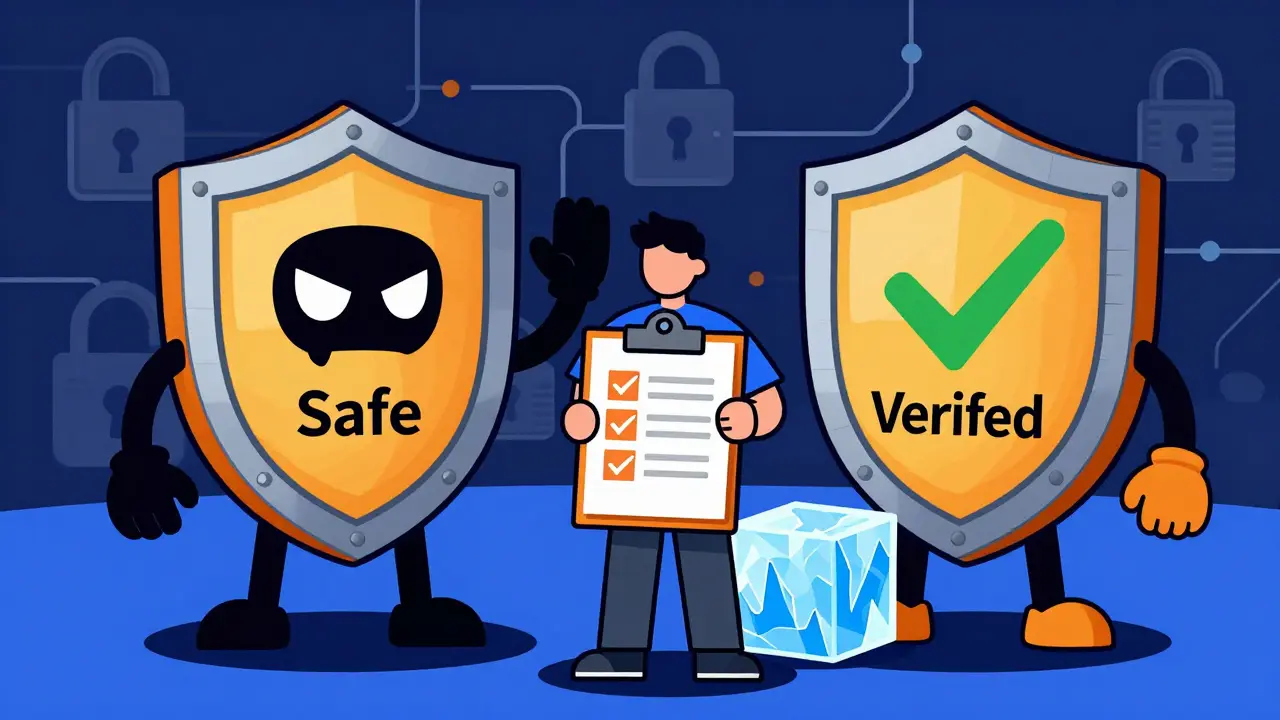
The biggest risk in P2P trading is not losing your crypto to hackers-it is having your bank account frozen due to suspicious activity. This happens when you send money to a seller who is laundering dirty money. If the police trace illicit funds to your account, Sberbank or T-Bank may block your access until the investigation clears you.
To protect yourself, follow these rules strictly:
- Stick to High-Rated Sellers: Never buy from someone with fewer than 50 trades or a completion rate below 95%. These are red flags.
- Use Separate Cards: Consider using a dedicated debit card for crypto transactions, separate from your main salary account. If it gets frozen, your primary finances remain untouched.
- Keep Records: Save every chat log, transaction screenshot, and invoice. In case of a dispute with the exchange or your bank, these documents are your proof of legitimate trade.
- Avoid Third-Party Payments: If a seller asks you to pay a different person’s bank account, cancel the order immediately. Legitimate sellers only provide their own account details.
- Watch Out for Fake Screenshots: Some scammers send fake payment notifications to trick you into releasing crypto early. Always check your actual banking app balance, not just the notification on your phone.
Another common issue is "chargeback fraud." A buyer pays, receives the crypto, and then disputes the transaction with their bank, claiming they were scammed. Since you are the seller in this hypothetical reverse scenario, or even as a buyer dealing with a shady counterparty, always ensure the money is fully cleared in the seller’s account before confirming. On Bybit, the platform holds the crypto in escrow until both parties agree, which minimizes this risk significantly.
Regulatory Landscape: What You Need to Know in 2026
The legal environment for crypto in Russia is evolving. As of 2026, owning cryptocurrency is legal, but using it for domestic payments is restricted. You cannot buy groceries with Bitcoin. However, holding it as an asset or using it for cross-border transactions is permitted.
The Central Bank of Russia has been pushing for stricter monitoring. Federal Law No. 115-FZ requires financial institutions to report large and suspicious transactions. This means exchanges must implement rigorous KYC procedures. You will not find anonymous ways to buy large amounts of crypto anymore. Every user is linked to a real identity.
Taxation is another gray area. While there is no specific law detailing crypto capital gains tax yet, the Federal Tax Service (FTS) expects citizens to declare income from digital assets. Failure to do so can lead to audits. It is wise to keep a record of your purchases and sales. Consult with a local accountant if you are trading significant volumes.
The introduction of the Digital Ruble is also changing the landscape. Launched in phases since 2025, the Digital Ruble is a central bank digital currency (CBDC). It does not replace private cryptocurrencies like Bitcoin or Ethereum, but it offers a state-backed digital payment option. Some analysts predict that future regulations might force crypto exchanges to integrate with the Digital Ruble infrastructure, potentially simplifying fiat on-ramps further.
Alternatives: Instant Swaps and Local Offices
If P2P trading feels too complex or risky, you have other options, though they come with trade-offs.
Instant Swap Services: Platforms like ChangeNOW or FixedFloat allow you to swap RUB for crypto instantly using a bank card. You enter your card details, and the crypto is sent to your wallet. The advantage is speed and simplicity. The disadvantage is cost. Fees can range from 1.5% to 4%, and the exchange rate is often less favorable than P2P. Also, these services may decline transactions from certain banks due to internal risk policies.
Local Exchange Offices: In major cities like Moscow and St. Petersburg, there are physical offices where you can buy crypto with cash or bank transfer. Bitbanker is one such provider. This method offers face-to-face interaction, which can feel safer. However, you must travel to the location, and you still need to pass strict identity checks. This is best for large transactions where you want immediate confirmation and personal support.
Crypto ATMs: Bitcoin ATMs are rare in Russia due to regulatory pressure, but a few still operate in discreet locations. They allow you to insert cash and receive crypto to your mobile wallet. Be cautious: fees are extremely high (often 5-10%), and limits are low. Plus, many require SMS verification, linking the transaction to your phone number.
Next Steps: Managing Your Crypto After Purchase
Once you have bought your crypto, where should you keep it? Leaving it on an exchange like Bybit is convenient but risky. If the exchange faces technical issues or regulatory crackdowns, your funds could be temporarily inaccessible. For long-term storage, consider a hardware wallet like Ledger or Trezor. These devices store your private keys offline, protecting them from online hacks.
If you plan to trade actively, keeping funds on a reputable exchange is acceptable. Just enable two-factor authentication (2FA) using an authenticator app, not SMS, as SIM-swapping attacks are a real threat. Regularly update your password and monitor your account for unusual login attempts.
Remember, the goal is control. Whether you are hedging against inflation, preparing for international travel, or investing for the long term, understanding the mechanics of buying crypto in Russia puts you in the driver’s seat. Stay informed, verify everything, and never rush a transaction.
Is it legal to buy cryptocurrency in Russia in 2026?
Yes, owning cryptocurrency is legal in Russia. However, using it as a means of payment for goods and services within the country is prohibited. You must comply with KYC regulations and report any income derived from crypto activities to the tax authorities.
Which bank is best for P2P crypto trading?
T-Bank (formerly Tinkoff) and Alfa-Bank are generally considered more reliable for P2P transactions due to faster processing times and lower rates of account freezes compared to Sberbank. However, availability depends on the specific sellers on the platform.
What happens if my bank account gets frozen after a P2P trade?
If your account is frozen, contact your bank immediately to understand the reason. Provide all documentation proving the legitimacy of the transaction, including chat logs and invoices from the exchange. In severe cases involving suspected money laundering, you may need to consult a lawyer.
Can I buy Bitcoin directly with a MIR card?
Direct purchases with MIR cards on international exchanges are largely unavailable due to sanctions. You can use instant swap services like ChangeNOW, but success varies by bank. P2P trading is the most reliable method for converting RUB to Bitcoin.
Do I need to pay taxes on crypto profits in Russia?
While specific crypto tax laws are still evolving, the Federal Tax Service expects citizens to declare income from digital assets. It is advisable to keep detailed records of all transactions and consult a tax professional to ensure compliance with current regulations.