- 25 May 2026
- Elara Crowthorne
- 0
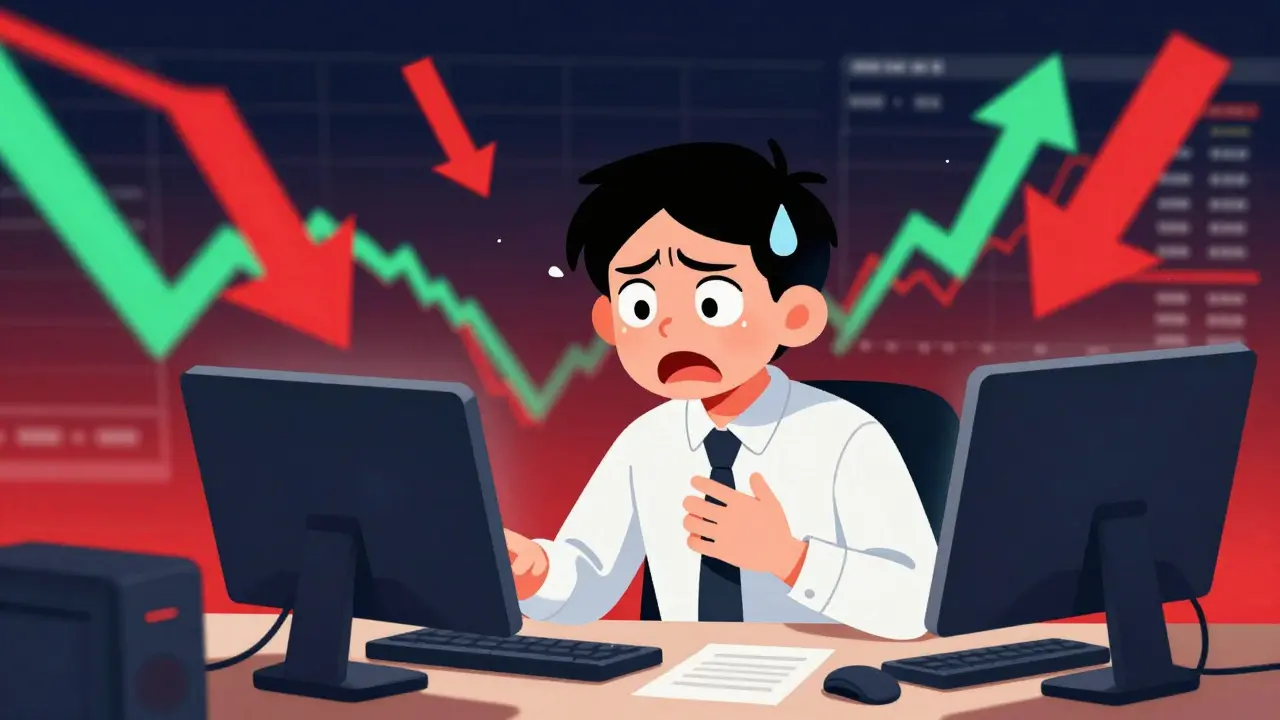
Watching your crypto portfolio drop by 50% or more is terrifying. It triggers a primal fear response that screams at you to sell everything before it hits zero. This panic is exactly why most retail investors lose money in the long run. But what if I told you that doing nothing-literally just holding on-is statistically the most profitable strategy in cryptocurrency history?
This isn't about blind optimism. It's about understanding the mechanics of HODL, which stands for "Hold On for Dear Life." Originating from a famous misspelled post on BitcoinTalk in 2013, this strategy has evolved into a disciplined approach to wealth preservation and growth. In fact, data shows that Bitcoin has delivered over 1,950,000% cumulative returns since 2010, despite suffering through four major bear markets where prices crashed by 80% or more.
If you are currently staring at red charts and wondering whether to cut your losses or dig in, this guide will show you how to structure your portfolio, manage your emotions, and use tools like Dollar-Cost Averaging (DCA) to turn a bear market into your greatest opportunity.
Understanding the Bear Market Reality
Before you can hold, you need to understand what you are holding against. A bear market is defined as a prolonged period, typically lasting around three months or longer, where market confidence is low, prices are falling, and supply overwhelms demand. Since 2013, the average crypto bear market has lasted 287 days with an average maximum drawdown of -83.7%.
The psychological toll is real. Chainalysis data indicates that 47.2% of new investors sold at a loss during the 2018 bear market because they couldn't handle the volatility. The key insight here is that bear markets are not anomalies; they are features of the crypto ecosystem. They act as a stress test, weeding out weak projects and impatient investors while allowing quality assets to consolidate gains for the next cycle.
- Average Duration: ~287 days (approx. 9-10 months)
- Average Drawdown: -83.7% from peak to trough
- Recovery Time: Typically follows within 12-18 months post-trough
- Historical Context: Major bear markets occurred in 2014-2015, 2018-2019, 2022, and 2024
The Core HODL Strategy: Portfolio Allocation
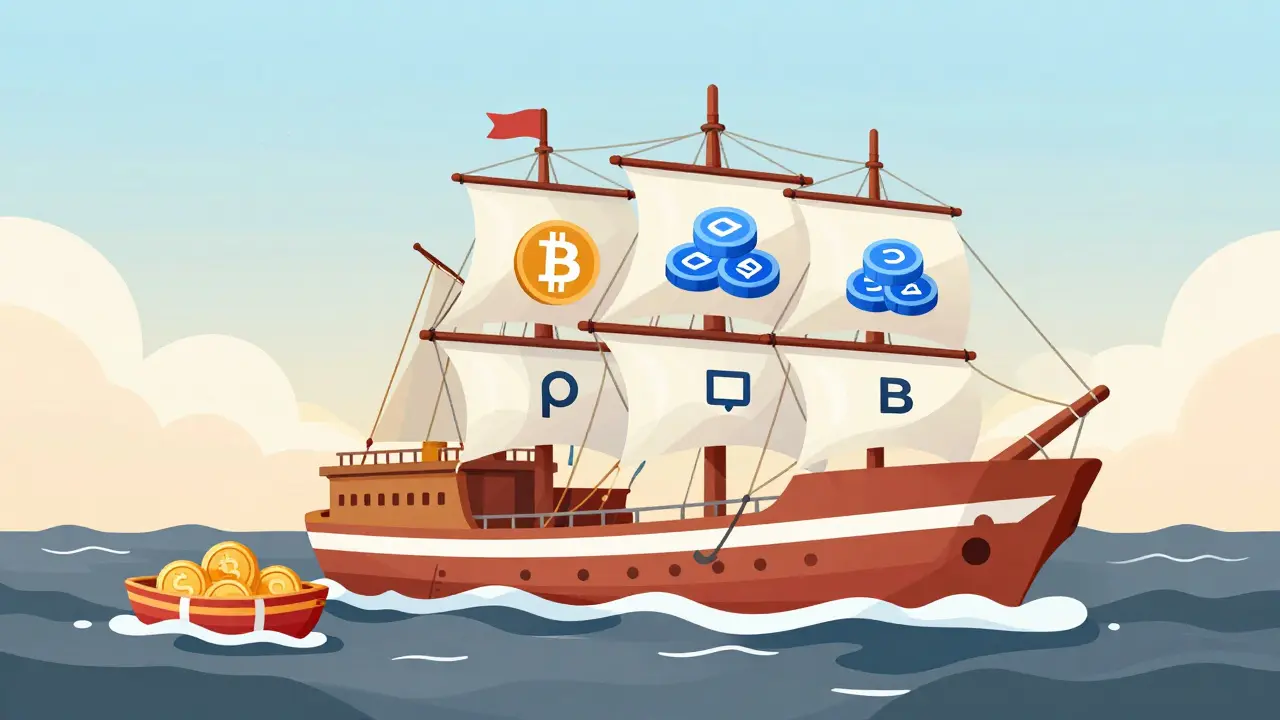
You cannot simply buy any coin and hope for the best. Blind HODLing without fundamental analysis is dangerous. Michael van de Poppe, CEO of MNPCapital, warned that 42% of top 100 cryptocurrencies from 2018 have gone to zero. To survive, your portfolio needs a robust structure based on asset quality.
According to KuCoin's 2024 research, an optimal HODL portfolio should be allocated as follows:
| Asset Class | Allocation % | Examples & Rationale |
|---|---|---|
| Blue Chip Assets | 60-70% | Bitcoin (BTC) and Ethereum (ETH). These have survived multiple cycles and have institutional backing. |
| Layer 2 & Ecosystem Projects | 20-30% | Tokens related to scaling solutions or established ecosystems (e.g., Polygon, Arbitrum). Higher risk but tied to network growth. |
| Experimental Altcoins | 10% | High-risk, high-reward bets. Only invest what you can afford to lose completely. |
| Cash/Stablecoins | 5-10% | Reserves for DCA during extreme fear events. Provides liquidity without exposure to volatility. |
Token Metrics recommends focusing on assets with a market cap greater than $1 billion. Their AI analytics platform suggests only HODLing assets that score above 75/100 on their Fundamental Strength Index. This rigorous filtering protects you from "dead projects" like Terra (LUNA), which collapsed to near zero in May 2022, wiping out 100% of HODLers who didn't diversify.
Dollar-Cost Averaging: Your Best Friend
Trying to time the bottom of a bear market is nearly impossible. Even experts get it wrong. Instead, use Dollar-Cost Averaging (DCA). This involves investing a fixed amount of money at regular intervals, regardless of the price.
Why does this work? Koinly’s dataset of 12,500 successful HODLers shows that bi-weekly purchases of fixed amounts (e.g., $500 every two weeks) reduced average entry prices by 37.2% compared to single lump-sum investments during the 2022-2023 bear market. When prices drop, your fixed amount buys more coins. When prices rise, it buys fewer. Over time, this smooths out your cost basis.
- Set an Interval: Bi-weekly or monthly works best for most people. Daily trading introduces too much noise and emotional fatigue.
- Automate It: Use exchange features or bots to execute trades automatically. This removes the temptation to wait for "just one more dip."
- Stick to the Plan: Continue buying even when the news is terrible. Fear is often the signal to accumulate, not retreat.
Performance metrics from Token Metrics' 2024 Backtesting Suite demonstrate that HODL strategies combined with 5% weekly DCA outperformed pure HODL by 22.8% during the 2022 bear market, reducing maximum drawdowns from -78.3% to -61.4%.
Managing Psychology and Risk
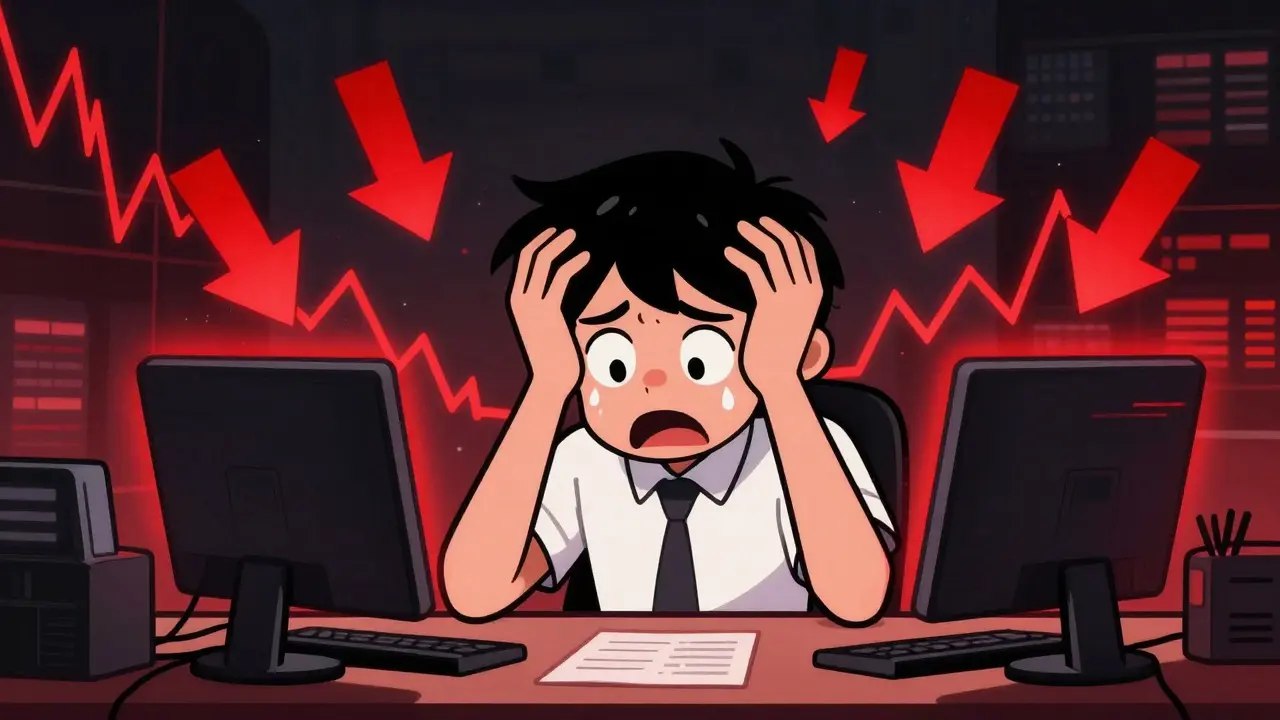
The biggest enemy of a HODLer is not the market; it is their own mind. Watching your portfolio decline by 30% or more triggers a stress response that leads to panic selling. Earnpark’s 2024 survey found that 68.4% of investors who sold during the June 2022 Bitcoin low regretted the decision, with many repurchasing at higher prices later.
To protect yourself, implement these psychological safeguards:
- Emergency Fund First: Never invest money you need for rent, bills, or emergencies. u/BearMarketSurvivor on BitcoinTalk documented how maintaining 3-6 months of emergency funds in stable assets prevented forced liquidation during the 2022 downturn.
- Limit Screen Time: Checking prices hourly increases anxiety. Switch to weekly or monthly reviews. Out of sight, out of mind.
- Use Trailing Stops Wisely: Tools like Cryptohopper’s Trailing Stop Loss can protect gains if the market suddenly reverses upward after a long bear market. For example, a 10% trailing stop moves up as the price rises, locking in profits if the trend breaks.
Remember, Dr. Carol Alexander, Professor of Finance at the University of Sussex, published analysis showing that HODL strategies with DCA outperformed market timing by 19.3 percentage points annually over the 2017-2024 period. Discipline beats intuition.
Advanced Tactics: Smart HODLing
Pure HODLing is effective, but modern tools allow for "Smart HODLing." This involves using technology to enhance returns while maintaining the core hold strategy.
Yield Generation: While holding stablecoin reserves, you don't have to let them sit idle. Platforms like Aave offer average APYs of 5.2% on stablecoins. This provides a cushion against inflation and generates small profits during the bear market.
AI-Driven Rebalancing: New tools like Cryptohopper’s "Smart HODL Bots" combine DCA with trailing features. These bots can automatically rebalance your portfolio if certain assets deviate significantly from your target allocation. For instance, if Ethereum surges while Bitcoin stagnates, the bot might sell some ETH to buy more BTC, keeping your risk profile consistent.
Fundamental Analysis Screening: Before adding any new asset to your HODL stack, spend at least 10 hours researching it. Look for active development, growing user bases, and clear utility. Token Metrics’ AI analyzes over 12,000 data points to identify projects with an 89% survival probability through bear markets.

When HODLing Fails: Recognizing Dead Projects
HODLing is not a magic bullet. It fails when applied to fundamentally broken projects. If a project loses its team, abandons development, or suffers a catastrophic security breach, holding is not loyalty-it is financial suicide.
Watch for these red flags:
- Declining Active Addresses: If fewer people are using the network, the value proposition is shrinking.
- Team Exodus: Key developers leaving the project is a strong negative signal.
- Regulatory Action: If a project is banned or sued by major governments, exit immediately.
- Zero Utility: Memecoins with no roadmap or utility are highly risky. They may pump short-term but often go to zero.
In such cases, cut your losses and reallocate to stronger assets like Bitcoin or Ethereum. As Willy Woo noted, "The smart money HODLs quality assets while using bear markets to accumulate." Quality matters more than quantity.
Conclusion: Patience Pays Off
Bear markets are uncomfortable, but they are temporary. History shows that every major crash in crypto has been followed by a bull market that surpassed previous highs. By sticking to a disciplined HODL strategy, diversifying into blue-chip assets, using DCA to lower your entry price, and managing your psychology, you position yourself to capture the massive upside when the cycle turns.
Don't let fear dictate your decisions. Do your research, build a resilient portfolio, and hold on for dear life. The rewards for those who stay calm in the storm are historically significant.
What does HODL mean in crypto?
HODL is an acronym for "Hold On for Dear Life." It originated from a 2013 BitcoinTalk forum post where a user misspelled "hold." It now refers to the investment strategy of holding cryptocurrency assets long-term, regardless of market volatility or short-term price drops.
How long do crypto bear markets last?
On average, crypto bear markets last about 287 days (approximately 9-10 months). However, they can vary significantly. The 2018-2019 bear market lasted 342 days, while others have been shorter. Historical data shows that recovery typically begins within 12-18 months after the market bottom.
Is HODLing better than trading?
For most retail investors, yes. CoinGecko's 2024 report showed that 89.3% of retail traders underperformed Bitcoin's HODL returns during the 2022 bear market. Active trading requires sophisticated skills and carries higher risks of emotional errors. HODLing reduces complexity and tax liabilities while capturing long-term growth.
What is the best portfolio allocation for HODLing?
A balanced approach includes 60-70% in blue-chip assets like Bitcoin and Ethereum, 20-30% in promising Layer 2 or ecosystem tokens, 10% in experimental altcoins, and 5-10% in stablecoins for DCA opportunities. This structure balances safety with potential high-growth opportunities.
Should I panic sell during a bear market?
No. Panic selling locks in losses and often results in buying back at higher prices later. Earnpark's survey found that 68.4% of investors who sold during the 2022 low regretted it. Instead, stick to your plan, use DCA to accumulate more at lower prices, and focus on long-term fundamentals.
Can HODLing lead to total loss?
Yes, if you HODL low-quality or fraudulent projects. For example, Terra (LUNA) went to zero in 2022. To mitigate this, only HODL assets with strong fundamentals, large market caps, and proven track records. Diversification across multiple reputable assets also reduces the risk of total loss.
How does Dollar-Cost Averaging help in a bear market?
DCA allows you to buy more cryptocurrency when prices are low and less when prices are high, lowering your average entry price over time. Koinly data shows this strategy reduced average entry prices by 37.2% during the 2022-2023 bear market compared to lump-sum investing, improving long-term returns.
What is "Smart HODLing"?
Smart HODLing combines traditional holding with modern tools like automated DCA bots, trailing stop-losses, and yield generation on stablecoin reserves. This approach enhances risk-adjusted returns by automating discipline and generating passive income during downtrends, as seen with tools from Cryptohopper and Earnpark.