- 26 Jun 2026
- Elara Crowthorne
- 0
Have you seen ads for IVYTEST promising quick profits in the crypto market? You are not alone. In 2026, new platforms pop up daily, many claiming to be the next big thing in digital asset trading. But when a name like IVYTEST yields almost zero credible information on search engines, red flags should start waving immediately. This review cuts through the noise to tell you exactly what we know about IVYTEST and why extreme caution is your best strategy right now.
The short answer is simple: there is no verifiable evidence that IVYTEST is a legitimate, regulated cryptocurrency exchange. Unlike established giants such as Coinbase, Kraken, or Binance, IVYTEST does not appear in regulatory databases, lacks independent user reviews, and has no transparent corporate history. In the world of crypto, silence is often louder than marketing hype. If a platform cannot prove it exists legally, you should assume it might be trying to hide something dangerous.
What Is IVYTEST?
To understand the risk, we first need to define what IVYTEST claims to be. Based on fragmented online mentions, IVYTEST presents itself as a cryptocurrency trading platform. These types of sites usually offer a web-based interface where users can buy, sell, and trade digital assets like Bitcoin (BTC), Ethereum (ETH), and various altcoins. They often promise advanced trading tools, low fees, and high liquidity.
However, a definition based on marketing materials is not enough. A legitimate exchange is more than just a website; it is a financial institution subject to strict laws. When we look for IVYTEST in official records, we find nothing. There is no registration with major financial authorities like the U.S. Securities and Exchange Commission (SEC), the Financial Conduct Authority (FCA) in the UK, or the Financial Services Agency (FSA) in Japan. This absence is critical. Without regulatory oversight, there is no safety net if things go wrong.
Is IVYTEST a real company?
There is no public record of IVYTEST being a registered financial entity. Legitimate exchanges list their legal entity details, physical address, and license numbers prominently on their websites. IVYTEST fails to provide this basic transparency.
Red Flags: Why IVYTEST Looks Suspicious
When evaluating any crypto platform, especially one with little history, you need to look for specific warning signs. The Commodity Futures Trading Commission (CFTC) and other global bodies have outlined clear indicators of fraudulent operations. Let’s apply these standards to IVYTEST.
- Lack of Digital Footprint: A genuine business leaves a trail. You should find news articles, developer forums, and independent reviews discussing the platform’s features, outages, or updates. For IVYTEST, the internet is largely silent. This "ghost" status suggests the platform may have been created recently specifically to target vulnerable investors before disappearing.
- No Regulatory Licenses: Crypto regulations have tightened significantly by 2026. Reputable exchanges operate under licenses in multiple jurisdictions. IVYTEST shows no sign of compliance with Anti-Money Laundering (AML) or Know Your Customer (KYC) standards enforced by legitimate governments. Operating without these licenses is illegal in most developed countries.
- Vague Team Information: Trustworthy platforms introduce their leadership team with verifiable LinkedIn profiles and industry backgrounds. IVYTEST likely uses stock photos or anonymous founders. If you cannot identify who runs the money, you should not trust them with yours.
- Unrealistic Promises: While hard data on IVYTEST’s specific ads is scarce, similar unregulated platforms often promise guaranteed returns or "risk-free" trading. Remember: in finance, higher returns always come with higher risks. Any claim otherwise is a lie.
Comparing IVYTEST to Legitimate Exchanges
To see how IVYTEST falls short, let’s compare it against established, trusted exchanges. This comparison highlights the attributes that separate safe platforms from potential scams.
| Feature | IVYTEST | Kraken / Coinbase / Gemini |
|---|---|---|
| Regulatory Status | Unknown / Unlicensed | Licensed in US, EU, Asia |
| User Reviews | None or Fake | Thousands of verified reviews |
| Security Proof | No public audits | Regular third-party security audits |
| Customer Support | Often non-existent or bot-only | 24/7 human support channels |
| Fund Storage | Unclear | Majority in cold storage + insurance |
Notice the difference? Platforms like Kraken and Coinbase have spent years building trust through transparency. They publish proof-of-reserves reports, allowing users to verify that customer funds are actually held in the bank. IVYTEST offers no such verification. This lack of transparency is a massive risk factor.
The Anatomy of a Crypto Scam
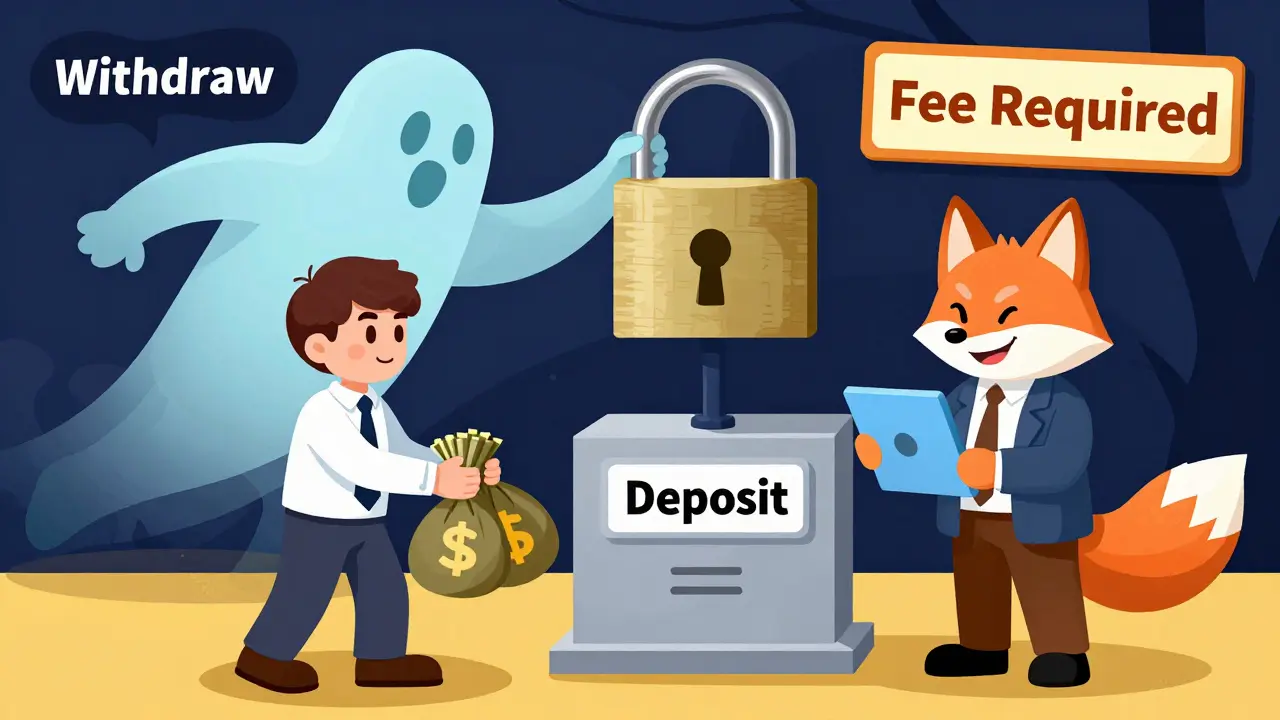
If IVYTEST is indeed a fraudulent platform, how would it operate? Understanding the mechanics of crypto scams helps you protect yourself. Most fake exchanges follow a predictable pattern known as an "advance-fee fraud" or a "pig butchering" scheme.
- The Hook: You encounter IVYTEST through social media ads, influencer promotions, or unsolicited messages. The platform looks professional, with a sleek design and promises of easy trading.
- The Deposit: You sign up and deposit funds. Initially, everything seems normal. You might even see a paper profit in your account dashboard. This is designed to build trust and encourage larger deposits.
- The Block: When you try to withdraw your money, problems arise. You are told you must pay a "tax," a "verification fee," or resolve a "technical error." These fees are never refunded.
- The Disappearance: Once you stop paying fees or realize the truth, the platform becomes inaccessible. Customer support vanishes, and the website may shut down entirely. Your funds are gone forever.
This cycle relies on psychological pressure and the complexity of blockchain transactions. Since crypto transfers are irreversible, once you send Bitcoin or Ethereum to a scammer’s wallet, you cannot get it back. Law enforcement agencies worldwide struggle to trace these funds due to the use of mixers and privacy coins.
How to Verify Any Crypto Exchange
Whether you are looking at IVYTEST or another new platform, you need a checklist to ensure your safety. Do not rely on the website’s own claims. Perform these checks independently.
- Check Regulatory Databases: Visit the websites of financial regulators in your country. In the US, check the SEC and CFTC lists. In Europe, check the European Securities and Markets Authority (ESMA). If the exchange is not listed, it is operating illegally.
- Search for Independent Reviews: Look for reviews on trusted tech and finance sites, not just testimonials on the exchange’s homepage. Search for terms like "[Exchange Name] scam" or "[Exchange Name] withdrawal issues."
- Verify Contact Information: Call the support number provided. Use a reverse phone lookup service to see if the number belongs to a legitimate business or a virtual private network (VPN) service. Check if the physical address is a real office or a co-working space/mailbox.
- Test Small Withdrawals: Before investing significant capital, deposit a small amount and attempt to withdraw it. If the process is delayed or blocked, exit immediately.
- Look for Security Certifications: Legitimate exchanges undergo regular security audits by firms like CertiK or Hacken. They will proudly display these certificates. Absence of such proofs is a warning sign.
Safer Alternatives to IVYTEST
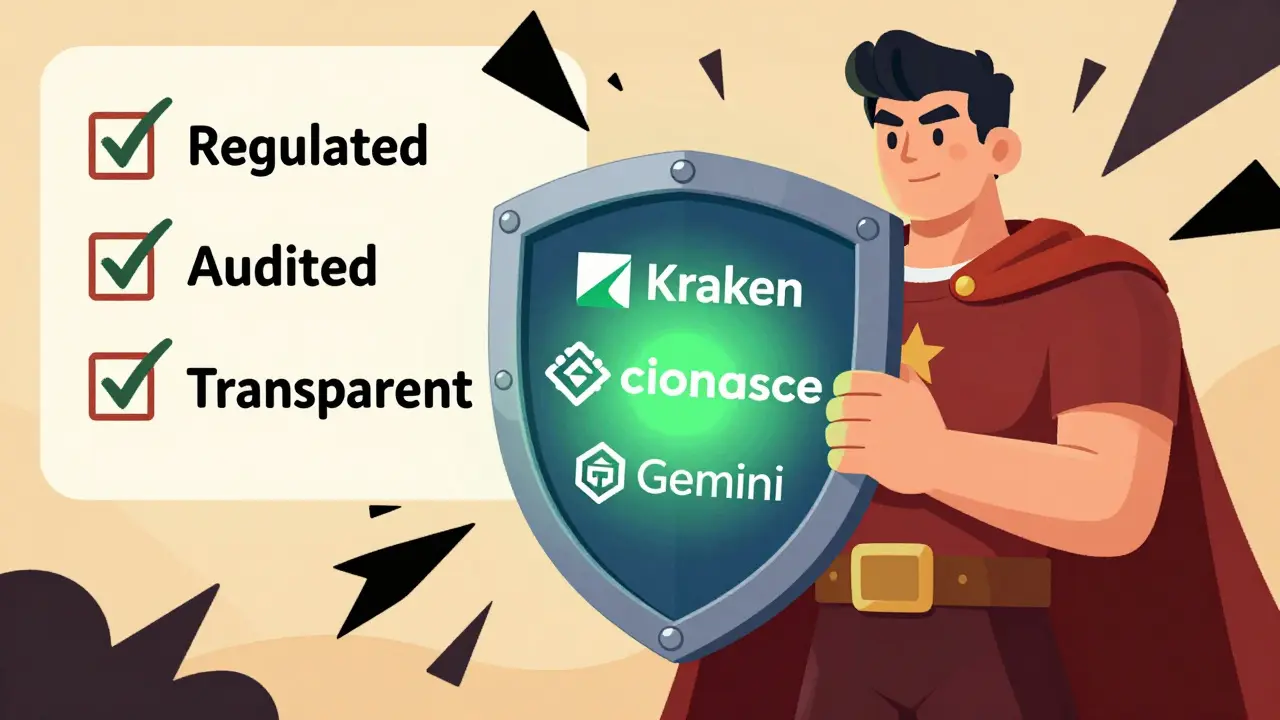
Why risk your savings on an unknown entity like IVYTEST when proven, secure alternatives exist? The crypto market is mature enough that you do not need to gamble with shady platforms. Here are some of the most reputable exchanges in 2026:
- Kraken: Known for its strong security record and deep liquidity. Kraken has never been hacked and offers a wide range of cryptocurrencies. It is fully regulated in the US and Europe.
- Coinbase: Ideal for beginners due to its user-friendly interface. As a publicly traded company on the NYSE, Coinbase is subject to strict financial reporting requirements, ensuring transparency.
- Gemini: Founded by the Winklevoss twins, Gemini prioritizes regulatory compliance and security. It holds money transmitter licenses in all 50 US states.
- Binance: The largest exchange by volume, offering extensive trading pairs and tools. While it has faced regulatory challenges, it remains a dominant player with robust infrastructure.
These platforms invest millions in cybersecurity, insurance funds, and legal compliance. They provide you with peace of mind that IVYTEST simply cannot match.
What To Do If You Have Already Used IVYTEST
If you have already deposited funds into IVYTEST, act quickly. Time is critical in recovering stolen assets.
- Stop All Transactions: Do not send any more money, even if they promise it will unlock your withdrawals. This is a common tactic to extract more funds.
- Document Everything: Take screenshots of your account balance, transaction histories, emails, and chat logs with support. Save all URLs and payment references.
- Contact Your Bank: If you funded the account via credit card or bank transfer, contact your financial institution immediately. Request a chargeback or recall of the funds. Provide them with the evidence you gathered.
- Report to Authorities: File a report with your local cybercrime unit. In the US, report to the FBI’s Internet Crime Complaint Center (IC3). In the UK, report to Action Fraud. This helps law enforcement track patterns and potentially freeze assets.
- Warn Others: Share your experience on social media and review sites. Helping others avoid the same trap is crucial.
Final Thoughts on IVYTEST
In the fast-moving world of cryptocurrency, curiosity can lead you to dark places. IVYTEST appears to be one of those places. The lack of regulatory presence, absence of independent verification, and silence from the broader crypto community strongly suggest that IVYTEST is not a safe place for your money.
Legitimate exchanges work hard to earn your trust through transparency, security, and compliance. They don’t hide. They don’t disappear. They don’t ask for secret fees. Until IVYTEST can prove otherwise with concrete, verifiable evidence, the only smart move is to stay away. Protect your capital by sticking to well-known, regulated platforms. Your financial future is worth more than a risky gamble with an unknown entity.
Is IVYTEST regulated by any government body?
No. There is no public record of IVYTEST holding licenses from major financial regulators such as the SEC, FCA, or ASIC. Operating without regulation is a significant red flag for potential fraud.
Can I withdraw my money from IVYTEST?
Withdrawals from unverified platforms like IVYTEST are highly unreliable. Many users of similar scam sites report being blocked from withdrawing funds or being asked to pay additional fees to release their money.
Who owns IVYTEST?
The ownership of IVYTEST is not publicly disclosed. Legitimate exchanges clearly state their corporate structure and leadership team. Anonymity in ownership is a common trait of fraudulent crypto schemes.
Is IVYTEST listed on any scam tracker?
While IVYTEST may not yet appear on every blacklist, its characteristics match those of known fraudulent exchanges. The California Department of Financial Protection and Innovation and other bodies track such entities. Its lack of legitimacy makes it functionally equivalent to a scam.
What are the safest crypto exchanges in 2026?
Reputable exchanges include Kraken, Coinbase, Gemini, and OKX. These platforms are regulated, audited, and have long track records of security and customer service.