
- 8 Mar 2026
- Elara Crowthorne
- 17
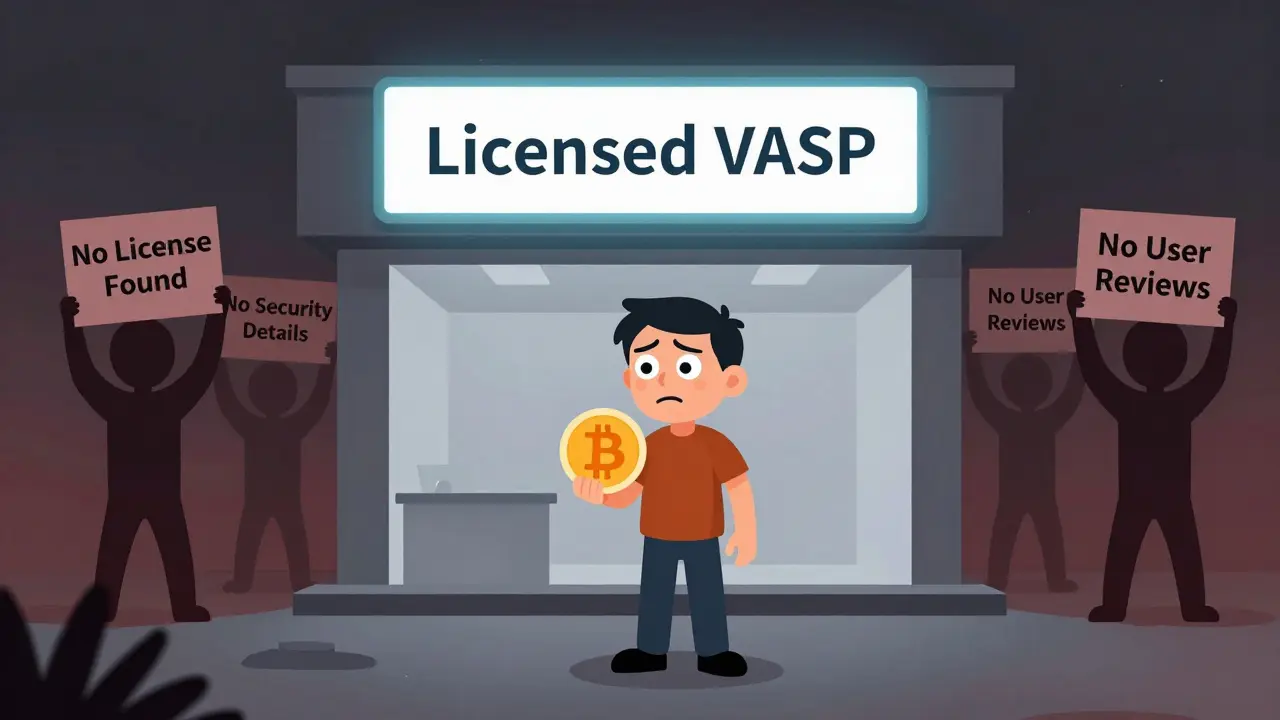
When you're looking to buy your first Bitcoin or swap Ethereum for a stablecoin, you want a platform that’s safe, simple, and trustworthy. That’s what Odee promises - a regulated European crypto exchange with a clean interface and a built-in payment card. But here’s the problem: no one seems to agree on whether Odee is actually regulated at all.
What Is Odee Crypto Exchange?
Odee is a cryptocurrency exchange operated by Odee Digital Sp zoo, a company based in Europe. It markets itself as a compliant, licensed Virtual Asset Service Provider (VASP) - meaning it should follow strict anti-money laundering (AML) and know-your-customer (KYC) rules. But digging deeper reveals a messy picture. Some sources claim Odee is fully licensed. Others, including independent crypto watchdogs, say it has no valid license from any European financial authority.
This isn’t just a technical detail. In crypto, regulation isn’t a buzzword - it’s your safety net. If a platform isn’t licensed, there’s no government body overseeing its operations, no audit trail if funds go missing, and no legal recourse if something goes wrong. That’s why major exchanges like Coinbase and Kraken proudly display their licenses. Odee doesn’t.
Cryptocurrencies Available on Odee
Odee supports only seven digital assets:
- Bitcoin (BTC)
- Ethereum (ETH)
- Tether (USDT)
- USD Coin (USDC)
- Binance USD (BUSD)
- Dai (DAI)
- USDV (Odee’s proprietary stablecoin)
That’s it. No Solana, no Cardano, no Polkadot, no Dogecoin - nothing beyond these seven. For someone who wants to dip their toes into crypto, this might feel simple. But for anyone serious about diversifying, it’s a dealbreaker. Most exchanges offer 300+ coins. Even smaller platforms like Bitstamp or KuCoin have over 100. Odee’s selection is smaller than a basic wallet app.
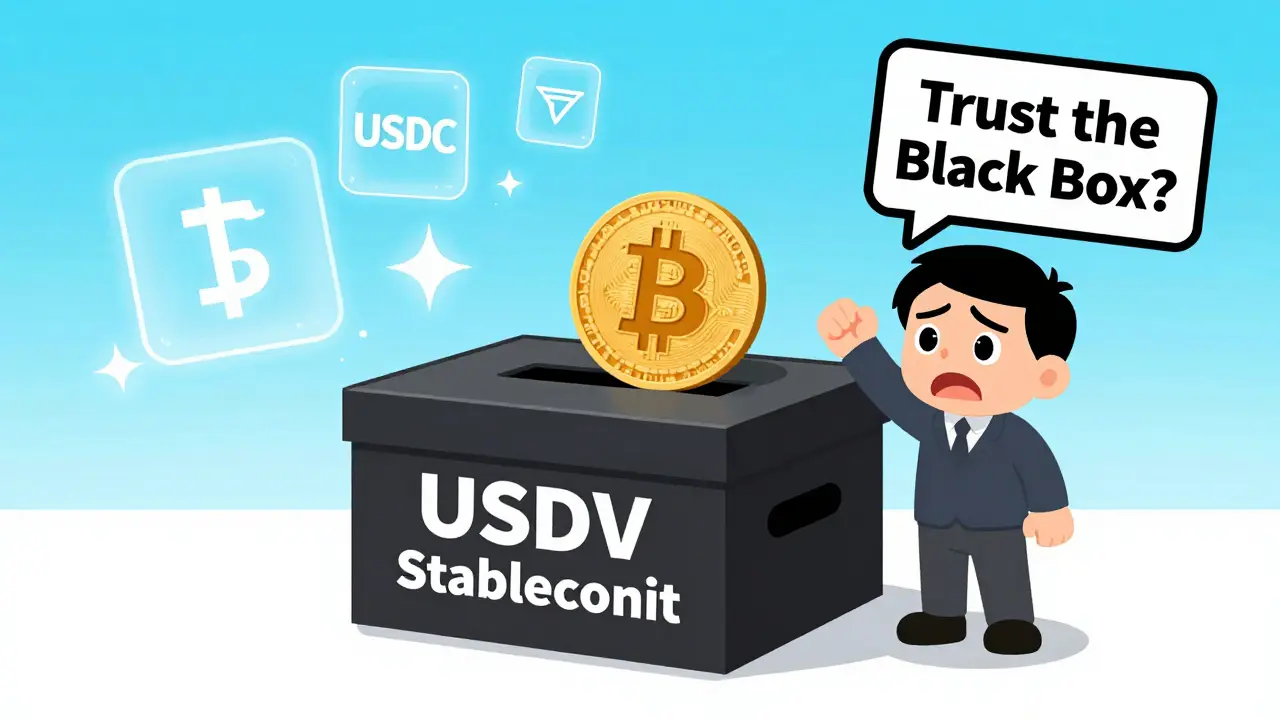
The inclusion of USDV - Odee’s own stablecoin - is odd. It’s not backed by transparent reserves like USDC or USDT. There’s no public audit trail showing how much real USD backs it. That’s a red flag. Stablecoins are supposed to be digital dollars. If you can’t verify their value, you’re trusting a black box.
Security Features: What’s Missing
Odee says it uses KYC, transaction monitoring, and "advanced verification technology." But what does that actually mean? There’s no public information about:
- Whether user funds are stored in cold wallets
- If two-factor authentication (2FA) is mandatory
- If withdrawal whitelists are supported
- If third-party security audits have been conducted
- Whether user funds are insured
Compare that to Binance, which publishes its SAFU fund balance monthly. Or Coinbase, which holds $300 million in insurance coverage for hot wallets. Odee doesn’t disclose any of this. That’s not just poor transparency - it’s a major risk.
Real crypto security isn’t about fancy marketing terms. It’s about verifiable practices. If a platform won’t show you its security measures, you’re betting your money on guesswork.
The OdeePay Card: A Gimmick or a Game-Changer?
Odee promotes its OdeePay card as a way to spend crypto like cash. It has lock/unlock controls, which sounds useful. But here’s the catch: no one has published details on how it works.
- What’s the monthly fee?
- Is it available outside Europe?
- What exchange rates does it use?
- Can you withdraw cash from ATMs?
There are no user reviews, no official pricing, no FAQ section. It’s like a product page with no product. If this card is real, why is there zero public data? If it’s not real, why is it being advertised?
In crypto, features without documentation are usually marketing smoke. OdeePay might be a future plan. Or it might be vaporware.
User Base and Community Trust
Try searching for "Odee exchange" on Reddit, Trustpilot, or BitcoinTalk. You’ll find almost nothing. No user stories. No complaints. No praise. Just silence.
That’s not normal. Even new exchanges like Bitget or Bybit have hundreds of threads within months of launch. Odee’s lack of online presence suggests one of two things: either it has almost no users, or it’s too new to have built a community - which means it’s still in testing.
Low user numbers mean low liquidity. That’s dangerous. If you try to sell Bitcoin on Odee and no one’s buying, your order won’t fill. Or worse - the platform might delay withdrawals because there’s not enough cash on hand. That’s happened before with unregulated platforms.
Regulatory Confusion: The Biggest Red Flag
This is the core issue. Odee claims to be a "fully regulated VASP licensed fintech in Europe." But no European financial regulator - not the FCA in the UK, not the AMF in France, not BaFin in Germany - lists Odee as licensed.
Even under MiCA (the EU’s new crypto rulebook, effective since 2024), exchanges must register publicly. Odee isn’t on any official registry. That means:
- It’s not compliant with EU law
- It could be shut down tomorrow
- Your funds have no legal protection
Regulation isn’t about bureaucracy - it’s about accountability. If a licensed exchange goes bankrupt, regulators step in. If an unlicensed one does? Good luck getting your money back.
Who Is Odee For?
Odee might appeal to one type of person: a complete beginner in Europe who wants to buy Bitcoin with a debit card and doesn’t care about security, choice, or long-term safety.
If you’re looking for:
- A wide selection of coins - skip Odee
- Strong security - skip Odee
- Transparent fees - skip Odee
- Community trust - skip Odee
Then Odee isn’t for you. It’s not a bad platform because it’s new. It’s bad because it hides critical information. In crypto, opacity is a warning sign.
Alternatives That Actually Work
If you’re in Europe and want a safe, simple exchange:
- Bitpanda - Fully licensed in Austria, supports 100+ assets, easy fiat deposits, and a real debit card.
- Kraken - Regulated in the EU and U.S., offers staking, futures, and strong security.
- Coinbase - Publicly traded, insured funds, clear regulatory status, and excellent customer support.
These platforms don’t hide their licenses. They show them. They answer questions. They have millions of users. That’s what trust looks like.
Final Verdict
Odee crypto exchange looks like a minimalist design on paper. But underneath, it’s built on uncertainty. No clear regulation. No security details. No user reviews. No transparency.
Crypto isn’t a game where you guess which platform will work. It’s a financial system. And in financial systems, you don’t trust what you can’t verify.
Until Odee publishes its license number, security audit reports, and fee schedule - treat it like a sketchy ATM in a back alley. Walk away.
Is Odee crypto exchange regulated?
There is no verifiable evidence that Odee is regulated by any European financial authority. While Odee claims to be a licensed VASP, no official regulator - including the FCA, BaFin, or AMF - lists it as registered. Under MiCA regulations, all crypto exchanges operating in the EU must be publicly licensed. Odee is not on any such list.
How many cryptocurrencies does Odee support?
Odee supports only seven cryptocurrencies: Bitcoin (BTC), Ethereum (ETH), Tether (USDT), USD Coin (USDC), Binance USD (BUSD), Dai (DAI), and its own proprietary token, USDV. This is far fewer than most exchanges, which typically offer 100 to 500+ assets.
Is the OdeePay card safe to use?
There is no public information about the OdeePay card’s fees, availability, exchange rates, or security features. No user reviews or official documentation exist. Without this, it’s impossible to assess its safety. If the card is real, it’s being marketed without transparency - a major red flag in finance.
Can I trust Odee with my crypto?
No, not without significant risk. Odee doesn’t disclose whether it uses cold storage, offers insurance, or conducts third-party audits. It also has no track record of user experience or regulatory compliance. In crypto, trust must be earned through transparency - and Odee provides none.
Why is there no user feedback on Odee?
Odee has virtually no presence on major crypto forums like Reddit, BitcoinTalk, or review sites like Trustpilot. This suggests either extremely low user adoption or that the platform is very new or not widely used. A lack of community feedback makes it impossible to judge reliability, customer service, or withdrawal speeds.
If you're just starting out, don’t rush into Odee. Use a platform with clear regulation, real security, and a proven track record. Your crypto is too valuable to gamble on mystery.

17 Comments
Odee is a scam wrapped in a minimalist UI. No license? No audits? No user base? That’s not "new"-that’s predatory. If you’re putting money here, you’re not investing-you’re donating to a guy who thinks "crypto" means "easy money from suckers."
One must consider, dear interlocutors, that the absence of regulatory validation does not, ipso facto, equate to malfeasance-though, in this instance, the sheer opacity of Odee’s operational framework is, indeed, profoundly disconcerting. One wonders whether their "advanced verification technology" is merely a euphemism for "we don’t verify anything."
Hey, I get that Odee looks sketchy-but maybe it’s just super new? Like, I started with Bitpanda too, and now I’m on Kraken. Maybe Odee’s still building? Don’t write it off yet. Just don’t put your life savings in it. Baby steps, right? 😊
USA has real exchanges. Why are you guys even looking at this European junk? 💀
Ugh. Another "review" that reads like a LinkedIn post. I skimmed the first paragraph and already know this is a clickbait trap. Odee? Who cares. I use Coinbase. Done.
lmao "regulated in europe"-yeah right. if they were legit, they’d be on the fca list. they’re not. simple as that. stop wasting my time with this fluff.
I’ve been in crypto since 2017… and I’ve seen this movie before. The shiny app, the vague promises, the silence from the community… then poof. Gone. Odee’s got all the signs. Walk away. Seriously. 🙏
Let’s be real: regulation isn’t about safety-it’s about control. Odee doesn’t play by the state’s rules because it doesn’t believe in them. That’s not dangerous… it’s revolutionary. Most people just don’t get it. 🤔
They support USDV? That’s the real red flag. If they’re creating their own stablecoin without audits, they’re basically printing money. No one should touch this.
They claim to be licensed but can’t even name the regulator? That’s not incompetence-it’s fraud. And the OdeePay card? Zero info? That’s not a feature. It’s a trap. You don’t market a product that doesn’t exist. You get sued. Or worse-you get ignored.
Did you know the EU is owned by the same people who run the Fed? Odee is a psyop. They want you to think regulation = safety. But real freedom is unregulated. They’re testing you. Are you sheep? Or are you free? 🚩
Let me break this down for you, because clearly you’ve missed the bigger picture. Odee isn’t trying to be a crypto exchange-it’s a liquidity sink disguised as a fintech startup. Their entire model is built on the assumption that newbies will deposit funds, get trapped by low liquidity, and then be forced to buy USDV to "unlock" withdrawals. The card? A honeypot. The seven coins? A distraction. This isn’t a platform. It’s a Ponzi with a UI. And the silence? That’s not lack of users-that’s lack of survivors. The people who put money in? They’re either broke or disappeared. No one talks about it because no one made it out.
While the author's analysis is methodical and largely accurate, one must acknowledge that regulatory frameworks are evolving, and non-compliance does not necessarily equate to illegitimacy. A more nuanced evaluation would consider jurisdictional gray zones and transitional operational phases.
Just don’t use it. Seriously. There are so many good options. Why risk it? 🤷♂️
im surprised anyone even heard of odee. like… who even uses this? its not even on coinmarketcap properly. its like a ghost exchange. 👻
If you’re new to crypto, start with Coinbase or Bitpanda. They’re easy, safe, and you won’t lose sleep. Odee? Save your money. There’s no reason to gamble on something that hides everything. You don’t need to be a genius to know this is dangerous.
Regulatory compliance is not optional in financial services. The absence of publicly verifiable licensing under MiCA constitutes a material breach of fiduciary responsibility. Furthermore, the proprietary stablecoin, USDV, lacks any attestation of reserve backing, thereby rendering it functionally equivalent to unbacked tokenized debt. This represents an unacceptable risk profile for any rational actor engaged in asset custody.